It is one of the star companies in the sector. A brand that gives prestige to the airports where it operates. It arrived in Barcelona in 2017 and the pandemic forced it to abandon its operations at El Prat. Now, after four years of absence, its return has been made official: Cathay Pacific, Hong Kong's main airline, is once again directly linking the Catalan capital with the Hong Kong Special Administrative Region, a former British colony in southeastern China.
The resumption of the link will be from next June 17, although the expected news of the recovery of this route was made official this month through a statement from the airline itself. Cathay gave the first details of what its operation in El Prat will be, which will be its second direct destination on the Iberian Peninsula, after having already resumed its operation in Madrid-Barajas at the end of 2022.
Initially, three weekly flights
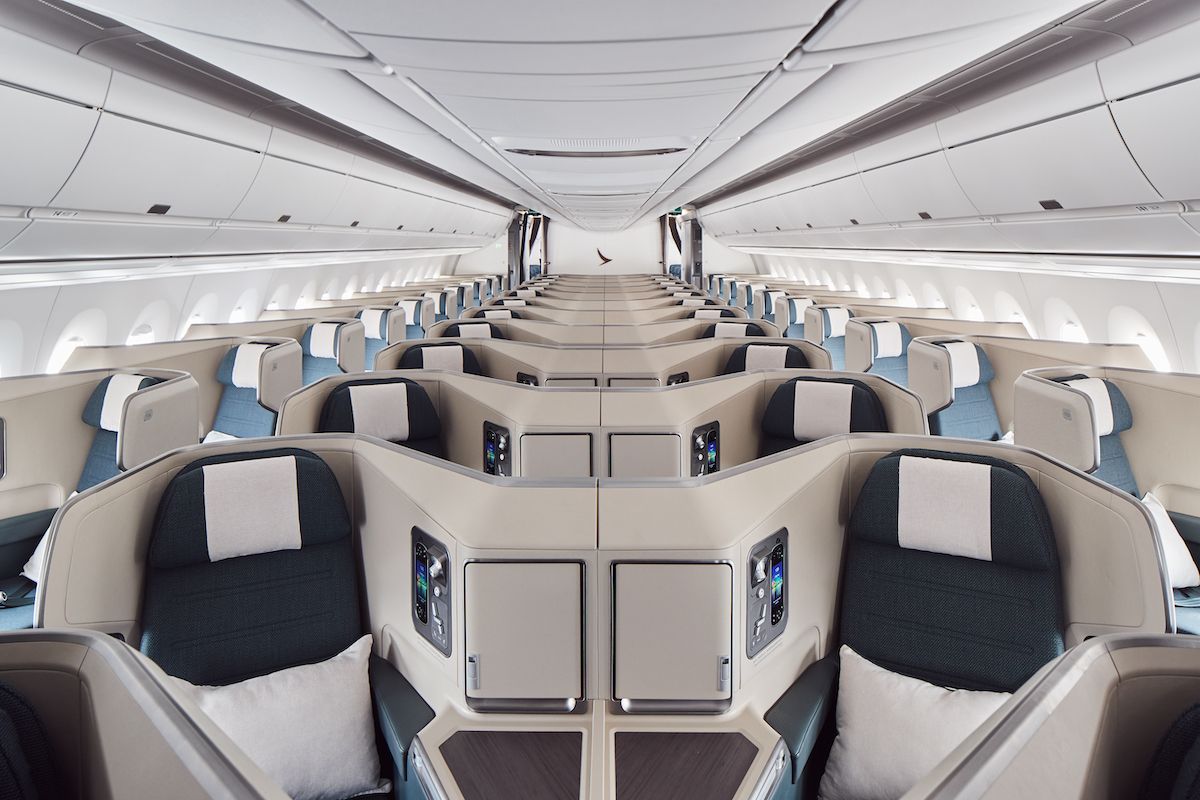
Initially, it is planned to fly three times a week: on Tuesdays, Fridays, and Sundays. The service will be covered by Airbus A350-900, one of the four types of long-haul aircraft available to the Hong Kong airline. These aircraft can carry 280 passengers on each flight in three types of cabin: 38 suite-seats in business class; 28 highly reclining seats in Premium Economy, and 214 conventional seats in economy class.
Cathay Pacific will be the fourth company to regularly operate with the A350-900 to fly to Barcelona. Asiana Airlines does so from Seoul; Singapore Airlines, from Singapore and Milan-Malpensa, and Qatar Airways, from Doha, alternating this model with Boeing 787s. This Airbus will connect the two cities in 12 hours of flight towards Asia, and in about 14 hours when the flight is towards Europe.
The main airline in the territory
Cathay Pacific will officially turn 80 in 2026 and has real origins that seem to be taken from a storytelling team at an advertising agency: after World War II, two former aviators from the United States and Australia, very experienced in flights over the Himalayas, met at a hotel bar in Manila, Philippines, to catch up. Their meeting turned into a gathering with several international journalists stationed in the city and, as a complementary conversation or brainstorming session, the business opportunity of flying in Southeast Asia emerged.
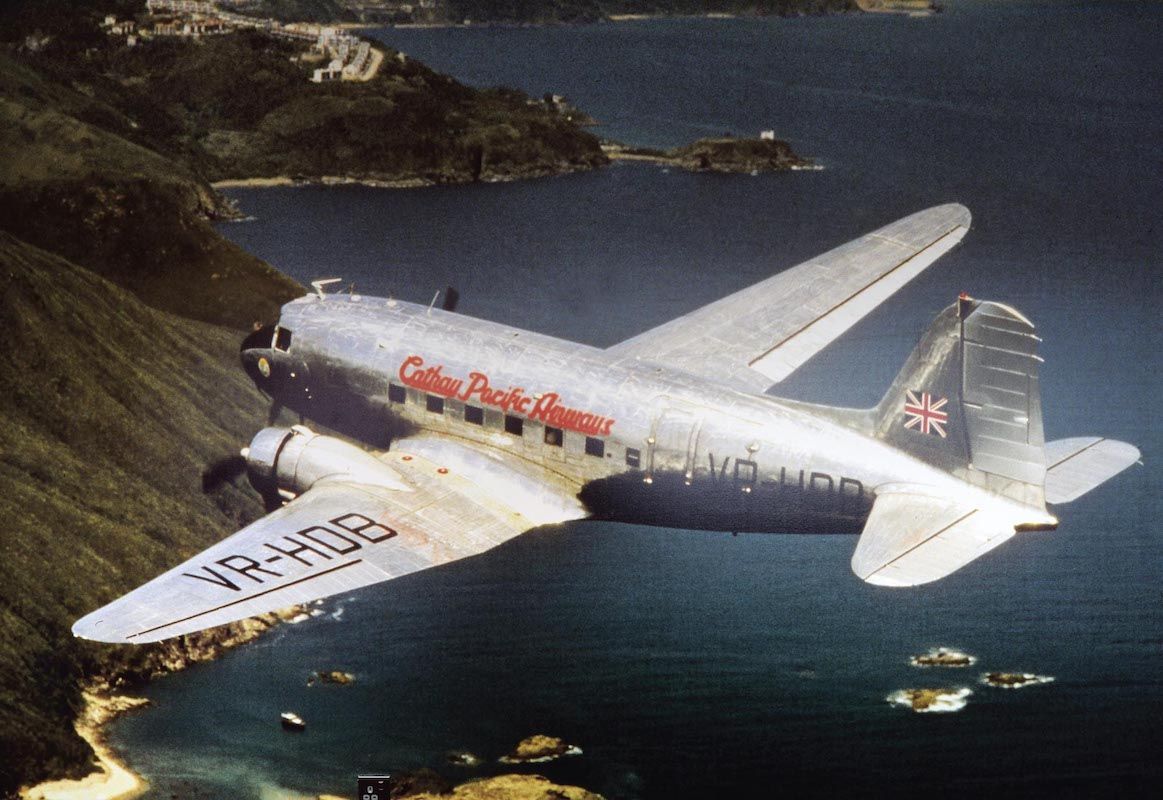
Roy Farrel and Sydney de Kantzow carried out their project with the support of three partners who raised enough money to buy a Douglas DC-3. With this, they started a cargo service between Sydney, Australia, and Shanghai, China, although they soon saw that it was much more profitable to fly to and from Hong Kong. It was with that strategic, almost adventurous, turn that the idea of naming the company Cathay arose, the name given in Marco Polo's accounts to the Asian region that comprised the territories located in the basins of the Yangtze and Yellow rivers. The surname Pacific was adopted because it was the wish of the two founders to reach the United States by flying over that ocean.
The adventure of aviation colleagues became a business and, with the company already underway, significant investors appeared with the intention of growing and professionalizing the business, such as the Swire Group, which became the majority shareholder in 1948 and has remained so ever since. Today the airline is part of a holding company that ranges from Coca-Cola bottlers for a market of more than 700 million people, shipping companies, recycling, financial, and real estate companies.
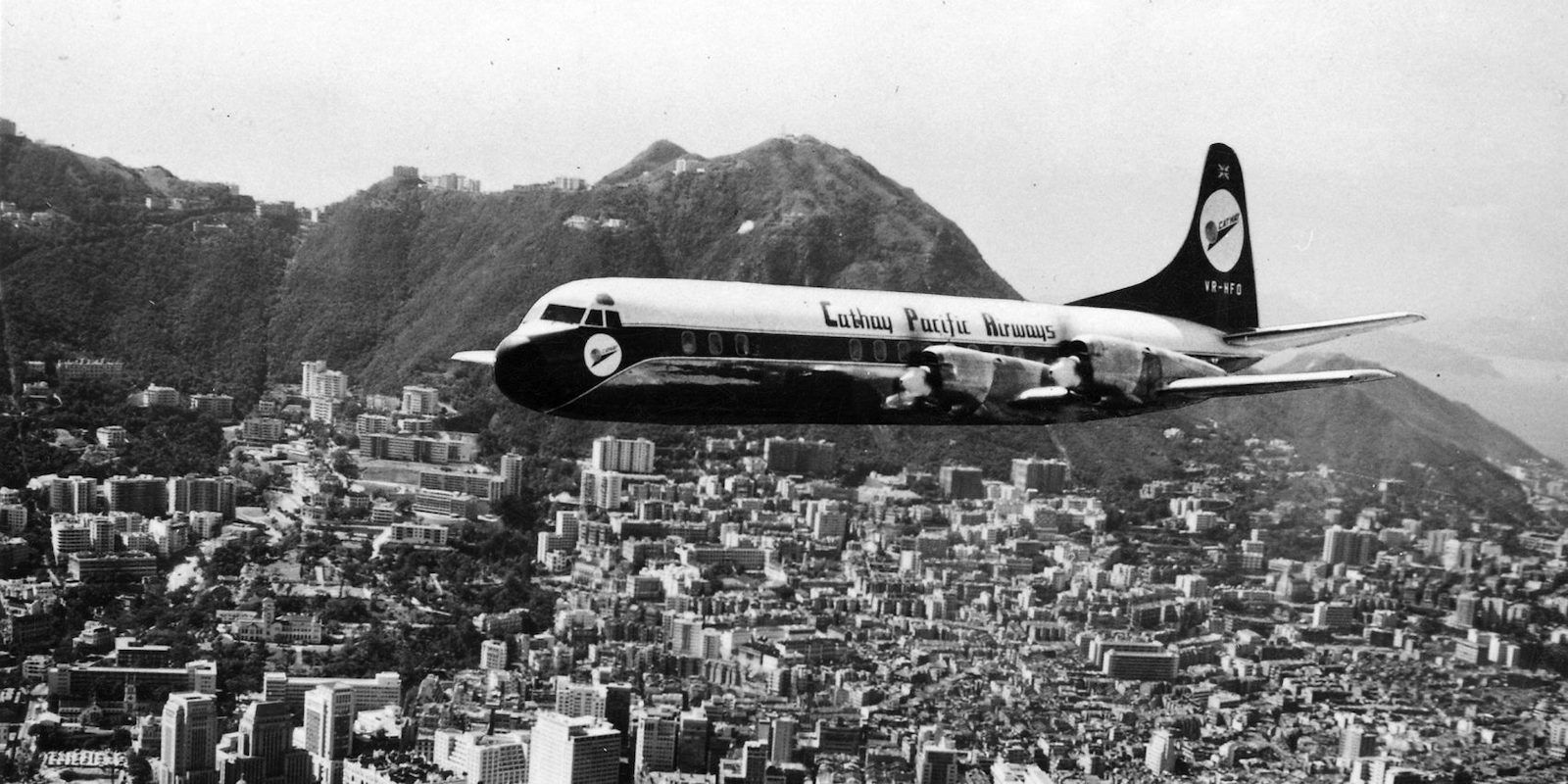
On the rear of the fuselages of the entire Cathay Pacific fleet, above the registration, the flag and name of the Swire group are painted, with whose hand it has grown all these years, moving from propeller planes to jets in the early 60s, the incorporation of the Boeing 747 in the late 70s and, from there, a strong commitment was made to its conversion into a practically global company, with a focus on Europe and North America.
The company was named Cathay after the name given in Marco Polo's accounts to the Asian region, which comprised the territories located in the basins of the Yangtze and Yellow riversSince then, with the exception of the mandatory pause of 2020 and from which it is trying to definitively emerge in recent times,the company has not stopped growing,of being a pioneer in some technological aspects and on-board service, in addition to winning awards and prestige.
The network and the fleet
By 2024, the company plans to recover close to 75% of the production it had in pre-pandemic times. Currently, Cathay Pacific and its subsidiaries Dragon HK Express and Air Hong Kong, for the Chinese, low-cost and pure cargo markets, have a fleet of 183 medium and long-haul aircraft, with which they reach 80 destinations worldwide... and Barcelona will be another piece of this map of progressive recovery of its route map.
Add The New Barcelona Post as your preferred Google source for free
Stay informed with the latest news.