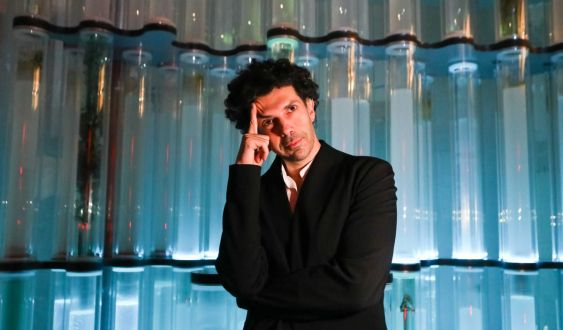
The architect Carmelo Zappulla studied at the University of Palermo, where he graduated with honors and very young he settled in Barcelona, where he has created External Reference Architects, the architecture firm from which he leads his projects for the whole world. In any work he leaves his mark: he bets on design and research in sensory spaces, interior design, architecture and landscape biodesign.
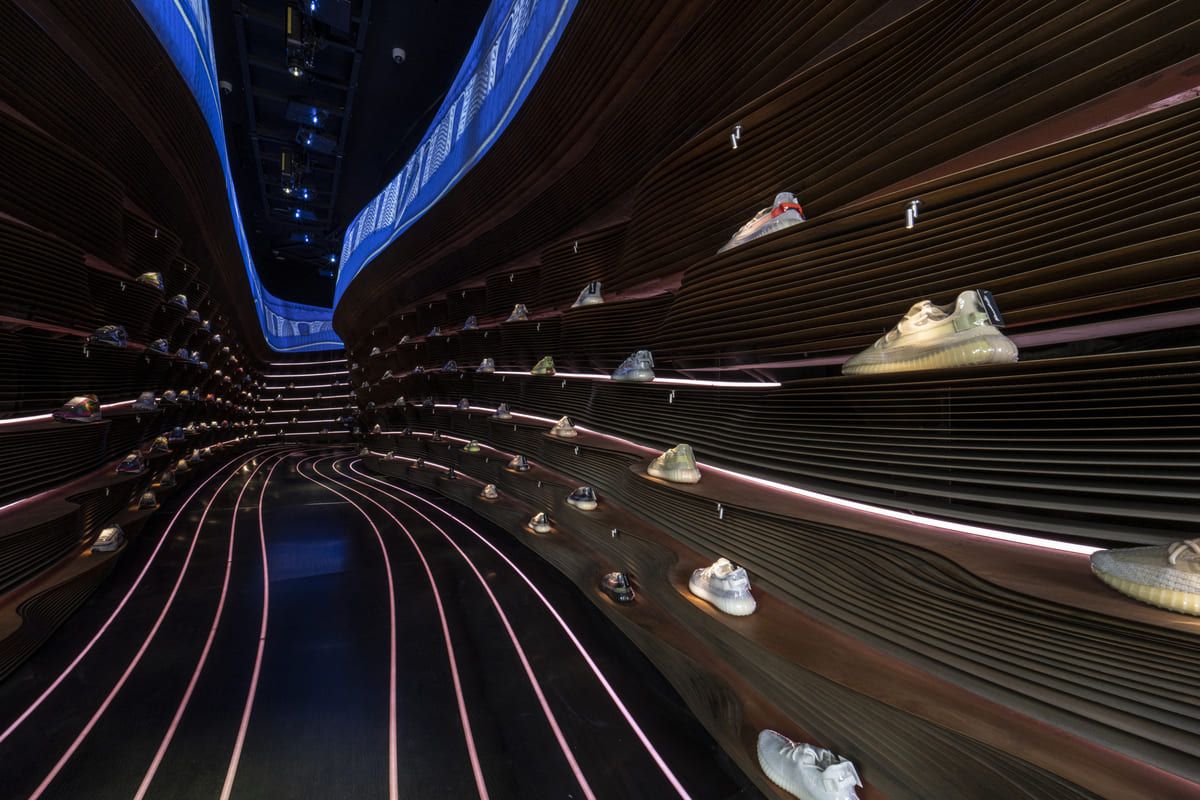
Among his works are the Spanish Pavilion at Expo Yeosu 2012 in South Korea, the UN-Art Consensus exhibition, Le Corti di Buenos Aires in Milan, the Toulouse Aerospace Campus or the Spanish Pavilion at the 2020 Universal Exhibition in Dubai, a city where his interior design is also found in the Presentedby sneaker store.
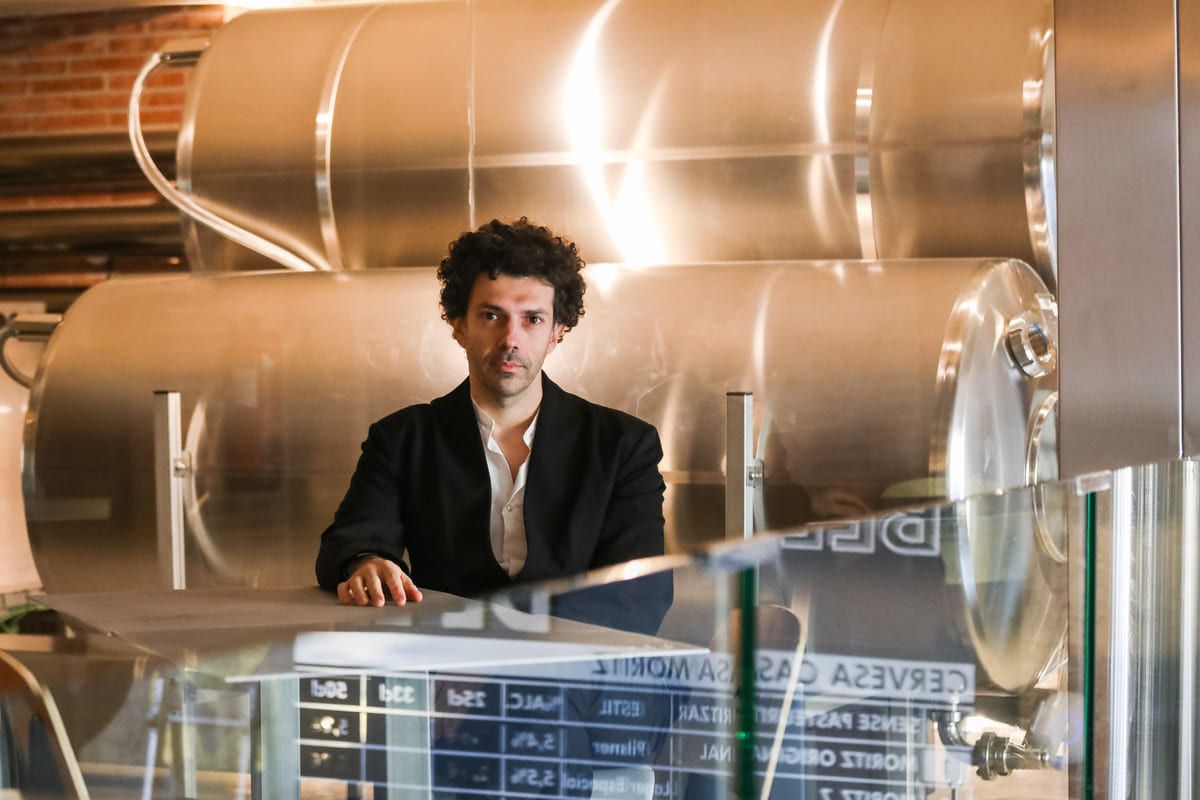
--- Tell me about Barcelona. Why did you settle in the city?I moved to Barcelona from London to do a doctorate to research new architectural tools. From there I started to have different work projects and 3 years later I decided to open the studio.--- Do you believe that the city, in recent years, has gained or lost weight as a reference for the most advanced architecture? Barcelona has always had a very powerful school of architecture that has been lost after Miralles. Although institutions like the ETSAB are still important, I believe that Barcelona has undoubtedly lost a lot of weight in architecture.--- Miralles, and recently Bohigas and Bofill, among other prominent figures, have left us. Who would be, for you, the current references of the city or Catalonia?I don't think there are any current referents, the concept of star architect is unrepeatable, it's no longer current. The concept of a referent or star architect is obsolete, there isn't one in Barcelona or in any other city. It's a phenomenon, a concept that has been disappearing. There are very good architects in Barcelona and in Spain in general. The ones I find most interesting arethe RCR studio, from Olot, with whom I collaborated at the beginning of my adventure in Barcelonaand I believe they are surely the most international and important references we have in Spain.--- As an urban design expert, what is your opinion on the state of the city? I don't consider myself an urban design expert. I don't like the definition of expert because it closes off the possibility of continued growth. I have a doctorate in architectural design and have done many urban planning projects at an urban scale, but I will give you my point of view as a citizen and not as an architect.--- Tell me.I have decided to live in Barcelona. For me, it is the best city to live in. It is a fantastic city, tailored to its citizens, where you can get around by bicycle, scooter… it is a friendly city, with spectacular weather and a privileged position in the Mediterranean, which allows you to be connected with all of Europe and the world. Barcelona has a privileged position between the sea and the mountains and a very clear urban structure that makes it livable and easy, a truly Mediterranean city. I always say that it has the informality of the south and the structure of the north, the pros and cons of both worlds. A very well-organized city, with a very functional system, and on the other hand,the informality that is part of a creative system. I would only like it to have better air quality.--- You have done a lot of work in the world of retail, with Alkimia, Moritz, Vinoteca Jané... What is the citizen looking for when they enter a premises? --- The experience with Alkimia,Moritz, Vinoteca Jané are linked. We started collaborating with Moritz a long time ago, until we designed the conceptStoreof the brand and before this link led us to develop the Alkimia project, which for me marks a before and after in my career as an architect and designer. It is a project thatsummarize everything investigated in our office, such as the relationship between the old and the new, between tradition and innovation. The other element is the integration of the digital dimension with the physical dimension of the project to generate experiences within the space, all of this we have been working on in Alkimia. When a person enters a place, they are looking for a clear offer and something unique, new. An important experiential factor is always needed that comes from people, from how they live the city.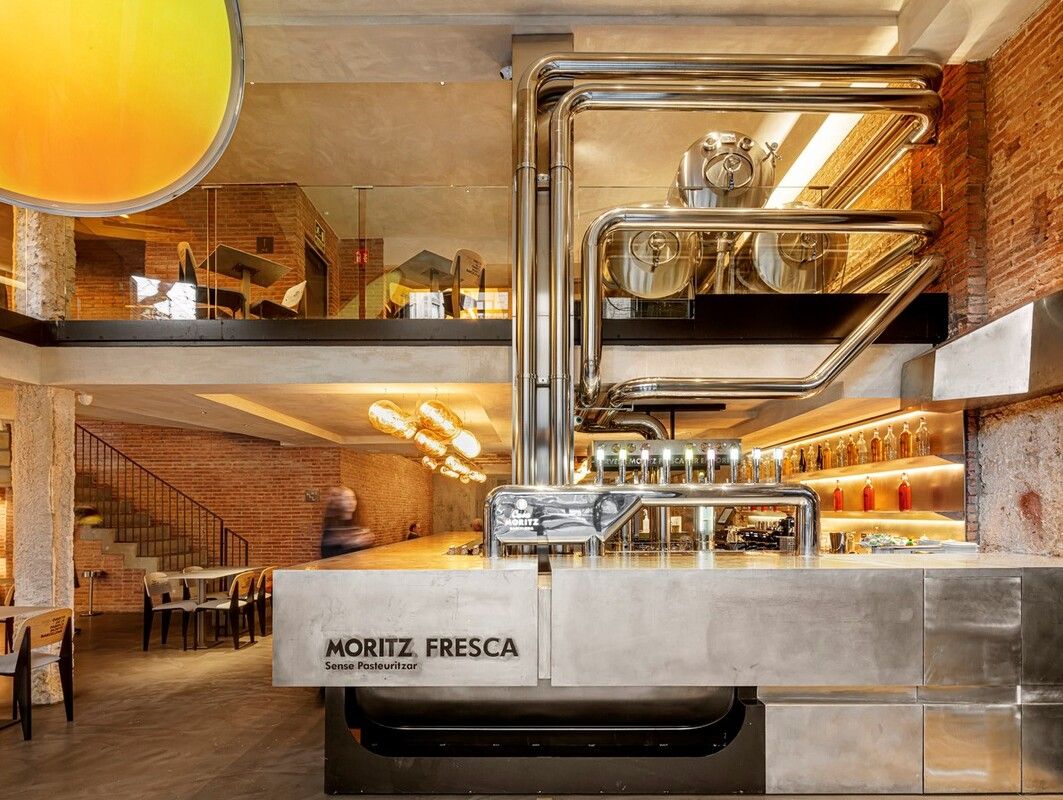
"The Alkimia project marks a before and after in my career as an architect and designer"--- What trends will we see this year in interior design? Personally, I'm not much into trends, they don't interest me, I don't believe that design goes by trends, it goes by concepts and ideas. Trends are everywhere, there's always a more impactful visual repertoire through social media and these are trends that generate themselves and people feed off them almost instantly, but I'm not a trend-seeker, I'm more about generating content.Trends are generated by others and are linked to a temporary event that, frankly, does not interest me.
"Working in community is a healthier and more enriching act than doing it from home"--- And what will homes be like? While in theretailand in thehospitality, we look for an experience that should mark you in a short time and stay in your memory, in the domestic space we look for the opposite.Homes have to celebrate harmony, peace. Here we are radical in the search for a warm, friendly and functional space, where the senses relax and allow you to recharge to start another day. They will be places where comfort is prioritized, where air quality will be a fundamental parameter, they will be highly technological, but they will have silent technology, at your service, but invisible.
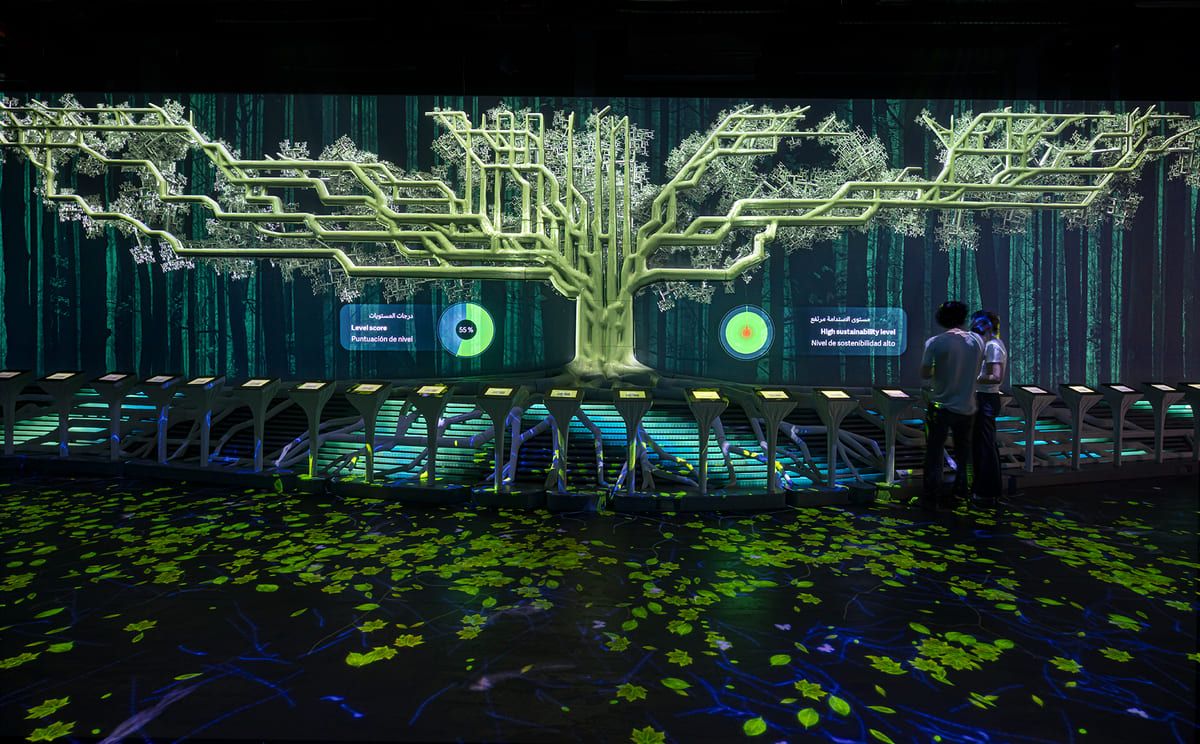
"It is often complicated for a client to accept the economic increase that building a sustainable project entails"--- There are new materials…When we can truly innovate and contribute our vision, we use a material for which we are ambassadors,Wearpure.tech, a bioplastic material derived from corn that absorbs CO2 and toxic substances from the air. This materialWearpure.techit can be applied to any surface, it is unique in the world, and printed in 3D it allows to transmit aesthetic values that follow our research in parametric design and digital research. The natural conclusion of our formal research work is to print in 3D.--- Photo-bioreactors, how do they work?Part of our research linked to sustainability is the use of photo-bioreactors, with microalgae that have a much greater oxygenation effect than normal vegetation. That is why we propose technological gardens where bioreactors can be activators not only for oxygen production, but also for the production of Biofuel and nutrients. For example, to produce a beef steak you have to produce an enormous amount of CO2, while to make vegetable protein of this type, you absorb CO2 and generate oxygen. That is, you improve air conditions and, in addition, you generate protein. These are some of the research directions we are carrying out from External Reference:alternatives to microplastics, the use of mycelium that we have applied in the IAAC…returning to bioreactors, with the Russian company NTT we have produced an oxygen concentrator that enhances the power of microalgae, and through bioreactors, they are capable of generating all the oxygen contained in a room. This is a more sophisticated solution than the one presented in the Spain Pavilion at Expo Dubai 2020, where we carried out the exhibition design.
Add The New Barcelona Post as your preferred Google source for free
Stay informed with the latest news.
