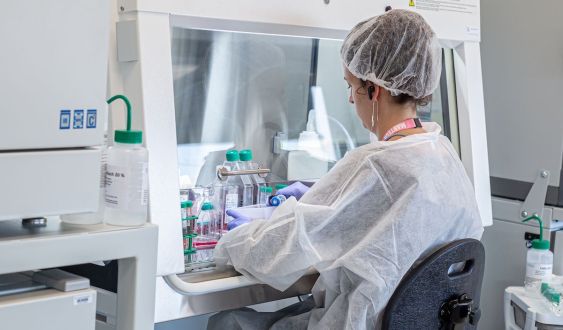
Laura is a scientist, wears a white coat, and rarely leaves her laboratory. She has the ambition to improve society, so she focuses on all the details of her research. But she still doesn't know where it will lead her. Alongside her team, every day she asks questions and tries to obtain answers and evidence. She records the process, notes the data and information. It's years of trials and years of errors and one day, perhaps, a substantive change appears. A detail that makes the difference.
In Barcelona entrepreneurship is undertaken from laboratories through spin-offs with solid foundations in scientific and technological research. Barcelona's ecosystem of research centers has not only boosted local economic growth but has also contributed significantly to the advancement of sectors such as biotechnology, artificial intelligence, and health. And the role of women like Laura has been decisive.
Catalonia, with its rich tradition in scientific and technological research, is an international benchmark in the transfer of knowledge to the business sector. However, when the participation of women in this ecosystem is analyzed in detail, imbalances emerge that call for reflection and action.
In Catalonia's university and research centers, women constitute 55% of predoctoral staff, an encouraging figure that shows how young researchers are opting for science as a viable career. But this figure drops drastically to 27% when we talk about research group leaders. This pattern is repeated in the university sphere, where only 30% of research is led by women, and only 34% of research groups have female leadership.
These figures highlight a structural problem that affects the professional progress of women in science and in entrepreneurial drive. The recent report Women in the Entrepreneurial Ecosystem of Spain 2024, prepared by the ONE Platform, makes it clear: although women increasingly show greater intention to undertake, the number of those who manage to found or lead startups remains stagnant.
Startups founded by men attract more investment, have larger contact networks, and continue to be perceived as more "serious" or "ambitious" bets.
In 2023, 10.9% of women in Spain expressed their intention to undertake, a figure higher than the 8.8% recorded the previous year. This growth is promising. It shows that the female entrepreneurial spirit is alive, active, and determined to add value. But when we look at how many of these intentions turn into innovative business projects, we find an unmoving figure:only 20% of innovative startups have female founders. Worse still, only 8% are founded exclusively by women.
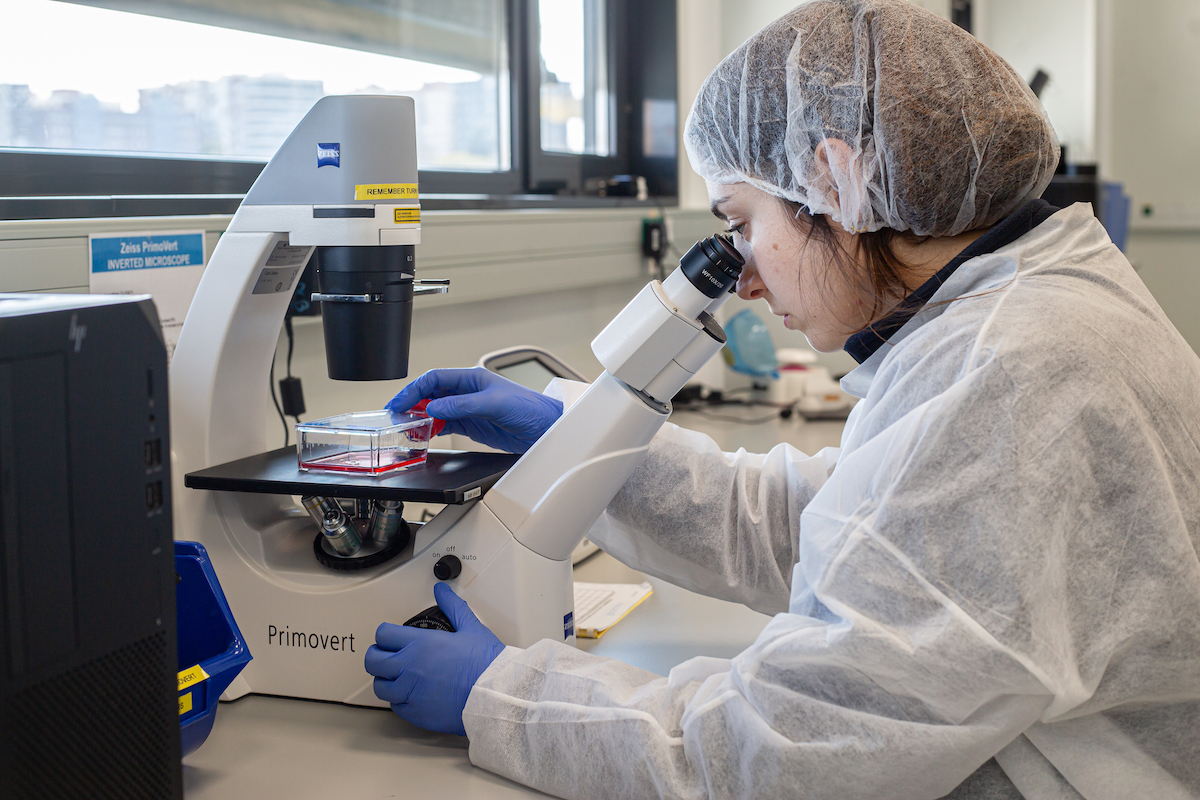
What hinders this transformation? It's not a lack of ideas or talent. The motivations are clear: autonomy, social impact, work-life balance. Female entrepreneurs not only want to innovate, they also seek to do so with a transformative purpose. So, why do they remain so far from the center of the startup ecosystem? The answer is as structural as it is cultural: access to funding continues to be much more difficult for women. Startups founded by men attract more investment, have larger networks of contacts, and continue to be perceived as more "serious" or "ambitious" bets. The bias is real, although it is rarely openly acknowledged.
There is also an invisible trap in the narrative of female entrepreneurship: it is valued and celebrated... as long as it doesn't take up too much space. We applaud female entrepreneurs in "soft" sectors or with social impact, but it is much harder for them to scale in technological industries, receive multi-million dollar investment rounds, or be among the "unicorns" of the Spanish landscape. Fortunately, something is moving in Barcelona. Networks of business angels like WeRockCapital created by Helena Torras and Ana Rebollo, Sheblooms, or WA4STEAM are helping to change the rules of the game, offering training, funding, and visibility to entrepreneurs with solid and disruptive projects.
Add The New Barcelona Post as your preferred Google source for free
Stay informed with the latest news.