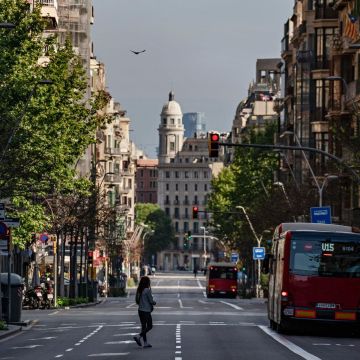
Barcelona is an open, cosmopolitan city, and this diversity is mirrored directly in its shopfronts. According to the Observatory of Tourism in Barcelona, the city welcomed 16 million visitors in 2025. In the hotel sector, the United States was the leading international source market with 1.16 million tourists, followed by the United Kingdom, France, Italy, and Germany. These figures help illustrate the global scale of the footfall animating the city’s primary retail thoroughfares.
Alongside these short-term visitors are residents of varied backgrounds, as well as local and metropolitan shoppers. For fashion brands, the ongoing challenge lies in decoding this coexistence of audiences: individuals with vastly different budgets, aesthetic reference points, and purchasing behaviours. Country of origin may offer some clues, but on its own it fails to explain what each shopper is looking for or what they will ultimately purchase.
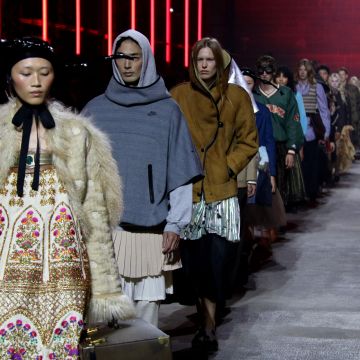
In the midst of fashion week, with runway presentations at 080 Barcelona Fashion scheduled from 20 to 23 October, it is an opportune moment to observe how this diversity plays out at street level. For fashion can also be read through the city itself: each retail axis blends brands, price points, and experiences that endow it with a personality all its own.
For fashion can also be read through the city itself: each retail axis blends brands, price points, and experiences that endow it with a personality all its own.
Pelai: trends and accessibility
Carrer de Pelai can be understood as one of the primary entry points to accessible fashion in the centre. Its direct connection to Plaça de Catalunya and key transit routes fosters a fast-paced shopping style driven by novelty and convenience.
Youth fashion, footwear, and accessories largely define its profile. Even so, reducing its footfall strictly to teenagers would overlook its broader appeal: on-trend offerings at accessible price tags also resonate with students, young professionals, and shoppers across older age demographics. Here, the ability to continually refresh collections and convert window-shopping interest into in-store footfall is particularly decisive.
Portal de l’Àngel and Barnacentre: sportswear turns into style
Along Portal de l’Àngel and its surrounding streets, sportswear and casualwear continue to gain prominence. The presence of New Balance and Salomon along the very same avenue illustrates this shift: trainers and technically inspired garments now command an ever-larger place in everyday wardrobes. This positioning rubs shoulders with high-street giants and the eclectic retail mix across the streets of Barnacentre. The result is an environment where sport, urban culture, and fashion trends meet.
Against this backdrop, digitally native labels such as Nude Project prompt reflection on another industry shift: the physical store as a relationship hub. Community, editorial content, and brand loyalty may well take root across social media, but the brick-and-mortar storefront gives them tangible reality. The customer journey itself becomes part of the product.
Rambla de Catalunya: identity and an unhurried shopping experience
Rambla de Catalunya displays a particularly compelling blend of Catalan and Spanish labels, European fashion houses, and shops with singular character. Names including Yerse, eseOese, System Action, and Mus & Bombon bolster a mid-market proposition with a clear sense of identity.
It can be viewed as an axis where design, perceived quality, and attentive service carry significant weight in the buying decision. There is no single aesthetic or demographic bracket, but rather ample space for concepts that seek to build an enduring bond with their patrons.
The interplay of boutiques, terraces, and the tree-lined promenade encourages a noticeably slower pace. For brands, this setting provides the room needed to better articulate their vision and weave themselves seamlessly into the city's daily rhythms.
Passeig de Gràcia: luxury and international showcase flagships
Passeig de Gràcia pairs international high luxury with sprawling flagship stores from mainstream retail giants. This coexistence is central to its commercial clout: it concentrates international renown, landmark architecture, and brands capable of engaging very different clienteles.
The boulevard presents a continuous succession of commercial formats. Mass-market flagships pursue maximum visibility and transaction volume; luxury houses deliver, alongside prestige, exclusivity, bespoke clienteling, and brand storytelling. Sharing the avenue links these varied retail encounters within a unified route.
A prime example of this synergy between luxury and mass fashion is the collaboration between Santa Eulalia and Zara. The historic Passeig de Gràcia house lent its tailoring expertise to a limited capsule of six menswear shirts, produced in an 11,000-piece run distributed across 200 Zara stores worldwide. It is an initiative that projects Barcelona's sartorial legacy globally, while showcasing how two brands addressing distinct markets can find common ground in design and craftsmanship.
Shopping centres within the urban fabric
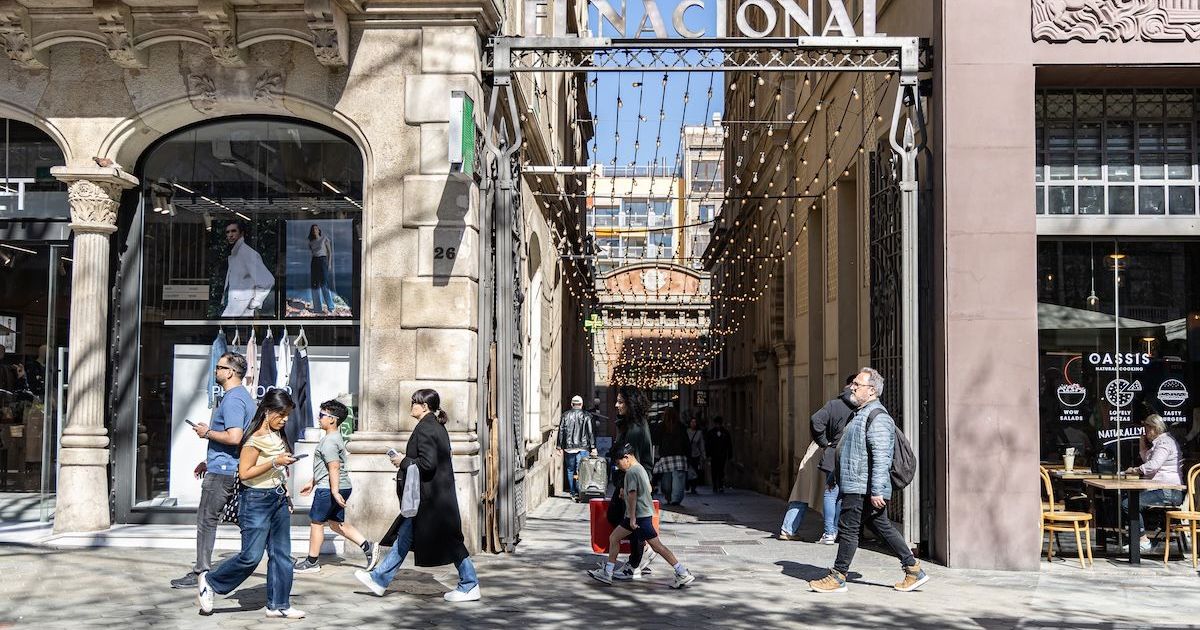
Shopping centres integrated into the urban core round out the retail mix, combining fashion, services, dining, and entertainment. Their ongoing challenge is to deliver an engaging visitor experience while sustaining strong ties with their surrounding neighbourhoods.
When a label selects a retail unit, it also commits to adjacent shops, transport links, and local amenities. Joining a local traders' association brings the added value of community: sharing best practices, spearheading collaborative ventures, and working together to animate the high street. This cooperation enables retailers to gain a sharper understanding of their customer base and reinforce the enduring appeal of each commercial district.
Joining a local traders' association brings the added value of community.
Fashion gives character to our streets, and the streets in turn shape the brands that trade along them. Barcelona must leverage its international standing to foster a diverse retail ecosystem, where global flagships, emerging designers, and neighbourhood shops deeply rooted in local community life can thrive side by side.
Add The New Barcelona Post as your preferred Google source for free
Stay informed with the latest news.