
Strength training at 90 years old, increasingly informed conversations about long-term nutrition, questions about the secret of those who live past a hundred; food supplements to sleep better, accompany menopause, or reduce stress. Biohacking to optimize energy and technology that monitors, almost in real-time, our daily habits. Just a few years ago, all this seemed like a discourse from the future, and today, it is already part of everyday life.
Barcelona is quietly weaving an industry to respond to one of the most relevant social and economic transformations of the coming years: longevity. And the figures that explain this new scenario are not minor. Catalonia currently registers 3,051 centenarians, the highest figure since data has been available, according to the latest figures from Idescat; and Barcelona adds its own record with 1,104 residents aged 100 or more, 9.6% more than the previous year, according to the City Council. These data are not a demographic curiosity: they are a signal. The age structure is changing and, with it, the needs, services, and priorities of our cities.
But longevity is not a matter reserved for the most advanced ages. It affects all people who today wonder how they will live the coming decades in terms of health, autonomy, and well-being. It means talking about prevention, habits, access to services, and urban models capable of accompanying longer and more active lives. And it also means assuming that it is not just about living more years, but about living them better.
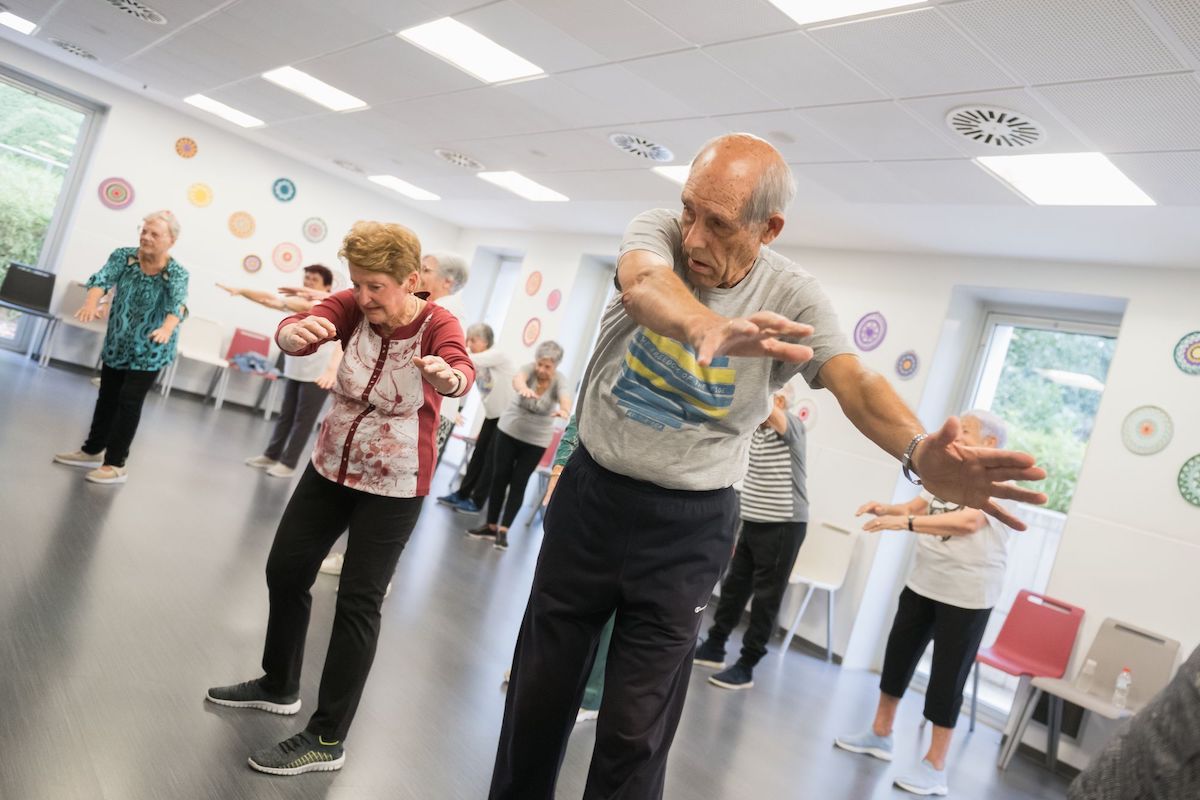
Fifteen years ago, talking about prevention, proactive health, or advanced nutrition was almost countercultural in Barcelona. Scientific evidence was less accessible, the market was just emerging, and the discourse of longevity sounded distant, almost futuristic. Today, the mindset has changed profoundly, and even more so in our city: science is advancing at great speed, and people are looking for comprehensive solutions that connect nutrition, rest, exercise, emotional well-being, and technology.
It is precisely in this scenario where one of the fastest-growing sectors is that of advanced nutrition and food supplements, which already exceeds 2,000 million euros annually in Spain and has grown again compared to the previous year, according to Afepadi and IQVIA. Catalonia stands out as one of the most dynamic poles in the country, with a concentration of companies, research centers, and talent that drive innovation in this sector. It is not just a consumption phenomenon, but a reflection of how people are increasingly more informed and willing to invest in quality of life.
Longevity, economic driver
Barcelona concentrates a life sciences ecosystem that places it among the most dynamic poles in Southern Europe: more than 1,500 companies and 93 research centers linked to the sector, with nearly 60,000 professionals, according to data from the City Council. Added to this are a solid healthcare system, consolidated technology hubs, international talent, and a lifestyle that functions as a natural well-being laboratory.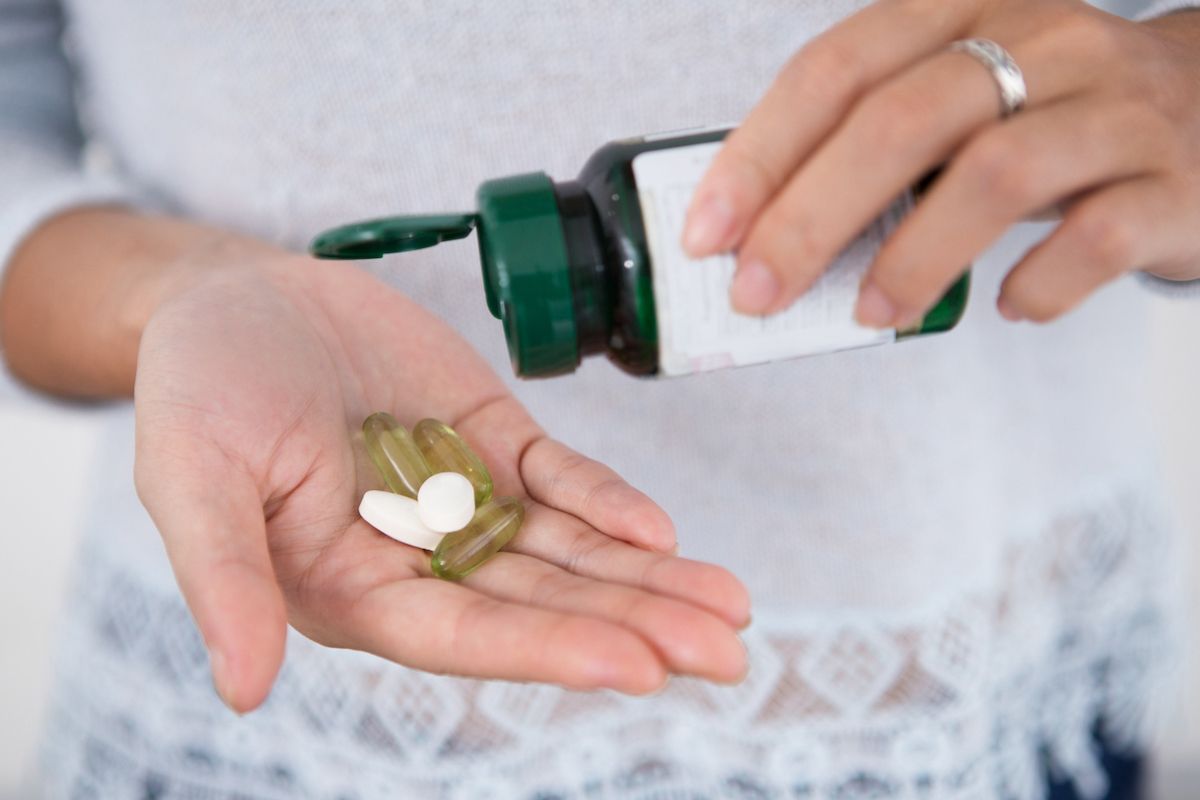
On this basis, projects are developed that combine personalized nutrition, biomarkers, digital monitoring of well-being, and preventive programs that integrate diet, movement, rest, and emotional health. The opportunity for the city is evident, although it is not without challenges: ensuring access to prevention and preventing innovation from generating new inequalities will be key.
Barcelona has all the ingredients to lead this new longevity economy. The question now is how the city will seize this opportunity to turn longevity into a driver of well-being, inclusion, and economic development, demonstrating that living longer is not just a demographic challenge, but an opportunity to rethink the city, health, and quality of life for all people.
Add The New Barcelona Post as your preferred Google source for free
Stay informed with the latest news.