
I recently had the opportunity to visit Boston, a city that has been able to bring together, in a very small physical space, one of the most powerful concentrations of knowledge in the Western world. And when I speak of knowledge, I do not do so in abstract terms, but in terms of economic impact, business transformation, and real capacity for innovation.
In the center of Kendall Square, buildings house some of the world's most innovative companies in biotechnology, technology, robotics, deeptech, and artificial intelligence. But what is impressive is not only the quality of the companies. It is the urban continuity between these corporate buildings and the academic buildings of the Massachusetts Institute of Technology.
There are no symbolic borders. There is no physical separation. The campus streets connect schools, laboratories, and research centers with careful urban planning, with public spaces designed for encounters, with squares that incorporate sculptural landmarks, and with residential buildings for students. Everything is within reach.
Density and proximity
These two concepts are key to understanding how innovation occurs. Innovation is not born only from individual talent, but from constant, almost inevitable, interaction between people who think differently but share space. Physical proximity facilitates informal exchange, spontaneous conversation, and shared projects. And density generates too much criticism.But I would add a third element: uses. The content. The content is as important as the container. It's not just about having modern buildings or districts labeled as innovative. It's about filling them with real activity, applied research, technology transfer, companies with global ambition, and services that help transform ideas into business projects.
Boston does not only have excellent universities. It has developed a true knowledge industry. It has understood that research is an economic asset and that talent is its main strategic resource. And it has built an ecosystem aimed at making it possible for ideas to move from the laboratory to the market quickly, with funding, and with support.
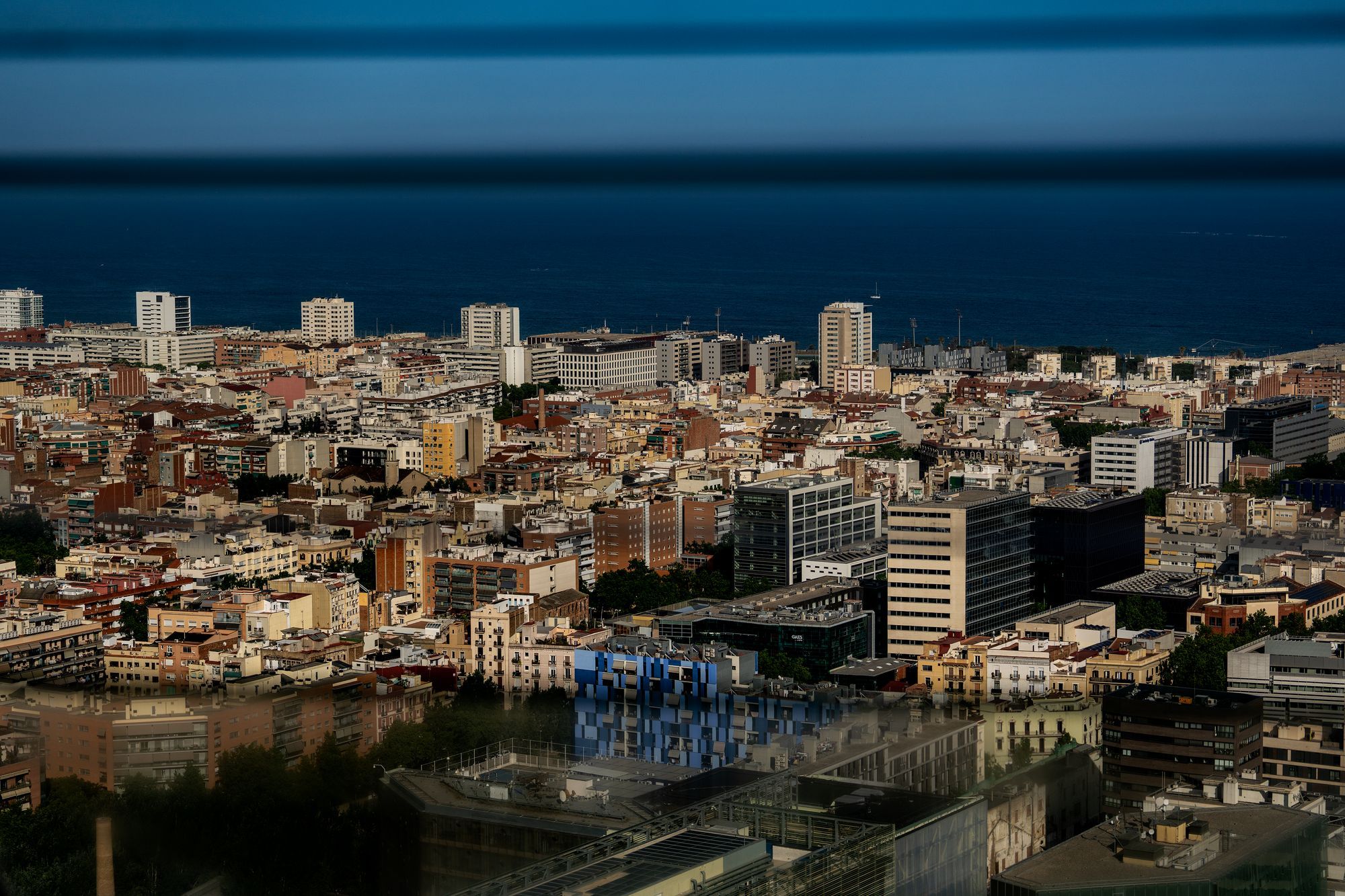
Boston and Barcelona are twinned. They are two coastal cities, with quality of life, with international attraction capacity. In both, the great driver is talent. And inevitably, visiting Kendall Square, I have thought of 22@.
22@ was born with a transformative vocation: to convert an old industrial district into a hub of knowledge-intensive economic activity. The question we have to ask ourselves today is not whether we have the potential —which we do—, but whether we are creating the optimal conditions for this potential to translate into a true knowledge industry.
Barcelona also has this opportunity. But innovation does not occur by spontaneous generation. It needs certain conditions.
It needs proximity between business and academia. And not just formal collaboration, but real coexistence. It needs multidisciplinarity: scientists, engineers, humanists, entrepreneurs, investors and managers sharing projects. It needs a high density of students, doctors, postdocs and technology companies. It needs regulatory and administrative flexibility. It needs results and impact orientation.
Knowledge is not just a cultural or academic asset; it is a strategic industryWhen we talk about urban competitiveness in the 21st century, we are not just talking about physical infrastructures. We are talking about ecosystems capable of retaining and attracting global talent. We are talking about the ability to generate high value-added companies. We are talking about sustainable economic impact and qualified jobs.
Knowledge is not just a cultural or academic asset. It is a strategic industry. And as such, it needs planning, governance, shared vision and long-term commitment. The future of cities will not be played out only in tourism, nor in traditional services, nor in logistics. It will be played out in the ability to convert talent into innovation and innovation into prosperity.
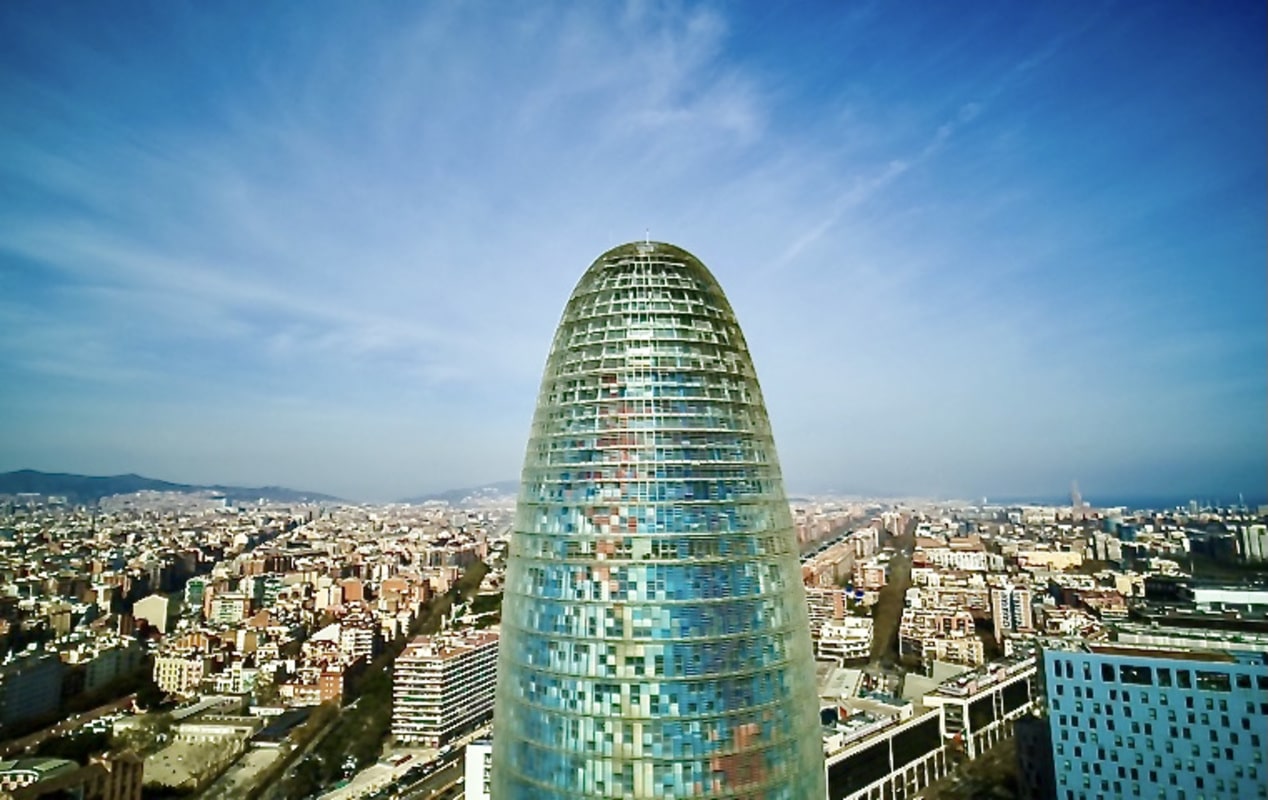
Barcelona can do it. It has the ingredients. It has the right dimension. It has the brand. It has the talent. But a clear commitment is needed to reinforce density, guarantee real proximity between actors, and provide the system with the necessary flexibility to compete with the best.
If we want 22@ —and other areas of the city— to consolidate as true global innovation hubs, we must go beyond urban planning. We must understand that we are building a knowledge industry.
Density. Proximity. Flexibility. Three words that can define a city strategy. And, above all, a way of understanding the future of Barcelona.
Add The New Barcelona Post as your preferred Google source for free
Stay informed with the latest news.