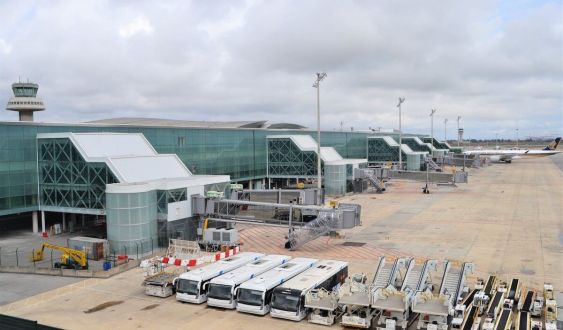
Air traffic continues at a minimum due to the crisis caused by the pandemic and airports remain deserted, with few passengers in their corridors and few planes taking off. The absence of the hustle and bustle of before, with the coming and going of millions of travelers, does not stop the work at Barcelona Airport, which has just finished the works to reform the south wing of Terminal T1, which began at the end of 2018.
With an investment of more than 48 million euros, the executed works have allowed to convert a space originally intended for regional flights to accommodate large aircraft, which allow operating intercontinental routes. When T1 opened in 2009, there were very few flights of this type, but the growth registered by the infrastructure has changed the situation. Ten years after its inauguration, El Prat Airport connected with 47 destinations in America, Asia, Africa and the Middle East, representing 70% of total traffic.
As explained by the Airport director, Sonia Corrochano, during a visit to the new south dock of T1, the reform has consisted of adding five new contact positions for this type of aircraft, with a larger size than those intended for regional flights, bringing the total to 13 positions. Likewise, four new boarding pre-gates have been built and a fifth has been expanded, all of them equipped with mobile walkways, the fingers, which allow a faster and more comfortable connection.
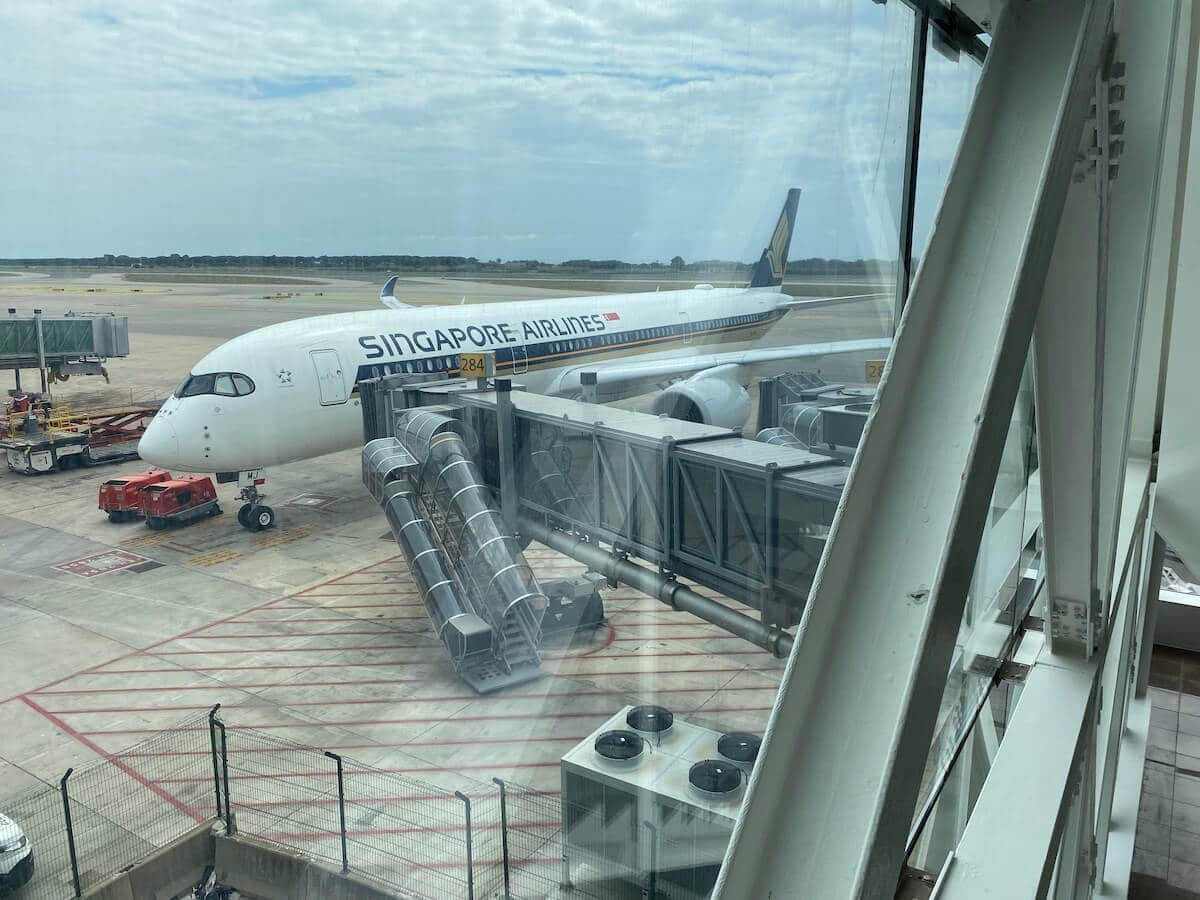
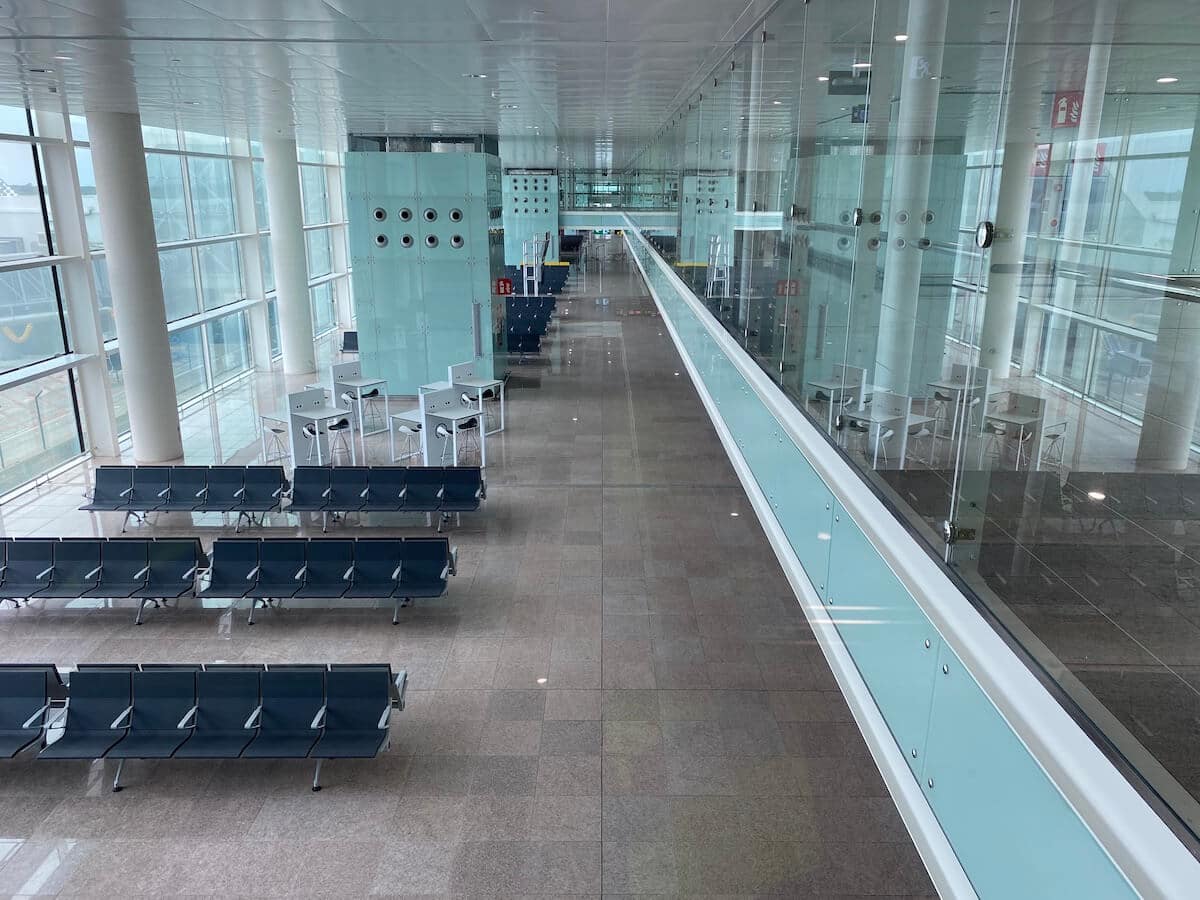
On the other hand, this area of T1 has gained two more floors, which will allow separating the flow of different types of passengers. The lower level, the one that already existed before the works, will be for departing and arriving passengers on domestic flights and those from the Schengen area. Travelers from outside the Schengen area will be on the second floor, which will be for arrivals, and on the third, for departures. On this last level, a space has also been set up for controls for people who want to go to the United States.
Corrochano has framed these works within the adaptation being made to the infrastructure to convert it into an intercontinental hub and has not failed to recall the expansion that must be undertaken to ensure it. This issue has caused divisions for years between Aena, the Generalitat, and the neighboring municipalities, especially due to the potential impact on the towns of Castelldefels and Viladecans and on the protected area of La Ricarda. The Airport director has insisted on the urgency of finding a solution that allows for increased capacity, just as Aena's president, Maurici Lucena, did a few weeks ago.
Add The New Barcelona Post as your preferred Google source for free
Stay informed with the latest news.
