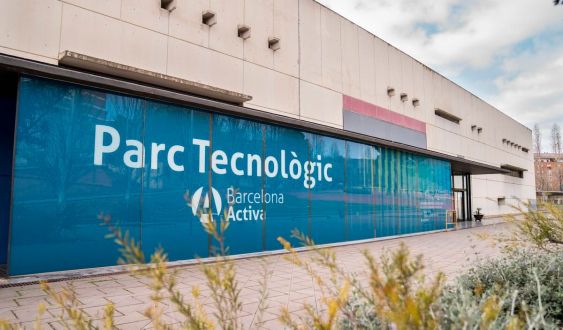
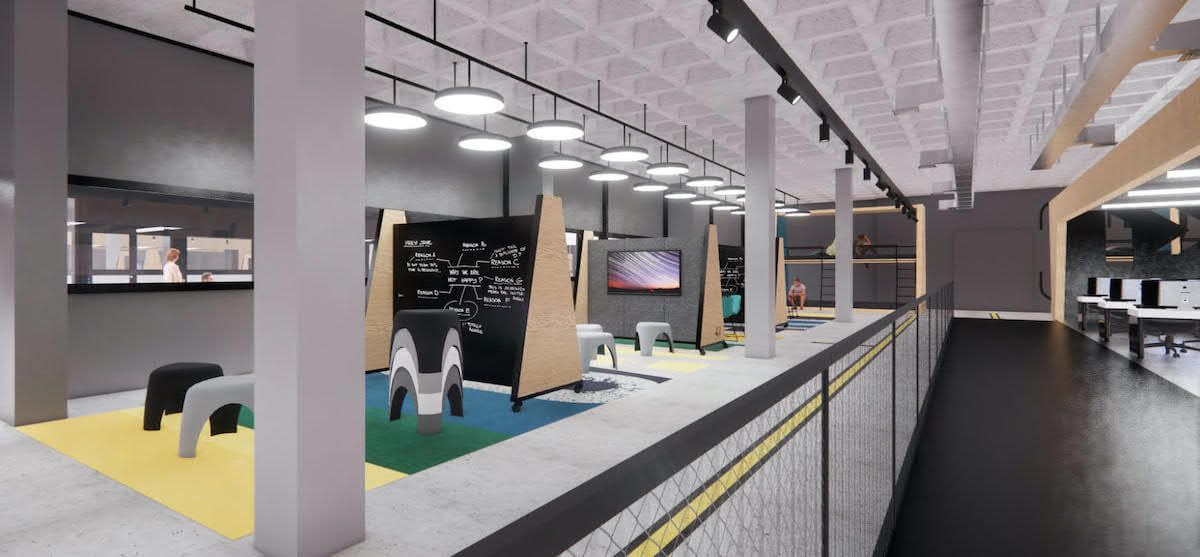
The digital sector in Barcelona and its metropolitan area is becoming one of the most cutting-edge in Europe, positioning the city increasingly at the top levels of many rankings. But one of its main shortcomings is the lack of professionals to respond to the growth this sector is experiencing. In Barcelona alone, between 2017 and 2019, the demand for digital profiles increased by 80%, while the supply only did so by 30%. Fundación Telefónica, the Barcelona City Council, and the Generalitat have joined forces to remedy this, promoting the free training campus 42 Barcelona in the Parc Tecnològic de Barcelona Activa, with capacity to train 600 students in a space of 1,622 square meters.
[subscribe_newsletter_esp]
This new programming academy, which will begin its activity in the second half of 2021, will prepare its students in technologies such as cybersecurity, big data, artificial intelligence, blockchain, and the Internet of Things, anticipating the professions that will become fundamental in an increasingly near future. To do so, it uses a pioneering pedagogical model, based on gamification and collaborative work. The traditional figures of teacher and classes do not exist, and each student freely sets their own learning pace, being solely responsible for whether they advance or not through the different levels they must overcome. Evaluation also does not involve conventional exams, but rather the analysis that peers make of each other's work, eliminating the possibility of continuing without others and individually, and fostering shared and collaborative learning.
Anyone who wants to can access 42 Barcelona: no prior training or technical knowledge is required, there is no age limit ---one must be of legal age---, it is free, and the campus is open 24 hours a day, every day of the week, without schedules. There is also no entrance exam, but candidates must pass "the pool," a 26-day period in which prospective students must face different challenges to see if this methodology adapts to their way of learning and if they feel comfortable.
The 42 model was founded in Paris in 2013, when the IT industry was affected by a great shortage of programmers. This methodology has been expanding internationally, in more than 20 countries, such as Italy, Belgium, the Netherlands, Finland, Morocco, Russia, Brazil, Colombia or Japan. In the different campuses around the world with this philosophy, success is unquestionable: 100% of the participants in their courses find work and receive an average of eight job offers during the time they participate in the program.
Example of public-private collaboration
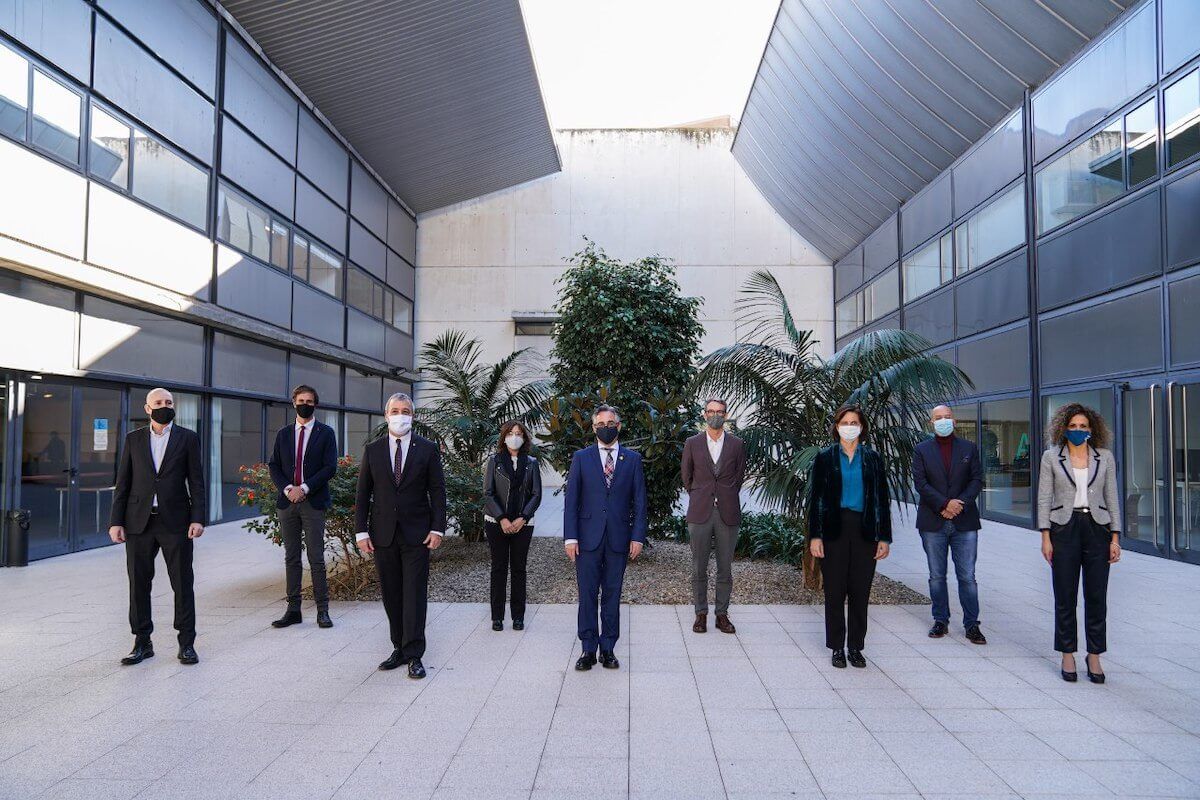
The new 42 Barcelona campus has been promoted by Fundación Telefónica, the Barcelona City Council and the Generalitat. At the presentation of the initiative, both the first deputy mayor of Barcelona, Jaume Collboni, and the Minister of Business and Knowledge, Ramon Tremosa, as well as the general director of Fundación Telefónica, Carmen Morenés, have applauded the good understanding that has existed between the different actors to promote it. "It is a case of public-private collaboration that we must celebrate," Tremosa remarked.
For Collboni, this project will also serve to continue boosting the Nou Barris district, where the Barcelona Activa Technology Park is located, strengthen Barcelona's capital status in the technological and digital landscape, and attract talent and investment, an objective for which he has pointed out that the different institutions and companies are completely aligned.
Add The New Barcelona Post as your preferred Google source for free
Stay informed with the latest news.
