In 2026, Barcelona not only celebrates its architecture: it makes it a city theme. Designated World Capital of Architecture by UNESCO and the International Union of Architects (UIA), the Catalan capital undertakes a full year of programming —from February 12 to December 13— that places it as the international epicenter of the debate on the future of architecture, urbanism, and landscape.
More than an event, Barcelona 2026 is a city and country project. A choral initiative supported by the Barcelona City Council, the Generalitat de Catalunya, and the Ministry of Housing and Urban Agenda, which has mobilized 170 entities from the architectural, cultural, and educational fabric to build a bottom-up program, rooted in the neighborhoods and open to the world.
A program rooted in the neighborhoods and open to the world
The World Capital of Architecture unfolds through more than 200 projects that translate into more than 1,500 activities. There are 143 exhibitions, more than 500 routes and guided tours, 300 debates and conferences, 140 workshops, and about sixty proposals that connect architecture with dance, music, cinema, or theater."The capital status unfolds through more than 200 projects that translate into more than 1,500 activities"
The educational program has a specific weight, with more than 600 workshops for children and young people, initiatives such as Architecture in the classrooms —which brings architects to educational centers— or The city we want, where students imagine the Barcelona of the future through participatory processes. This transversal approach is reinforced by the involvement of key actors such as the College of Architects of Catalonia (COAC), the College of Technical Architecture of Barcelona (CATEB), ArquinFAD, Construmat-Fira Barcelona, and 48h Open House Barcelona, as well as all university schools linked to architecture and space design.
One of the distinguishing features of the project is its decentralizing will. Each district of Barcelona becomes, for one month, a reference headquarters for the World Capital, highlighting its architectural identity and its vital rhythm. During the month of February, the protagonist district is Eixample, and in March it will be Les Corts.
-
Eixample: Library and CC Fort Pienc
-
Les Corts: the Civic Center Joan Oliver "Pere Quart"
-
Sants-Montjuïc: La Lleialtat Santsenca
-
Nou Barris: Former Mental Institute of Santa Creu
-
Horta-Guinardó: La Casa de les Altures
-
Sant Martí: Oliva Artés. Barcelona History Museum
-
Sarrià-Sant Gervasi: Rei Martí Water Reservoir
-
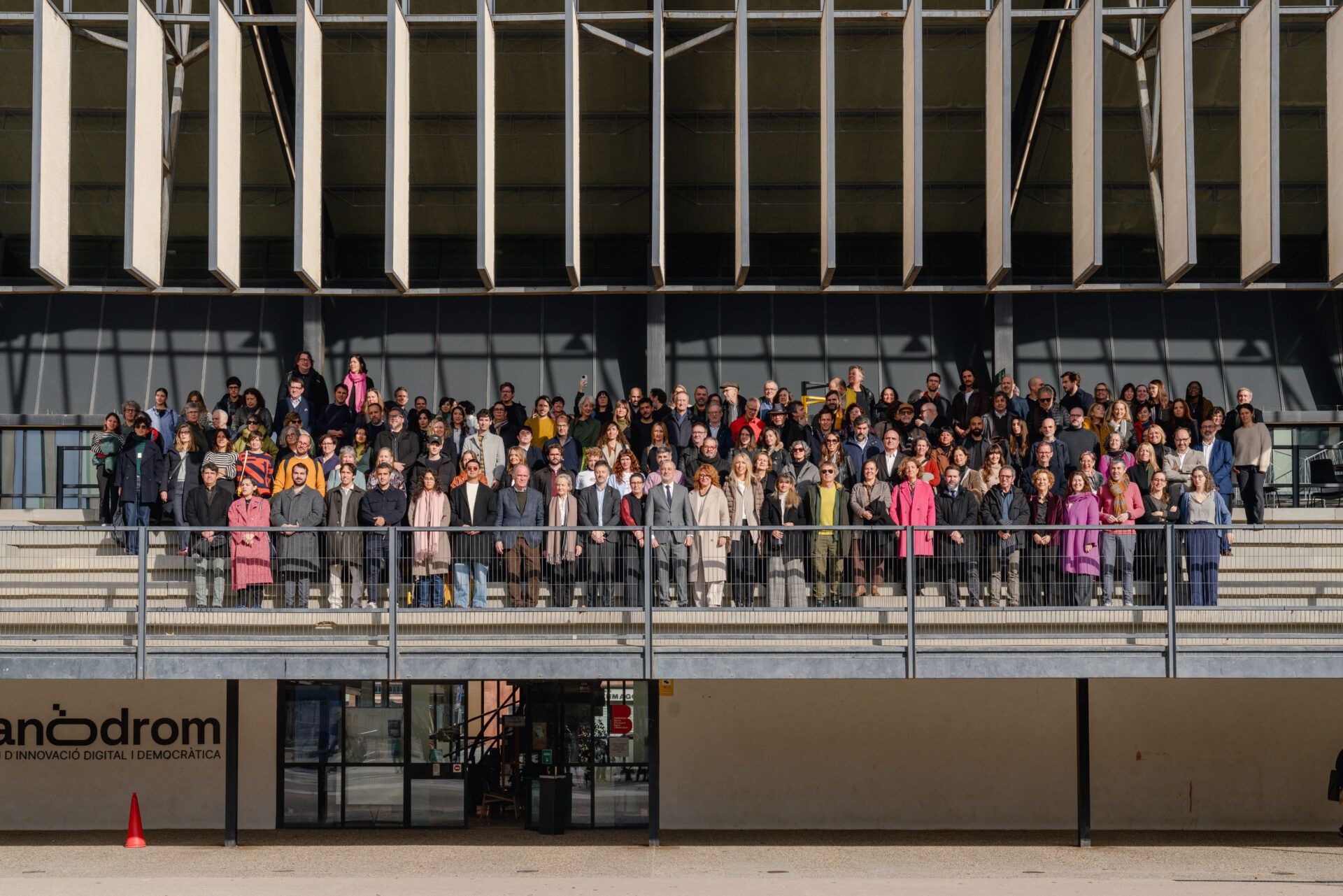
Sant Andreu: El Canòdrom
-
Gràcia: The Gràcia District Headquarters
-
Ciutat Vella: El Born. Barcelona History Museum
Barcelona, the only city to repeat
Barcelona is World Capital of Architecture because it hosts the UIA 2026 World Congress of Architects, which will be held from June 28 to July 2. Thirty years after having been its headquarters in 1996, the city becomes the only one in the world to repeat as host.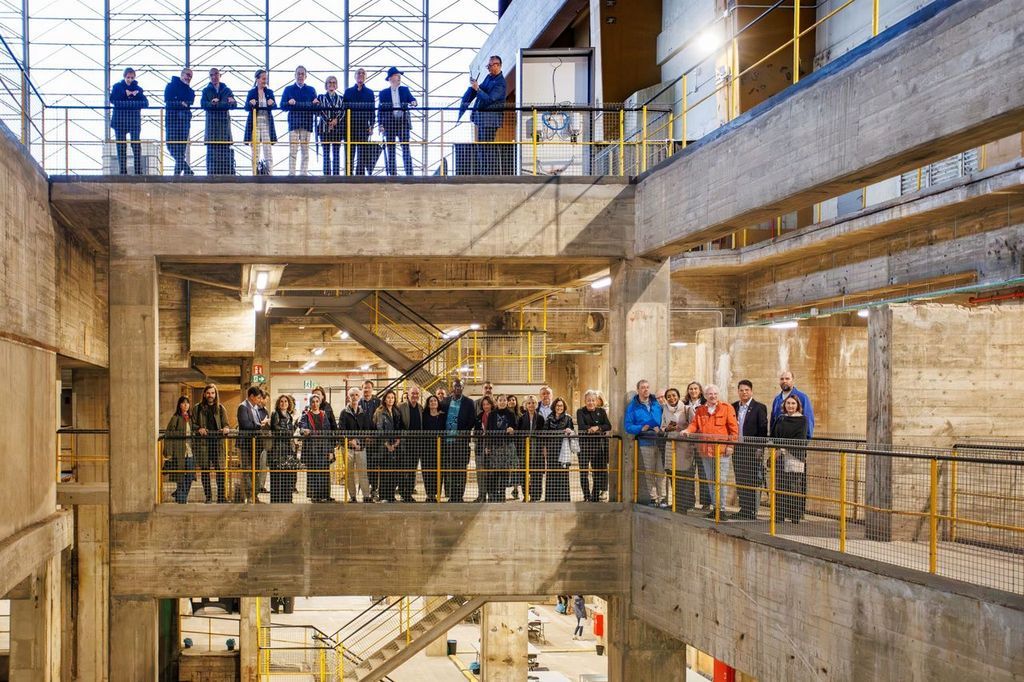
A tangible legacy: the new model of Barcelona and the transformation of party walls
Beyond the calendar of activities, Barcelona 2026 will leave a permanent legacy. On the one hand, the rehabilitation of ten party walls —one in each district— through an international competition for young architects, which will transform blind facades into new urban pieces with criteria of efficiency, sustainability, and architectural quality.
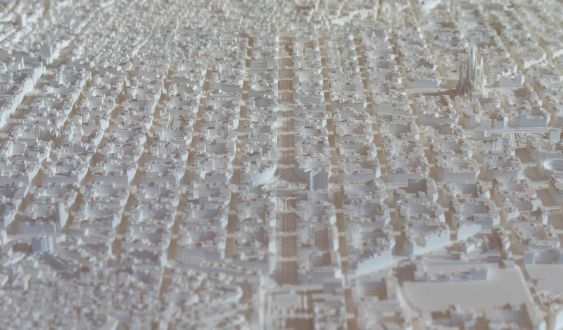
On the other hand, the city once again has a large urban model. The project Barcelona Plan 2026–2035, entirely 3D printed, has been installed in the former headquarters of the Gustavo Gili publishing house and is now open to the public. Conceived as an interactive platform, it allows reading the Barcelona of the past, understanding that of the present, and projecting future scenarios. Promoted by the City Council, the model becomes a new reference space for understanding urban evolution and reinforces the pedagogical and participatory will of the World Capital. The model has been financed by the Consorci de la Zona Franca and coordinated by the Model Workshop of the Vallès School of Architecture (ETSAV) of the UPC.
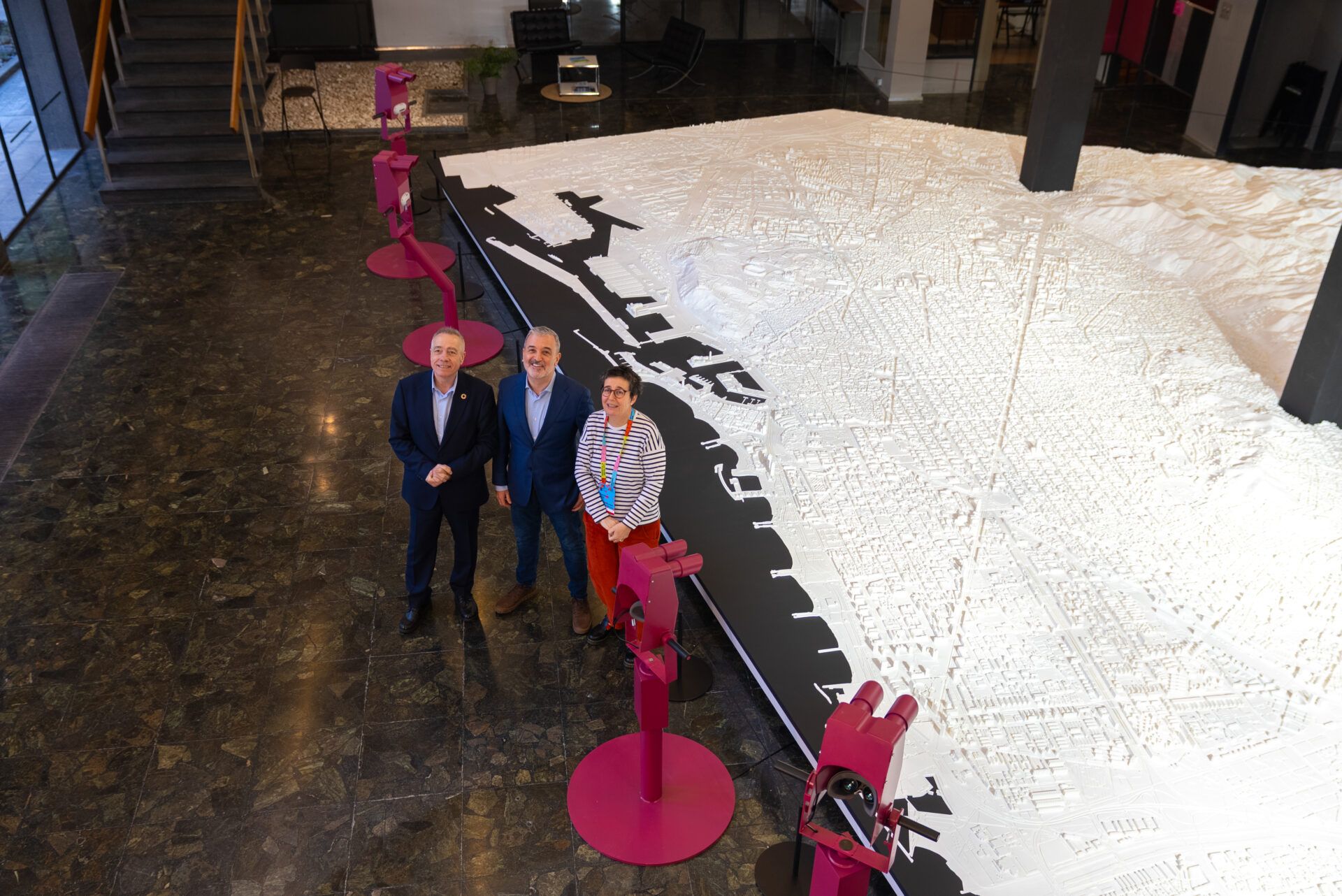
With a total area of 84 m², the model has been manufactured using digital printing in 1,204 pieces that fit together like a puzzle. The model covers the territory between the old mouth of the Llobregat river and the new port of Badalona, offering a precise and detailed recreation of Barcelona and its metropolitan surroundings. The model can be visited from Tuesday to Sunday from 10:00 to 19:00, in the former headquarters of the Gustavo Gili publishing house.
Do you want to know all the details of the Capitality program? You can consult the complete agenda and sign up for activities at barcelona.cat/capitalmundialarquitectura.
Add The New Barcelona Post as your preferred Google source for free
Stay informed with the latest news.
