The work lines of the pharmaceutical group AstraZeneca in the field of preclinical research for cancer treatments will be completed this year with the participation in the scientific project José Baselga Innovative Disruption Program, developed by Vall d'Hebron Institute of Oncology (VHIO).
The Anglo-Swedish group will invest around six million euros in this scientific program, which focuses on opening new lines in cancer research, with special attention to personalized medicine to care for patients suffering from this pathology.
AstraZeneca has been working for several years with Vall d'Hebron Institute of Oncology, a center directed by Dr. José Baselga until his death in March 2021. Baselga, in turn, was global head of R&D in oncology for this international company in the pharmaceutical sector.
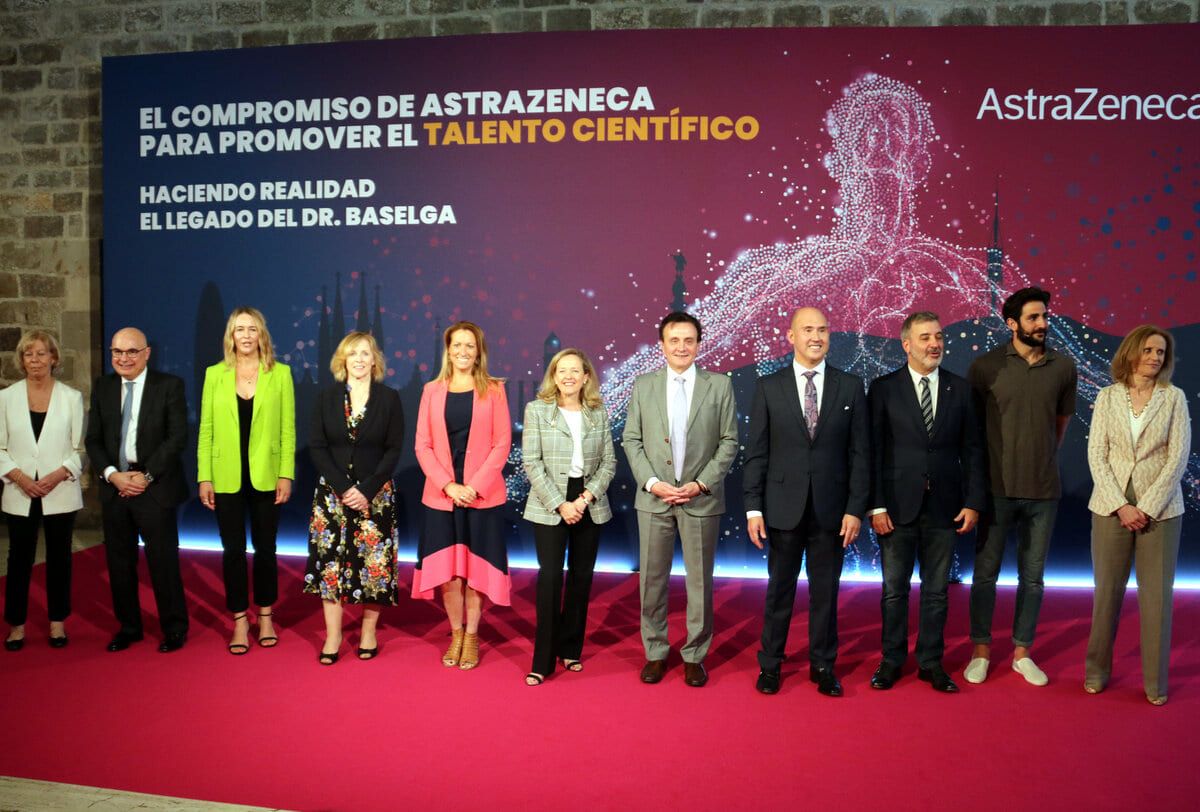
The president of AstraZeneca in Spain, Rick R. Suárez, highlighted the work and legacy of Dr. Baselga and VHIO and emphasized its importance in preclinical research and, also, "its contribution to local scientific talent", a task to which the pharmaceutical company joins. Suárez made these statements during the meeting AstraZeneca's commitment to promoting scientific talent. Making Dr. Baselga's legacy a reality, held in Barcelona.
The top executive of the group in Spain stated that Spain and Catalonia have a "formidable" ecosystem in scientific innovation and the fight against cancer, to which AstraZeneca contributes with investments like the one announced and which adds to the more than 93 million that the pharmaceutical company invested in 2021 in Spain. The company has 326 clinical trials open in Spanish hospitals, of which 64 were initiated in the last year, making Spain the second global market and first in Europe for the group in conducting clinical trials, only behind the United States.
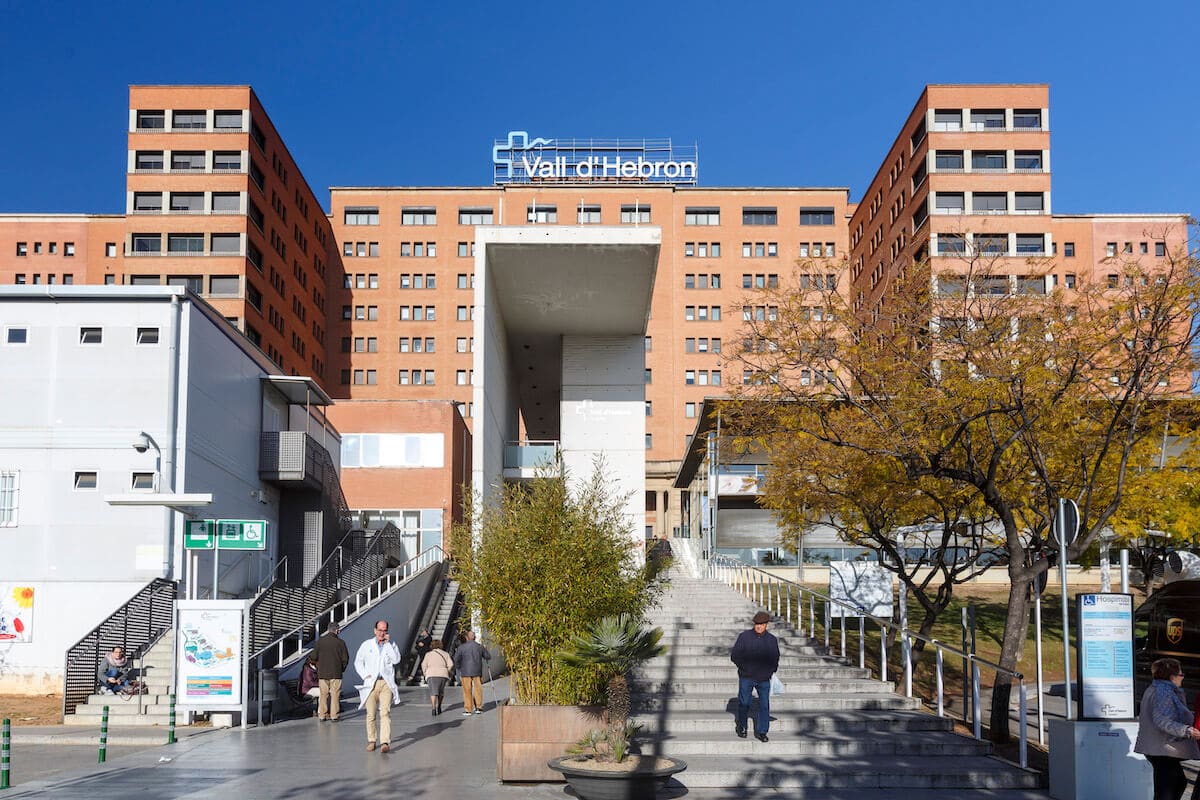
The high level of the centers and the talent of researchers and medical professionals are fundamental for AstraZeneca's work, according to the multinational's CEO Pascal Soriot, who highlighted the role of patients and their availability to participate in the development of clinical trials, as a key element for the success of research.
For these and other reasons, Spain has become the second most important market for AstraZeneca's advances. Hence the commitment to Barcelona, where the multinational has an R&D center for the clinical development of inhaled drugs for the treatment of respiratory diseases, and has recently announced the opening of a clinical trials center to find new solutions for rare diseases, with an investment of 32 million euros.
Add The New Barcelona Post as your preferred Google source for free
Stay informed with the latest news.
