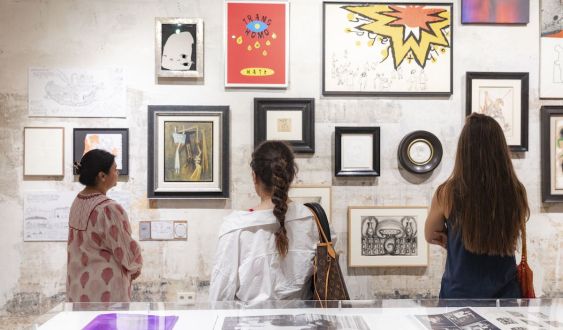
Barcelona has always had a complicated relationship with its own image. We historically debate between being a global capital that competes with Paris and London, or being a city that protects its more fragile neighborhood and creative fabric. Today, in the spring of 2026, that tension has ceased to be a coffee debate to erupt in the place where our greatest ambitions and failures are usually projected: contemporary art.
A month ago, Barcelona's galleries did something unprecedented: they closed their doors not due to a lack of visitors —attendance figures at openings are still acceptable— but due to an excess of political invisibility. While the public sector engages in a choreography of inaugurations and groundbreaking ceremonies, the private sector, which truly sustains artists' daily lives, has said enough.
On one hand, the MACBA celebrates its 16-million-euro foundations in the Raval, and the MNAC (National Art Museum of Catalonia) is executing its strategic plan towards the centenary of the 1929 Exhibition with its expansion towards the Victoria Eugenia Pavilion. But on the other hand, the sector that truly drives the career of a local artist is suffocated by a 21% VAT that seems designed by someone who hates collecting.
The museum is the end of the road; the gallery is the training, promotion, and sustenance.For example, in France, the VAT on the import and first sale of art objects is a competitive 5.5%, while in Spain, the market is burdened by a tax system that treats contemporary art as a luxury item, comparable to a yacht or a high-end car, and not as a cultural asset.
This has led to an unprecedented capital flight. Catalan collectors prefer to buy at fairs in Basel, Paris, or London, where the tax burden is lower. Barcelona's galleries not only compete against institutional disinterest but also against a legal competitive disadvantage that is erasing them from the international map. "We are not picture shops; we are managers of artists' careers," a veteran gallerist recently commented. And he is right: without the gallery, the local artist does not reach the museum. The museum is the end of the road; the gallery is the training, promotion, and sustenance.
Barcelona in 2026 is a city of fierce contrasts. On one hand, we have the institutional narrative with museums that aspire to be international beacons, expanding square meters to house collections that, ironically, often depend on the research and archiving of those very galleries that are now being established. Institutions are in "expansion mode," but run the risk of becoming beautiful containers empty of local soul.
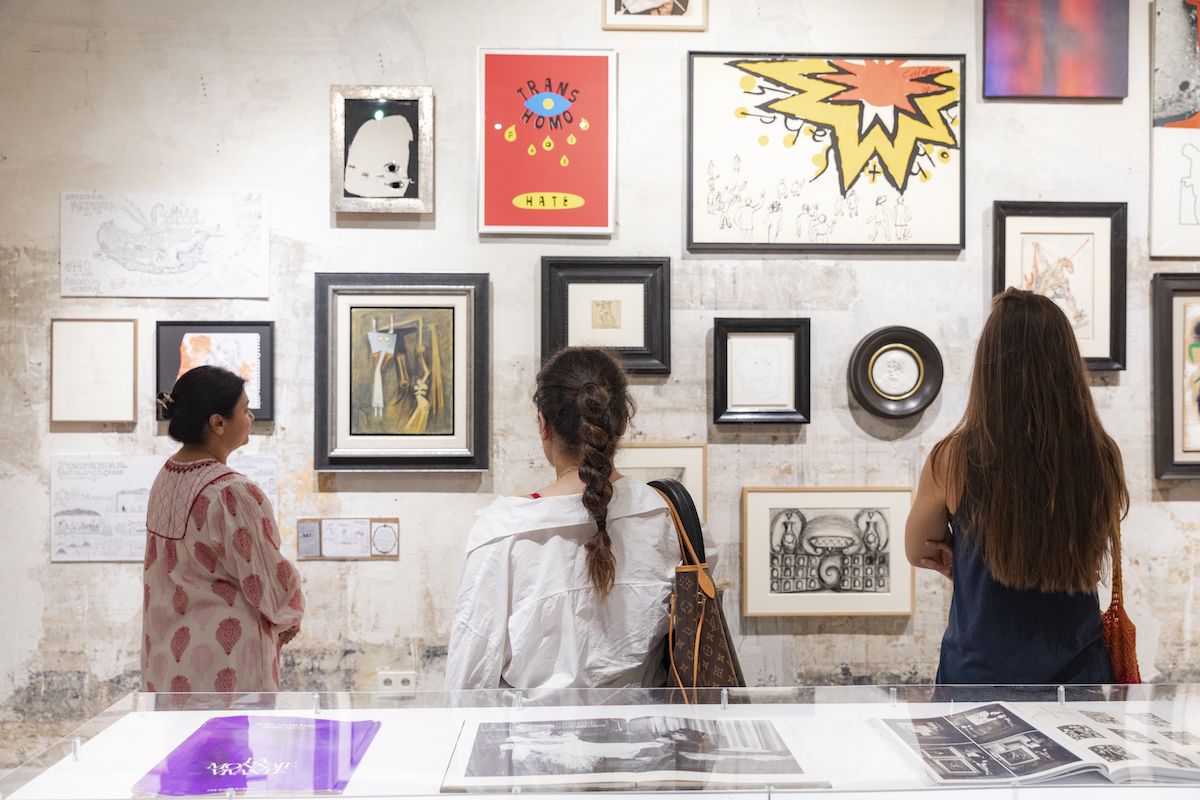
Given Barcelona's real estate pressure —where the price per square meter of commercial premises has risen 12% in the last year due to the proliferation of coworking offices and convenience stores—, art has sought refuge in the periphery.
L'Hospitalet is no longer the plan B; it is the center of gravity. There, among industrial warehouses and shared studios, art does not wait for permission from the City Council. It is an organic ecosystem that survives despite the system, not thanks to it.
We cannot pretend to be a contemporary art capital if we treat galleries as mere luxury stores and museums as architectural theme parksHere, the architecture is industrial, rents are (still) reasonable, and there is a real synergy between artists' studios and exhibition spaces. What Barcelona is losing due to its own institutional inertia, L'Hospitalet is gaining through pragmatism. However, this success is also a double-edged sword: the shadow of gentrification already looms over the neighborhoods of Santa Eulàlia and Pubilla Cases.
The current conflict is a symptom of an announced divorce. In 2026, the gallery owners' association has said enough. The strike of document management services proposed at the beginning of the year has jeopardized several anthological exhibitions scheduled for the fall. The message is clear: if the public system ignores the precariousness of the private market, the private market will stop subsidizing the excellence of museums with its free labor. We cannot pretend to be a contemporary art capital if we treat galleries as mere luxury stores and museums as architectural theme parks.
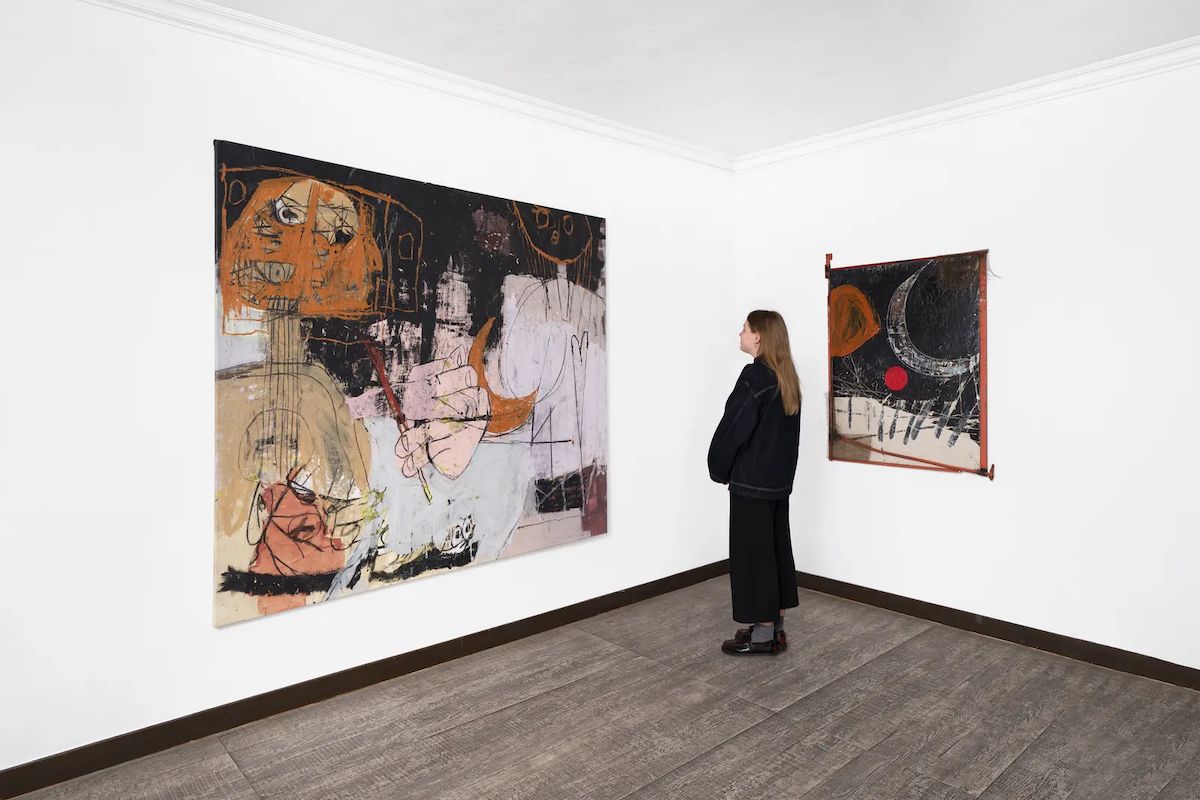
Barcelona has the talent and infrastructure, but it lacks cohesion. A healthy ecosystem is one where the museum buys what the gallery discovers and the collector supports. If we continue to only feed the foundations of large buildings while letting the shutters of galleries rust, we will end up with a city that is very beautiful to look at, but completely empty of its own content.
The big question floating in the air of culture newsrooms is: do we have the content and operating budget to fill so much container?
What good are the new walls of MACBA if the fabric that should fill them is mortally wounded? Barcelona needs fewer square meters of concrete and more creative "kilometer zero". Less expansion and more protection. If we do not take care of the primary market and independent spaces, we will end up with spectacular museums to simply exhibit the void we let go to Berlin.
Add The New Barcelona Post as your preferred Google source for free
Stay informed with the latest news.
