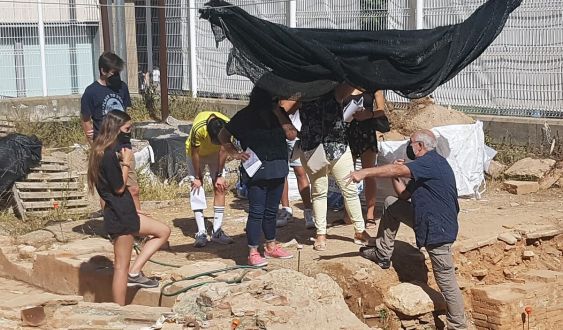
Hundreds of people come daily to the Faculty of Geography and History of the UB in the Raval to receive the covid vaccine. They do so right in front of a fenced plot where a university activity takes place under unique conditions for the students who enjoy it. Most of those who come to receive their dose against the virus barely notice its existence. Only the most curious take a look and discover what is brewing there.
It is an archaeological practice site, where students learn to excavate, extract, identify, and later classify all pieces of historical interest they find. Of course, there are more practice fields, but none is, so to speak, at the classroom door. These days, moreover, the university has decided to reopen the site to the public, in a series of organized visits to promote archaeology and open the faculty's activities to the city.
The last visit took place last Friday and the next one is scheduled for tomorrow. Professor Josep Maria Gurt and students Carla Ferrer and Helena de Villasante acted as guides for about fifteen citizens who had previously registered. The excavation does not uncover any spectacular Roman or medieval remains, but rather the workshop of the 18th-century ceramist Antoni Tarrés, one of the most famous in Barcelona at the time, whose work can still be seen today in many nearby buildings in the Raval.
The discoveries being unearthed are not yet enough for an Indiana Jones movie, but they are a very special experience for future archaeologists and allow documenting what life was like in Barcelona in the late 18th and early 19th centuries and, above all, unraveling the entire ceramic manufacturing process.
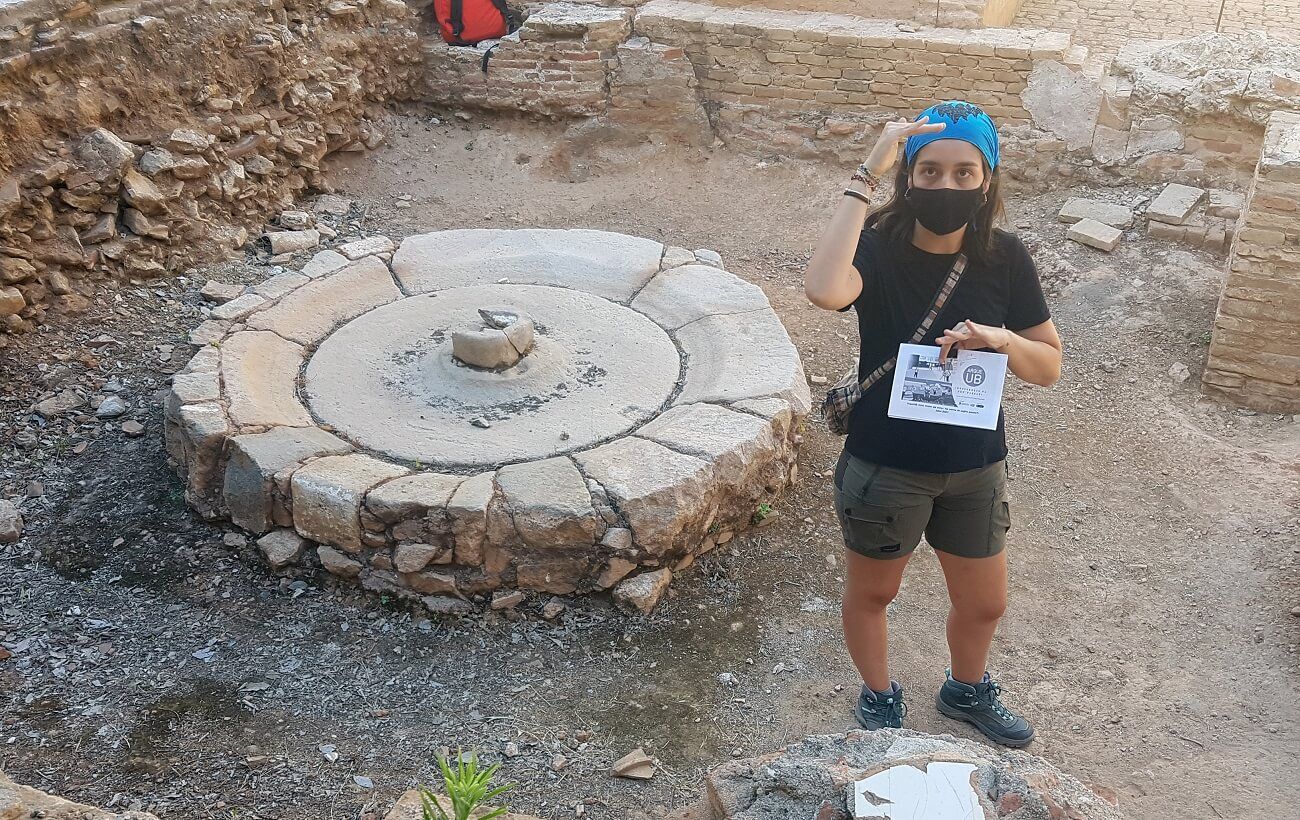
The site was prepared for practices in 2014, four years after the Archaeology degree was created. It began to open to the public in 2015. Its existence was known, so the university decided to preserve the plot undeveloped at the time, as it was a unique opportunity to have a field for archaeological practice within the educational campus itself. During the visit, Gurt and his students explain to the curious who Antoni Tarrés was ---his son continued his work until the workshop became used for textiles---, what type of ceramic pieces he manufactured, and what process he followed.
Soon the remains of several pools where the decantation of clay took place are visible. Very close by, what remains of two mills that were once powered by donkeys and used to prepare the glazed elements also attracts attention. It is fascinating, largely due to the enthusiasm with which the professor, Carla and Helena manage to infect those who are new to archaeology. They make one think that they are seeing Tarrés work live. Well, almost a full-fledged time travel.
So far, thousands of pieces and fragments have been extracted from the site, thanks to the fact that, when the premises changed from ceramic to textile activity, all the material that the Tarrés left accumulated in the warehouse was used as backfill to level the ground. That is why the level of findings is very high and the certain order in which they were thrown allows documenting the evolution of the manufacturing process. All kinds of containers, tiles, balustrades, sculptural elements, floor tiles, and even a wedge-shaped urinal have appeared, like those that today, although made of plastic, are given to you in hospitals to use in bed during convalescence.
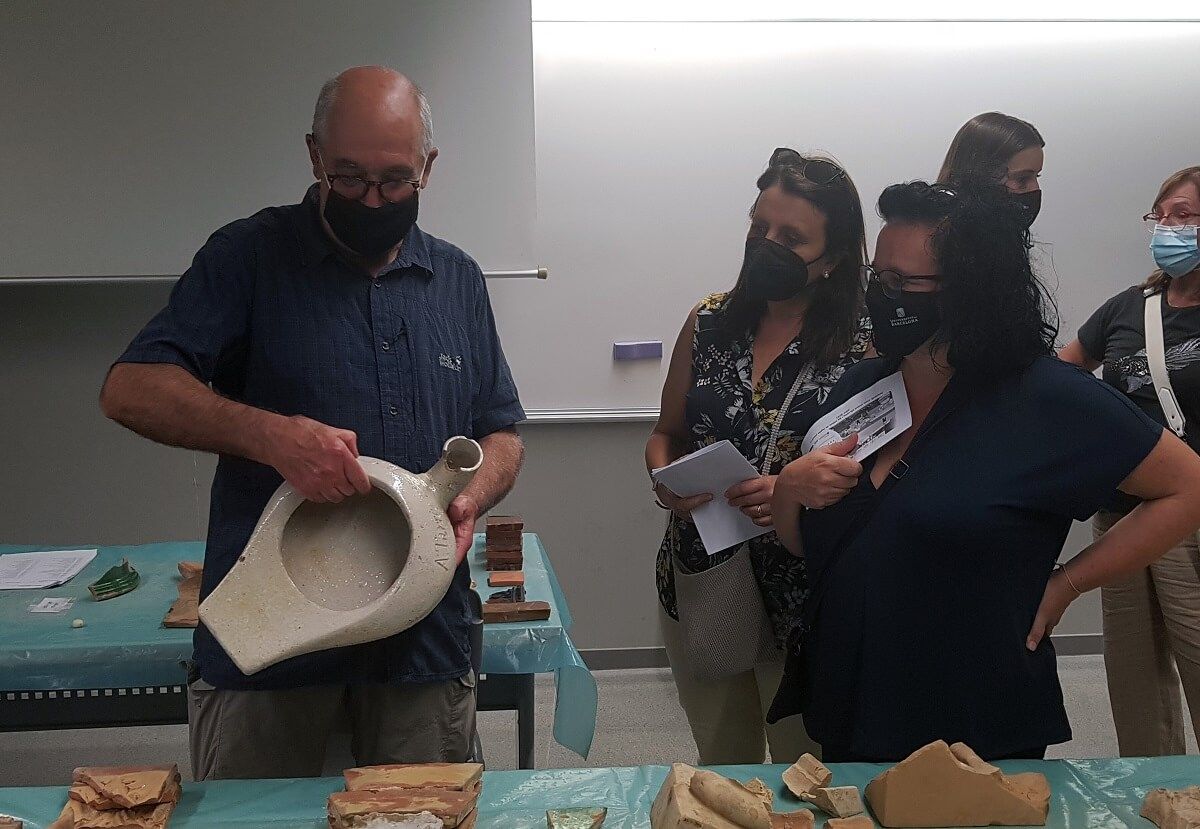
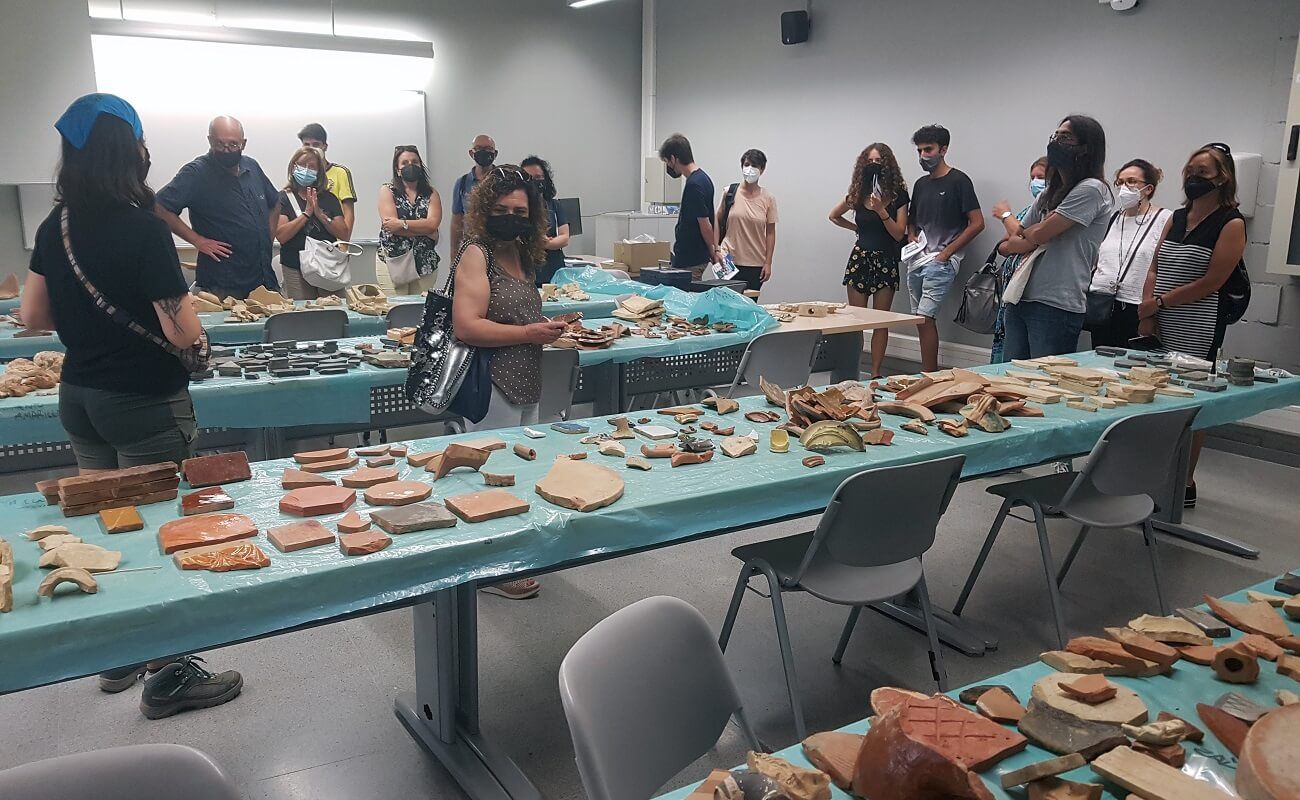
For safety reasons, the two perfectly preserved kilns found in the subsoil cannot be visited. The visit ends in one of the laboratories, already inside the faculty, where the unearthed remains are cleaned and classified.
Apart from the great formative work that this archaeological field at the foot of the classroom favors, the truth is that Antoni Tarrés will undoubtedly be the best documented non-current ---and Barcelona-born--- ceramist in history.
Add The New Barcelona Post as your preferred Google source for free
Stay informed with the latest news.
