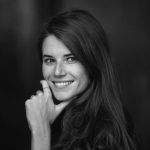
--- From a very young age, you appeared in high-level series and films such as Salvador (Puig Antich) or Mar de fons. Years later, you starred in the series Zorras or the musical play La Llamada and worked in series such as Amar es para siempre or Mar de plástico, among many others. How did this interest in acting and creativity come to you at such a young age?
--- It's not that there are creative people and non-creative people, but that we all are, but the adult world ends up taking it away from us. Some professions allow us to stay connected to that. I have always experienced acting as a game. I get into the story and then I come out, just like children do when they play.
--- At 24, you became a mother. Did this affect your acting career?
--- The word "affect" is complex. It put something on pause, but I was fine with it. I chose to be a mother and all the consequences of being a mother. What happens is that those consequences led me to activism. There's something in the world of acting where pregnancies are like chronic. I mean, you get pregnant and no one calls you because "Andrea is pregnant," but the reality is that your child might already be three years old. This highlights a lot of maternophobia. We have so much ignorance about the maternal process that we demonize it.
--- Your experience led you to activism.
--- Enthusiastic about that experience, suddenly, I came across a lot of things that happened to me that no one had told me about before. And I said: how can it be that all of humanity is experiencing this and no one is talking about it? So I shared it with some colleagues and they all told me that it happened to them too. I thought: we all live this and no one talks about this. So I decided to start telling it myself.
--- How was that process?
--- Lying in bed with my boyfriend, I cried and cried and cried because I didn't understand... And I thought: I have my boyfriend next to me who is awesome, I'm not alone... Those who don't have the resources, how do they do it? And I told him: I don't want any woman to ever be alone again. And that has been my motivation. My focus has been to do everything possible so that no woman is ever alone again.
--- And that's where it all began.
--- Yes, I created an Instagram account, separate from my actress one. I started organizing breakfasts, I trained as a doula and in mental health. I started to disseminate information and saw that I was good at explaining complex concepts in a simple way. And from there, I published my first book and created the space El refugi de las mares, in Barcelona, which is made up of a team of doulas, and we accompany pregnancy and postpartum groups.
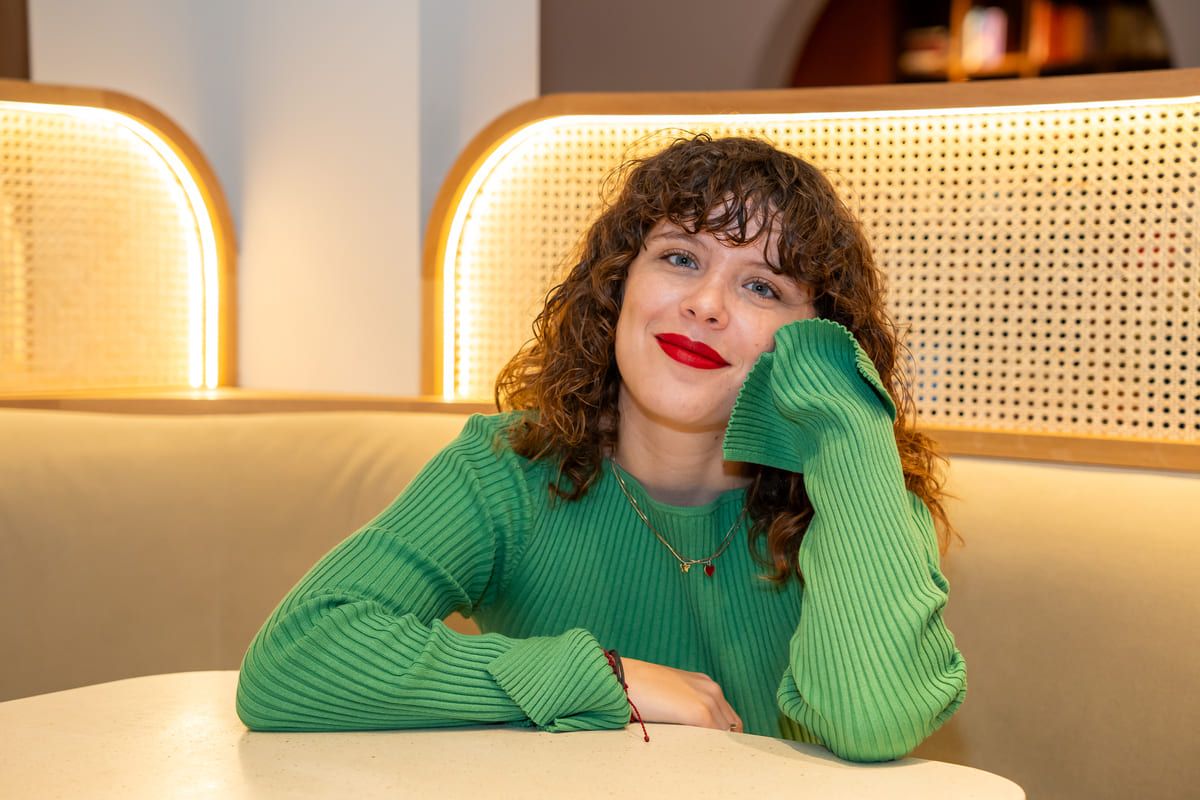
--- Did you confirm and corroborate that mothers felt alone?
--- With these groups, women feel that they are not crazy. You think that what is happening to you is only happening to you. When you realize that it's not, the relief is enormous. Also feeling that you belong to a group. Motherhood, matrescence, ---which is the brain change that occurs during motherhood--- is identical to adolescence. And what do we do in adolescence? You segregate into little groups: the preppies, the punks, the emos, because you need to reaffirm your identity. You need what is yours to be valid and everything else, you see as wrong.
"With pregnancy and postpartum groups, women feel that they are not crazy"--- And in motherhood, something similar happens…
--- You don't know who you are: your life has just exploded, your identity has completely changed. Your brain is different and you need to belong somewhere. You need to define yourself. That's why there's so much struggle between those who breastfeed, those who bottle-feed, those who co-sleep, those who don't... Because for mine to be good, yours has to be bad. Then you relax. After your baby is two or three years old, you know who you are as a mother and you say: it's true, the other one's not bad.
--- Historically, mothers have always suffered brutal demands. In your videos, you ironize about the concept of the millennial mother. What are the added demands that millennial mothers suffer?
--- Our mothers couldn't question what kind of mother they wanted to be because that generation's struggle was to be able to go back to work. This wave of feminism says: we have already achieved this achievement, now we want to mother as we want. We want to do it differently. That means we have to be a splendid mother, a splendid worker, a splendid partner... We need to be 27 people at once. We have a lot of demands and an excess of information, but we lack support. Information without support is useless.
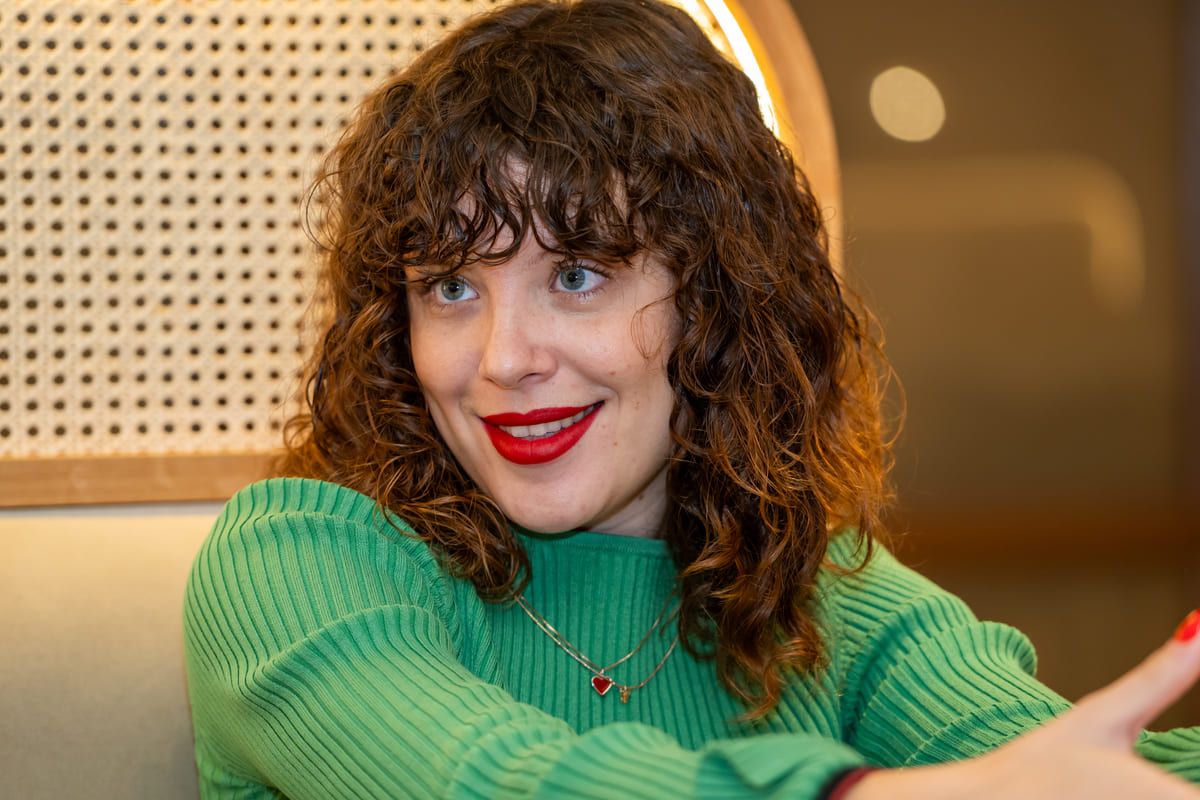
--- From all this comes the podcast of The Secret Life of Mothers. You started it a year ago on Podimo and it already has more than 37,000 followers. To what do you attribute this rapid success?
--- Paola Roig ---the podcast's co-host--- and I already had very powerful networks, we have a very intimate relationship with our followers. Those who follow us have been doing so for many years and have moved to the podcast. And what I told you before happens, but on a large scale. They think: someone is putting words to what I feel. Women don't have time to think because they are thinking about everything they have to do. So, suddenly, someone names me from humor, from rigor... And that's what we wanted with the podcast: to be rigorous with the information, but from a sense of humor.
"Millennial mothers have an excess of information but a lack of support"--- One of the demands made on mothers is physical. They are asked to have the same breasts, the same belly, the same body again, in record time.
--- Aesthetic violence against women occurs at all stages. Physical postpartum lasts approximately one year. Motherhood is an opportunity to honor the body. It's something we don't do because we are told we have to be thin and beautiful all the time. My body has done very important things. Just by being alive, your body is already valuable. But a woman's body is meant to be sexualized. So, if I can't sexualize you, you're not worth it.
--- Another key to the podcast's success is that you talk to well-known women like Irene Montero, Rigoberta Bandini, or Diana Gómez about their motherhood.
--- For me, Irene Montero's story is as important as the story of any of the women who accompany us every day, but I am very aware of the impact it has externally… We need role models. If this person I admire so much has gone through this, suddenly, I validate what happens to me.
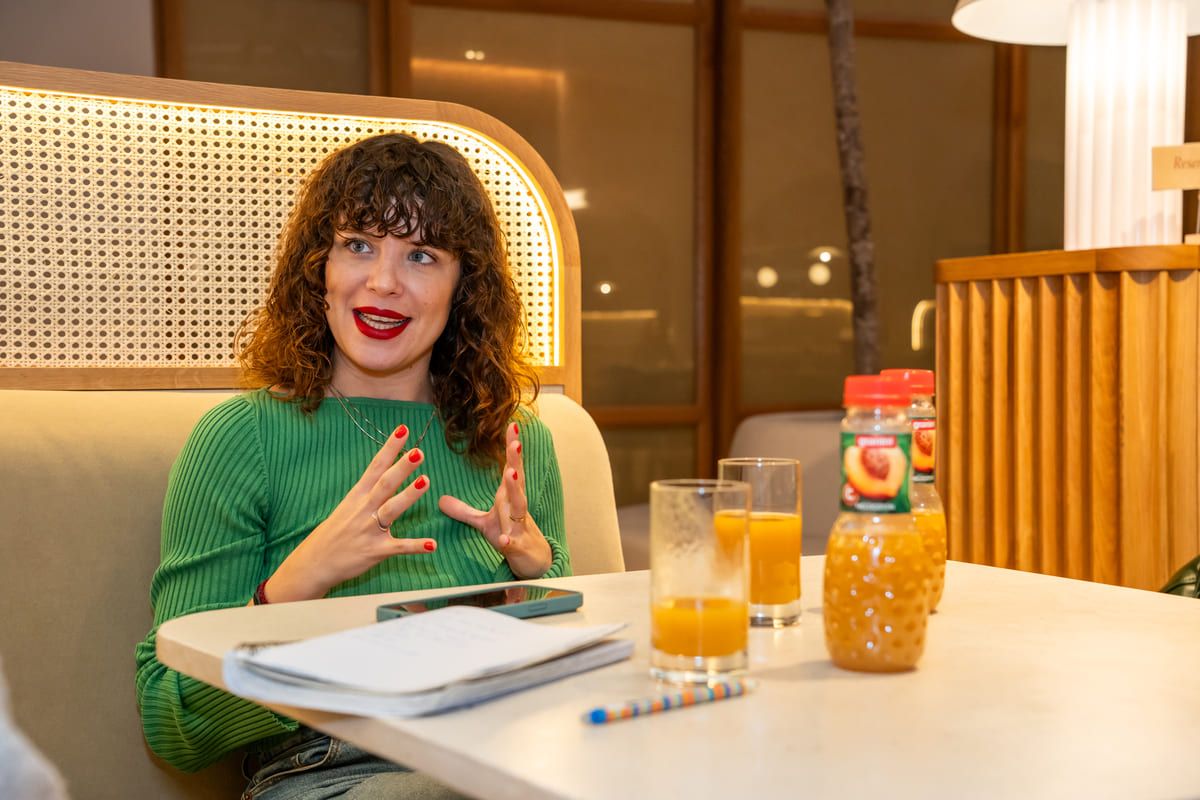
--- This year you have 18 gigs booked all over Spain. What has been the response from your followers?
--- It's been crazy. It shows us that it was possible, that motherhood is not a niche. Many people who are not mothers come to see us. This has shown that mothers were there, thirsty for content.
"We are showing that motherhood is not a niche"--- You talk a lot about your followers and the need for this content. What are the messages they send you?
--- "Thank you, thank you, thank you." "I feel more relieved, I feel understood, now I see that I'm not crazy." A kind of invisible network is generated among women. It shows that this was possible, that the world we live in is not right and we have proven it. What we were saying was not a utopia. We have done shows with dozens of babies and we have been able to do the show without any problem, mothers breastfeeding... When it's not done, it's because they don't want to.
Add The New Barcelona Post as your preferred Google source for free
Stay informed with the latest news.