It was a brief flight. The charter that connected Geneva-Cointrin and Barcelona-El Prat on the afternoon of October 17, 1986, lasted little more than an hour. Aboard, happy, were the members of the COJ, the organizing committee of the Games. A few hours earlier, they had celebrated in the Palais Beaulieu in Lausanne that Barcelona had been chosen to host the 1992 Olympic Games.
The International Olympic Committee, then presided over by a Barcelona native, Juan Antonio Samaranch, decided by vote that our city presented a better bid than those of Australia (Brisbane), England (Birmingham), and Yugoslavia (Belgrade). It also surpassed two other strong candidates: Amsterdam, in the Netherlands, and Paris, a city that will finally host its Games this summer.
An 80s airport
The happy travelers on that plane from Geneva, with Pasqual Maragall as the most emblematic figure of the expedition, were received by hundreds of people at El Prat and by thousands throughout the city. That historic October 17, 38 years ago, culminated in a massive citizen celebration in Montjuïc.
The airport where they landed had a single terminal, the one inaugurated in 1968, which in 1986 reached six million travelers in 12 months. To put this data in context, in 2023, El Prat was close to 50 million travelers, and for this year, everything indicates that the record for passengers and operations will be broken.
In the 80s, the facility perfectly met the city's air needs. As a curiosity, Barcelona airport (it was not yet officially 'El Prat') was not then part of the Aena airport network, but was attached to the Organismo Autónomo Aeropuertos Nacionales (OAAN), created in 1958 and which existed until the eve of the Games, as Aena or Aeropuertos Españoles y Navegación Aérea was created in 1991, and has managed it ever since. Air navigation was segregated 10 years ago with Enaire, although that already exceeds this aero-Olympic chapter.
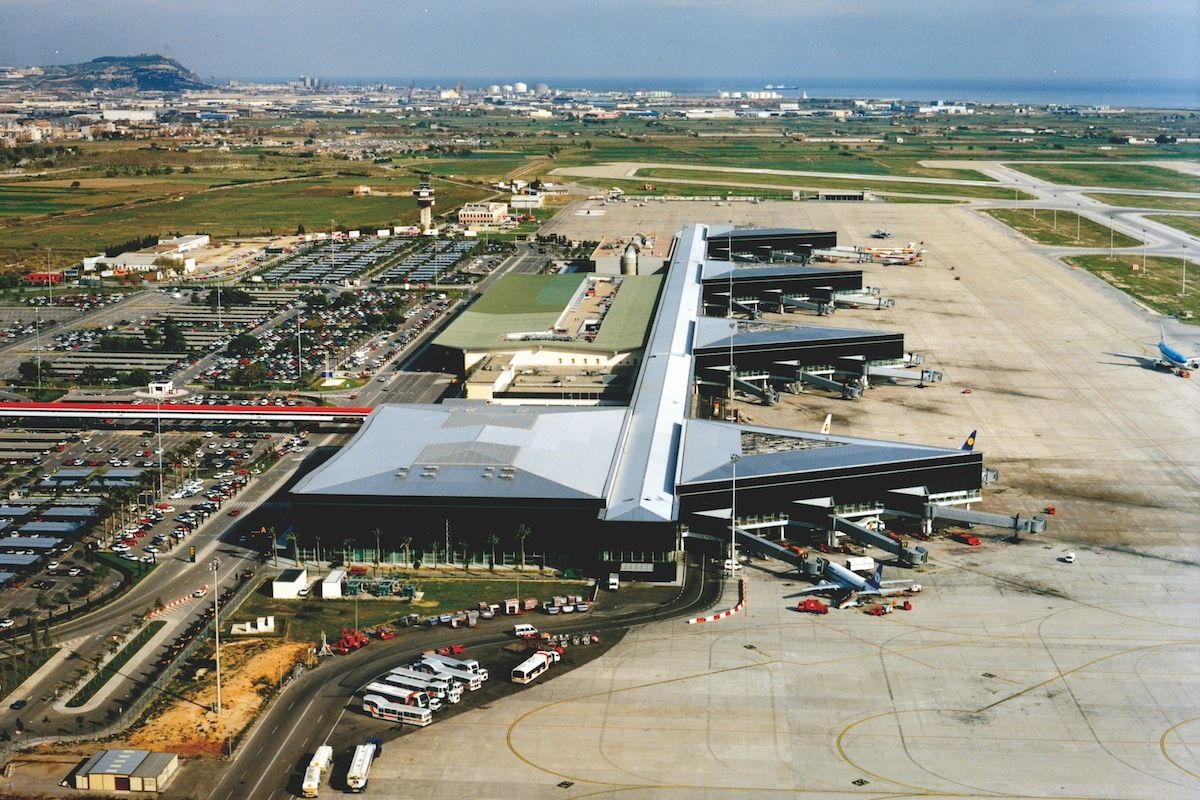
Arriving at '92 with flying colors
Had it not been named the organizing city for the Games of the XXV Olympiad, the history of Barcelona at the end of the 20th century would not have been the same. As a city goes hand in hand with its airport, El Prat would not have evolved in the same way and at the same speed had Barcelona'92 not existed.
In 1979, two years before the city's Olympic race began, the Undersecretary of Civil Aviation presented a study on the development of the airport, which would become a master plan for the following years. At that time, spaces were reserved for future medium and long-term actions, understanding that growth would be sustained. Little by little, the airport was modernized, although it wasn't until its designation as the host city for the Games that the accelerator of reforms was truly pressed: if the city was going to organize an Olympiad, it needed an airport that was up to the circumstances.
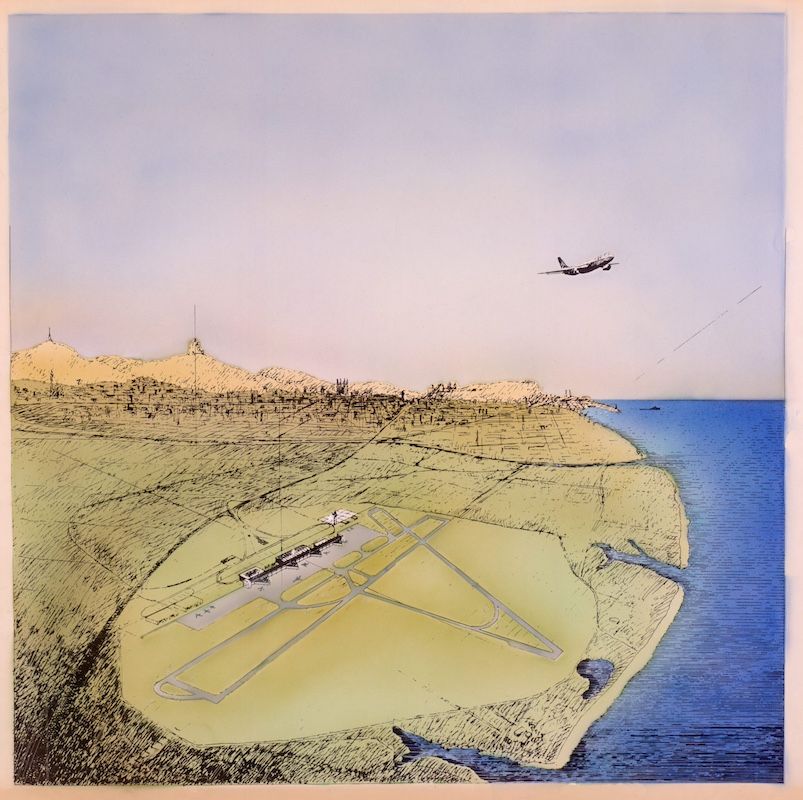
The 1968 terminal, current central body of T2, along with the first expansions already executed in the building and aircraft platform, needed to grow significantly to successfully overcome the peak demand that the Games would entail and the subsequent inertia of a city that, thanks to them, would become popular worldwide.
Changes and more changes
If the most important sporting event in the world was going to change aviation in Barcelona, the liberalizing measures for air transport ordered by the European Economic Community, renamed the European Union in 1993, also brought great changes in terms of operators, with the loss of monopolies of large flag airlines both in their own markets and on routes to other countries, which often operated in pool for mutual benefit. This liberalization, in addition to being ready for the peak demand of the Games, influenced the airport of the future... already in the late 80s.
The liberalization of air transport, in addition to being ready for the peak demand of the Games, influenced the airport of the futureThe great airport for the new century then began.The tender for the expansion, renovation, and modernization of the facilities was won by Ricardo Bofill's studio, an architecture studio that could almost be considered a neighbor of the airport, as it is 11 kilometers from the current T2. The construction of the new buildings around the existing terminal, characterized by the enormous ceramic mural by Miró and Artigas, was a huge challenge for everyone: from the airport manager to those who executed the works. It was also for the companies and especially travelers, as all work had to be done without interrupting the normal operation of the facility.
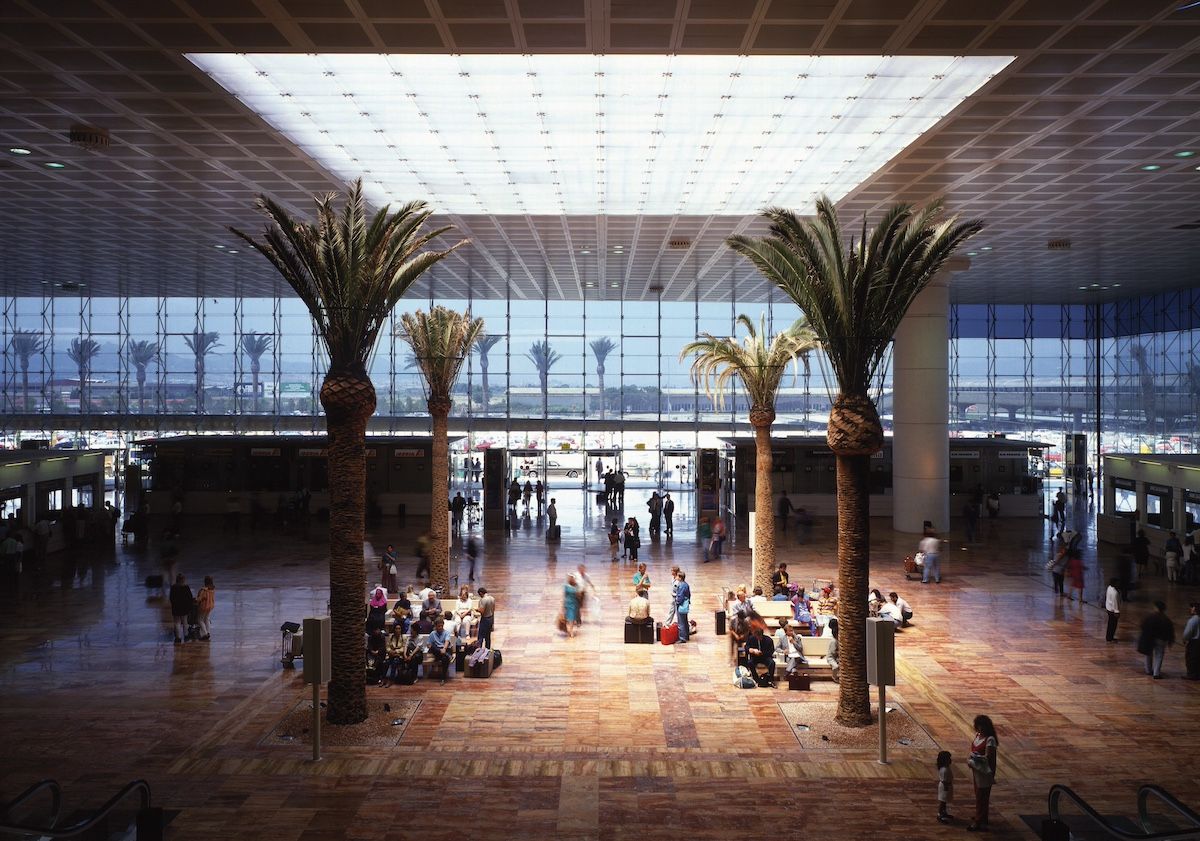
The continuous internal and flow changes in the terminal were part of the Olympic works that transformed the city and its surroundings. These were, logically, annoying, but also exciting and showed that the city was taking great strides in its modernization, with its airport as a symbol of a city that was not only going to host the world's largest sporting event, but was also building an elegant and modern facility prepared for aviation and travel in the imminent 21st century.
The novelties
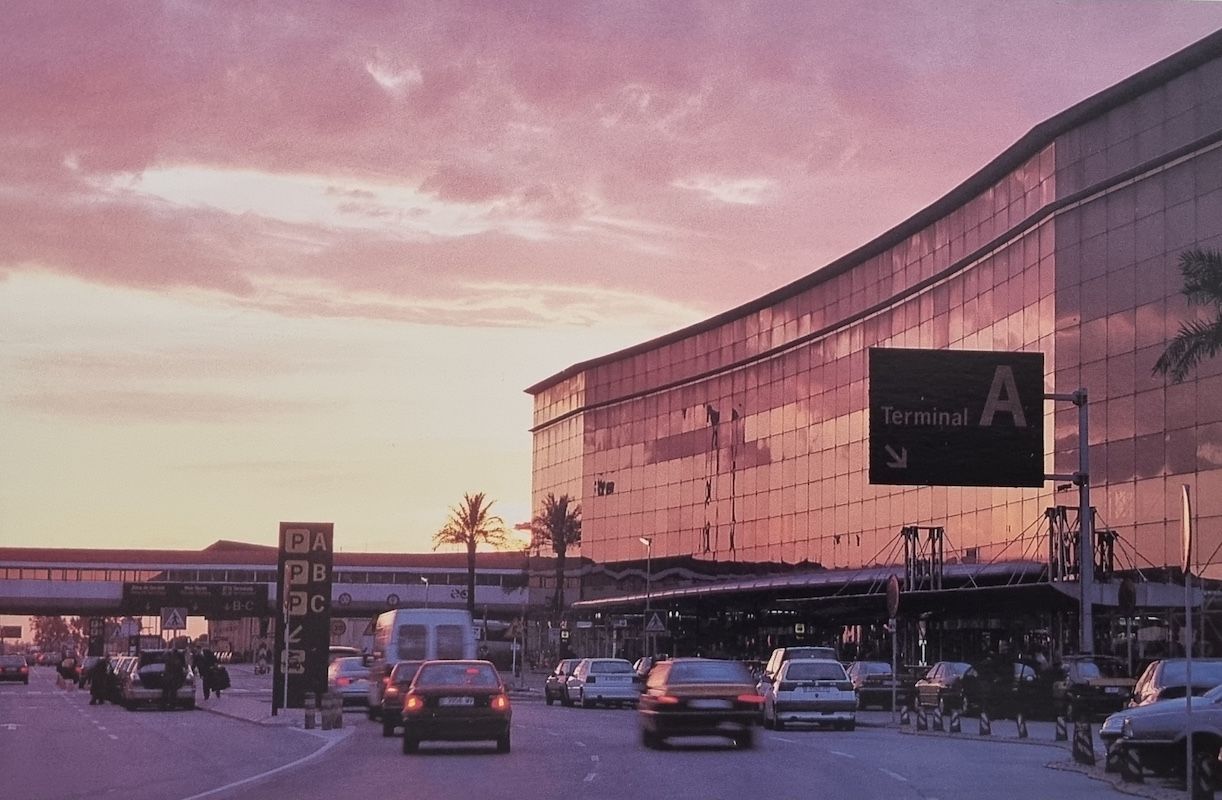
With the arrival of the first months of the 90s, the new airport began to take shape: a new control tower was built and Terminal C was opened, dedicated exclusively to the air shuttle service between Barcelona and Madrid, a route that became the busiest in the world. At the same time, the brand new Terminal A was opened, dedicated to international departures.
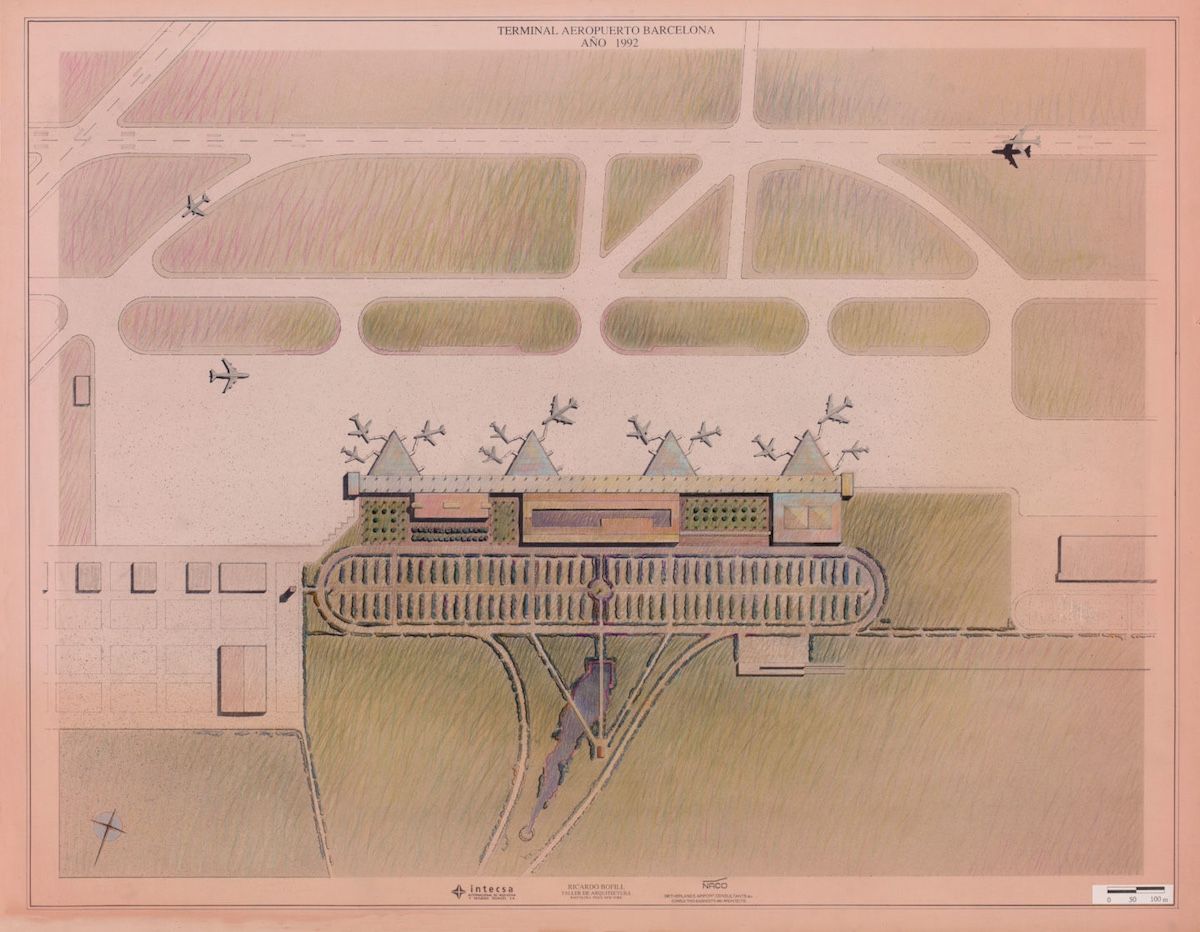
Later came the corridor that connected all the facilities on the airside and its extension with four triangles or modules from which to access the planes directly through jet bridges, something unprecedented until then at El Prat, which ceased to be one of the few airports of its category that still did not have these elements that facilitated boarding and disembarking.
Thanks to all these novelties, the image of the facility changed radically and the so-called city's air gate was a source of citizen pride for its good design, for the spaces achieved, for the image of lightness, its luminosity and for the elegance of the materials used at the time: travertine marble from quarries in Almería and white marble from Greece. Specifically from the island of Thassos, in the northern Aegean.
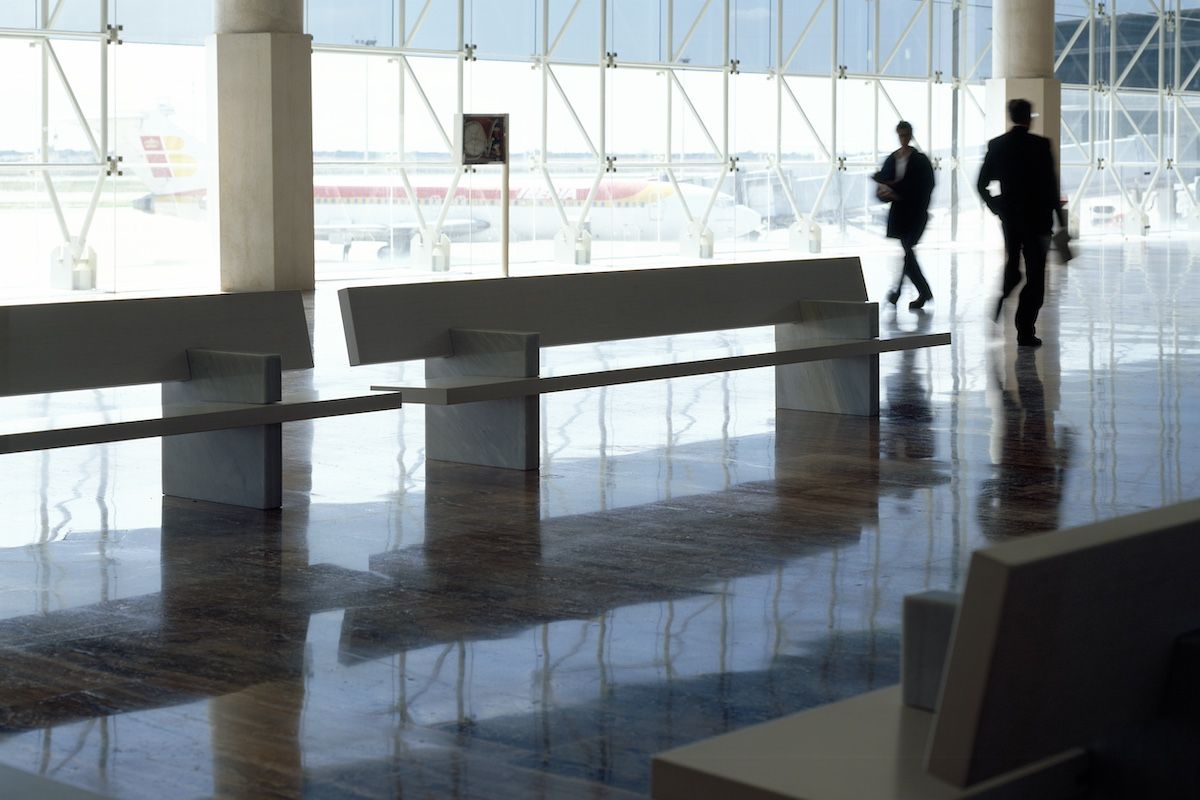
The culmination of all the works concluded five months before the Olympic cauldron was lit, when the new Terminal B, which was the completely remodeled 1968 building, was put into operation. With the sum of all the spaces, including the old air bridge area converted into an Olympic terminal, the three terminals totaled 110,000 m2 of surface area and the investment exceeded 50,000 million pesetas (more than 300 and a half million euros at the time).
The city premiered a completely new airport, where not only the most obvious stood out, which was Bofill's idea and architecture, but also the application of new technologies for the operation and coordination of all aspects of the airport's day-to-day, in addition to a new way of understanding the distribution of terminals by airlines, something totally new and even having a specific area for corporate aviation.
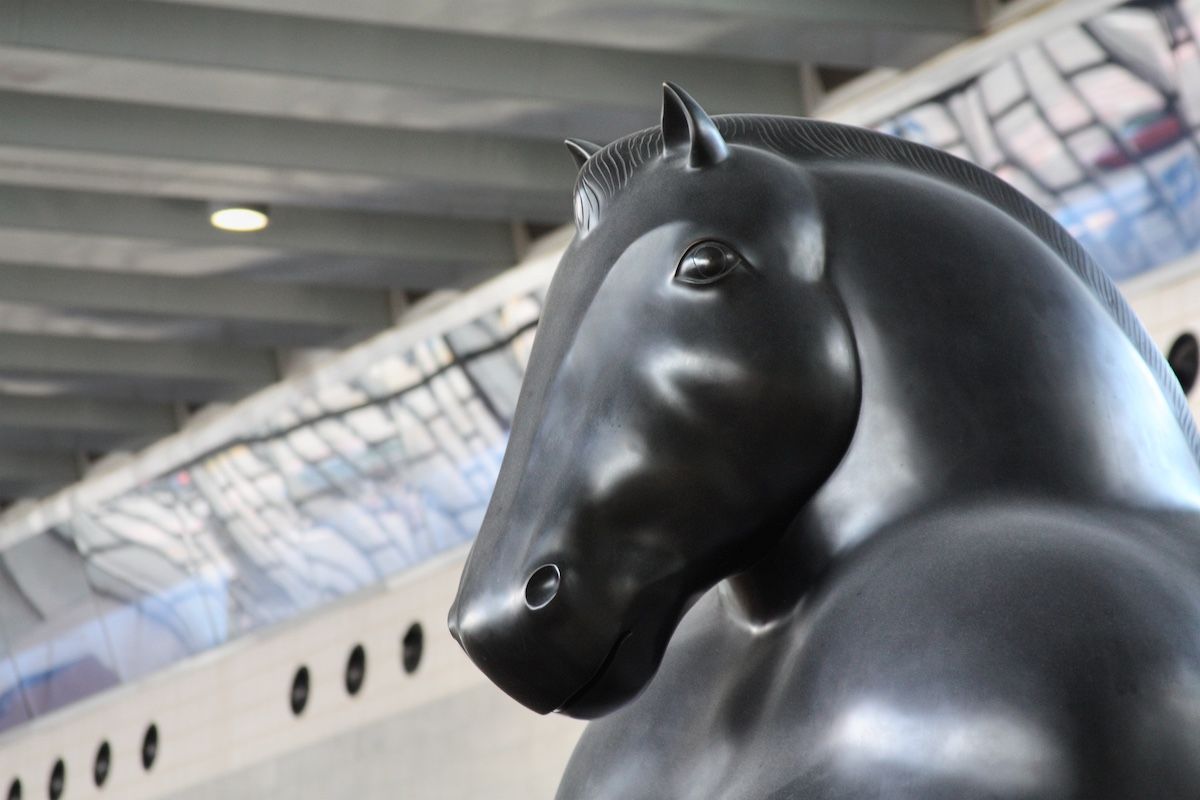
And everything worked perfectly: Barcelona airport was for several weeks one of the most important aeronautical centers in the world by volume, variety of passengers, destinations and even by the handling of the most varied cargo. The El Prat facilities were also responsible for that famous phrase: "Barcelona's have been the best Games in history."
Add The New Barcelona Post as your preferred Google source for free
Stay informed with the latest news.