
Buying a peach is always an unknown, as it is very difficult to know if it will have the sweetness or the desired ripeness point for the customer. Is it possible to reduce this uncertainty by applying cutting-edge technology? Is there a system that can guarantee the consumer that they are taking home the perfect peach? Providing an affirmative answer to these two questions is the objective of a pioneering research and development (R&D) project that combines the use of two technologies, near-infrared and artificial intelligence (AI), and is led by the Ametller Origen group in alliance with the Universitat Politècnica de Catalunya (UPC) and the Institut de Recerca i Tecnologia Agroalimentàries (IRTA).
Named AO Sensor, the project is part of Agrosmed (Sustainable and Circular Agri-food Industry in the Mediterranean corridor), the business alliance promoted by fourteen companies with the aim of obtaining aid for the agri-food sector provided for within the framework of the Strategic Project for Economic Recovery and Transformation (PERTE) promoted by the Ministry of Industry. The different partners of Agrosmed carry out collaborative projects for the decarbonization of the industry, the improvement of product sustainability and the circularity of processes, but they also promote individual research initiatives, such as Ametller Origen with AO Sensor, which has a budget of 1.3 million euros.
Ametller Origen's idea is to incorporate, in a first phase, infrared technology combined with AI in its workshops for making creams and gazpachos, and yogurts and dairy products, and, later, it will also adopt it in its fruit and vegetable distribution warehouses to be able to optimally classify all the produce and send, for example, only those peaches to stores that guarantee total customer satisfaction.
And what does this technology consist of that will allow always getting it right with peaches and also with the rest of fruits and vegetables? The application of infrared to a fresh product is a non-destructive system that allows obtaining information on the physical-chemical properties of that raw material. By passing a batch of peaches or tomatoes through the machine, information on multiple parameters is obtained, such as their sweetness, acidity, or water content.
The objective of AO Sensor is to use all the data provided by infrared and combine it with AI to create mathematical models that allow knowing, without the need to test it, whether a peach is perfect for consumption or not. Thus, the shape of the infrared wavelength that makes the chemical bonds of a ripe and sweet peach vibrate is different from the shape obtained with a tasteless and green peach. The key is to train the model to identify the wave shape that best fits the perfect peach and thus be able to classify large volumes easily.
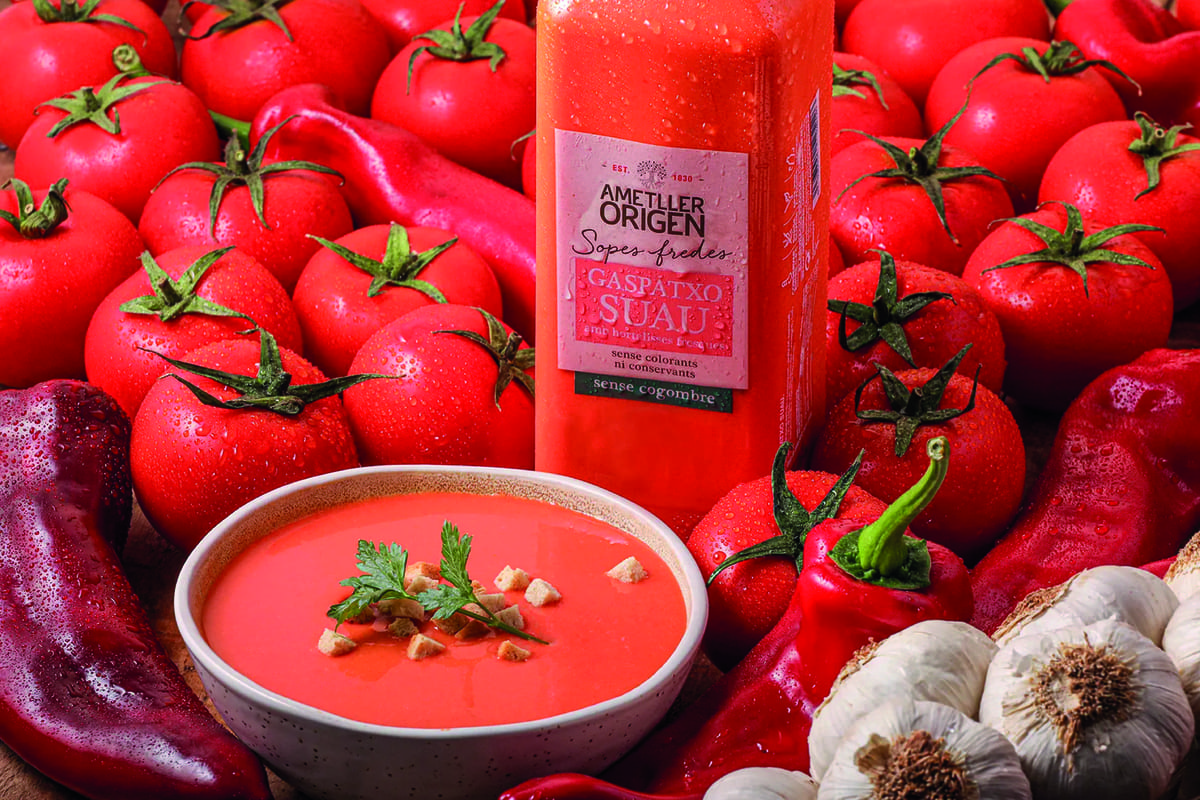
Ametller Origen's R&D project focuses in this first phase on improving the gazpacho production process, one of the star products of the chain led by Josep Ametller. In this case, the objective is twofold: to achieve greater quality and homogenization of the product, that is, for the gazpacho to always taste the same, and to reduce costs by minimizing energy consumption and food waste.
To make gazpacho, the brand always uses four varieties of tomatoes. Now, thanks to infrared technology, it will be able to know exactly the amount of water, acidity, or sweetness of these tomatoes and adjust their proportion to obtain the perfect recipe. "With this technology, we will know exactly the amount of each ingredient we need to use, obtaining a more homogeneous product," explains Joan Simó, director of the R&D and Sustainability area at Ametller Origen.
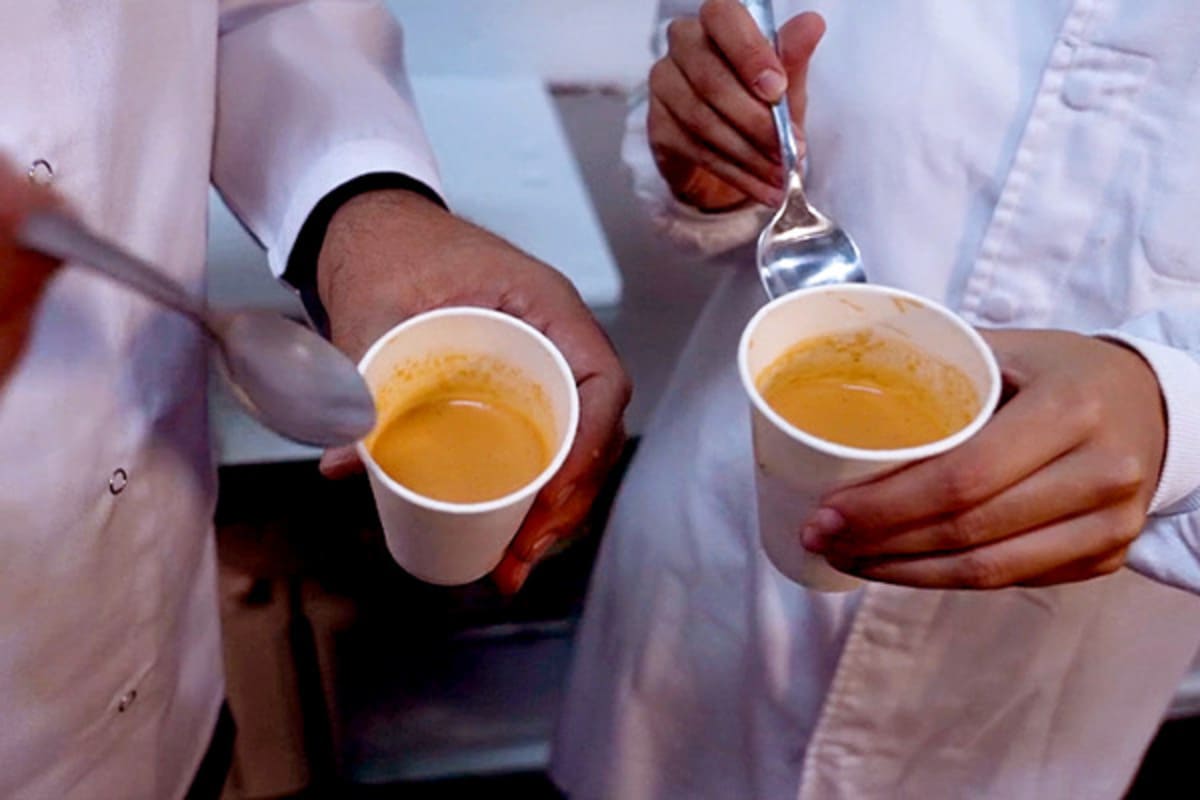
According to Simó, currently, quality control is carried out manually, by tasting the gazpacho. Sometimes, the oil and salt mixture has to be corrected, and in some cases where the mixture cannot be corrected, the entire batch has to be discarded. "We want to prevent this from happening, which will allow us to reduce waste and also save on energy consumption," explains Simó, who highlights the importance of being able to count on technology of these characteristics when working with multiple recipes and types of products, as is the case with gazpacho. "Thanks to infrared and AI, we will be able to automate this entire quality control system quickly and non-destructively, sending only perfect products to stores," he assures.
Joan Simó: "We innovate to transfer knowledge to the entire chain and add value to our fields, the workshop and our stores, and also to all our suppliers, such as farmers and SMEs"Joan Simó highlights that the application of infrared technology combined with AI to the field of fruits and vegetables "is totally pioneering in the world", since, until now, in the food sector it had been mainly used in the production of flour, dairy products, oil and wine, among others. Once implemented in its gazpacho and vegetable cream production lines, the next step will be to apply the technology in the company's warehouses or, directly, in stores so that the customer can know exactly the degree of sweetness of peaches, melons or any type of fruit that is for sale. "We will be able to certify to the customer the characteristics of each product we are selling them," he anticipates. "Our goal is not only to guarantee that this peach is good, but to avoid food waste, characterizing each batch of product very well and giving it the most convenient market outlet in each case," he argues.
The R&D director of Ametller Origen considers the project "totally disruptive" because it revolutionizes the way fruit has traditionally been commercialized. "It has always been sold and classified by caliber, that is, by size. But now, the indicator will be quality, flavor, or sweetness," he emphasizes.
The R&D project AO Sensor began at the end of 2023 and is now in the full data collection phase to develop the AI models. In addition to the IRTA center in Lleida (Fruit Centre), three research groups in AI, sensing, and telecommunications from the UPC are participating in this research phase. The goal is for the project, in which about 30 people are working, to culminate in June 2025. If this first phase ends successfully and the expected results are obtained, Ametller Origen will launch a second project to implement this new technology in the new processing plant that the company will build in the Agroparc in Gelida and which is expected to start operating at the end of 2026.
Joan Simó: "This technology is totally disruptive. Fruit has always been sold and classified by caliber, that is, by size. But now, the indicator will be quality, flavor, or sweetness""AO Sensor is a clear example of the strong commitment that Ametller Origen makes to innovation and technological transfer. We innovate to transfer knowledge to the entire chain and add value to our fields, the workshop and our stores, and also to all our suppliers, such as farmers and SMEs. Our goal is to better feed our customers, offering them better, more sustainable, healthier and more pleasant products," emphasizes Joan Simó.
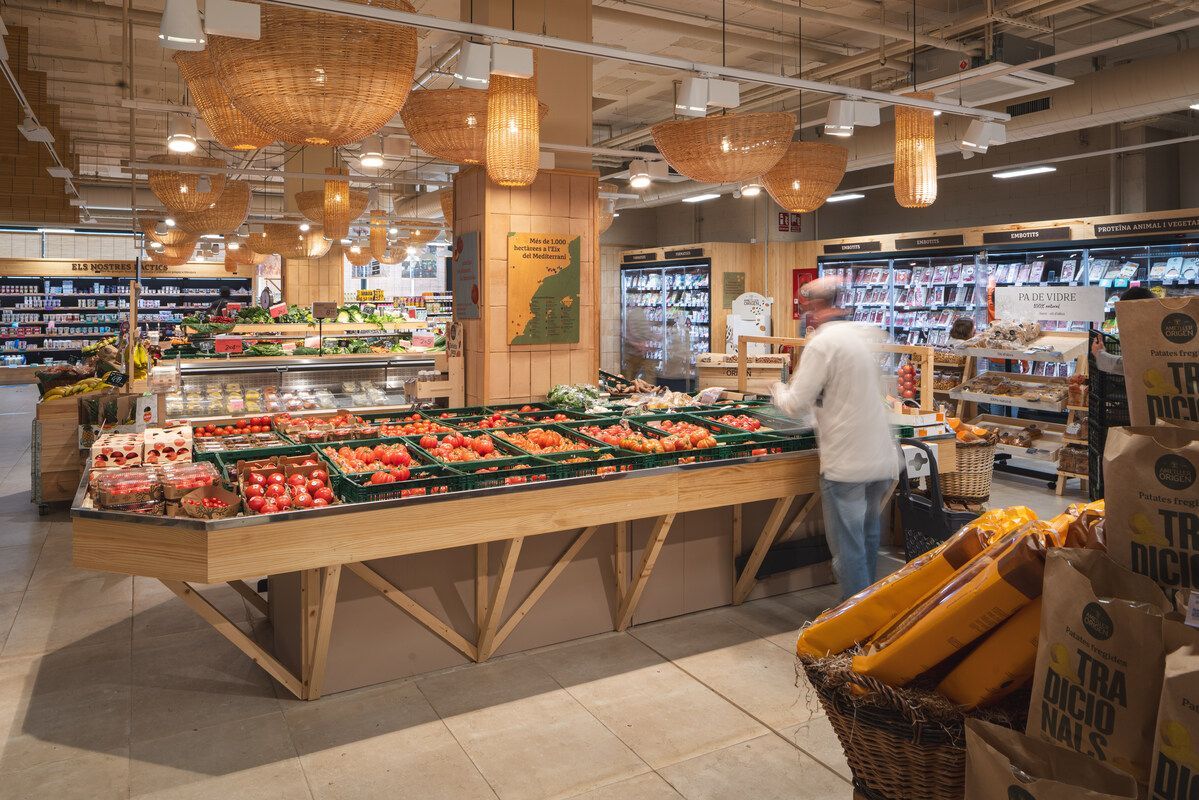
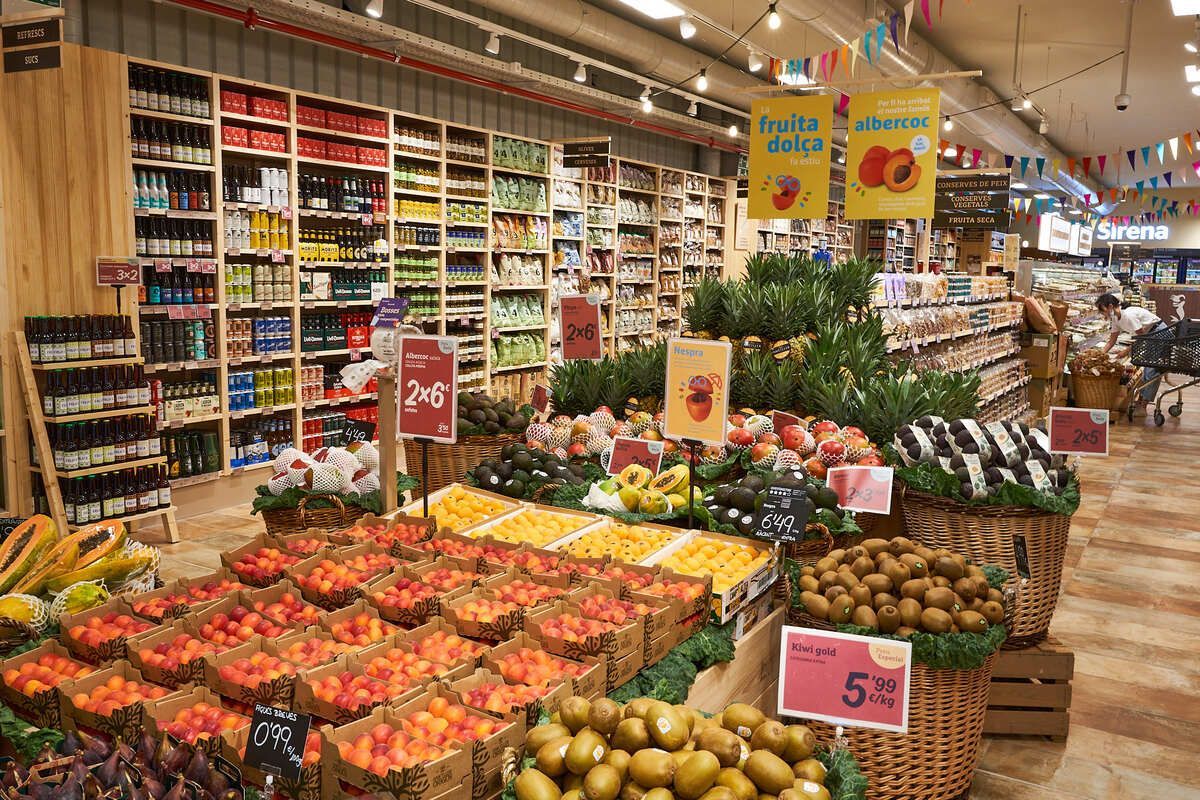
With a network of more than 140 stores, Ametller Origen billed for the first time more than 500 million euros in 2023 and its growth plan includes the opening of a dozen new establishments per year, with the aim of building a network of around 250 establishments in Catalonia in the next decade. In the last ten years, the group has invested 160 million and its workforce exceeds 3,800 employees.
Ametller Origen will finally begin this summer in Gelida (Barcelona) the construction works of the Agroparc Penedès, a sustainable agro-industrial complex based on the circular economy that will lead to a new model of agricultural production and will substantially increase the production capacity of prepared dishes and other elaborated products that constitute the sales engine of the chain along with fruits and vegetables. This first phase, which includes the land urbanization project and the construction of the new workshop, will involve an investment of 60 million euros.
Add The New Barcelona Post as your preferred Google source for free
Stay informed with the latest news.
