
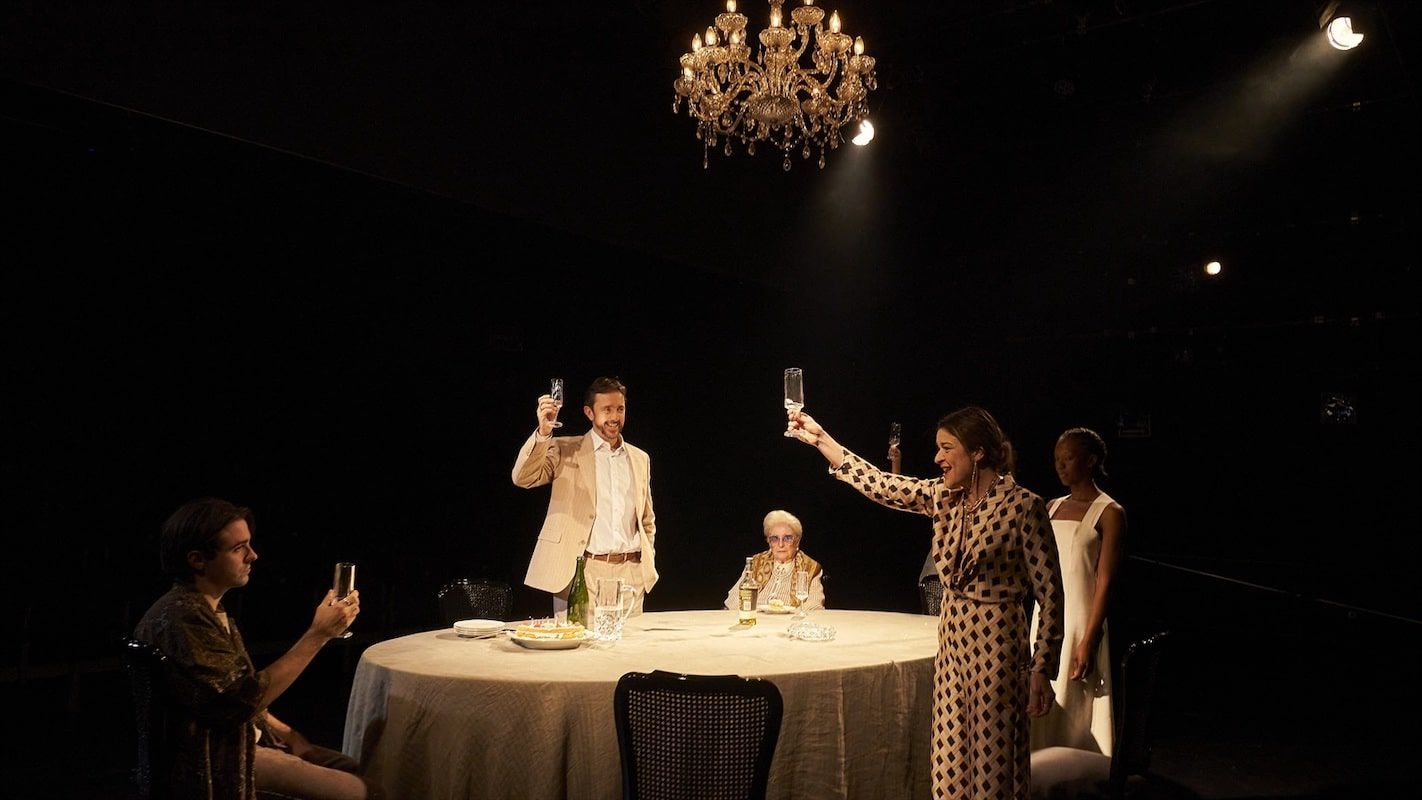
We have a very good theater. We do very good theater, we are the bee's knees in acting and dramaturgy, and also in directing. Amèrica is arranged around a table: not only the action, but also the audience, with the format of bleachers split in half like a British parliament or as if, indeed, we were diners at a distance.
If Julio Manrique has taken care of everything, Julio Manrique has done an impeccable job: to highlight, interpretive resources that are so real and that even cause so much anger (gestures, glances, dialectical attitudes that we have all learned from the brother-in-law at Christmas dinner or from the worst of fights between our parents) that we don't even notice how small they are. Do the actors do that or does Manrique do it? I don't know, but the result of the pact is superlative. A performance of details, of thin, exquisite, most generous craftsmanship. Mireia Aixalà first, followed very closely by Joan Carreras. She, because she is unexpected, because it is a less predictable, less stereotypical role, which gives more room for creativity and originality: the frivolous wife of the multimillionaire, in short. And he, because Joan always, when he gets roles of an arrogant man, does it so well that you would kill him. That infinite weakness that this type of arrogance contains, he nails it. He masters it. He embodies it.
The play contains many more treasures, but let's go by parts. Situation: the son of a multimillionaire couple, future heir to a fortune derived in part from the slave trade activity of his ancestor in Cuba during the last years of the 19th century (as in some cases of the Catalan bourgeoisie), introduces his girlfriend for dinner. And the girlfriend (Kayla) is "as she is," that is, black. American, African-American, but black, poor thing.
This play, so much from here, so much about us, connects our national dilemmas with those of the whole world: tearing down the statue of the Marquis of Comillas (or that of Christopher Columbus) or considering how lucky we were, of them, for so many other thingsThe meal will take place during the 2021 Diada, although before that we will have already witnessed the father's adulterous customs while he is in New York precisely on September 11 twenty years earlier, that is, while the Twin Towers were falling: a link that Sergi Pompermayer, the author, wants to make between the universal 9/11 and ours, and between America and us. The next link will already take the explicit form of constant flashbacks: but now, towards the slave-owning ancestor (also embodied by Joan Carreras) and towards his slave, whom he baptizes as Amèrica, and who is played by the same actress who plays the girlfriend, an impeccable Tamara Ndong. "Our Sidney Poitier," if we admit that much of the situation inevitably reminds us of the film Guess Who's Coming to Dinner: being black, being invited among powerful whites, and all that entails.
There is nothing to say about the script, I mean I would say it all: delicious, perfect, rhythmic, astute, full of good ideas, provocative, daring, agile, sexy. It remains so until the end, or until shortly before the end, where I regret that the ideological aftertaste is too explicit. It was not necessary, Sergi. There was no need to even take sides, because you already take sides by choosing this topic. The side you should have taken was the one you have already won with such electric dialogues and so full of contradictions, emotions, contained rage (on both sides). The conflict should be the theme, the message, and it is already assumed that the audience will lean towards condemning slavery (unless I am very wrong).
I mean, the grace of the text is the conflict of interests, which exists, and which should make us think not so much about the excesses of the Catalan slave owners, which also, but about the reason that an heir of these ancestors may have for protecting their fortune, their reputation, their dignity and, above all, the safety of their child. That is to say: I regret that in the past black people were enslaved, but what concerns me is making sure that you love my child. And that you love him as he is. With his ancestors, too. For me the conflict is quite interesting, it is enough message, it is sufficiently the theme, and if Pompermayer wants to make clear where he leans, I can only say three things: the first, that I do too. The second, that this interests no one (and what the screenwriter thinks, we already assume). And the third, that it is not the strength of the script. That the grace is in the war, and in the gestures, and in the subtle presence of cynicism in every molecule of air. There is more message in the dry phrases of the grandmother with Alzheimer's, than in any final speech.
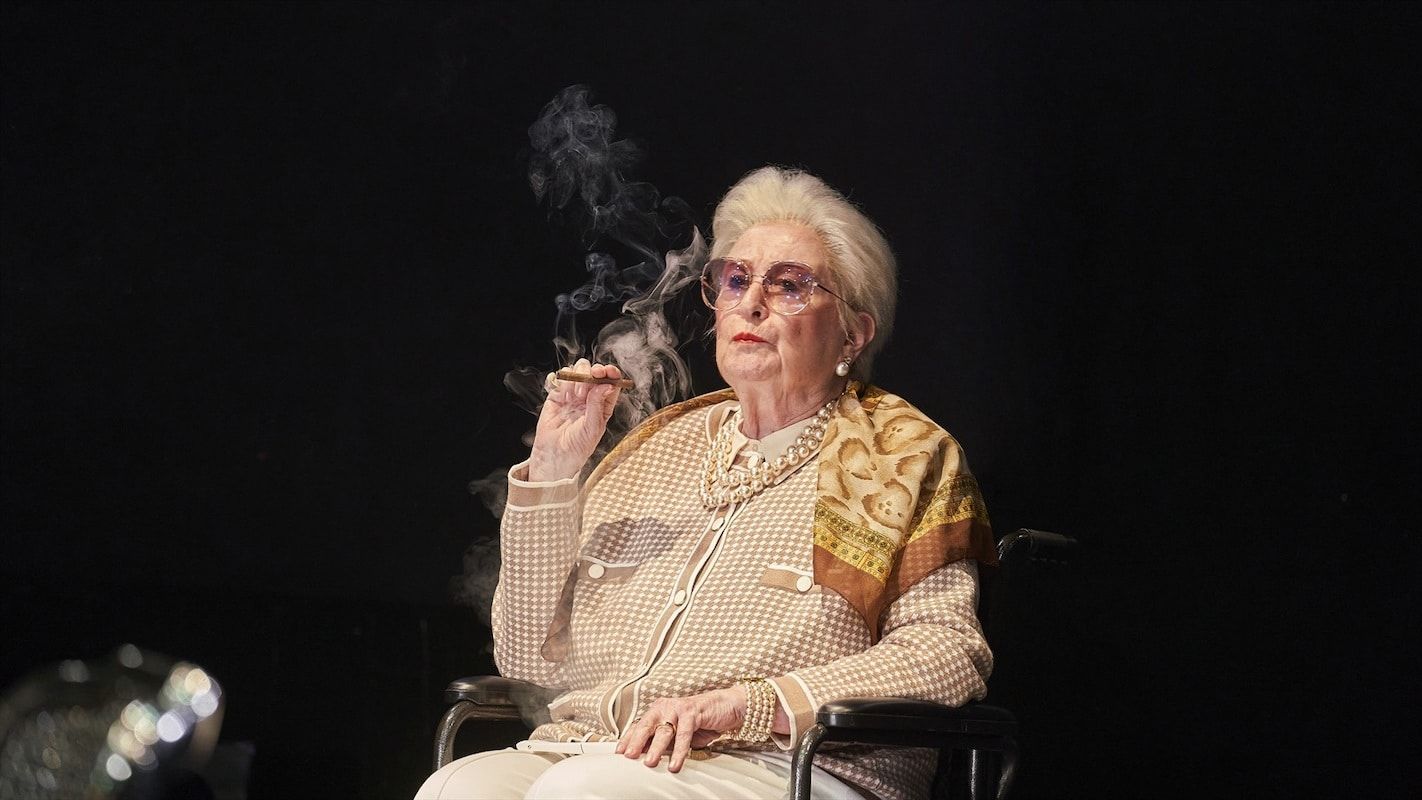
You would devour the character of the grandmother, not because she makes herself loved, but because she is so well-found and fits so well into the discussion: she is the past, observing us, having memory even if it seems to fail her, because she knows very well where she comes from and who she is. "Remember who you are", as the father of the Lion King would say. "Hostes vingueren", says the gesture of the grandmother who barely says anything, just as the Stockholm syndrome manifested by the maid expresses to us that there are things, attitudes, sediments, that never change. Slavery is abolished, yes. But the slavery that runs through some veins, in some characters, is not.
We have very good theater, we make very good theater. This play, so much from here, so much about us, connects our national dilemmas with those of the whole world: tearing down the statue of the Marquis of Comillas (or that of Christopher Columbus) or considering how lucky we were, of them, for so many other things. Identifying what part of us still enjoys, indirectly, those abuses of centuries ago. And what we can do about it, if anything. This is the part I like most about the play: there are things we can do, and others that will no longer have a remedy. We cannot erase the past, and besides, we carry it within us, in our bones. Catalonia was created by killing Moors. And, while we know how we want the 9/11s of the future (free, anti-slavery, egalitarian, democratic and just), the 9/11s of the past and present (like Dickens' Christmas ghosts) are still full of race, class and geopolitical privileges. Which part of them exactly are we willing to give up? Think carefully: although it may not seem like it, it could mean giving up yourselves.
Add The New Barcelona Post as your preferred Google source for free
Stay informed with the latest news.
