
A few days ago, in the small hall of L'Auditori de Barcelona, we attended the presentation of Udolç, which as a concept is a link between Barnasants, the singer-songwriter festival that runs until May, and Tradicionàrius and its roots music cycle, Tra d'Autor. This was the third concert of the eight programmed in different venues across the city, until March 15.
Those who decided to come to the Tete Montoliu hall received a dose of oral memory and emotions on the verge of tears. The lady two seats away seemed like a fount of memories visiting her from very far away. Lullabies have these things. Containment. No crying openly. The spectator seemed to recover private, very intimate memories, with tears about to overflow. As we say, containment and joy. We had handfuls of joy. A very Catalan joy, one of those that says that the good vibe can end at any moment. A joy that announces a possible tragedy.
Oral tradition knows no passage of time. In this case, the only instrument is the voice. Therefore, one might think that rapping a few verses would be possible. Well, no. The only daring one was the poet Enric Casasses, Premi d'Honor de les Lletres Catalanes 2020, who went up to the stage from the first row of the stalls. He repeatedly pulled out some sheets of paper from a pocket of his jacket, framed by his long gray hair.
In sorrow and fatigue, women of past eras found restorative joy in these lullabiesThe harsh voice of the reciter, a friend of free verse like Pascal Comelade ---who has no problems with labels, as his discography shows--- declaimed verses, some of which contained some thought punkie. The counterpoint marries the sweet rhymes and the soft voice of Alba Careta. The trumpeter thus demonstrated that she can share the stage with any imaginative and risky musician, like the aforementioned Catalan pianist. The two share sanity, an old sanity of hat, glass of wine and caliqueño. Pascal Comelade understands that tradition exists to wallow in it. Careta has not yet reached that point. Even so, the one from Avinyó throws herself with all her soul and without a safety net to interpret a bouquet of lullabies, which she topped off with a Christmas carol as atavistic as The mother's boy.
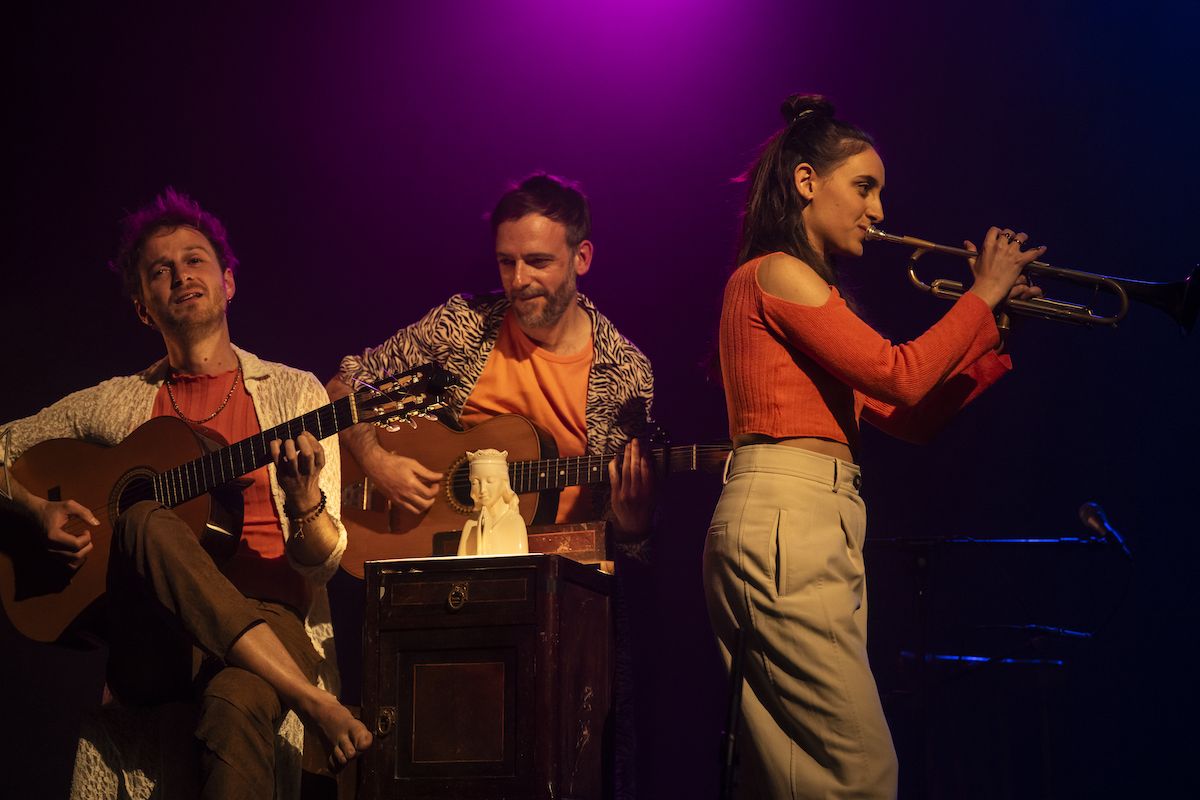
Careta, accompanied by her brother Santi on guitar and backing vocals, and by the warm voice, a marked theatrical sense and the guitar of Henrio, who also acted as lighting technician in the room, a successful scenographic effect ---opening and closing nightstands, full of mysteries not to be revealed---, into which the stage was transformed, where the jazzwoman made a few scenic breaks, known as the fourth wall, such as addressing the audience naturally, without any inhibition. For an hour, the woman from Bages gave herself body and soul. She showed granite-like respect for oral memory, as is also the case on the album, Udolç ---a co-production of two of the most interesting record labels in the country, Segell Microscopi and Bankrobber---, which can also be interpreted as too rigid. The lyrics of some verses sounded strange. Virgin and mother, Henrio sang. In these words there is a traditionalist sediment, in which the religious imaginary had ---has--- a specific weight. The baby is male, always. The father is someone absent. And the pain of giving birth and the obligation of raising the newborn is not assumed. In sorrow and fatigue, women of past eras found restorative joy in these lullabies.
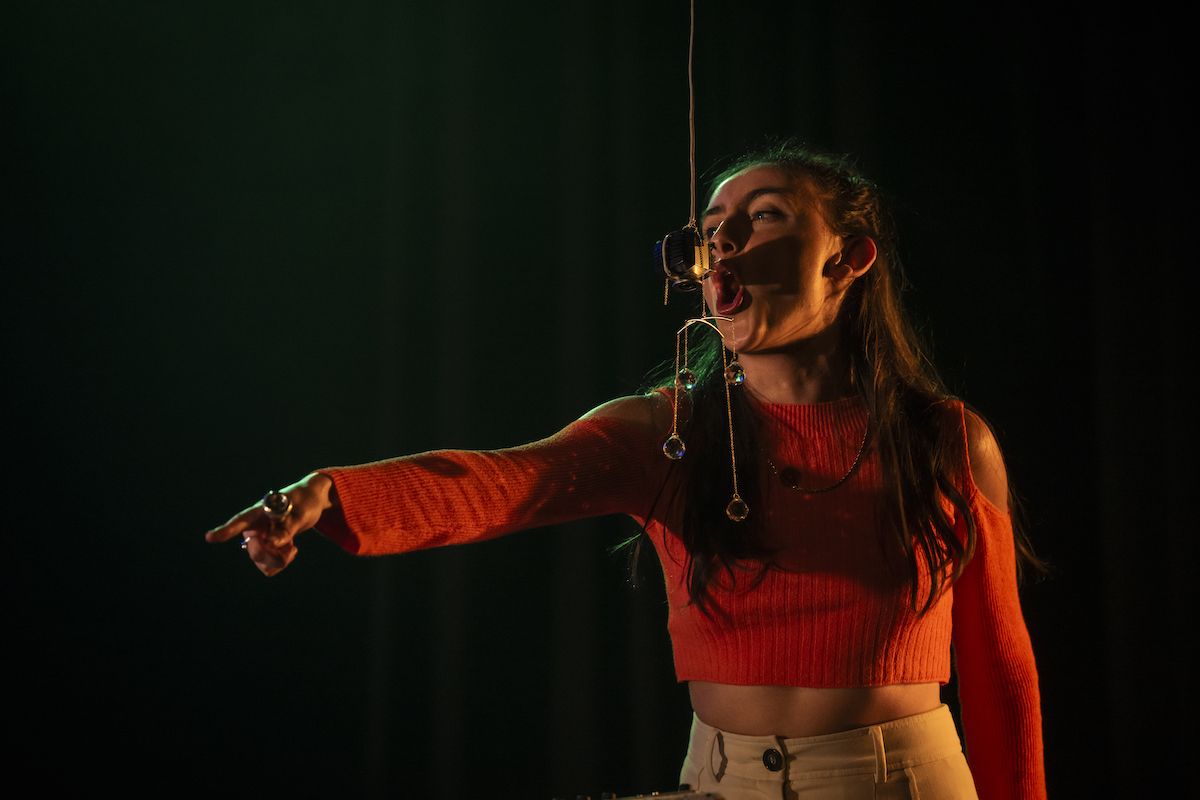
As a show, Udolç, which featured notable sound and lighting production, assumes the same composure as the album, the third record reference from Càntut, National Culture Award 2022. Modernity resides in the instrumentation, where the trumpeter's notes sound contemporary. It is worth noting the success of not closing itself off in a jazz universe, where it shows itself as one of the most solvent elements. The guitars oscillated between a nebulous minimalism and an elegant traditional remnant.
The tribute to the repository of root songs and music from the Girona lands, which Càntut guards and disseminates, deserves due consideration. The excellent exercise of tradition won the game against modernity, which does not detract from the ongoing trajectory of Alba Careta, a born talent of the country's music scene.
Add The New Barcelona Post as your preferred Google source for free
Stay informed with the latest news.