
A few days ago, the Cercle d'Economia presented a report titled The Hour of Metropolitan Barcelona, which once again brought to the forefront the debate on how this territory, so difficult to delimit, should be organized (and governed). This real city has the municipality of Barcelona as its main core and gathers around five million inhabitants.
The document proposes several solutions to improve the metropolitan governance of Barcelona, focusing on strengthening administrative structures and improving coordination between different municipalities and levels of government. One of the main proposals is the expansion of the Barcelona Metropolitan Area (AMB) to include more municipalities (from the current 36 to over a hundred), which would allow for greater territorial coverage and the integration of more resources and competencies. This expansion would reinforce management capacity in key areas such as housing, mobility, and sustainability, which are inherently metropolitan issues and require a unified vision to be managed efficiently.
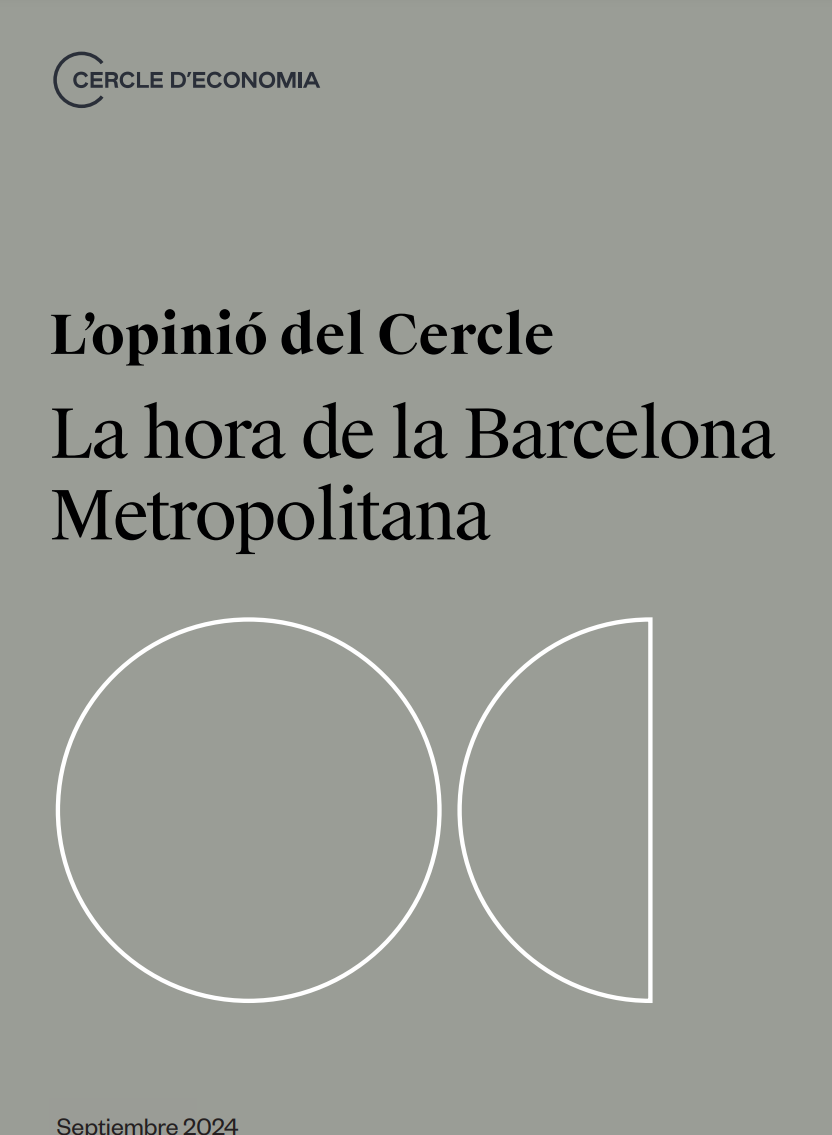
The AMB, created by a law of the Parliament of Catalonia in 2010, is an institution that has not yet developed its full potential granted by the norm, and although its administrative limits may be certainly debatable today, an expansion of the number of municipalities without other substantial changes (from the financing model to the political weight of its presidency, including the reorganization of the Catalan administrative map) seems unworkable. Furthermore, if carried out, the resulting entity would enter into clear competition with the Govern, a politically difficult issue to resolve.
Another possible solution highlighted in the report is the creation of a metropolitan veguería that encompasses the entire metropolitan region of Barcelona. This structure would allow for better coordination among municipalities and the decentralization of the functions of the Generalitat, ensuring better administration of public services on an appropriate scale. The veguería would also facilitate the implementation of metropolitan policies in sectors such as economic promotion, housing, and the reduction of social inequalities, while avoiding duplication of competencies with other institutions, such as the Diputación de Barcelona.
In this case, the veguería is an administrative level already contemplated in the Statute of Catalonia of 2006, but which, as is known, at the time encountered appeals filed before the Constitutional Court, given that it would entail the suppression, or at least a substantial modification, of the provinces, "protected" by the Spanish Magna Carta.
That did not prevent the creation of the veguería of Penedès in 2017 and a certain reconfiguration of the administrative apparatus of the Generalitat following the territorial division into eight veguerías, but the search for a way out of the current stagnation has not been part of the priorities of successive Catalan governments. In any case, this should be the natural path for resuming debates on the matter and from which a solution as consensual as possible should emerge.
The veguería would also facilitate the implementation of metropolitan policies in sectors such as economic promotion, housing, and the reduction of social inequalitiesBeyond the formula, what is most important is the substance of what is to be achieved, and here the document is clear, precise (and very accurate, in my view): administrative simplification and transparency in decision-making. Adopt a flexible and supportive approach, where richer municipalities share resources with the most disadvantaged, and intermunicipal cooperation is encouraged to address common challenges.
The strengthening of metropolitan governance, in short, requires the collaboration of all involved actors and the adoption of ambitious and generous measures, so that the region can compete internationally and correct existing social inequalities.
The publication of this report has also had some collateral effects, such as —paradoxically— stirring up the incipient process of configuring metropolitan institutions in Tarragona.
The development of the metropolitan area of Tarragona has advanced in recent months with the creation of consortiums and regional initiatives to improve coordination among municipalities. One of the most important steps has been the promotion of the Urban Master Plan for the Camp de Tarragona, which seeks to integrate mobility, sustainability, and economic development policies. Efforts have also been made to improve infrastructure and foster tourism and industry in the region, although there are still challenges to consolidate metropolitan governance similar to that of Barcelona.
The main object of controversy has been the integration of Penedès into all of this and, in particular, that of the Baix Penedès region, which is sometimes presented as a "no man's land," trapped between Barcelona and Tarragona, without receiving sufficient investment or attention from the Generalitat or either of the two cities.
The mention of this region, which was also included in the process of drafting the Metropolitan Commitment 2030 as part of the vegueria of Penedès, in the report by the Cercle d'Economia has led to the question of whether it should also be part of a hypothetical expanded AMB.
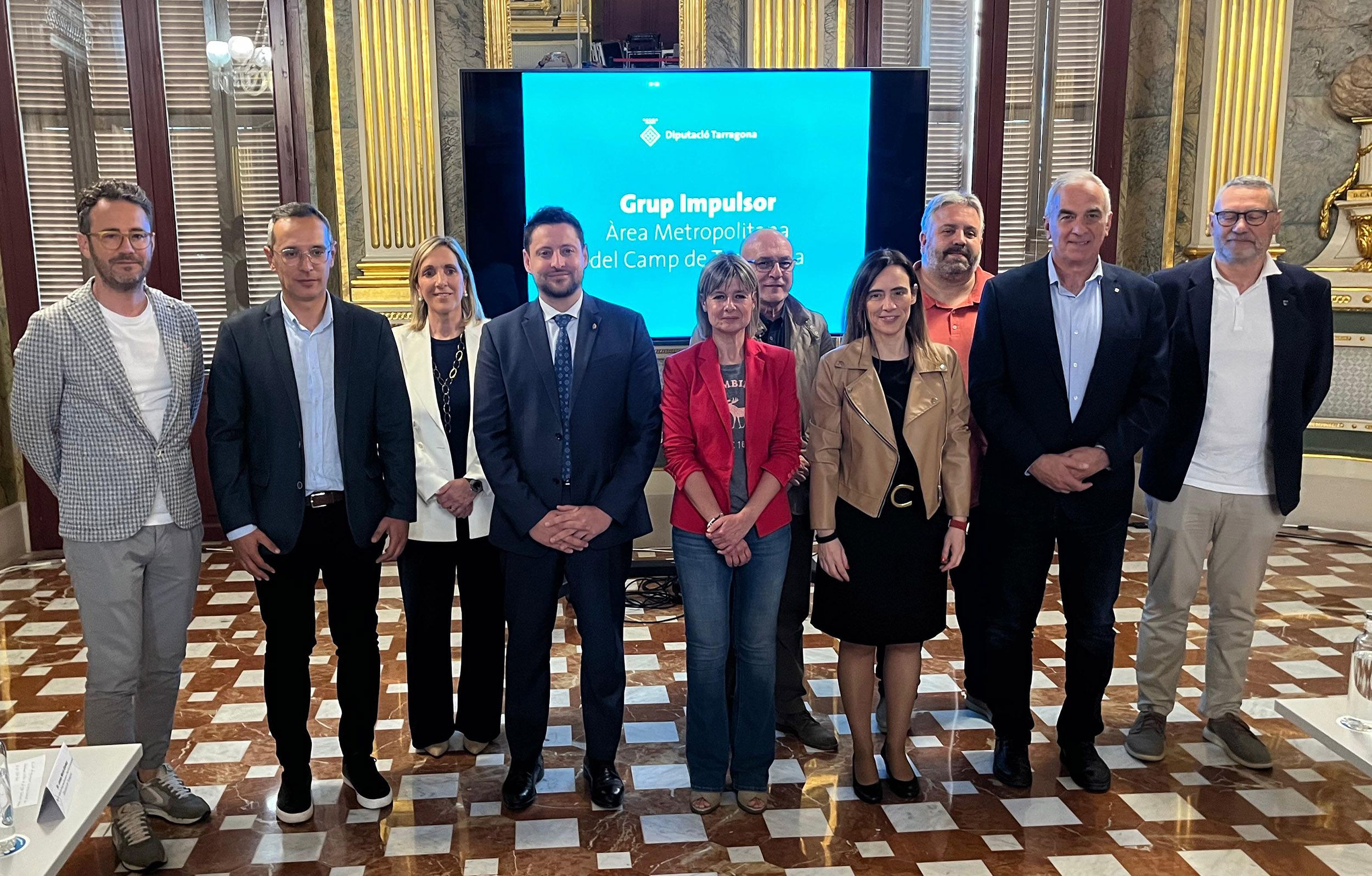
Given this eventual perspective, several mayors have expressed their opinions and concerns: while the mayor of El Vendrell defends the integration of the region into the metropolitan area of Barcelona to obtain more resources, other regional leaders fear that Baix Penedès will only be seen as a predominantly residential peripheral area for people who are displaced by housing costs in areas closer to the center of the AMB.
All of this is a debate, the metropolitan one, in which, as we have already pointed out on other occasions, Barcelona finds itself very alone, now not so much in the Catalan context, but certainly in the Spanish one, due to its status as the only formally constituted metropolitan area in the entire state to date.
Barcelona finds itself very alone: it is the only formally constituted metropolitan area in Spain to dateLately, however, some movements are beginning to be perceived. The elaboration in more than a hundred municipalities of local action plans for the Spanish Urban Agenda, promoted and financed by the Ministry of Housing and Urban Agenda, has revealed the incongruity that represents, especially in large cities, that neighboring municipalities define their future strategies without minimal coordination.
In this sense, initial steps have already been taken so that the Barcelona Metropolitan Strategic Plan, with the experience of three metropolitan strategic plans developed (approved in 2004, 2010, and 2023), can contribute to the definition of new action plans, this time metropolitan, which represent a new way of facing urban challenges for the main Spanish cities.
And we have the significant case of Madrid. The capital and most populated city in the state has until now been quite absent from debates on urban governance. The role played by the Community government as a de facto metropolitan government is often mentioned, although when asking representatives of municipalities in the southern area, the impression seems to be very different.
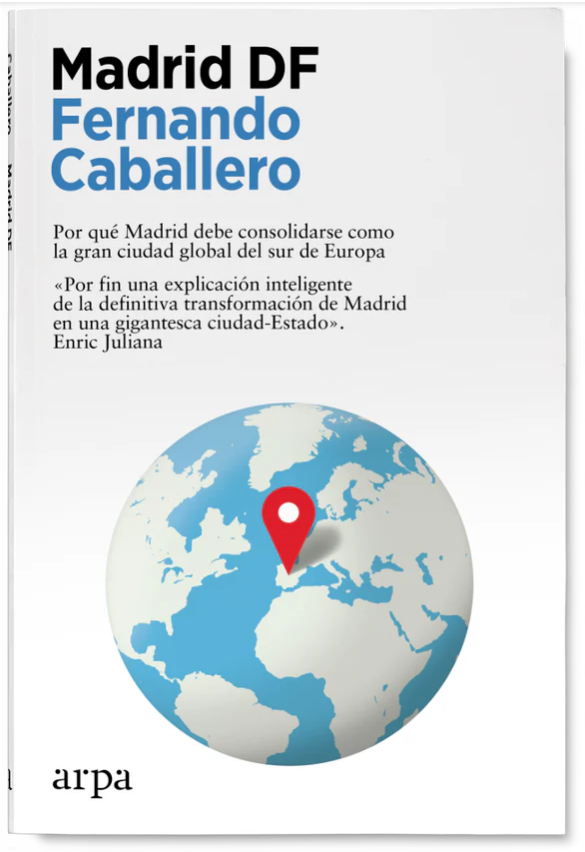
It has been the recent publication of a book, Madrid DF, by architect Fernando Caballero, that has opened a door to a certain debate on the matter based on his most striking proposal: that Madrid become a great metropolis of 10 million inhabitants.
We will talk about this book, its proposals, and its possible implications at another time, but it must be taken into account that if something starts to move in Madrid in this sense and this debate takes hold, it will be expected that positions will soon also be formulated in other large cities.
Be that as it may, from the PEMB we continue working to keep this debate current and to recognize the initiatives and projects that contribute to strengthening this real space, the metropolitan one, that of the daily relationships of five million people. Next Friday, October 18, we will do so publicly at our annual event in Granollers and with the presentation of the awards of the second edition of the Metropolitan Commitment 2030 awards.
Add The New Barcelona Post as your preferred Google source for free
Stay informed with the latest news.