Barcelona is experiencing a historic moment. Designated by UNESCO and the International Union of Architects (UIA) as World Capital of Architecture, the city has become an open laboratory to debate the future of urban spaces. Within this framework of celebration and reflection, Barcelona's public television, Betevé, with the support of CATEB, the Col·legi de l'Arquitectura Tècnica de Barcelona, has launched one of its most ambitious projects: Sota la pell de la ciutat (Under the skin of the city), a program that focuses on what truly makes Barcelona an international reference: its public architecture.
The series, a production by Incís (the audiovisual production company of Must Media Group), was born with the mission of involving citizens in this thematic year, bringing architecture down from academic pedestals to the streets and homes.
In each episode of Sota la pell de la ciutat, Pol Casellas will visit a public building in Barcelona accompanied by neighbors and pedestrians, with the aim of making it a close, spontaneous, and participatory experience. Thus, during the visits, the program will combine history, architecture, and the testimonies of the people who use these spaces.
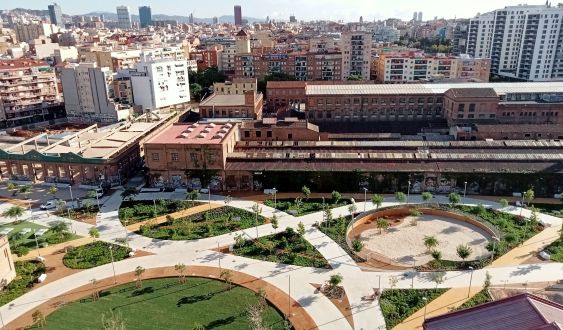
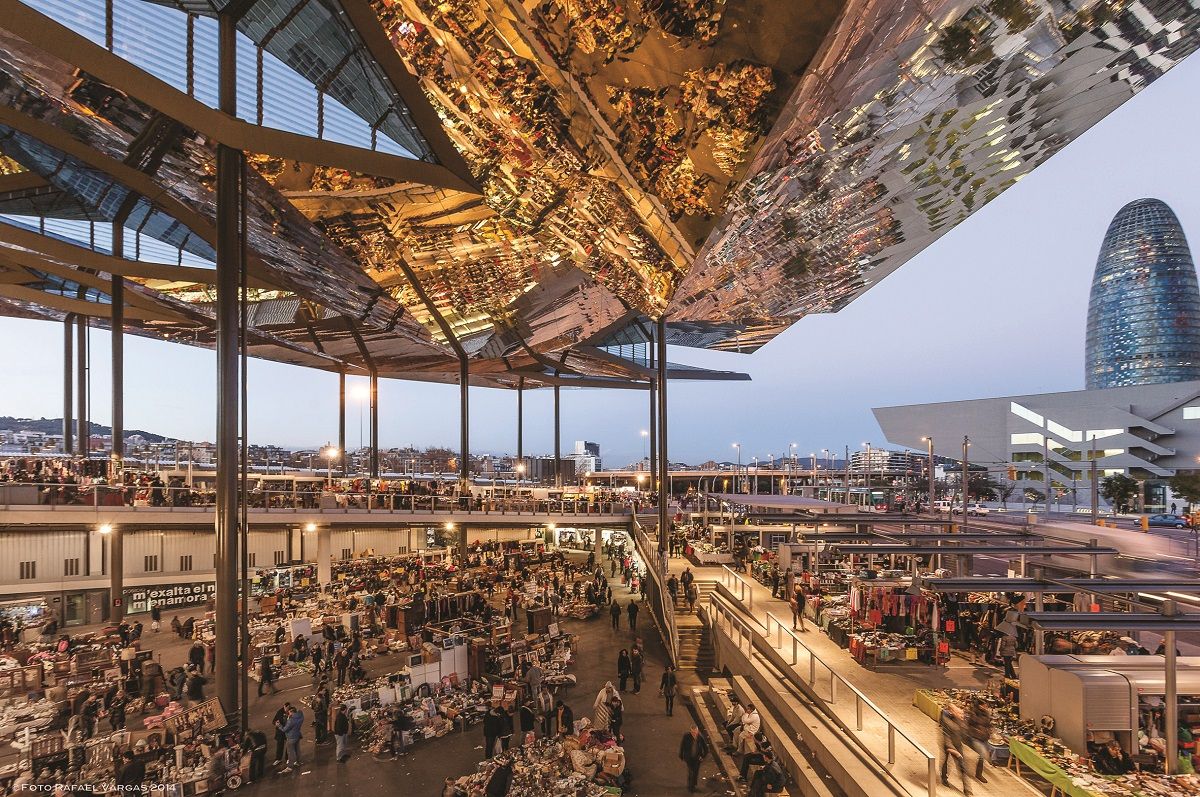
Some of the spaces that the program will show are the Centre Municipal de Vela, the CEM Turó de la Peira, Can Batlló, the Collage building, the Mercat dels Encants, the faculties of Law and Economics and Business of the Universitat de Barcelona, the Torre del Rellotge de Gracia, the Media-TIC building, the Escola Massana and the Casa de l'Ardiaca.
The 2026 capital status is not only a recognition of the modernist past, but a commitment to architecture that cares for people. With more than 1,500 activities programmed in the ten districts, Barcelona wants to demonstrate that urban design is a tool for social transformation.
Sota la pell de la ciutat aligns with this decentralizing spirit, with Casellas, architect and popularizer, in charge of guiding the audience for an X-ray of those buildings that often form part of the daily landscape but hide avant-garde architectural solutions.
Architecture as an essential service
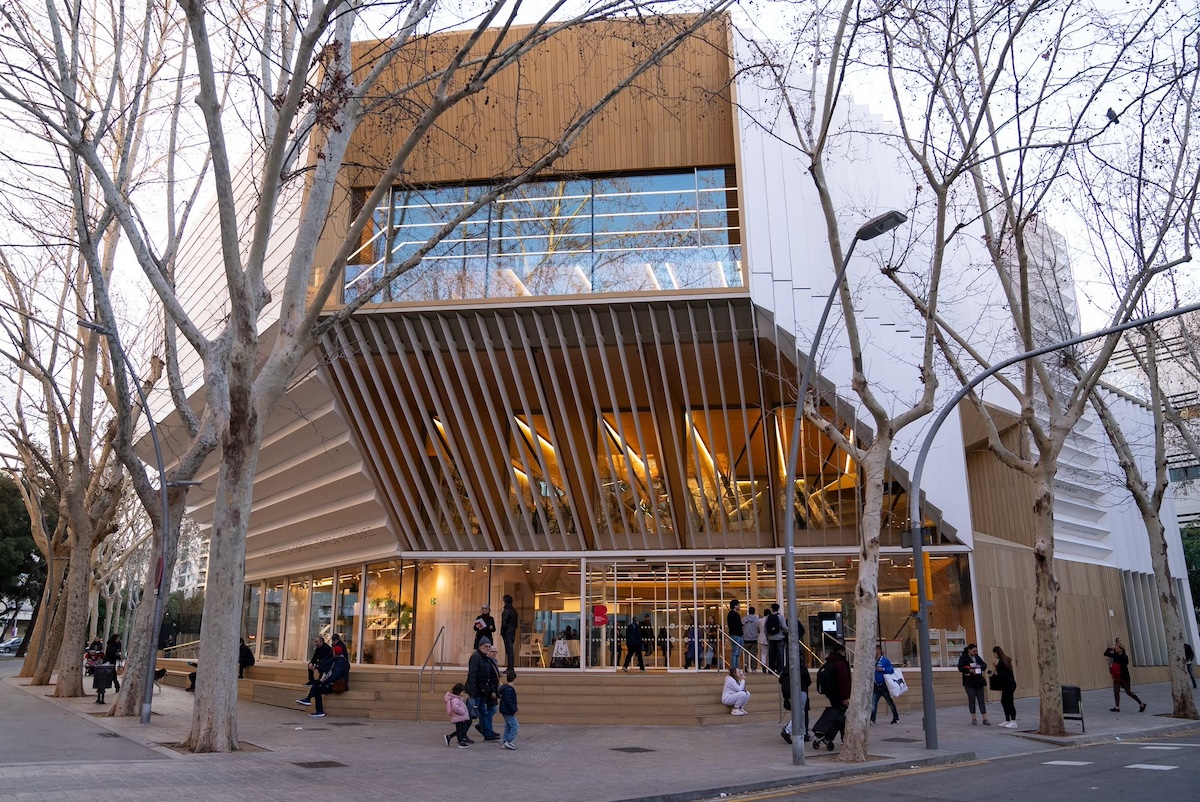
If contemporary Barcelona architecture stands out for anything, it is for its network of public facilities. From the Gabriel García Márquez Library(recognized as the best in the world) to the transformation of municipal markets or new sustainable schools, Barcelona has understood architecture as an essential service.The Incís program precisely highlights this invisible but vital architecture: how proximity facilities such as libraries and civic centers become climate shelters and centers of social life. Or how good design in a public building can raise the self-esteem and functionality of an entire neighborhood.
In a year where the world of architecture's gaze is fixed on Barcelona, Sota la pell de la ciutat becomes a guide to understanding why Barcelona is, by its own right, the world capital of design thought for people. The program can now be seen on the betevé grid (every Thursday at 10 p.m.) and on its digital platform, to explain not only how a building is built, but why it is built and how it changes the lives of those who use it.
Add The New Barcelona Post as your preferred Google source for free
Stay informed with the latest news.