
One of the regulations that has most contributed to the problem getting out of hand has been the measure that obliges owners and developers to allocate 30% of the buildable area to social housing in case of change of use, new construction, or rehabilitation. It is known that of the 2000 homes promised by the political parties that approved the measure, barely 50 have been built, and it has also caused the accelerated deterioration of the city's housing stock due to the lack of comprehensive rehabilitations or changes of use. We are undoubtedly facing one of the most ineffective measures on record.
But the big question is: Why has this happened? The answer is clear and simple: because it has been regulated behind the back of the private sector, which is, by the way, the one that has the power and the real capacity to build housing on a large scale in our city, or in other words, the private sector is the only one that holds the key to the solution to the big problem.
Given this situation, different proposals have been attempted from the public sphere to soften the 30% measure with the promise of solving the inactivity in housing construction in Barcelona, these supposed proposals have also failed to gather any political consensus and have come to nothing.
But if there were a real intention and motivation to solve the big problem: What should these new measures comply with to guarantee success and ensure that construction activity in Barcelona recovers?
Firstly, we must clarify here that the main problem of the 30% VPO (subsidized housing) is the negative economic impact that the limitation on sale prices or rents of protected housing has on the developer's numbers. This has been the main reason that has led to a null execution of new projects in Barcelona.
If instead of 30%, the obligation of the protected housing reserve were 10-15% (depending on the specific locations), the change this would entail would be very significant. In this range of 10-15% the developers' numbers and margins would become minimally viable and we would then see a notable and accelerated increase in the generation of new housing in Barcelona.
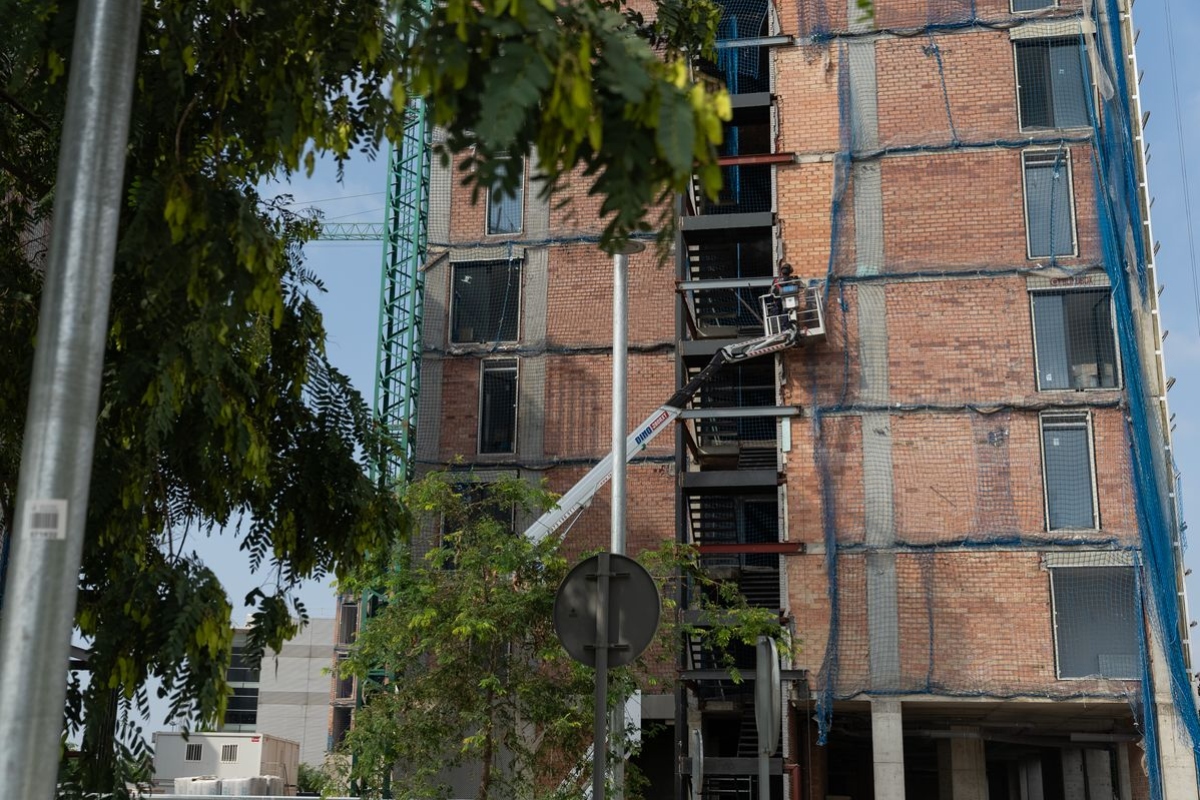
Another key aspect that any measure aimed at truly activating the supply should consider would be the possibility of monetizing the cost of reserving protected housing, as if it were another tax, meaning that the 10-15% reservation would be paid to the city council so that these amounts would finance the City Council (or public-private companies) the construction of protected housing buildings in the city. With these two key measures, a new dynamic would be generated that would indeed significantly increase the housing supply in Barcelona.
In just 2 years we would realize that we would have 15% of "a lot" instead of 30% of nothing. As long as this does not happen, developers will continue to invest in other uses and places.
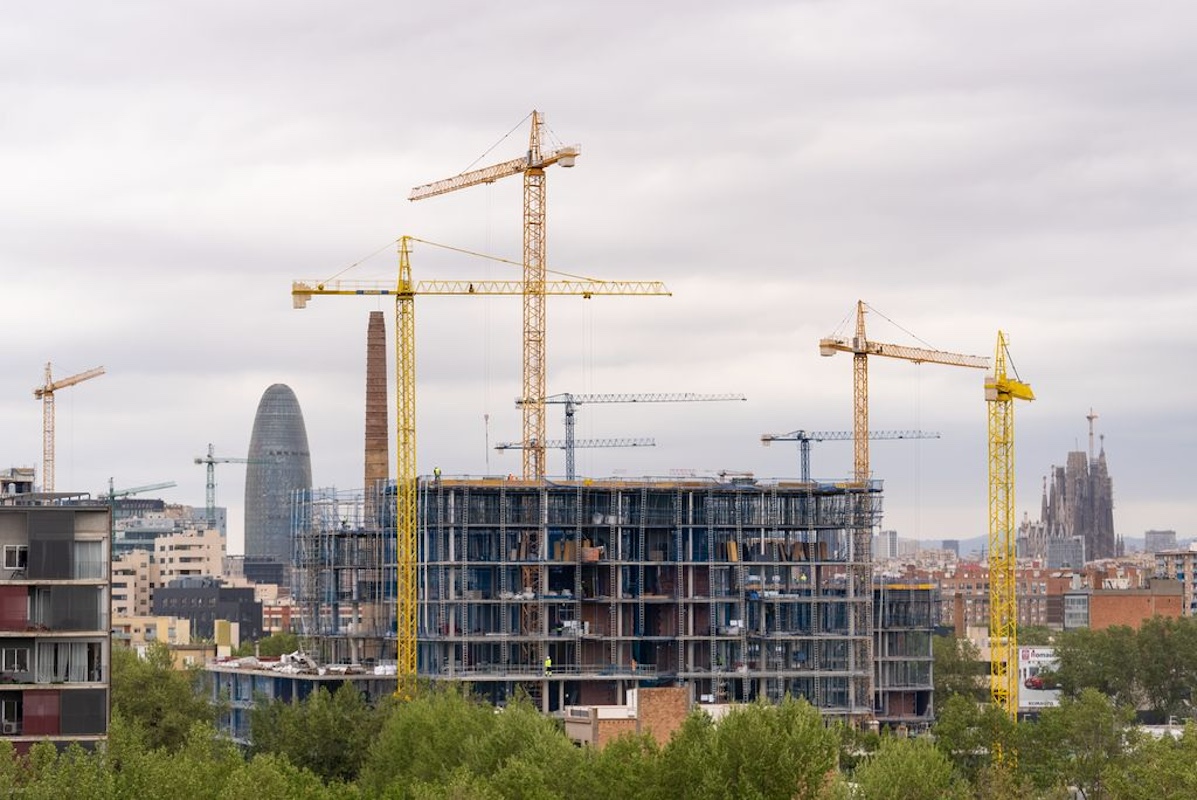
Let's remember that the private sector is like water, a colossal force that if you block its path, it finds another way, if you block it again it will find another one, and if you block it completely it will disappear to appear a few kilometers further down, in another place and another environment.
It is not advisable to confront this force, but to use it intelligently to make it work for the benefit of all. To do this, one only has to listen.
Add The New Barcelona Post as your preferred Google source for free
Stay informed with the latest news.