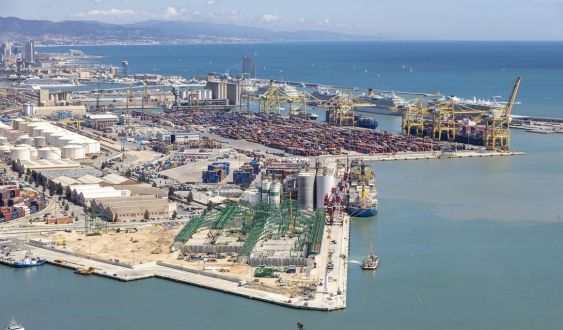
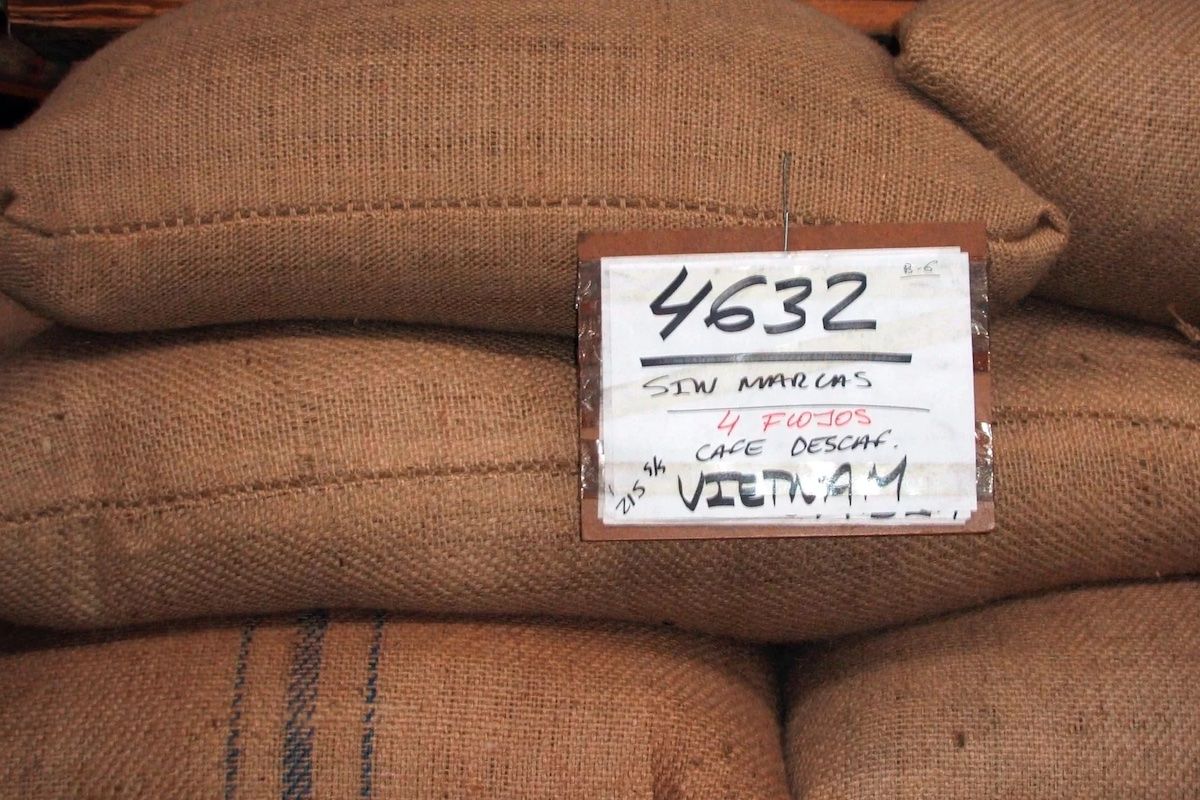
Waking up in the morning and having a cup of coffee. An everyday gesture that, however, would not be possible without a key infrastructure: the Port of Barcelona, through which it is estimated that 80% of the coffee entering the entire State passes. In fact, of the more than 300,000 tons of coffee that arrive annually in Spain —from large producing countries such as Brazil, Vietnam or Colombia—, more than 210,000 are managed by the Barcelona International Terminal (BIT), a joint venture of the Swiss multinational SGS and the Catalan group Empreses Masiques. In 2027, this terminal will reach a new dimension, with new and modern facilities in the Port of Barcelona.
The new facilities of the BIT terminal respond to the expansion of the agro-industrial company Elian, a subsidiary of the American Viserion. With an investment of more than 200 million euros to expand its vegetable protein plant in the Port of Barcelona, which will be installed on the Álvarez de la Campa dock. This was the space that, until now, was occupied by the BIT terminal, which is why this coffee terminal will have to move to a new location. However, the move will also serve "to modernize, automate and optimize processes in the new facilities," as highlighted by the director of Barcelona International Terminal, Marc Tauste.
Thus, the new BIT terminal will be built in Section VI of the Ronda del Puerto, on a plot of more than 53,000 square meters, with a 50-year concession of use. The investment for the construction of these new facilities will amount to 30 million euros —of which 10 million will be assumed by the Port of Barcelona and the remaining 20 million by the Consorci de la Zona Franca de Barcelona (CZFB)—. With an execution period of 36 months, the terminal is expected to be operational by mid-2027, and until then they will seek temporary warehouses within the port facilities to maintain their activity.
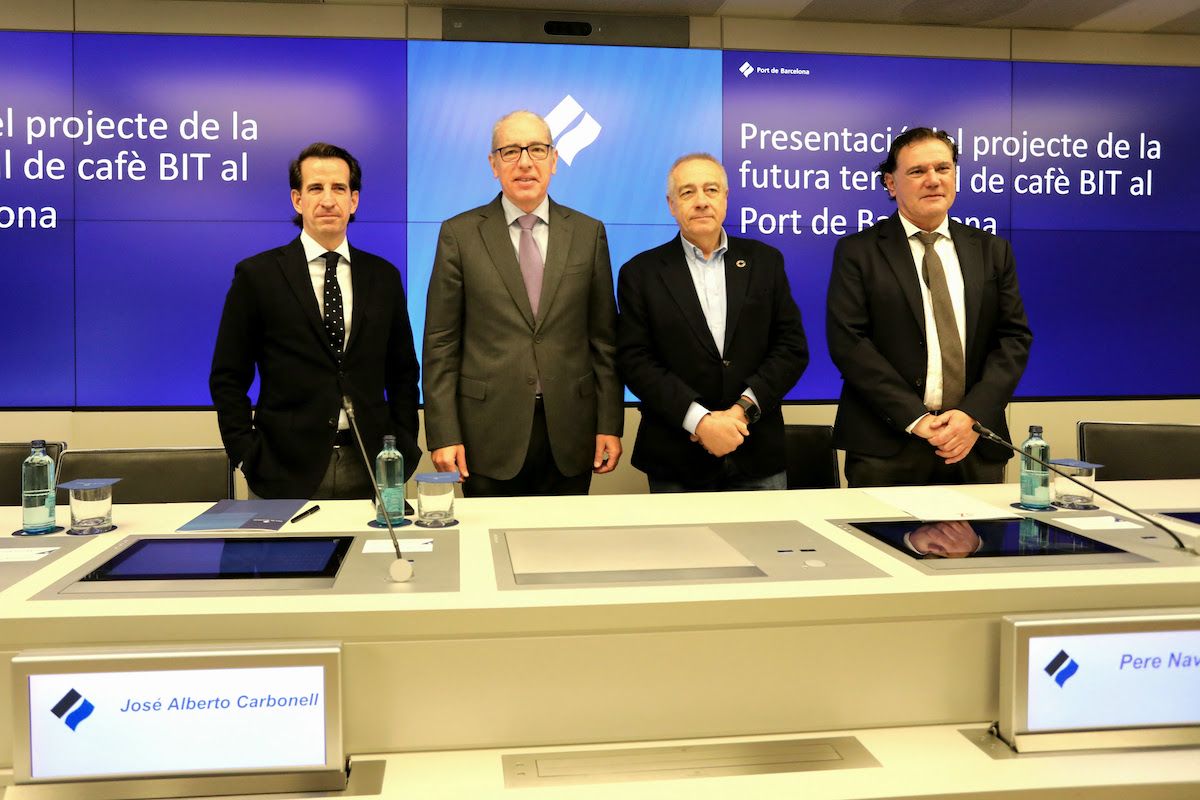
For the special delegate of the State in the Consorci de la Zona Franca de Barcelona, Pere Navarro, this is a "future project that exemplifies the importance of public-private collaboration to generate opportunities for people and the territory." It is also the result of a long process of collaboration between all parties involved —Port, CZFB and BIT— which should allow "better organization of the territory and facilitate that each activity has the adequate conditions to grow and be competitive," as highlighted by the president of the Port of Barcelona, José Alberto Carbonell.
A success story
The new facilities open a new chapter in a success story, that of coffee and the Port of Barcelona, which began almost four decades ago. In 1987, the Swiss multinational and the Masiques group inaugurated the BIT coffee terminal, from where they began to import green coffee —that is, coffee beans, unroasted— to distribute it throughout Spain, but also to European countries and even worldwide.
Four decades later, it has managed to consolidate itself as the "largest specialized coffee terminal in Southern Europe," but now it wants to go a step further and also become "the most modern," as José Miguel Masiques, CEO of the Masiques group, has pointed out. All this, with the aim of becoming a benchmark in a market —that of coffee— which, according to data from the International Coffee Organization (ICO), generates some 400,000 million dollars annually, equivalent to 1.6% of world GDP, adding all the agents involved: from its production, logistics and distribution.
"Coffee is already today the second most consumed beverage in the world, after water, and it is also the second commodity, after oil, in terms of business volume worldwide," recalled Masiques, who is part of the second generation leading the family business. And in this market, Barcelona wants to play an essential role: although the main coffee producers are outside Europe —with Brazil, Vietnam, Indonesia, or Colombia as major coffee producers and exporters—, the Catalan capital aims to strengthen its leadership as a gateway for these coffee beans for their subsequent distribution to the rest of Europe.
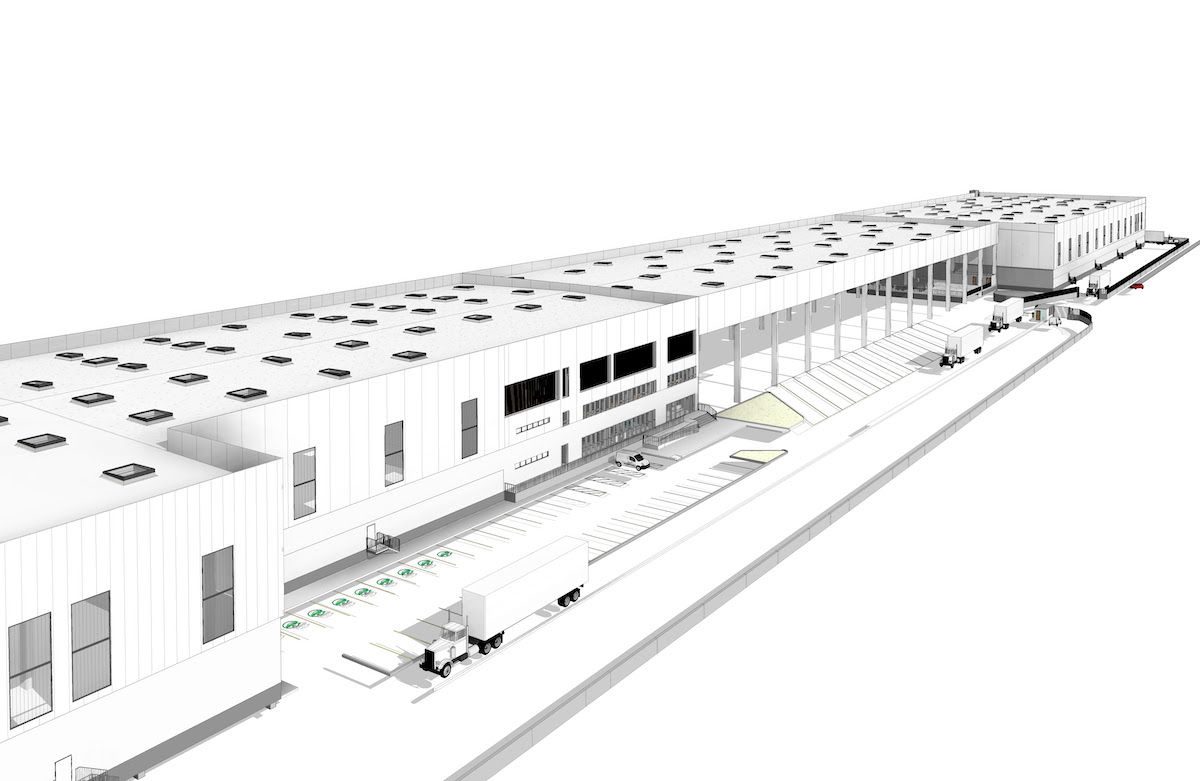
The new BIT terminal will also feature modernized facilities that will allow them to increase their capacity to carry out these pre-consumption processes. "We don't want to be coffee roasters, but we do want to have the capacity to carry out value-added processes, such as cleaning or blending," Masiques argued. Specifically, two warehouses, offices and services will be built, as well as temperature and humidity control systems and renewable energy facilities.
Although with the new facilities the terminal will reduce its surface area —from the 62,000 square meters they had on the Álvarez de la Campa dock to 53,000 meters in Section VI of the Ronda del Puerto—, it will maintain its storage and distribution capacity: directly receiving more than 175,000 tons and managing up to more than 210,000 tons annually. Likewise, the hundred workers will also be maintained, although efficiency, safety and agility of processes will be improved thanks to technological deployment.
Add The New Barcelona Post as your preferred Google source for free
Stay informed with the latest news.
