
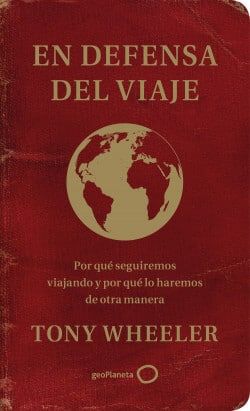
"The excess of tourists everywhere had become an ever-growing problem until covid-19 solved it all at once," provocatively writes Tony Wheeler in In Defense of Travel (Geoplaneta, 2020), a small essay written in the midst of the pandemic that invites us to reflect on why we travel and, at the same time, on all the detestable aspects of mass tourism. To put you in context, Wheeler, besides being an indefatigable traveler, is the founder of the Lonely Planet guides. Therefore, his is an opinion to take into account when considering what the future of travel will be like now that vaccines allow us to glimpse the light at the end of the tunnel.
[subscribe_newsletter_esp]
As is logical coming from someone who must have made a fortune publishing travel guides that have inspired millions of people to trot around the world, Wheeler is a staunch defender of travel. However, he recognizes the problems that overtourism entails and cites the cases of Barcelona, Amsterdam, and Venice as paradigmatic, although he explains that not even the summit of Everest is saved from tourist overcrowding. About our city in particular he writes: "Barcelona was undoubtedly a symbol of the problem, with too many visitors displacing the local population and bringing with them all the complications inherent to overtourism." Wheeler especially criticizes cruise tourism for being polluting, contributing little or nothing to the local businesses of the cities they visit and, ultimately, for having contributed to the spread of the coronavirus around the world.
Wheeler is a staunch defender of travel, but he recognizes the problems that overtourism entails and cites the cases of Barcelona, Amsterdam, and Venice as paradigmaticIf, despite being enthusiastic travelers, the pandemic is leading you to question whether it will really be worth traveling again, once we start to leave covid-19 behind, I recommend you read Wheeler and all your qualms will disappear.
It's curious that this year, when I haven't been able to travel, is paradoxically when I'm most interested in everything related to it. When I go out to exercise in the city streets, I listen to the podcast of Els viatgers de la Gran Anaconda, the veteran travel program that Toni Arbonès presents on Catalunya Radio. Although I head down Marina street, I climb into the great belly-canoe of the Great Anaconda that transports me to the monastic city of Lalibela, Ethiopia, guided by archaeologist and historian Irene Cordón; to Kyoto, Japan, to immerse myself in the world of geishas with photographer Kris Ubach, or it reminds me of the scent of incense that never leaves you when you travel through Oman, even though Alba Xandri and Ricard Calmet dared to cycle through the mountains of this unknown emirate of the Persian Gulf and I did it in an SUV.
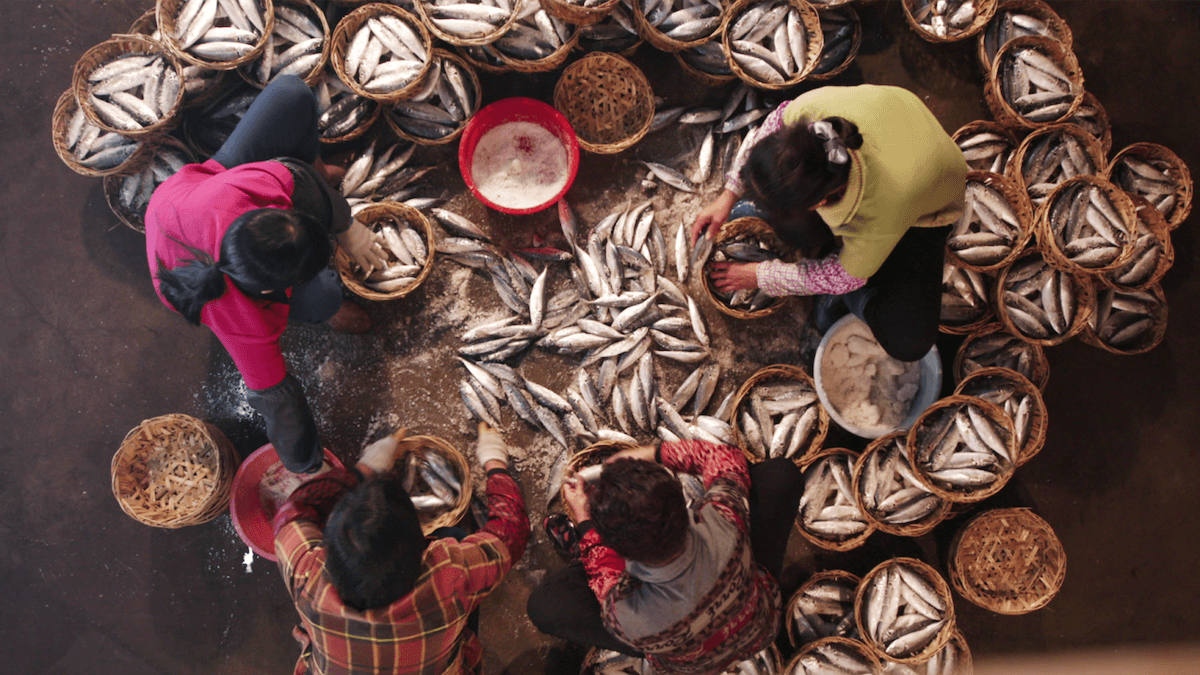
Although I head down Marina street, the great belly-canoe of the Great Anaconda transports me to the monastic city of Lalibela, EthiopiaI have also become fond of gastronomy programs that make us travel the world and learn about its culinary traditions. On Netflix, I have found some very interesting ones such asFlavorful Origins, a precious and subtle series that invites us to discover the succulent culinary traditions of the most unknown China. I also loveStreet Food, a much more mischievous series that makes me long for the noisy and lively markets of Asia and Latin America. And although I want to mention another program,Food for Phil. Although Phil Rosenthal's histrionics can be a bit much, the host knows how to convey the joy he gets from eating everything from a soup served on the street in Bangkok and a taco in Mexico City to a cod that will make you fall off your chair in an elegant restaurant in Lisbon.
Travel lovers have been forced to travel from memory, in the words of writer and traveler Xavier Moret. I find it a very apt expression to define this way of mentally traveling through books, radio programs and television documentaries or, of course, by reviewing photos of our past trips. Hopefully, in a few years, we will remember 2020 as the year we traveled from memory because it will mean that we have been able to do it again for real.
Add The New Barcelona Post as your preferred Google source for free
Stay informed with the latest news.