[dropcap letter="E"]
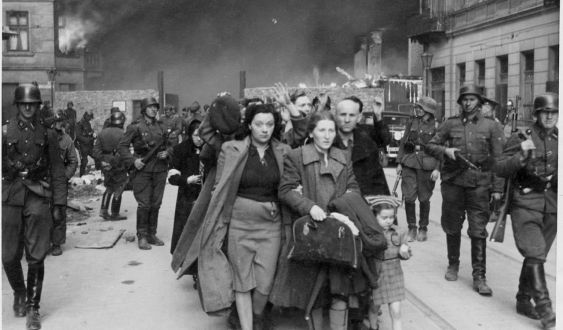
n 2018 in Poland, the centenary of the recovery of independence in 1918 is commemorated, as well as the seventy-fifth anniversary of the Warsaw Ghetto Uprising in 1943; the twenty-five years between one and the other date represent a quarter of a century without which not only is it not possible to understand current Poland: neither is current Europe. On October 7, 1918, the Polish Regency Council declared the country's independence. The borders of the new Poland would, however, take some years to consolidate: due to the Upper Silesia conflict; but, above all, due to the war with Soviet Russia —1919-1921—, concluded by the Treaty of Riga, which re-established the old Polish eastern border. Thus, with the recovery of sovereignty and the consolidation of the territory, almost one hundred and fifty years of Poland's partition by Russia and the central empires: Austria and Prussia; a century and a half marked by unsuccessful revolts —notably those of 1794, 1830 and 1863—, which did not manage to extinguish the feeling of Poles on both sides of belonging to the same nation.
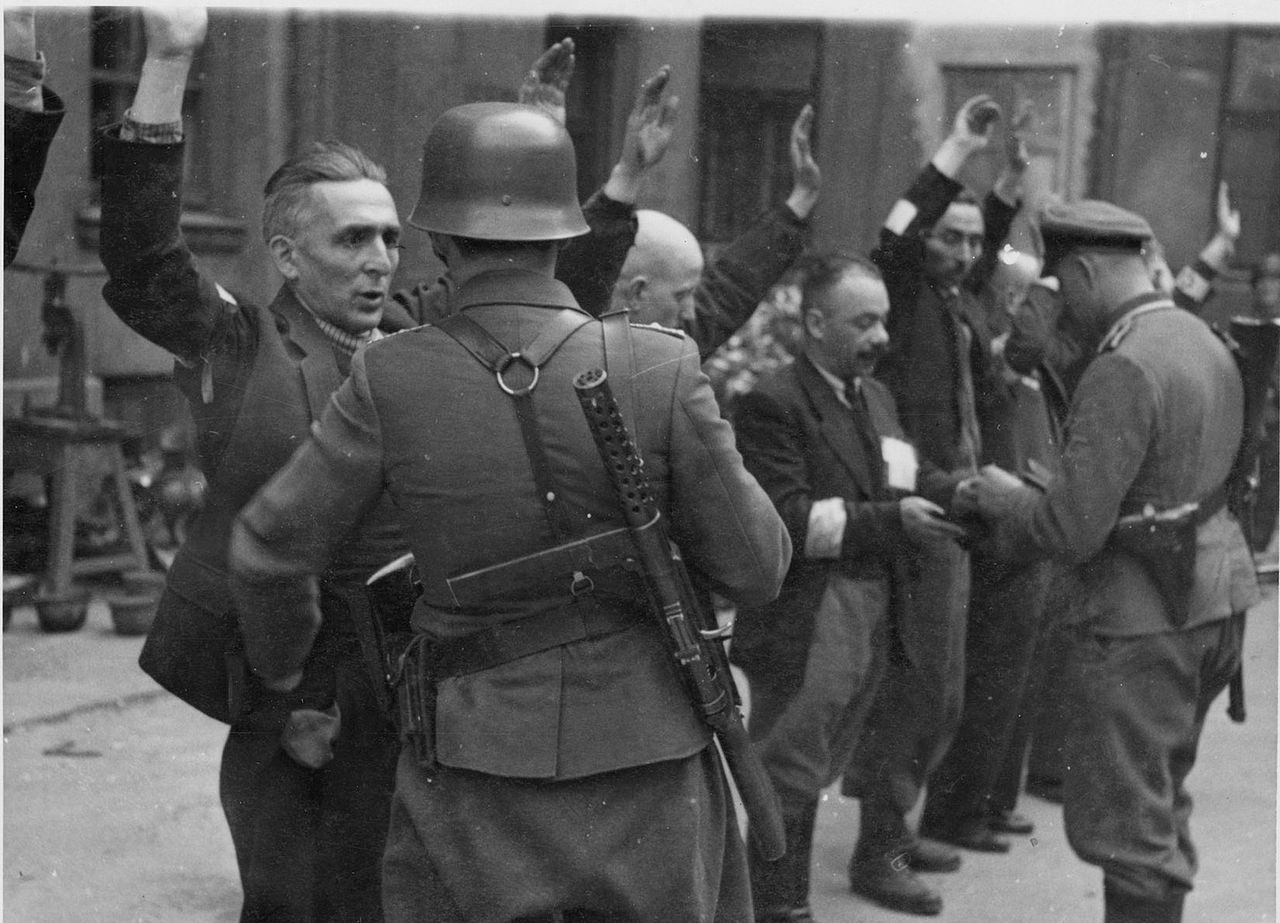
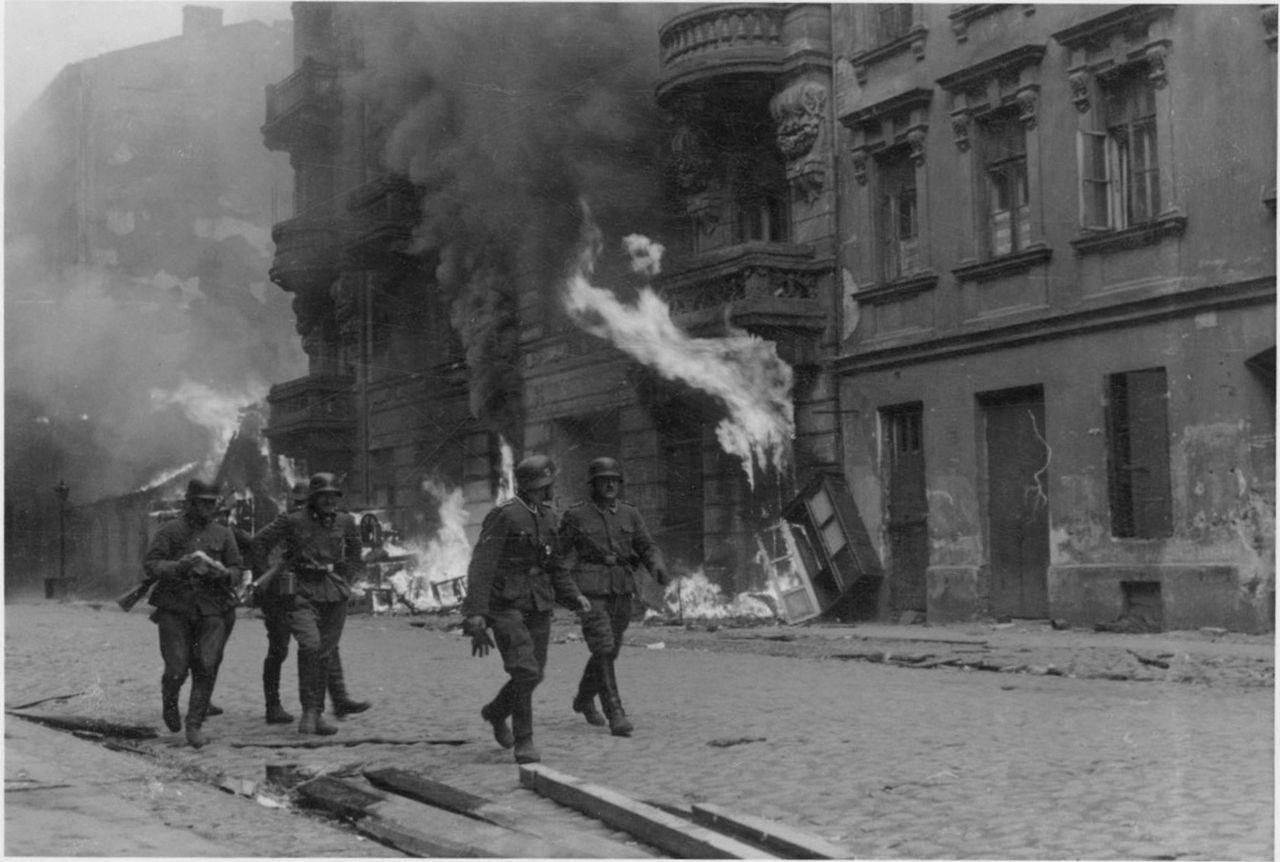
In turn, on April 19, 1943, the Warsaw Ghetto Uprising broke out, the perimeter, enclosed by a wall, where, starting in October 1940, the Germans confined the Jews of Warsaw —450,000 people—, for their progressive shipment to the Treblinka extermination camp. With the initial population of the Ghetto reduced by 80%, its last inhabitants organized themselves and confronted the Germans. It was a desperate action, doomed to failure; a manifestation of protest against inhumane treatment, which ended up being brutally crushed.
At the beginning of the Great War, in 1914, many Poles understood that the confrontation between Russia and the central empires was an opportunity to regain Poland's independence. Some argued that the way to achieve this was by supporting Russia, as was the case of the interesting poet and playwright Tadeusz Miciński, a firm defender of Pan-Slavism, who, in his 1911 story The Oaks of Chernobyl, evokes the Polish revolt of 1863 and declares himself in favor of a spiritual alliance between Poles and Russians. Others, on the contrary, believed that independence would only be achieved by forming troops that would liberate the country in the face of the collapse of both Russia and the central empires —as eventually happened—, this being the case of the painter and architect Stanisław Witkiewicz.
The re-establishment of independence and the development of a modern state, with a diversity of minorities and confessions, under the guidance of the architect of success, the first Marshal of Poland and President of the Republic, Jozef Piłsudski —1867-1935—, gave way to a period of prosperity for the Jewish communities, which, under the protection of the marshal, began a process of integration into Polish society.
During the Second World War, a large part of the Polish elites, including Jews —"for Jews were also Poles," as the poet Adam Zagajewski reminds us—, was murdered either by the Germans or by the Soviets. The terrible experience of the last war brings to the table Adorno's question about the meaning of poetry after Auschwitz and makes the project of thinkers like Miciński, of an alliance between the Polish and Russian peoples on the basis of the common Gospel, pale in comparison.
The 20th century has been the century of mechanization, of ideologies and of massive intellectual and physical annihilation; the century that oriented the consciences of Europeans towards a more cynical and materialistic thought; the century, in short, of the triumph of mediocrity. This is why the two dates commemorated in Poland in 2018 clash —apparently— spectacularly. For, if we go back to 1918, the ideals of the men of that time, heirs of the 19th century, seem irreconcilable with the overwhelming experience of the Second World War and thereafter.
Gorbachev's and Kohl's project of a "common European home" in the form of a union of states with a privileged relationship with Russia, is not going through its best hours today and it is precisely the most recent members of the European Union who are most suspected of Euroscepticism in the eyes of Western European societies. The Czech historian Jan Klima maintains, however, in a recent interview, that "the European Union worries about these countries, because it does not know them; however, these countries are the first interested in the EU working." And he adds: "changes in power balances are shaping a world order that has its correlate in the stories that each country will later consider as national, but which, after all, are the product of logics that escape their control." Indeed, a good part of the problems of the European Union lies in the mutual ignorance among its members, as well as in the vain attempt to explain facts in an unapproachable local key. The double anniversary commemorated in Poland in 2018 is a good occasion to reflect on the possibility —!rather the necessity!— of reaching, despite everything, an understanding.
Add The New Barcelona Post as your preferred Google source for free
Stay informed with the latest news.