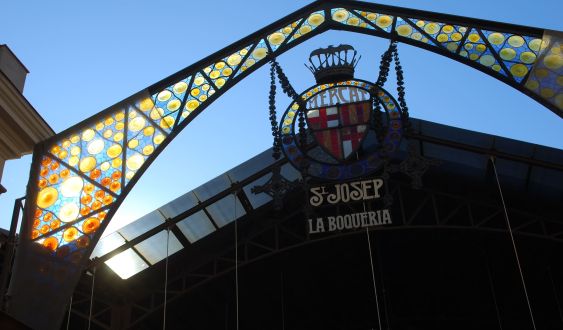
If Barcelona were a market, we all know which one it would be. La Boqueria is not only part of the city's history, but it is one of the great icons of its sentimental landscape. The book La Boqueria 1840-2020 reviews the last years of the market's history through plans and images, but above all by giving voice to its protagonists.
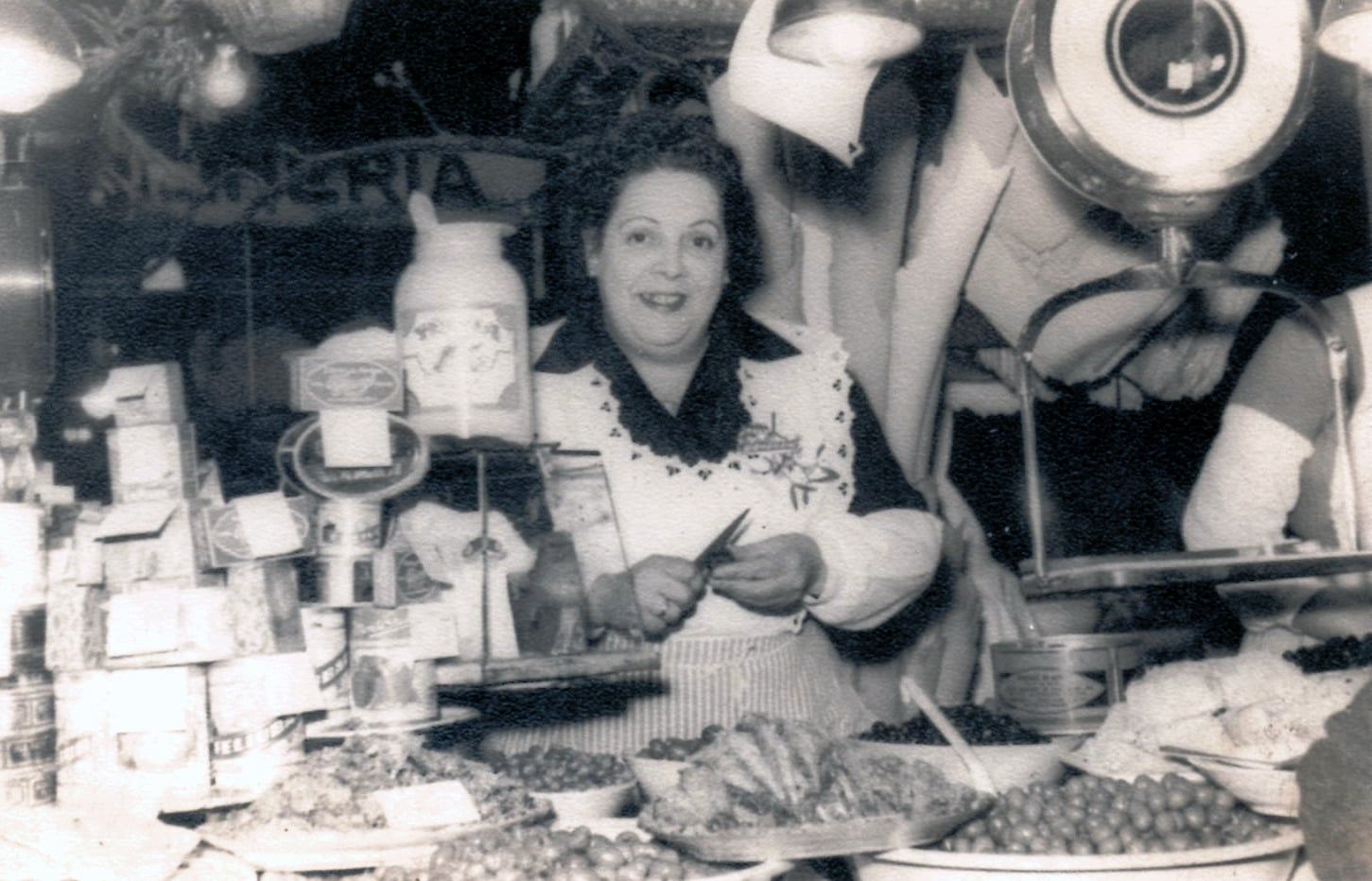
To do so, they have not followed a chronological but a thematic order, which "helps to better understand the strong relationship that the market maintains with the neighborhood, with the residents and with the city," in the words of the authors. The work approaches the market's history from different angles, exploring aspects such as the market's origins on La Rambla itself, the peculiarities of the building, the products, the market stalls, and the history of its merchants.
The authors, great specialists and scholars of markets, wanted to clarify some myths, such as those surrounding the origin of the name Boqueria. As they themselves explain, "the project arises from the desire to write a documented history of the market that complements the oral tradition that already exists." Thanks to the book we can confirm that the market takes its name from the goat meat ---boc, in Catalan--- that was sold by those butchers in 13th-century Barcelona, where only second-quality meat was dispatched, and around which peasants gathered to sell their products.
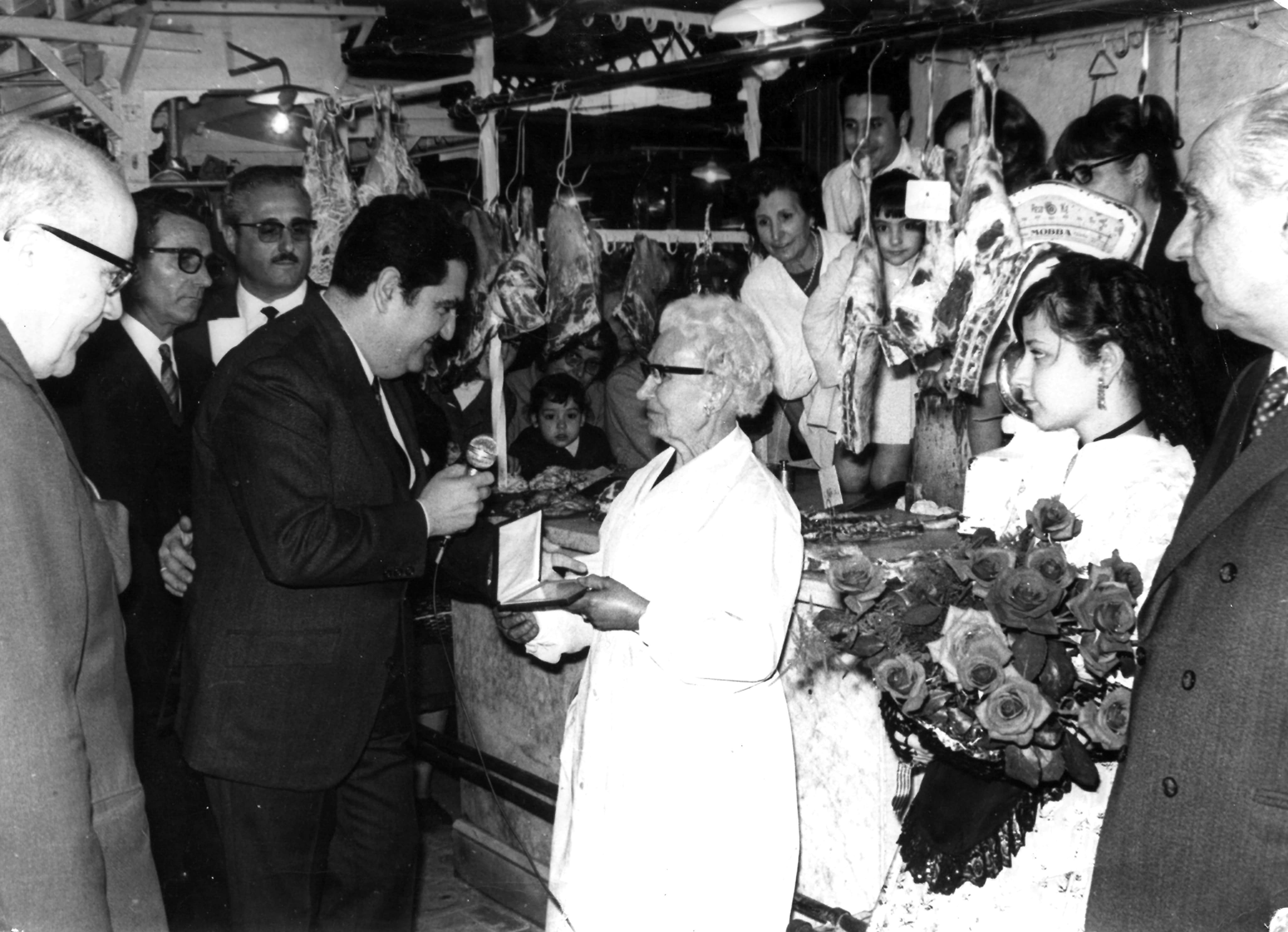
The history of this food market, located in the epicenter of Ciutat Vella, has been very defined by its popular character and public service vocation. As Matilde Alsina explains, "the popular dimension of the market is explained because it is not only a place of purchase, but a meeting point: it is a square understood as a space for exchange, in every sense." But also that "throughout history, its central location has played in its favor, but other times against it," recalling how the market was the target of anarchist bombs at the beginning of the 20th century.
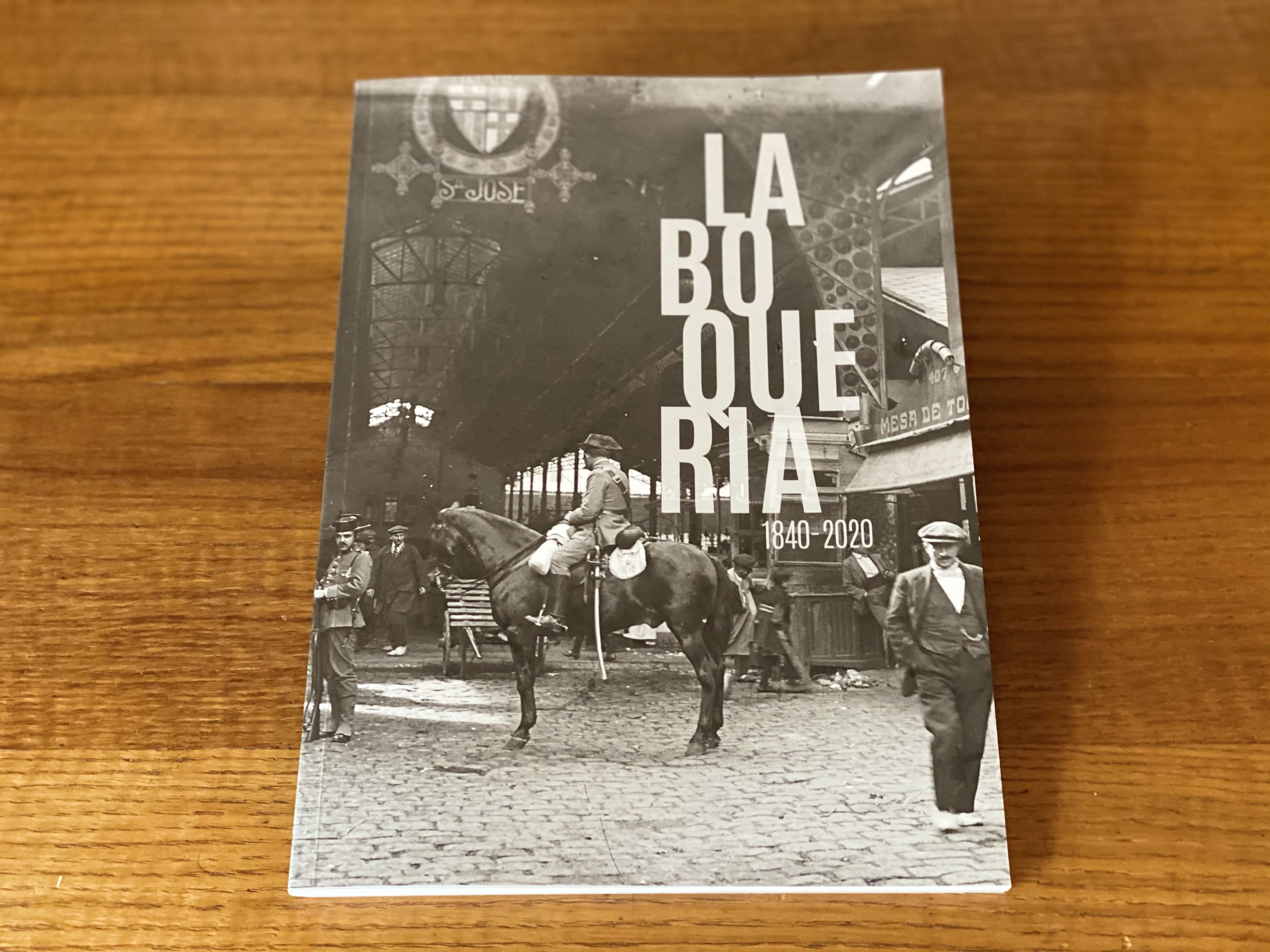
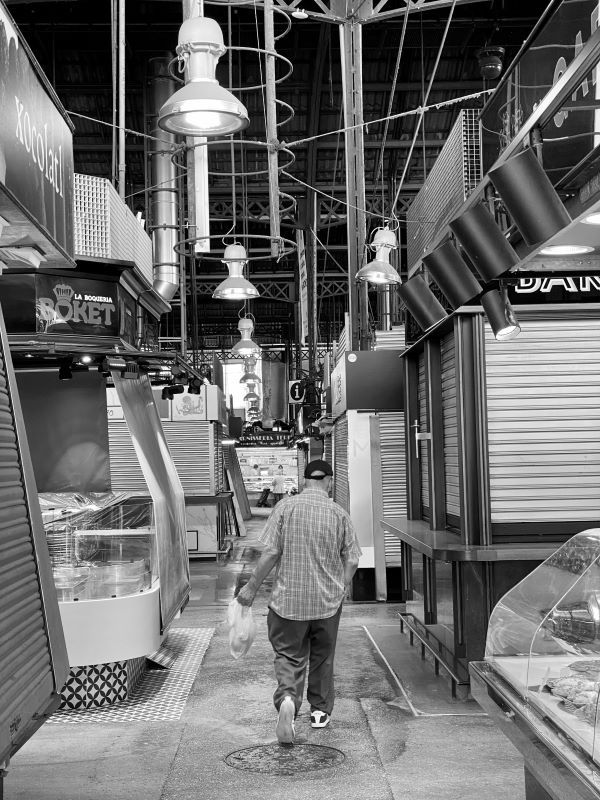
The book, which in its historical review also recalls the wholesale past of a market that is now retail and at the same time a gastronomic hub, has not wanted to be oblivious to the reality of a present that has disrupted everything. In its last chapter, it alludes to the outbreak of the pandemic caused by covid-19, recounting how merchants experienced those critical moments. Without dramatizing, the book gathers the testimony of the market workers who, despite everything, decided to remain open in the hardest weeks of confinement, thinking about how to continue offering service to their customers.
La Boqueria, a popular market and emblem of Barcelona, has managed to adapt to the passage of time and resist in a neighborhood that urgently needs to feel alive again. More than a tribute, La Boqueria 1840-2020 is a map that helps to bring together the different paths of a historical and social narrative that is still under construction.
Add The New Barcelona Post as your preferred Google source for free
Stay informed with the latest news.