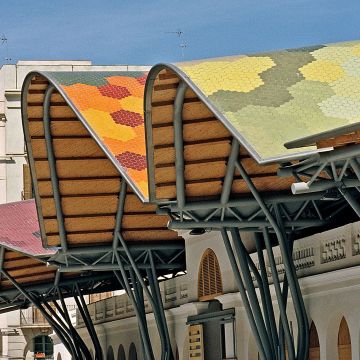
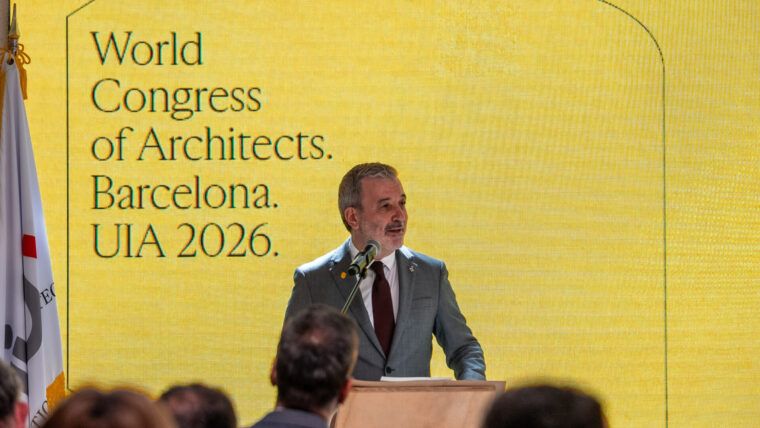
For months, Barcelona has been celebrating its status as World Capital of Architecture 2026, coinciding also with the centenary of Antoni Gaudí's death. Exhibitions, conferences, urban interventions, routes, and activities spread across the neighborhoods have extended this capital status throughout the city with the aim of making it much more than an honorary title. Now, however, the main event of this capital status arrives: starting Monday, Barcelona will host the World Congress of Architects of the International Union of Architects (UIA), the major international event that returns to the Catalan capital after thirty years.
For five days, from June 28 to July 2, Barcelona will bring together more than 10,000 architects, urban planners, researchers, and students from 130 countries. The World Congress of Architects will feature more than a hundred sessions with nearly 250 speakers, a central exhibition of 4,000 square meters, and about seventy itineraries through Barcelona and its metropolitan area. Under the theme Becoming. Architectures for a Planet in Transition, the meeting will revolve around the major challenges facing cities today: the housing crisis, decarbonization, the reuse of built heritage, and adaptation to climate change.
A congress divided between the CCIB and the Tres Chimeneas
The World Congress of Architects is structured around two main venues. The CCIB will concentrate professional activity during the day, with more than a hundred conferences, debates, and round tables distributed across eight stages. The sessions will bring together nearly 250 international speakers and will be organized around six major thematic axes that will address some of the main challenges of contemporary architecture: the relationship with nature, the circular economy, materials, interdependencies between territories, environmental awareness, and new ways of designing and inhabiting cities.
Each midday will be dedicated to one of the six major axes of the congress to avoid isolated conferences and build a continuous debate among architects, urban planners, researchers, and professionals from other disciplines.
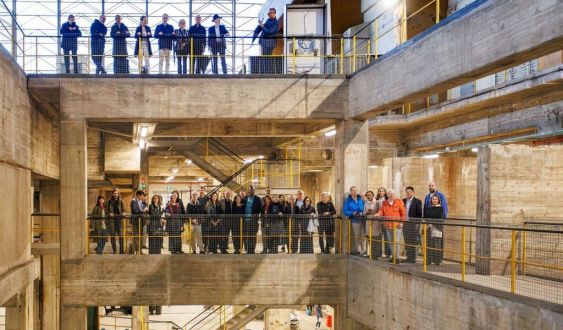
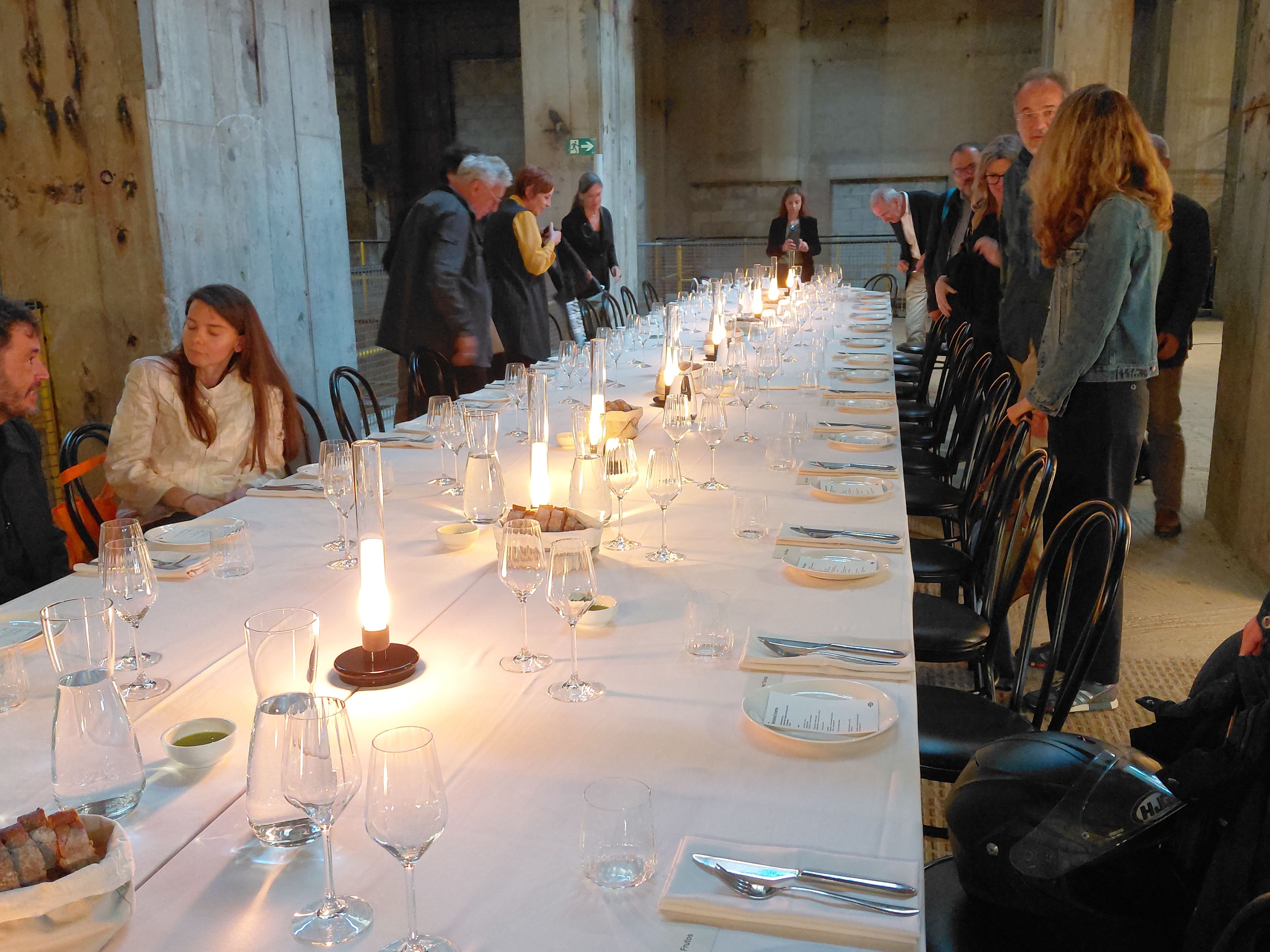
When the sessions at the CCIB conclude, the congress will move to the Tres Chimeneas de Sant Adrià de Besòs, where the Open Forums will take place every afternoon and where the central exhibition will also be located, a display of more than 4,000 square meters with models, installations, audiovisuals, and research projects developed expressly for the congress but which can still be visited after the congress. The Open Forums are open conversations in which the main speakers will participate every afternoon, facing the sea, in a much more informal format than traditional conferences.
The big names in international architecture
Barcelona will also become, for a few days, the meeting point for some of the most influential figures in contemporary architecture. The program includes several winners of the Pritzker Prize —considered the Nobel of architecture—, among them Shigeru Ban, Anne Lacaton and Jean-Philippe Vassal, Wang Shu, or Smiljan Radić, distinguished this very year.
Alongside these names, there will also be a prominent representation of Catalan architecture, with internationally recognized studios such as Lacol, Arquitectura G, or H Arquitectes, protagonists of a new way of understanding housing, rehabilitation, and sustainable construction.
The city is also part of the congress
The congress has not been conceived merely as a succession of conferences, but rather the city is part of the program, through different spaces and itineraries.
More than seventy itineraries will tour Barcelona and the metropolitan area to showcase some of its most significant urban transformations. From the modernist legacy to contemporary architecture, passing through new models of public housing, urban regeneration projects, or recovered industrial spaces, the tours invite one to read Barcelona from another perspective. Some visits will even allow access to spaces that are not usually open to the public.
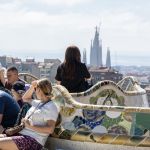
And, in addition, there will also be activities open to the public. Although a good part of the program is reserved for accredited participants, the congress also offers activities open to anyone interested in architecture or the city. One of the main novelties is the opening to the public of guided itineraries, which will allow discovering some of the most significant buildings, public spaces, and urban transformations in Barcelona and Catalonia, guided by the architects and teams that have promoted them.
The routes include reference works by figures such as Antoni Gaudí, Josep Maria Jujol, Enric Miralles, or Ricardo Bofill, but also contemporary projects signed by studios such as H Arquitectes, Flores & Prats, Lacol, or Cierto Estudio. In addition to the tours around Barcelona, full-day itineraries have also been programmed for different points in Catalonia and a maritime connection with Las Golondrinas between Moll de les Drassanes and Port Fòrum.
The Disseny Hub Barcelona (DHub) will be another of the points open to the public. The facility will host a free exhibition with a selection of projects presented by the 54 UIA member countries and about twenty conferences open to the public throughout the congress days.
Add The New Barcelona Post as your preferred Google source for free
Stay informed with the latest news.