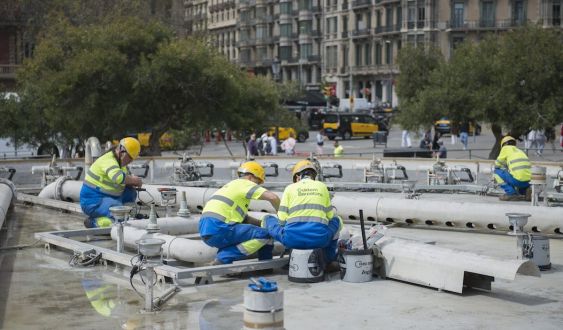
After two and a half years stopped due to drought, Barcelona's fountains will be reactivated. They will do so progressively, with a three-phase plan that will extend until the first quarter of next year, after the rains of recent weeks have allowed the lifting of the hydrological alert affecting the city and its 330 decorative fountains.
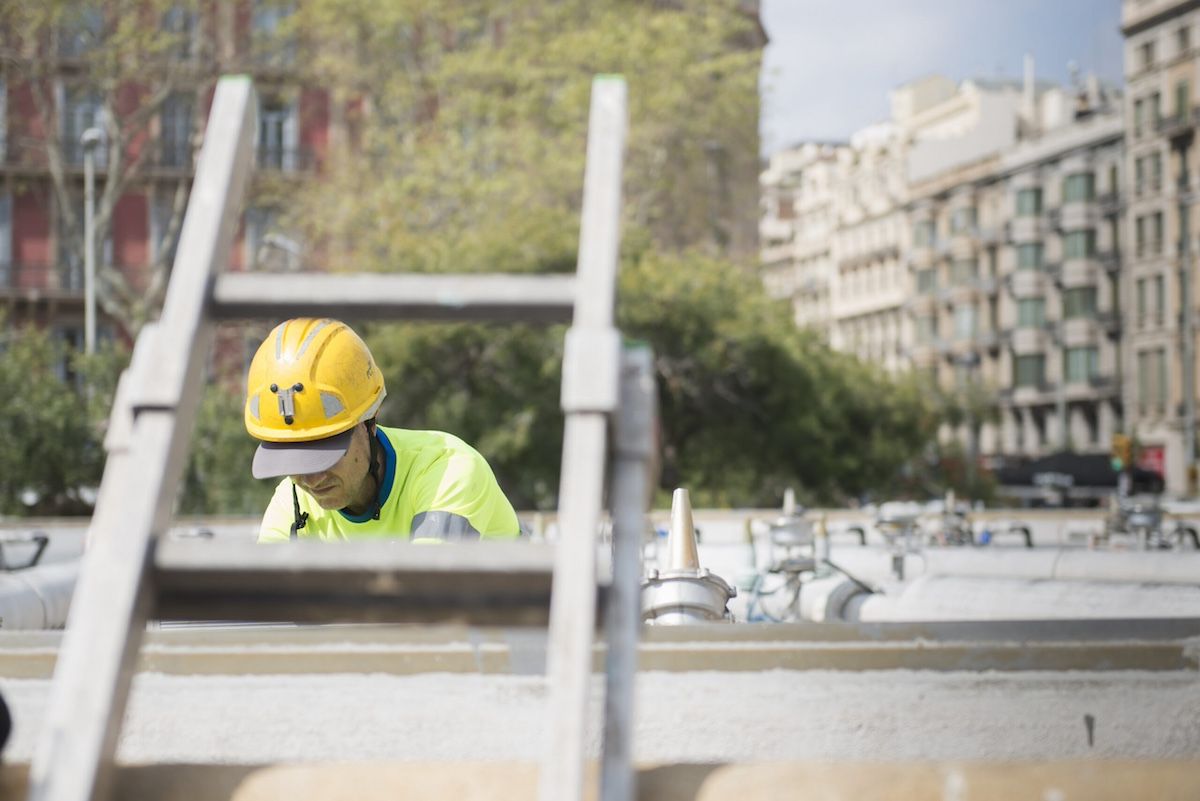
Of the 330 fountains that adorn Barcelona, 25% of them have continued to have water, serving as a refuge for life during the drought; the remaining 245 are empty, after they stopped functioning in November 2022. With the aim of bringing them back to activity, technical teams from Barcelona Cicle de l'Aigua have been reviewing and preparing them for months now, with works budgeted at 2.1 million euros between 2024 and 2025.
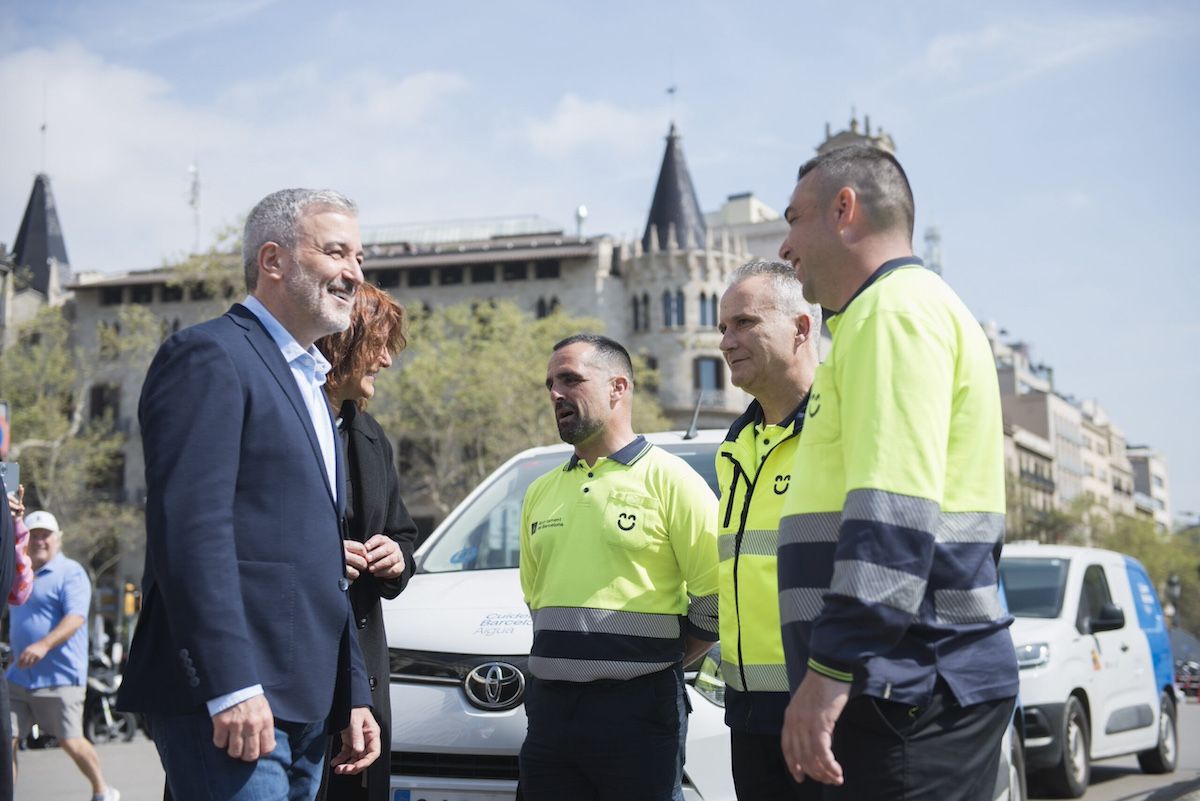
The small fountains will be the first to be reactivated: there will be 68 with a surface area of less than 40 square meters, to which will be added the five fountains on the Passeig de Gràcia axis and the Manuel de Falla fountain, in Canyelles. In total, there will be 74 fountains, which will be started before the end of June, as explained by the mayor, Jaume Collboni, from the fountains in Plaça Catalunya, alongside deputy mayor Laia Bonet.
During this period, the lakes of Espanya Industrial, the Pegaso park, and Creueta del Coll will also be emptied and cleaned, which have been able to maintain water during the drought. Additionally, before summer, seven new ornamental fountains will be put into operation.
Then it will be the turn of the 73 fountains with surfaces between 40 and 100 square meters, which will be reactivated between June and October, in a phase that will include the Magic Fountain and the Montjuïc waterfalls. The iconic fountain will dance again after summer, with the intention of being ready before the Mercè festivities, where it has so far been the star of the Piromusical.
The jets will fly over the fountain again after renovating its sound and lighting control system, which has more than 4,760 spotlights that will now be LED. The work on the fountain, which had not been renovated since the 90s, is part of an improvement plan for ornamental fountains that includes a total of 78 installations that will be worked on until 2028, with an investment of 6.6 million euros.
The remaining 72 fountains, over 100 square meters, will have water again between October and the first quarter of 2026, as their commissioning involves greater technical complexity. In addition, another 19 fountains will remain out of service because they will be affected by works or pending improvement, rehabilitation, or recovery works.
The end of the drought alert phase ---which is still in pre-alert--- not only affects the city's fountains but also irrigation, as restrictions on watering parks and gardens are lifted, an activity that will continue to be done as much as possible with groundwater to save drinking water. In addition, renovation works on irrigation systems are underway to improve their efficiency and automate them, with a budget of 17.5 million euros until 2027.
Since last autumn, when restrictions were eased, tree planting and the creation of green spaces have resumed, and so far, more than 40% of the plants and shrubs damaged by the drought have been recovered. Now, the forecast is to plant up to 9,000 trees and 8.2 hectares of plants by spring 2026.
In parallel, the City Council has accelerated the expansion works of the city's groundwater network, with an additional 20 million euros, and within the Climate Plan, it is promoting a greywater reuse system and the creation of new rainwater tanks, with the forecast of having 30 more in the coming years, which will be added to the current 15.
Add The New Barcelona Post as your preferred Google source for free
Stay informed with the latest news.
