"That a child's future is predetermined by their family's poverty is something that, as a society, we cannot allow." Child poverty is one of the main challenges Barcelona faces, and it does so not only from public administration or the private sector. It is a challenge that is fought above all by third-sector entities, which stand as an essential engine of cohesion.
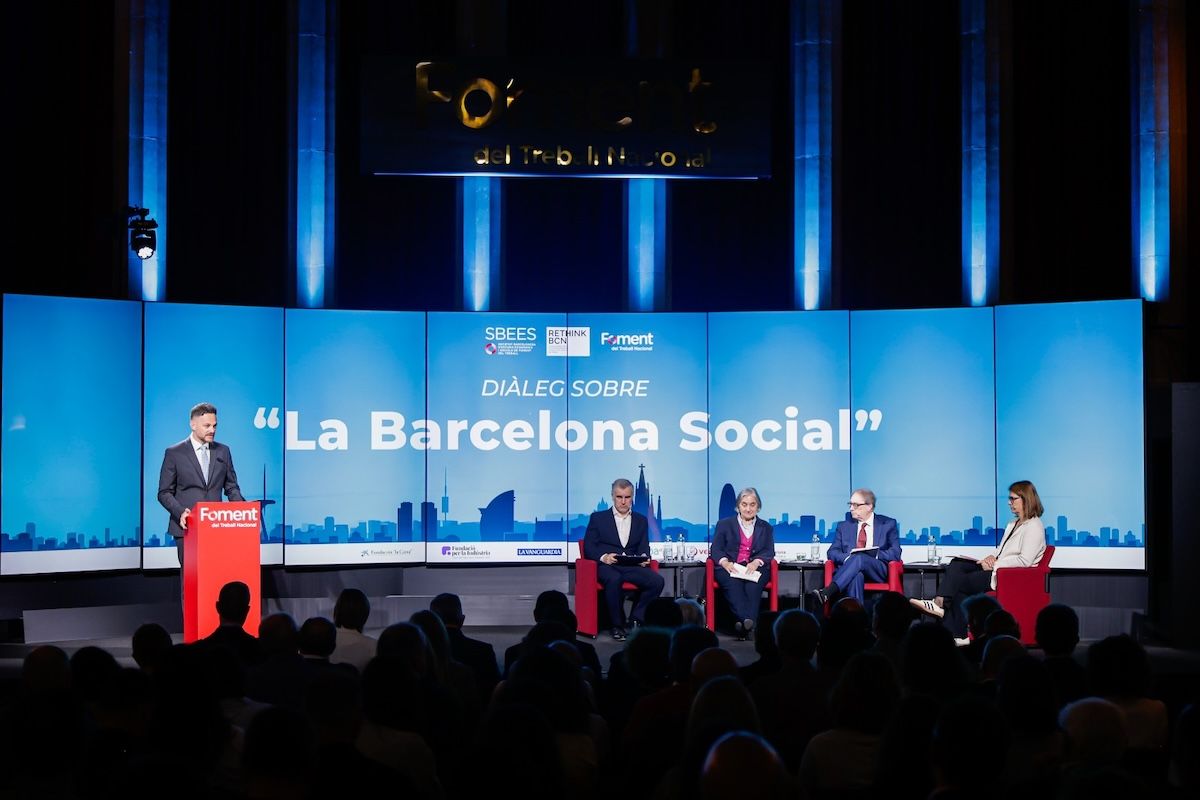
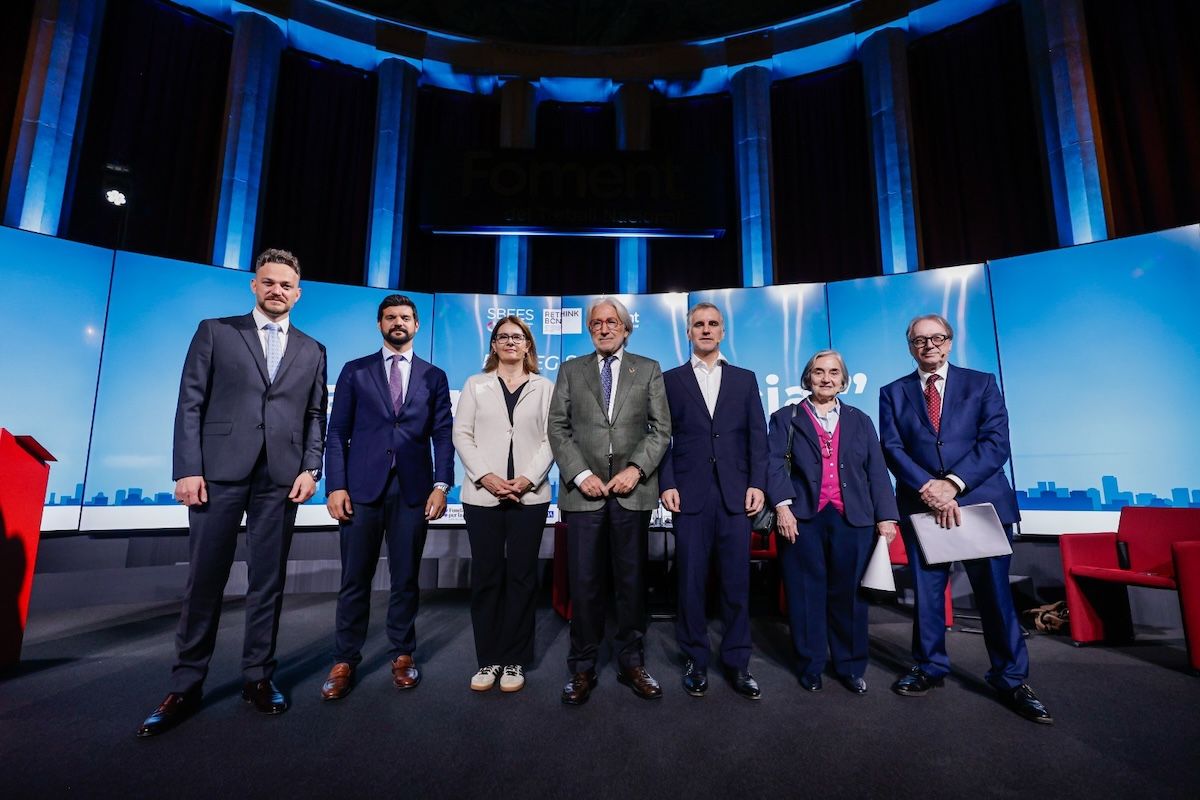
This is just one of the challenges the city faces. Access to housing, unemployment, unwanted loneliness, mental health, and many others represent a challenge for the cohesion of any large city—Barcelona included—as does "the inheritance of poverty" that Marc Simón, deputy director of Fundació la Caixa, has attacked. He did so in a dialogue of Rethink BCN and the Societat Barcelonesa d'Estudis Econòmics i Socials (SBEES) of Foment del Treball, together with the president of Fundació Roure, Llum Delàs, and the co-CEO of Catalonia H&R and president of Fundación Get Up, Guillermo Vallet.
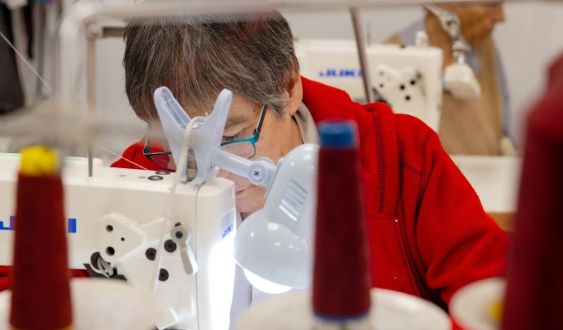
The relevance of this social dimension is difficult to quantify in data, but the figures help to illustrate it: more than two million people are attended to each year by third-sector entities, and more than half a million people mobilize year after year as volunteers. More than 300 of them do so through Fundació Roure, as Delàs explained. The entity, rooted in Ciutat Vella, has been working for more than three decades to improve the quality of life of the most vulnerable residents, from multiple, even unsuspected, angles, such as a second-hand goods store, a solidarity supermarket, and a sewing school.
Thus, "social Barcelona is an asset often less visible than others, but equally decisive," as the president of Foment del Treball, Josep Sánchez Llibre, has defended. In fact, the work of these entities is indispensable for moving towards a more cohesive society, because "there is no progress or future without social cohesion."
And this work, in Barcelona, comes from afar. The commitment vocation of Catalan society "has deep roots." Now, this vocation places the density of social entities in the city far above that present in other European capitals: "The vitality of social entities places us before an opportunity: to turn Catalonia into a country that makes the social dimension a genuine commitment to the future."
Three worlds to align
All that power and dynamism of the Catalan social sphere is multiplied when working in collaboration with the administration and with companies. "When the three worlds align and put themselves at the service of people, extraordinary things happen," he defendedFelipe Campos, CEO of Aigües de Barcelona and Director of Social Action at Veolia, at the opening of the dialogue.Thus, companies and public administration must join the social perspective of the third sector. "It is a responsibility we all have towards the improvement of society," claimed Simón, in a commitment to public-private collaboration, which Delàs agreed was a basic condition for progress.
Helping to "take flight"
As highlighted by the president of the Roure Foundation, the third sector is not simply there to give and assist: it is there to accompany people to "take flight," to provide tools for them to get ahead on their own. Get Up works with the same approach, launched in the wake of the pandemic to support families at risk of social exclusion through employment, as Vallet highlighted."We understand that welfare can become chronic. It is important to see how we find the balance between helping and boosting lives, and that people can escape precariousness and be self-sustainable over time," and that is why the foundation not only focuses on job placement, but also on training in family economics and emotional well-being.
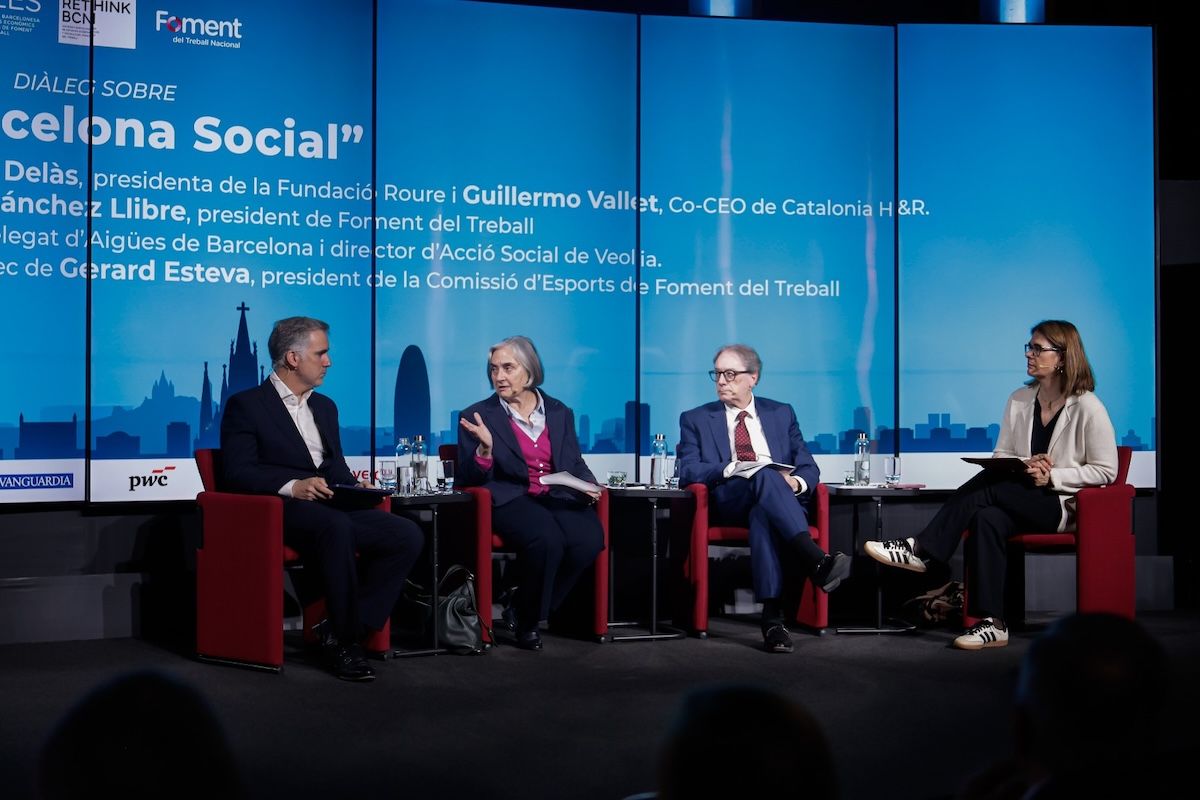
"There are many people dedicated to making Barcelona work better, to helping people get ahead, and not live off cheap welfare and useless subsidies," Delàs added. In this sense, to get ahead, not only economic resources matter, but also accompaniment.
And that accompaniment cannot be done in the same way by the administration, according to Simón, which is why the third sector stands as key. It is a matter of proximity to vulnerable people. And it is that "proximity teaches more than statistics," as Delàs argued: statistics can portray realities and trends, but needs are better detected and accompanied firsthand.
Social entities are the ones who best know these needs and how to address them, to build a cohesive Barcelona that progresses at the same pace for all its citizens. The third sector is clear about it, and so is the city, as stated by the president of the UFEC, Gerard Esteva, at the close of the event: "Barcelona will be social, or it will not be."
Add The New Barcelona Post as your preferred Google source for free
Stay informed with the latest news.