Women's sports are experiencing an unprecedented moment of expansion. The names of Aitana Bonmatí, Alexia Putellas, and Berta Abellán are no longer just sports references; they have crossed the strictly sporting frontier to become cultural and media icons. They fill covers, lead audiences, and redefine the collective imagination of sporting success.
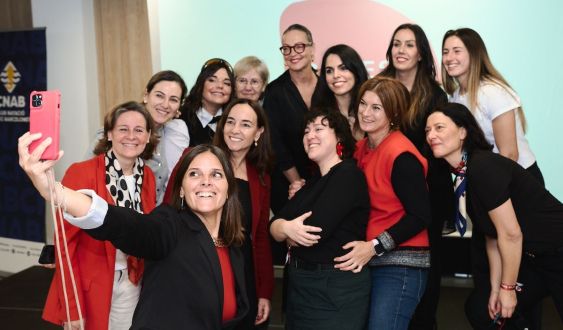
Even so, if we turn our gaze to the boxes or offices—where budgets, calendars, and strategies are decided—the picture changes drastically. While athletes conquer the world, decision-making power largely remains a male territory. With the aim of correcting this asymmetry, Dones en Joc was born, a project that has been officially presented at the Club Natació Atlètic-Barceloneta and that arrives not only to claim a space but to transform the power structures of sports from within. As its president, Berta Arandes, states, the entity emerges to make visible female executives who, despite their preparation, are still invisible to the larger system.
The analysis of the current situation requires a deep observation that goes beyond appearances. According to data from the III Study on women executives and professionals in Spanish federated sports, presented a few days ago by the Spanish Sports Association (ADESP), women already occupy 42% of positions on national Boards of Directors, an increase of four points over the previous analysis. An indicator that could invite optimism, but which hides a less balanced reality.
Female leadership continues to be concentrated in operational and administrative management areas; in fact, nearly 51% of regional federations have a woman as General Secretary or Manager. This implies that women make the machinery work, but rarely define the direction. The most overwhelming data is at the top, where only 1.5% of National Federations are chaired by a woman. It is at this point—that of strategic leadership and final decision-making—where the gap that Dones en Joc wants to address opens up. It is not so much about accessing the system as transforming it so that existing talent can also reach positions of maximum responsibility.
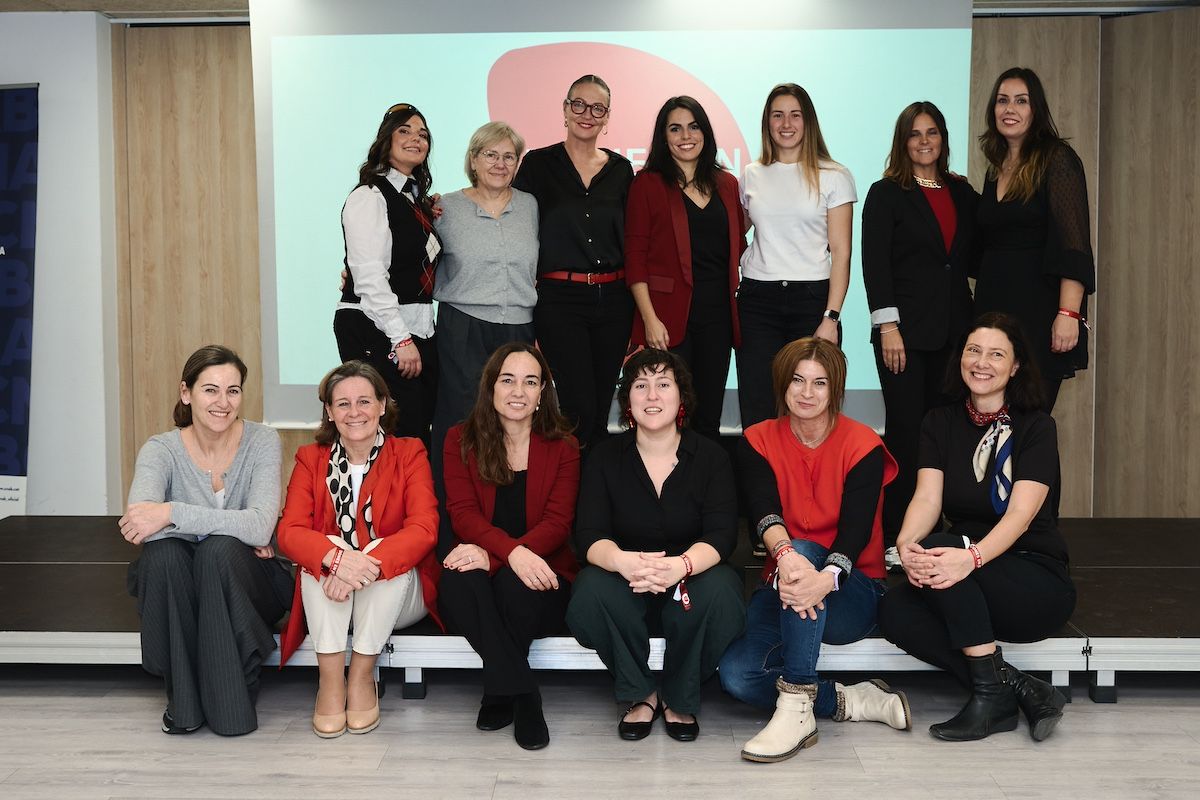
This project is not an abstract initiative, but rather stems from a shared need around a table where several female executives named a recurring sensation: professional loneliness and the difficulty of advancing in environments still strongly masculinized. Since its genesis last March, the driving core —formed by 13 leading women from disciplines as diverse as sailing, volleyball, soccer, chess, and cycling— has opted for a pragmatic approach. Here, empowerment is not a slogan, but a practice based on connection.
The need to be connected is, precisely, the engine that has led them to structure themselves around three clear axes: weaving a network to avoid isolation, making female talent visible to create role models, and, above all, taking action. The association wants to avoid rhetoric and intervene directly in sports management and the training of future leaders. The goal is to break with gender stereotypes and promote an inclusive, but also strategic and competitive leadership model.
Dones en Joc adopts a proactive and non-victimized attitude, focusing all its efforts on the roadmap for the coming years. The goal is for any woman, regardless of her condition, to have a voice, a vote, and equal opportunities in clubs, federations, and institutions, both public and private. Training will be a key piece: workshops, programs, and alliances aimed at providing professionals with the necessary skills to access presidencies and the spaces where major decisions are made. The talent already exists and is ready; the challenge is to unlock a system that still makes it difficult for this talent to reach the very top.
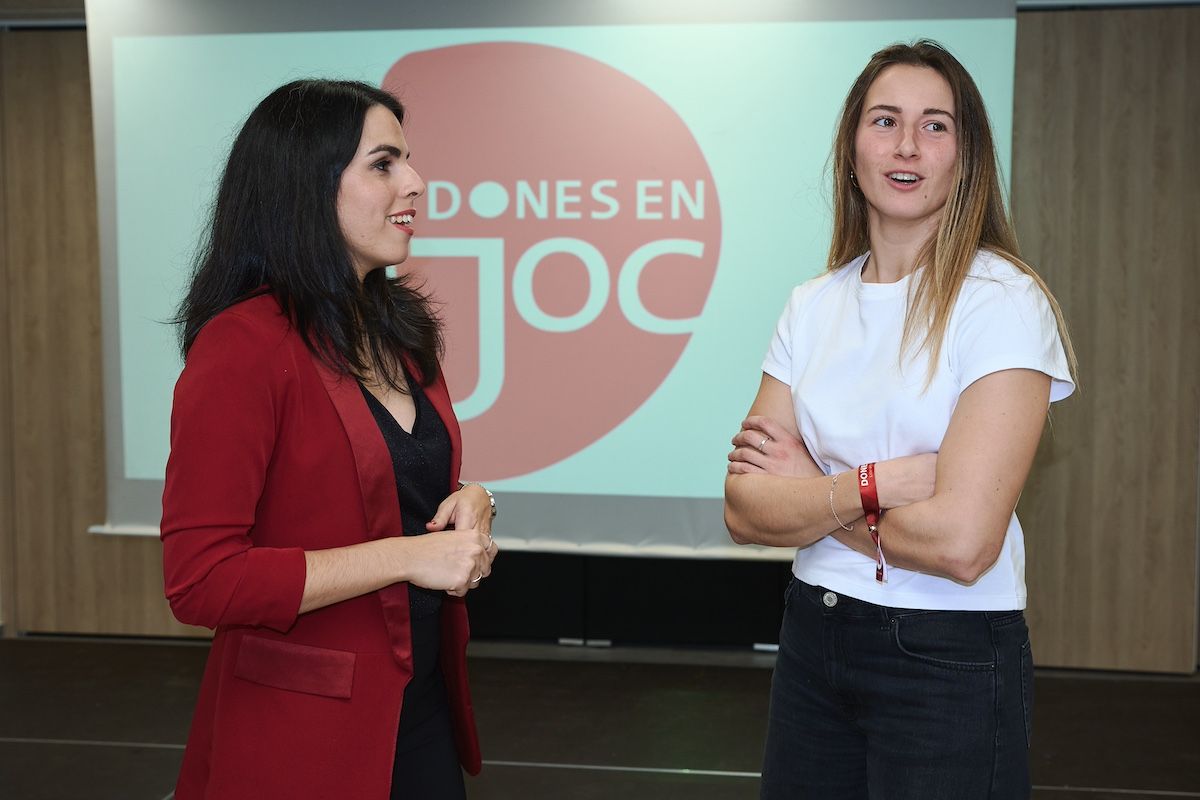
The presence at the presentation event of athlete Berta Abellán, world trial champion, as project ambassador, reinforces this transversal vision. In an environment as masculinized as motorsports, Abellán's success demonstrates that barriers can be overcome, but it is also a reminder that behind every world title there must be solid management that believes in the project. The association wants girls who look up to their role models today not only to imagine themselves competing, but also deciding the future of a club or a federation. It is, in short, about generating a new imaginary where women are not the exception in positions of power, but the norm.
The event was also a meeting point for leading women in the sector. Among the attendees were key figures such as Mireia Cammany, vice-president of PIMEC and deputy general director of EPI Industries; Isabel Pérez, general secretary of the UFEC, or Raquel Albiol, deputy for Feminism and Equality of the Barcelona Provincial Council, among other representatives of Catalan sports institutions and federations. Their presence reinforces that the transformation of sports leadership is a commitment shared by the entire industry.
More than an association, Dones en Joc is an indicator of change. An unstoppable social change that demands that the revolution experienced on the playing field also be transferred to the offices. With the support of relevant figures in the sector and a committed executive board, the project aspires to become a transformative agent of the Catalan sports system. The path that begins now not only seeks the benefit of women executives, but the improvement of the sports industry, making it more diverse, professionalized and, above all, led with a vision of the future where gender is not a limit, but an added value.
Add The New Barcelona Post as your preferred Google source for free
Stay informed with the latest news.
