When the Llobregat lighthouse was built in 1852 next to the river mouth, this maritime signal was so far from the port entrance that it was unimaginable that the docks would reach it. Nor was it imaginable that the bed of the river that gives the lighthouse its name would end up diverted to the south, much less that this marine light would end up almost completely surrounded by gas deposits, tracks for freight trains, heavy trucks, or enormous logistics warehouses.
The Llobregat lighthouse was to be replaced by the Montjuïc lighthouse at the beginning of the last century. The one on the mountain was taller, more modern, and better located. The competent authorities decided, however, to keep both and even electrify the older one 65 years ago. Except for the residents of the Marina neighborhood, who sometimes ask to visit it, this lighthouse is largely unknown to most Barcelonians. As are, for the general public, most of the facilities of the Port of Barcelona, apart from those of Port Vell, the most citizen-friendly port.
Opening the doors
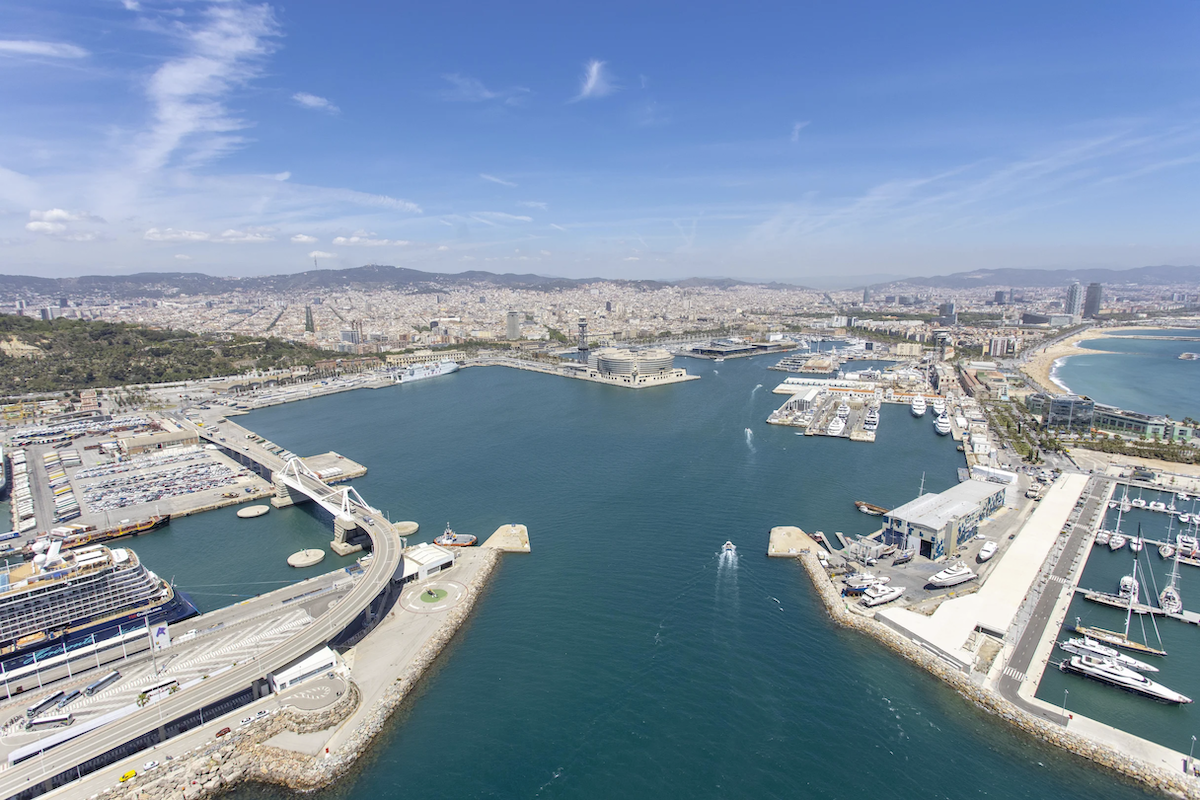
For some years now, the Port has been trying to compensate for this situation by organizing an open house weekend that is always a success. The 2026 conference will be held on the last weekend of May (Saturday 30 and Sunday 31), and being able to visit the Llobregat lighthouse will be one of the great attractions of an edition with a mix of traditional activities and novelties, and with a president of the port, José Alberto Carbonell, who showed a rare enthusiasm in an institutional appearance. He confessed that, if some events make him especially excited, the open house he presented with David Pino, manager of Port Vell, was one of them.That the citizens of Barcelona and neighboring municipalities go down to the port is important: to get to know it and to understand the weight and importance of this place that provides work to a community of 40,000 people, which not only occupies part of the maritime front of the Catalan capital, but also causes other municipalities like El Prat to cede part of their territory to its facilities. As Carbonell recalled, this practice of opening ports to those who want to know their inner workings is common in northern Europe, although it is still uncommon in the south.
This third edition arrives with the backing of the numbers from the previous one, which attracted more than 15,000 visitors, and expands the offer to almost 5,000 places for land and sea visits. Tickets can be reserved starting Tuesday, May 19, at 12:00 p.m., with a symbolic contribution of one euro destined, at the visitor's choice, to Stella Maris, which supports merchant mariners in difficult situations, or to the Fundació CRAM, dedicated to the conservation and recovery of marine animals on the coast of El Prat de Llobregat, where it occupies the old golf course facilities next to the airport.
Modern terminals and ancient lighthouses
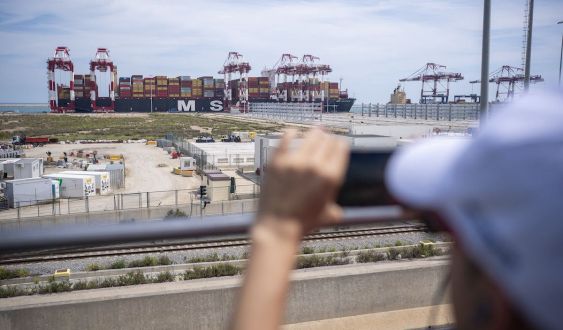
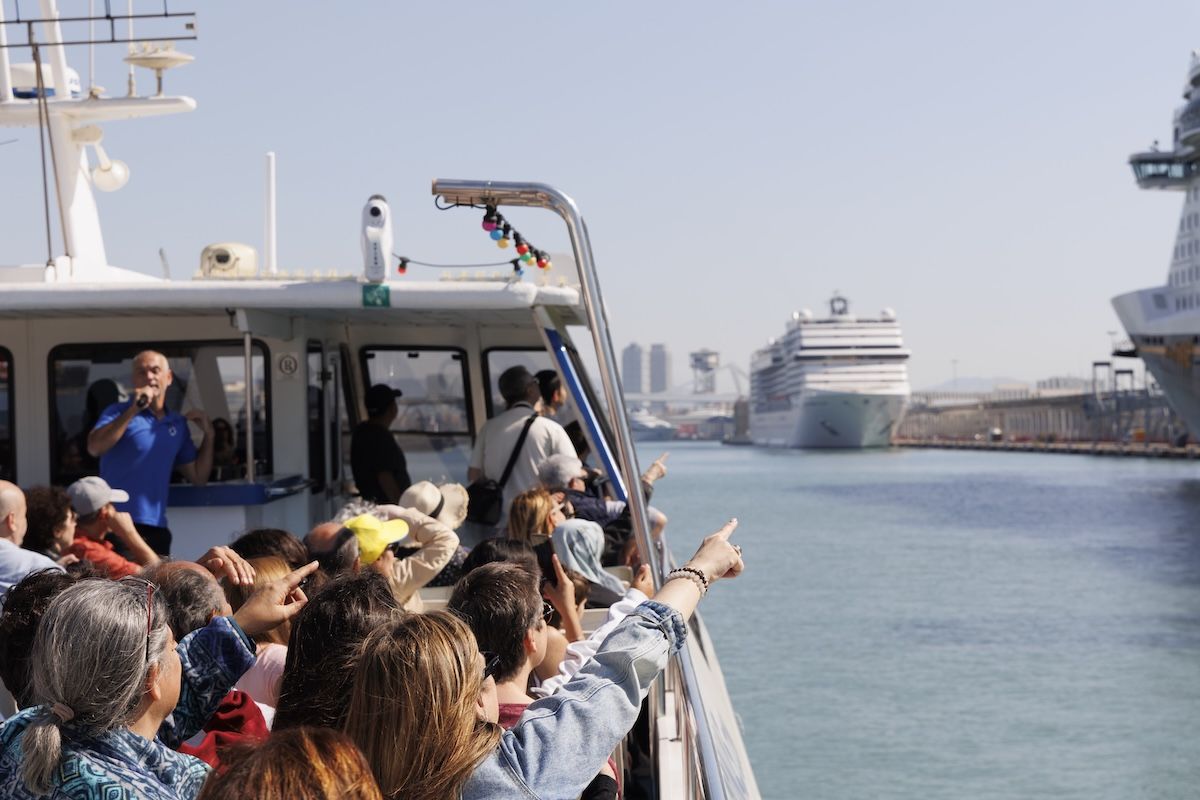
The visit program is structured into three main modalities. Terrestrial visits, by coach, allow visitors to enter the restricted access area of the port facility with three different itineraries: one with entry to the modern container terminal Hutchison Ports BEST, another with access to APM Terminals Barcelona and, as a great novelty this year, one that includes the aforementioned and veteran Llobregat lighthouse, which also houses a small interpretation center for maritime signals.Sea visits, aboard Las Golondrinas, offer a 90-minute guided tour navigating through the port facilities to closely observe the activity of the main logistics hub of the Mediterranean on much longer routes than those offered daily by this navigation company.
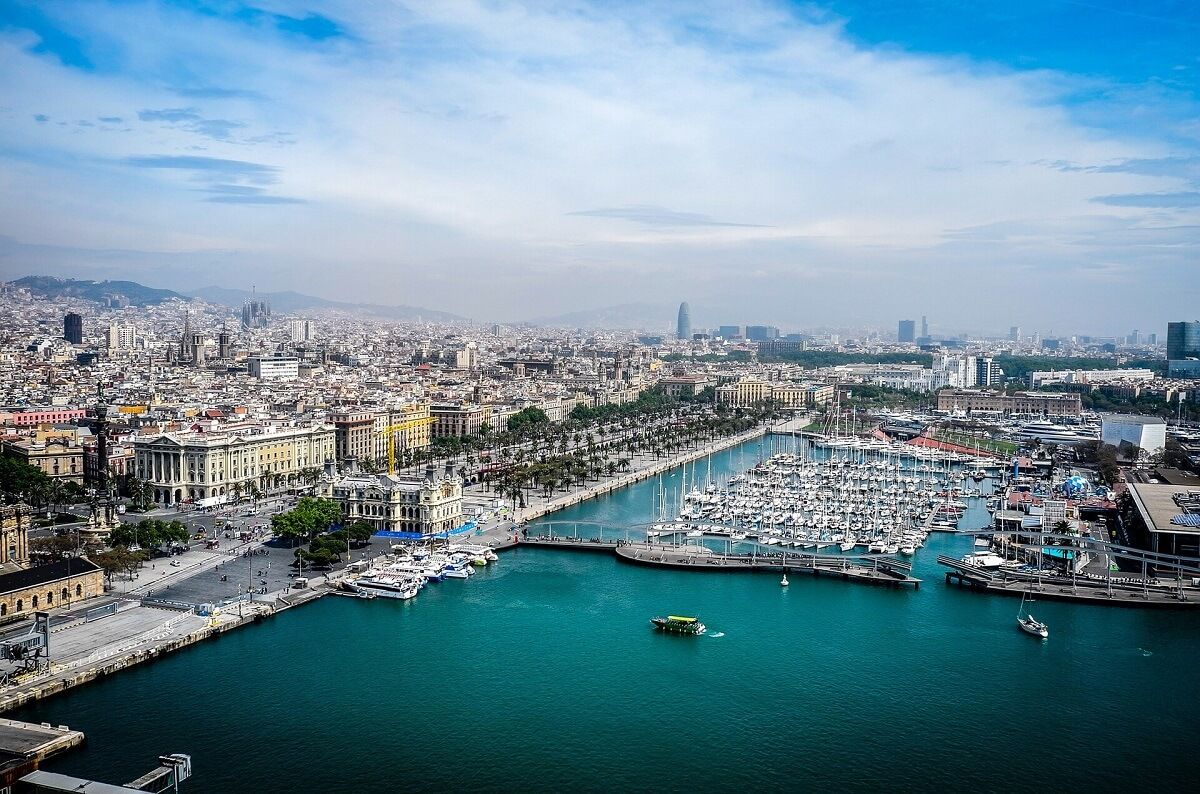
The program is completed by dramatized visits: historical walking routes that start at the Portal de la Pau building (former passenger terminal and also former headquarters of the Port Authority, now in its final phase of remodeling) and conclude at the Palau de Mar, passing through the Moll de la Fusta and the monument to Joan Salvat-Papasseit, combining heritage, port activity, and citizen narrative.
There is a novelty in the water that promises to become the image of this edition: el ball de vaixells, an unprecedented maritime spectacle that can be enjoyed on Saturday, May 30, at 12:00 noon from the Barcelona East Pier, next to the World Trade Center and within sight of the MB92 shipyards. Carbonell prefers to keep the mystery, although he points out that this "naval dance" is better known in ports in other areas of the continent and that it will be unprecedented in Spain. What little is known is that tugboats will be the protagonists, coordinating movements to the rhythm of music and combining them with water jets, along with other smaller vessels such as mooring or pilotage boats. Access will be free, with limited capacity, and will last between 30 and 45 minutes.
And a solidarity side
On Sunday, the day will start at 9:00 a.m. with the tenth edition of the charity race KM Against Cancer Deichmann, whose entire collection will be allocated to oncological research and to the free services of the Association Against Cancer in Barcelona. The 5 km race will run along the roads of Port Vell, passing through Rambla de Mar, Moll de la Barceloneta, and Passeig de Mare Nostrum, while the 2 km modalities and children's races will offer a more accessible circuit around Moll de la Fusta.The program is completed with a wide range of parallel activities: the World Trade Center organizes the Vora el Mar day with music, DJ, and family workshops; the Fundació Barcelona Capital Nàutica offers light sailing trips between the Moll de la Fusta and the Rambla de Mar; and on the gastronomic front, the Barcelona en Boca initiative proposes showcookings of Catalan cuisine with local products.
For their part, the Museu Marítim de Barcelona and the Museu d'Història de Catalunya have also joined the bandwagon of showing the port to anyone who wishes and will have free access throughout the weekend. L'Aquàrium also joins with special promotions for families.
The port, which for decades has been perceived as an infrastructure alien to the city (necessary but distant), has been committed for several springs to breaking down that invisible barrier. These days are the most visible expression of that effort. And the Llobregat lighthouse, that solitary guardian when it was first lit 174 years ago and today surrounded by gas pipelines and cranes that almost no one knows, will be its most prominent symbol in 2026.
Add The New Barcelona Post as your preferred Google source for free
Stay informed with the latest news.