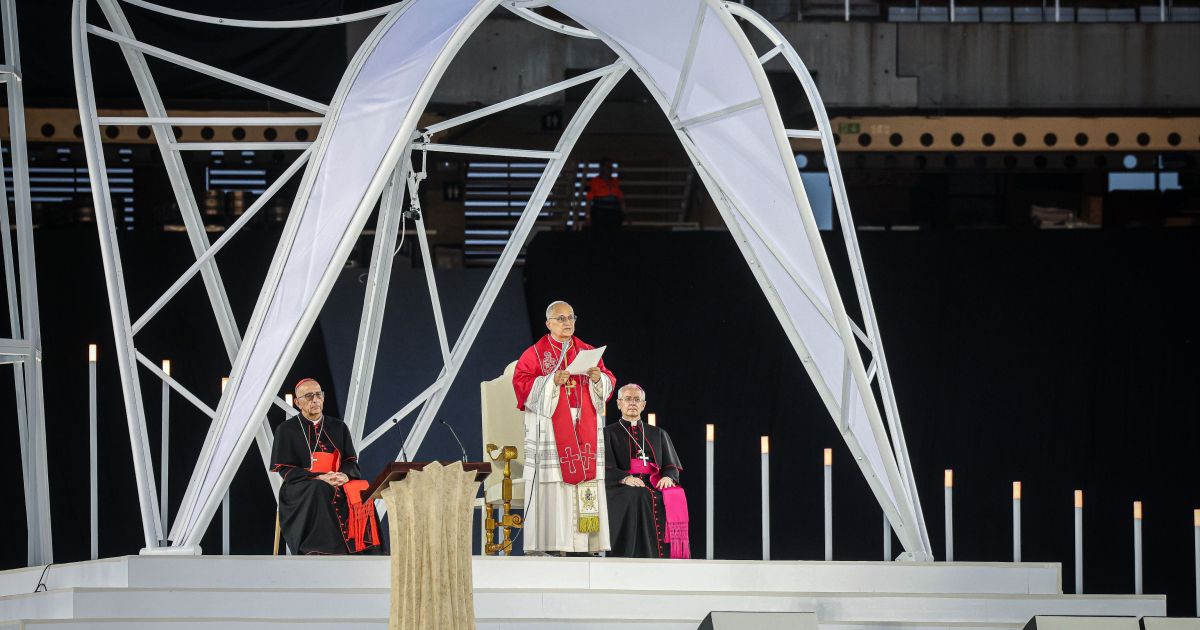
Machista violence, depression, a suicide attempt, and the search for the meaning of life. The Pope's vigil at the Estadi Olímpic has shied away from doctrinal speeches and approached social problems through three testimonies that have recounted their overwhelming experiences before Leo XIV, and before the 40,000 people who filled the venue. In front of all of them, the pontiff has offered responses that share a message of hope, of finding a ray of light amidst dark moments. "We are pilgrims in the night," he remarked before a packed Estadi Olímpic, well into the evening.
The Pope's words —also in Catalan— have been the great moment awaited by the thousands of people who had been arriving at the stadium since the morning. Perhaps, they are an image of the welcoming Barcelona that the Pope defends: "May this country be a welcoming space for all, where everyone is respected in their dignity as a person and loved for who they are," he proclaimed.
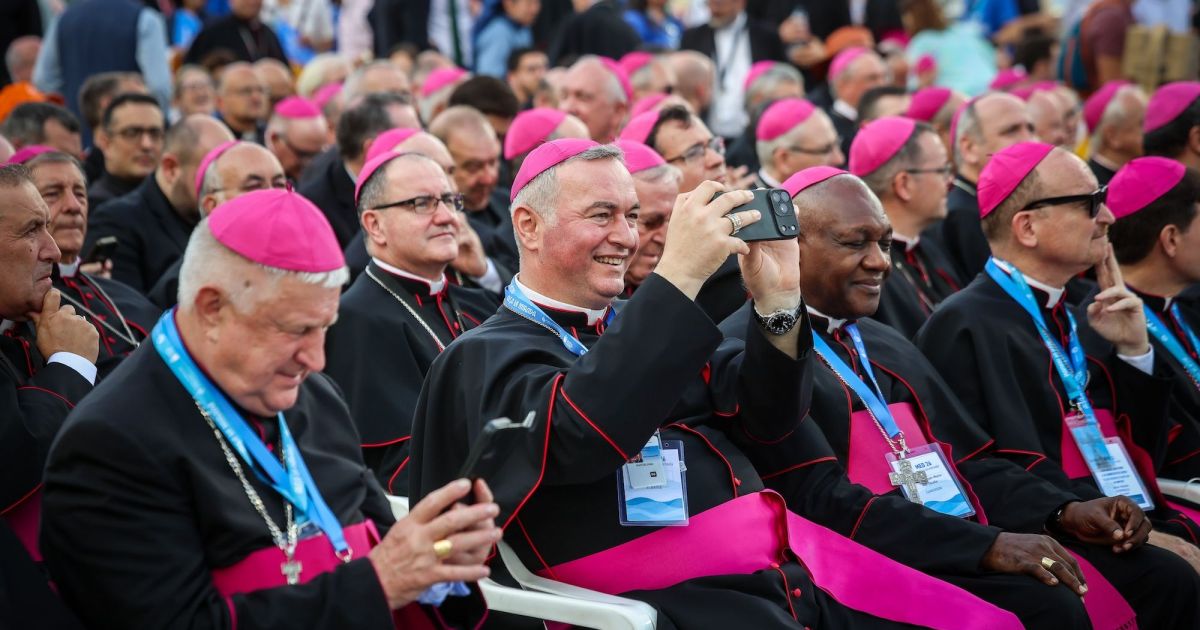
The pontiff has championed dialogue, the search for truth and the common good, and has asked to look "with humility and without prejudice" at social reality to ask "what we are called to change" and what society we want to build. He did so before a diverse audience in ages and origins in a festive atmosphere of celebration and prayer, from a stage inspired by Gaudí and with a replica of the Moreneta. "In the Gaudí year, the Pope is here," the stadium shouted to welcome him. Chants like "This is the Pope's youth" and "Long live the Pope" were repeated throughout the encounter.
The city had not received a Pope since Benedict XVI visited 16 years ago, and on that occasion, the tight schedule of the trip could not make room for a multitudinous event —he also visited Barcelona for the Sagrada Familia, then to elevate its rank to that of a basilica—. With the stadium event, this shortcoming of the previous apostolic journey has been compensated, in a meeting that included music, spaces for confession, and a popemobile ride that raised the enthusiasm of the attendees. Leo XIV arrived at the venue shortly before 8 PM, four hours after the stadium opened its doors and began to fill with faithful.
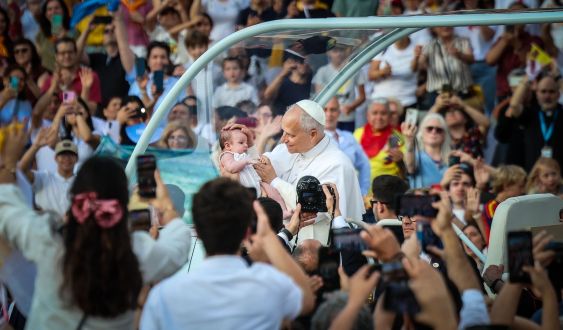
The Popemobile tour —which concluded with the raising of a castell— was the moment of closest contact between the Pope and the attendees. The faithful welcomed him with euphoria, even when he blessed numerous babies that members of the pontiff's team brought closer to him from the public, as his emblematic white vehicle passed by to the rhythm of the visit's anthem, Alça la mirada.
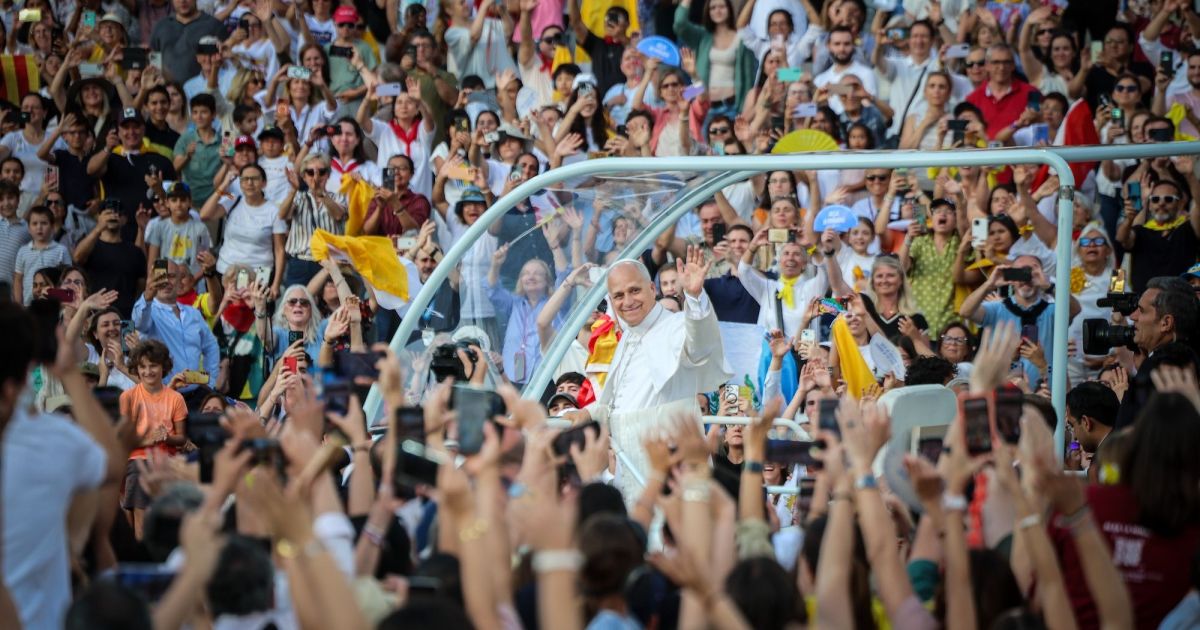
This welcoming Barcelona had already shown its pride even before Leo XIV's entry into the stadium. Outside, the ambulances of the humanitarian corridor to Ukraine, promoted by the Convento de Santa Clara de Manresa Foundation, of Sor Lucía Caram, were waiting for him. The Pope blessed them and was presented with a miniature ambulance, just before receiving another gift from someone waiting in the crowd: Pilarín Bayés handed him a folder with a drawing.
Indeed, the Pope received many gifts during this first day. The President of the Generalitat, Salvador Illa, also contributed in this regard: he presented him with a reproduction of the Homilies d'Organyà, a reproduction of the articulated doll from the early Christian necropolis of Tarraco, and a copy of the notarial act of the laying of the first stone of the Sagrada Familia, the same one he will visit this Wednesday more than 144 years later.
"Barcelona, cap i casal of Catalonia"
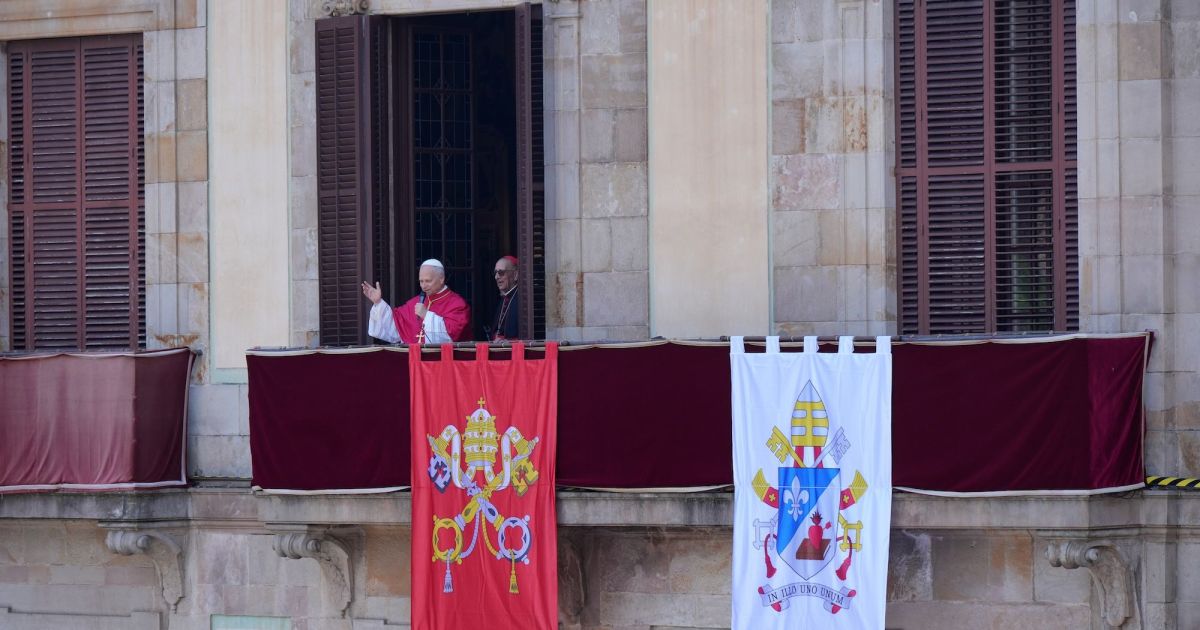
The Pope and Illa met after what was Leo XIV's first stop in the city, at the Cathedral. There, about 6,000 people received the pontiff when he arrived in the city from Madrid. A greeting from the top of the Cathedral stairs —with a "bon dia i bona ora"— preceded a mass calling for peace, welcome, and concord, in which he defended that Catalans have "a vocation to become builders of unity."
"Barcelona is called cap i casal of Catalonia. This gives this community and all of you, Barcelonans and Catalans, a special vocation and responsibility to become, with God's help, builders of unity," he stressed in what was his first homily in Catalonia. Before leaving the Cathedral, he had two other very Barcelonan encounters: the Pope prayed before the tomb of the city's co-patroness in the chapel of Santa Eulalia, and went out to the cloister to see the ou com balla, still spinning in the fountain for Corpus.
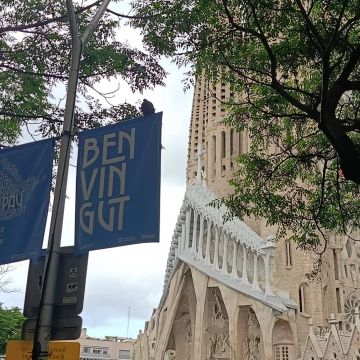
Through the Santa Eulàlia door, he accessed the Episcopal Palace, where he is staying during the visit, and where he is gathering strength for tomorrow's packed agenda: a visit to Brians, to the Montserrat Abbey, and to the Parish of Sant Agustí del Raval before the culminating moment of the visit, around which the entire apostolic journey has been built: the blessing of the Jesus Tower of the Sagrada Familia.
Add The New Barcelona Post as your preferred Google source for free
Stay informed with the latest news.