
Nature, culture, wine tourism, beaches, history, family tourism, and modernism are some of the many proposals offered by the regions of Barcelona. Surrounding the Catalan capital between the Cadí mountain range and the Mediterranean, its regions appeal to travelers who want to savor experiences beyond the hustle and bustle of the city, through more than 100 kilometers of coastline, 14 parks and natural spaces, and an extensive list of proposals that intertwine nature, cultural heritage, gastronomy, and experiences for all profiles.
The territory that makes up the tourist destination of the regions of Barcelona is unique for its contrasts and its natural and historical richness. Framed in the campaign Barcelona és molt més by the Barcelona Provincial Council, the destination presents itself to visitors with three tourist brands: Costa Barcelona, Paisatges Barcelona, and Pirineus Barcelona, which bring together attractions from the surroundings of the Catalan capital and invite travelers to discover its multiple proposals.
The Barcelona destination invites visitors to discover the rich and varied proposals of its regionsFrom its most maritime side, Costa Barcelona proposes looking out to the Mediterranean, through regions full of attractions that go beyond the sea. Thus, the destination combines the enjoyment of sun and beach with monumental heritage, shopping and sports, among other proposals distributed along the coastal Maresme, Baix Llobregat and Garraf, and the nearby sea Vallès Oriental, Vallès Occidental and Alt Penedès.
Wine tastings from the Penedès and Alella designations of origin, walks through parks and natural spaces such as Sant Llorenç de Munt i l'Obac and Parc del Garraf, visits to charming towns and cities, and wellness experiences in the thermal waters of Caldes de Montbui are some of the proposals that Costa Barcelona reserves for those who visit its municipalities.
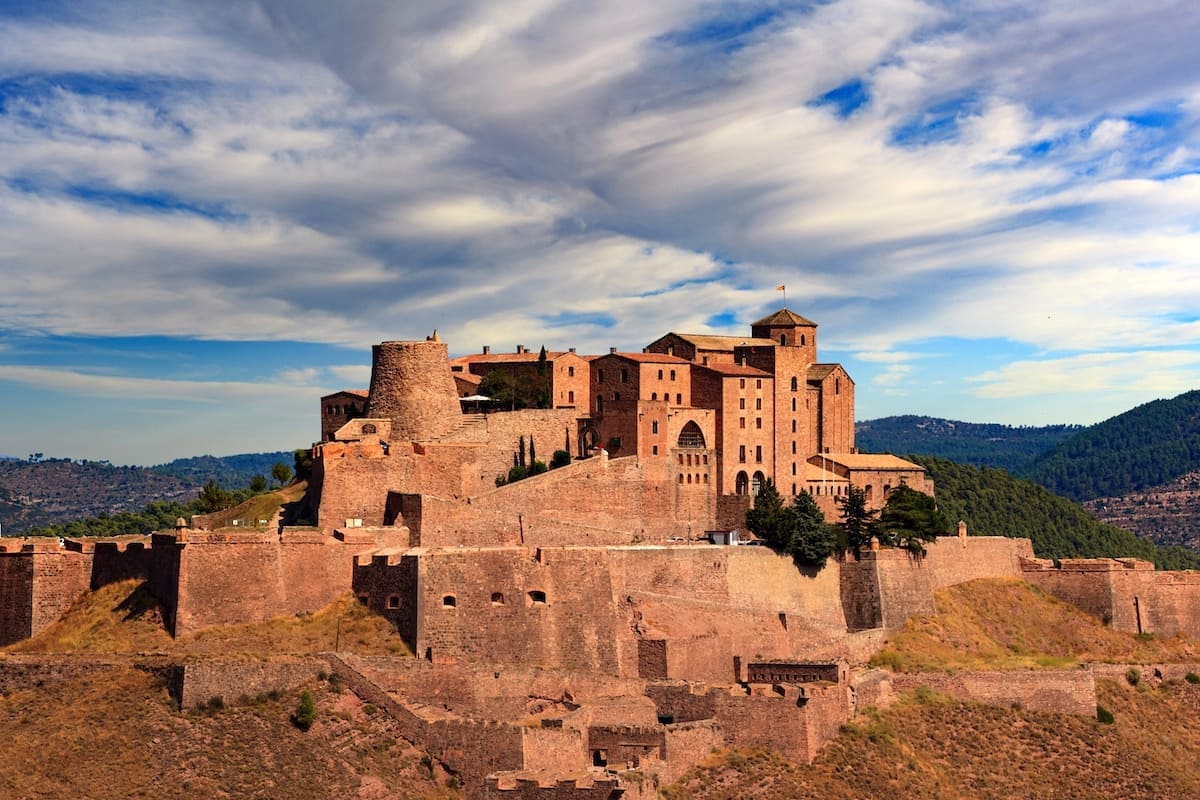
Tastings and samplings also have their place in the Paisatges Barcelona brand, which stands as a destination linked to nature, gastronomy, and tranquility. The regions of Osona, Moianès, Bages, and l'Anoia offer a proposal full of patrimonial, gastronomic, and natural attractions, which reach visitors in the form of plans such as walks along the medieval walls of the 45 castles of l'Anoia, an ascent to the essential Montserrat, a visit to the fortress of Cardona, exploring the caves of Moianès, and tracing the history of Osona.
Nature is present in all the tourist brands of the Barcelona regions, but it gains special strength in Pirineus Barcelona. Nestled in Berguedà, the numerous itineraries in natural environments offer options for both the most intrepid high-mountain lovers and those who want to approach nature in a more accessible way.
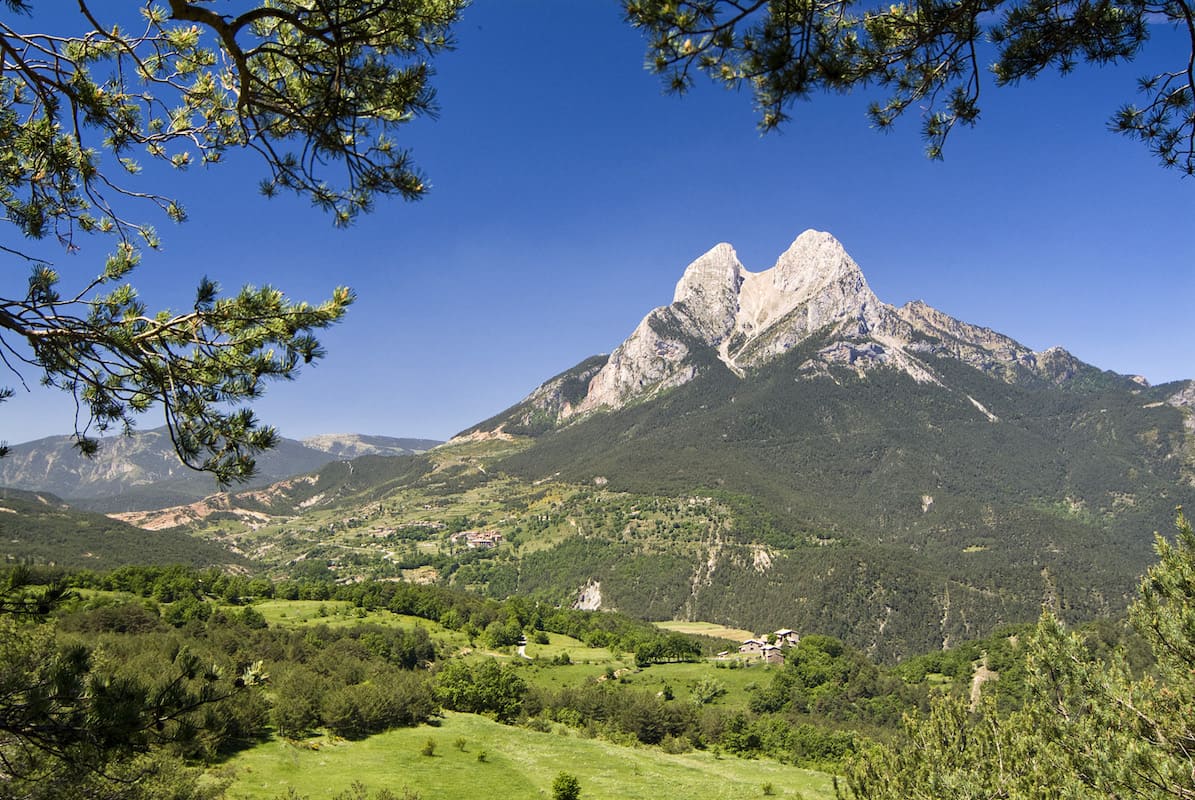
On foot or by bicycle, biodiversity-rich routes make their way through the region, with the ascent to Pedraforca as the jewel in the crown, reserved for the most experienced. History is also present in the midst of nature through proposals such as the Camí dels Bons Hommes, which follows in the footsteps of the ancient French Cathars seeking refuge in Catalonia. Berga and its monumental heritage cradle the traveler, who is also invited to visit some of the prominent industrial colonies in the area, which allow a journey back in time through museumized spaces.
Culture: heritage and wine tourism
Across the three brands, culture floods the territory of the Barcelona regions. History materializes through a cultural heritage that ranges from prehistoric remains in Bages and Roman thermal villas to churches and monasteries such as Sant Cugat, passing through factories and unique spaces such as the Jardins d'Artigas in La Pobla de Lillet, designed by Antoni Gaudí.
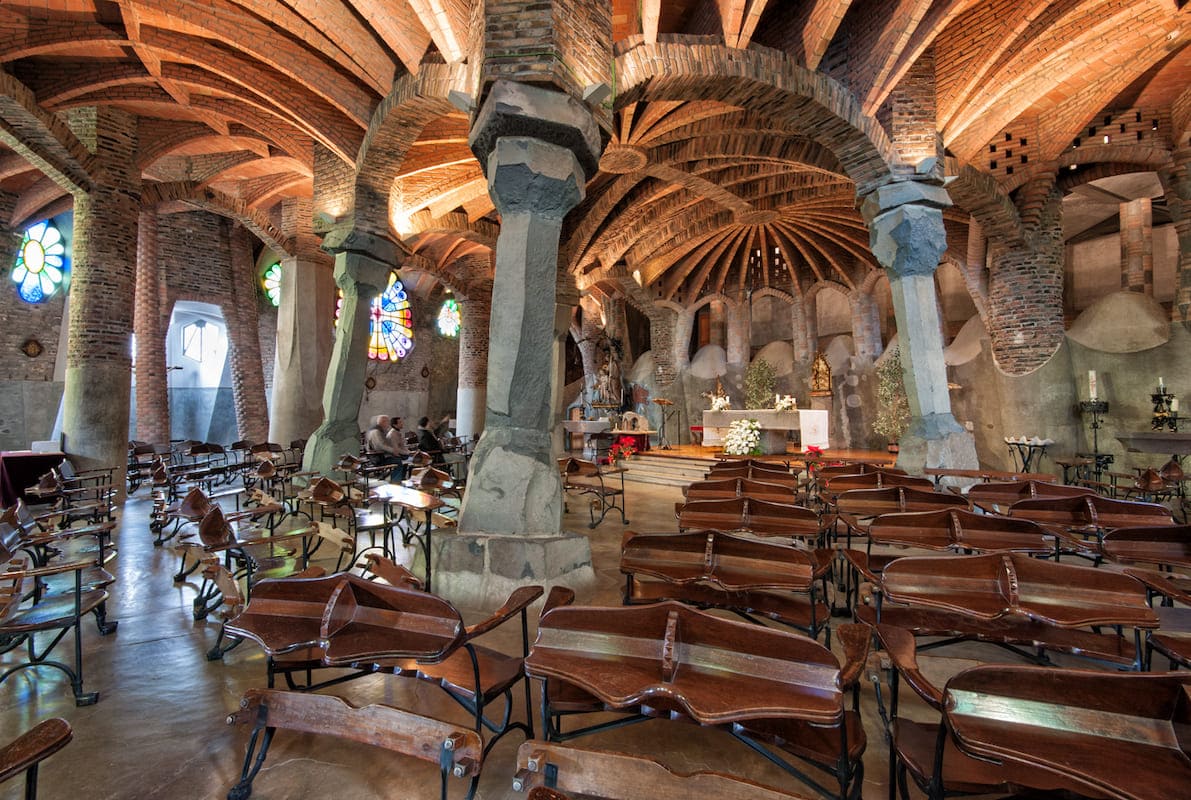
Precisely modernism plays a prominent role in the cultural and architectural heritage of the Barcelona regions, with jewels such as the Gaudí Crypt of Colònia Güell in Santa Coloma de Cervelló; the Casa Coll i Regàs in Mataró, and the Casa de les Aigües in Montcada i Reixac, an exponent of industrial modernism.
However, culture goes beyond the tangible heritage in the Barcelona municipalities, and encompasses popular culture traditions such as the Patum de Berga, the castellers and the Fia-faia festival of Bagà and Sant Julià de Cerdanyola, declared Intangible Cultural Heritage of Humanity by Unesco.
The Barcelona destination is presented to visitors with three tourist brands: Costa Barcelona, Paisatges Barcelona and Pirineus BarcelonaTo these elements is added another outstanding facet of the regions of Barcelona: enotourism, with three wine routes: Penedés, Alella and Pla de Bages. These routes offer oenological activities, complemented by experiences such as those offered by the Vinseum Museum of Wine Cultures of Catalonia in Vilafranca del Penedès, and the Cava Interpretation Center in Sant Sadurní d'Anoia, as well as routes on foot, by touring bicycle or mountain bike and by car, such as the Miravinya Route in Penedès and the dry stone heritage in Pla de Bages.
Proposals for families
The three brands of the Barcelona regions make up a destination that is ideal for families, with more than 100 kilometers of coastline and various municipalities distinguished as a Family Tourism Destination for their special sensitivity to the needs of families and their youngest members.
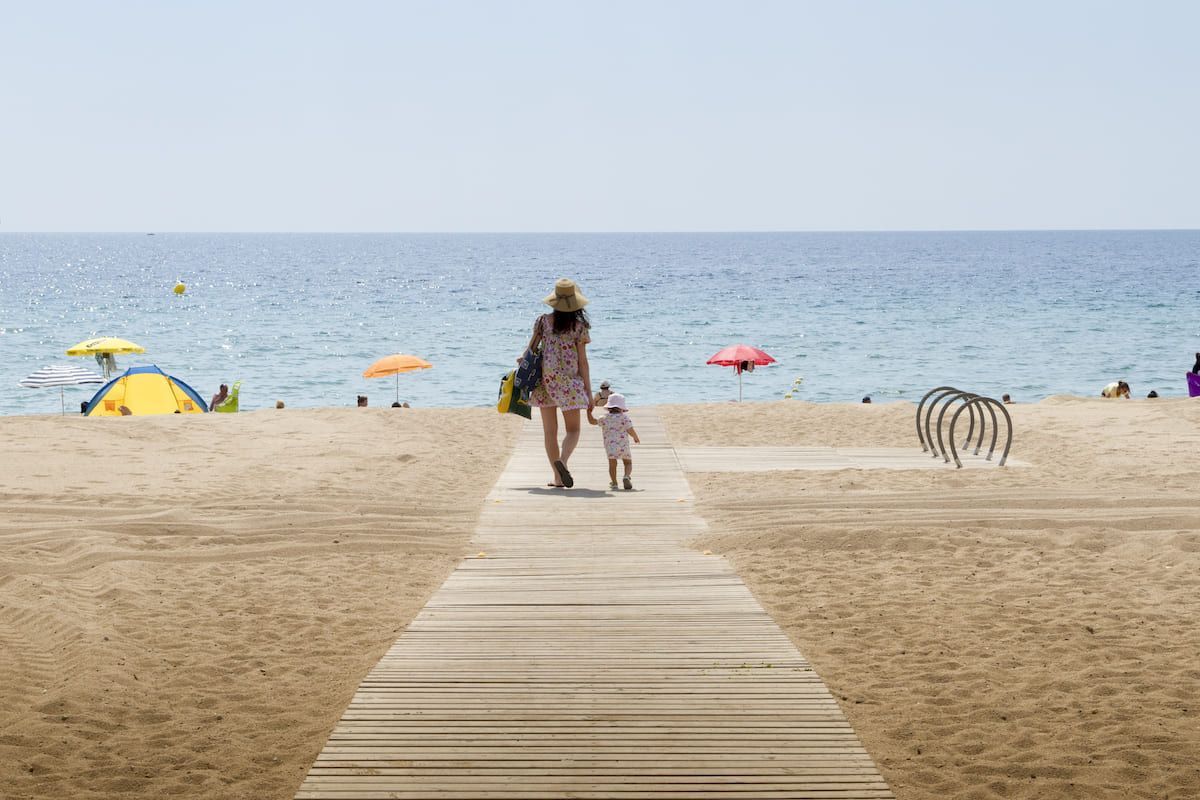
Calella, Pineda de Mar, Santa Susanna and Malgrat de Mar in Maresme offer proposals linked to the sea and nature, as does Vilanova i la Geltrú in Garraf, where it also has the Railway Museum of Catalonia. The nearby Castelldefels allows combining the sea and the mountains with the added value provided by the Canal Olímpic de Catalunya. Mountain experiences are also protagonists of the family destination formed by Berga, Avià, Capolat, Castellar del Riu and Cercs, in this case, in the Pyrenees.
Sustainable destinations
In addition to being a destination rich in diversity and quality, the destination is the first worldwide to have the Biosphere Platinum seal, which recognizes the work of public administration and private companies for responsible and sustainable tourism.
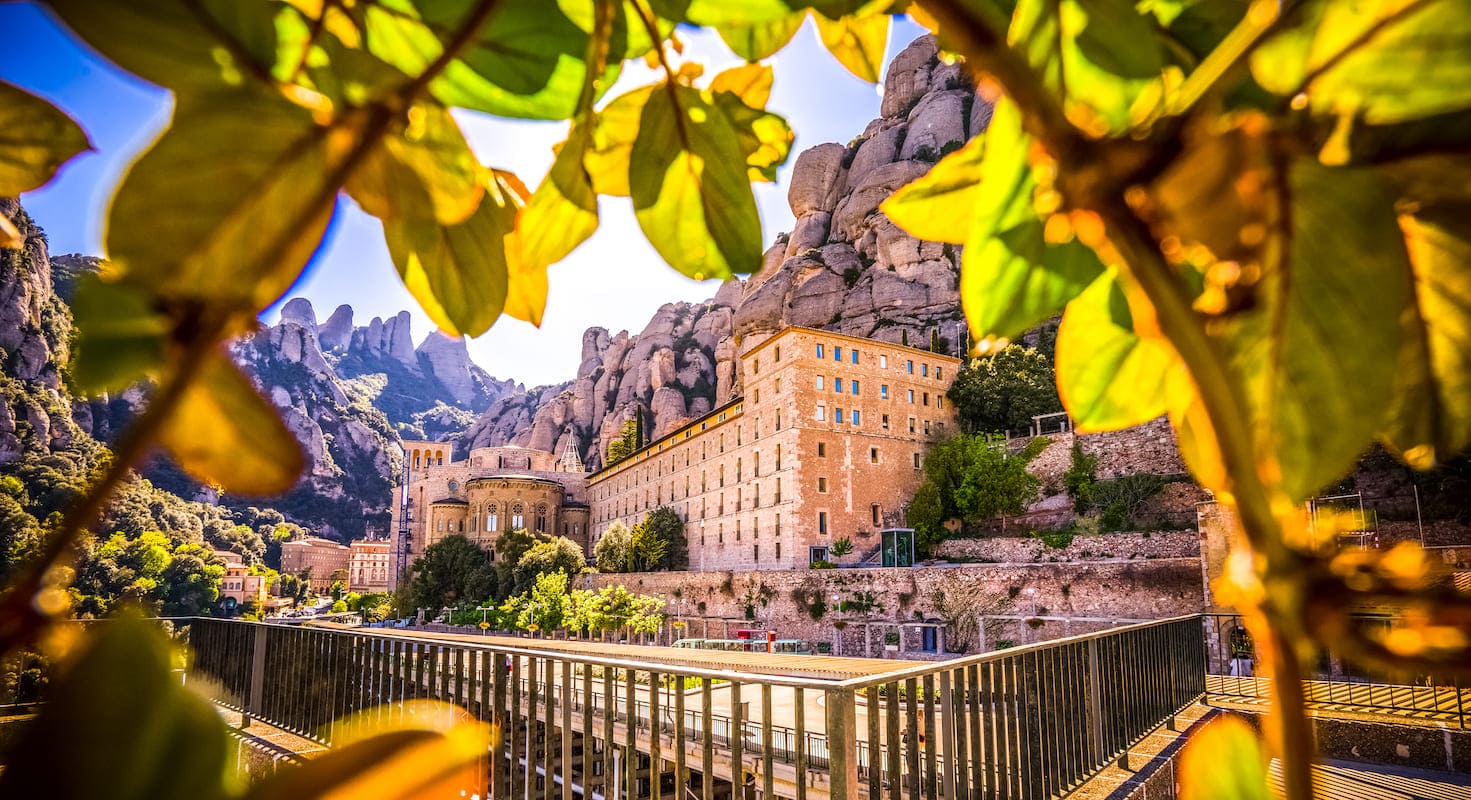
To promote this sustainable model, the Diputación offers visitors resources such as the Decalogue of the Responsible Tourist, as well as plans and ways to enjoy sustainably in the Barcelona regions, with ideas ranging from sleeping in a tree house in Maresme to entering the caves of Montserrat after a visit to its abbey, passing through walking among the natural spaces of the Llobregat Delta. Beyond the plans, the Diputación appeals to the sustainable traveler with tips and proposals to conserve the beaches and natural parks that dot its regions, with the aim of preserving its natural, historical and cultural treasures.
More plans in the regions of Barcelona: barcelonaesmuchomas.es
Add The New Barcelona Post as your preferred Google source for free
Stay informed with the latest news.
