
There are many reasons to climb the endless stairs of Montjuïc and visit the Museu Nacional d'Art de Catalunya (MNAC). Enjoy its impressive collection of Romanesque art, unique in the world, marvel at the panoramic view it offers of the city of Barcelona, or let yourself be seduced by the mysticism of the Baroque painter Francisco de Zurbarán in his new temporary exhibition... As if these were not enough, now there is also the incentive of enjoying high gastronomy, with its new restaurant Absis, the gastronomic space that features a culinary proposal designed by chef Albert Raurich, former head chef of El Bulli.
Raurich is currently the owner of the Raval restaurants Dos Pebrots and Dos Pallillos ---which has a Michelin star--- and worked for more than eleven years at El Bulli. A gastronomic career that can also be felt at Absis, where the chef has dared to reinterpret mythical dishes from Ferran Adrià's restaurant such as sardine fillets with beetroot and pistachio wraps, included in El Bulli's book El sabor del Mediterráneo.
"My only aim with this culinary proposal is that one eats well," said the chef, who assured that in this new space he does not seek to create avant-garde cuisine, "but rather well-made dishes that connect with Mediterranean tradition, with the product and with the unbeatable environment offered by the MNAC, with panoramic views of all Barcelona."
This was also the idea pursued by Vilaplana Catering, the company that won the tender to manage both Absis and the other gastronomic spaces of the MNAC for five years, until 2029, a space where Òleum, managed by Singularis, was previously located. In addition to executing Albert Raurich's proposal at Absis, who will not directly run the kitchen but will remain in charge of his two restaurants in Raval, Vilaplana will also manage the Oval Cafè, inside the museum itself, and the MNAC terrace. These spaces also feature renewed offers and even nods to the famous pastry chef Christian Escribà.
"The gastronomic line was clear, we wanted each dish to seduce 95% of the people who tried it, we didn't want complicated or too extravagant proposals, but rather that people enjoyed every bite," defended Francesco Ferretti, head in Catalonia of Vilaplana Catering, a company specialized in high-end catering. The company, which has more than 40 years of experience, is integrated into the British multinational company Compass Group and has an annual turnover of 30 million euros.
The intention was, therefore, that the proposal could convince the nearly one million visitors that the MNAC receives annually, which last year recovered pre-pandemic figures and received 860,000 visitors, 50% of whom were local public. A proposal that could convince both tourists who visit the museum and residents of the city, and even manage to attract a profile of visitor who does not usually go to the museum but is seduced by high gastronomy and, incidentally, visits the museum, so that these spaces complement and even feed each other. The museum has confirmed that they are now studying the possibility of offering combined tickets to temporary exhibitions that also include dinner at the restaurant, but understanding that these are separate experiences and without forcing far-fetched ideas such as the creation of dishes inspired by paintings.
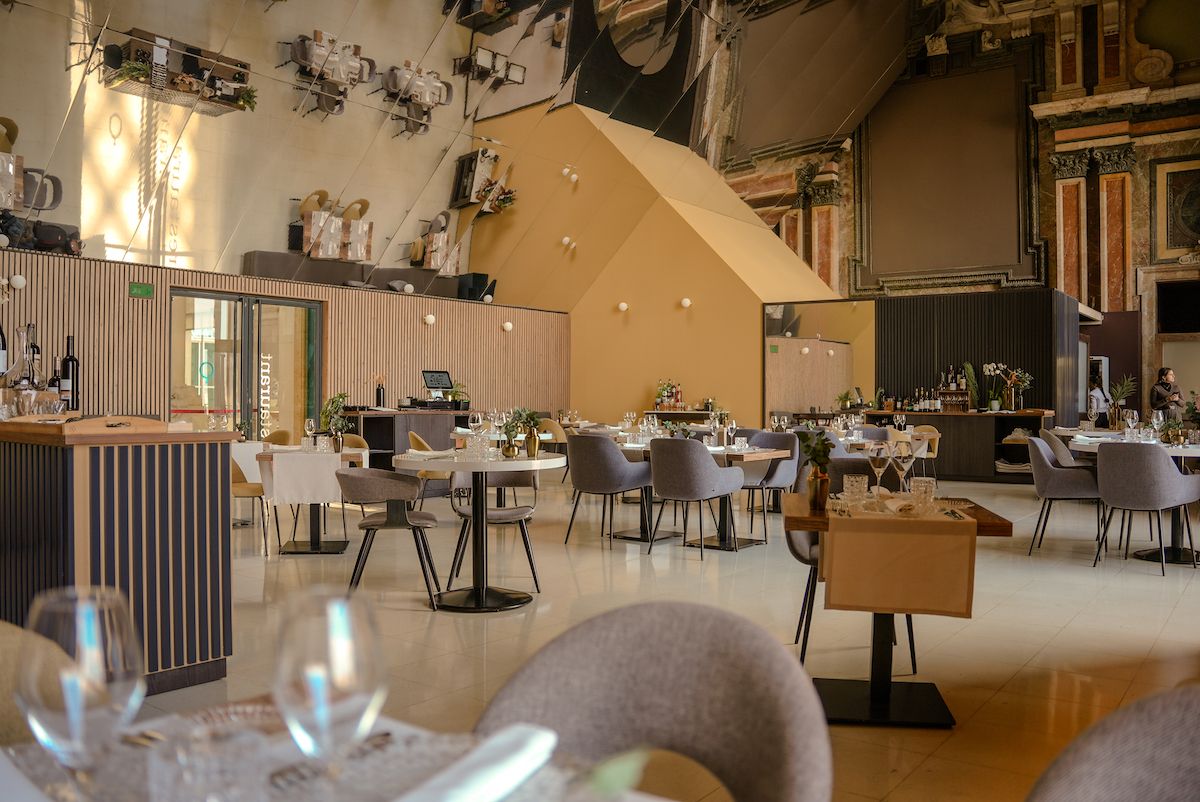
The director of the MNAC, Pepe Serra, has assured that Raurich has perfectly understood the commission and presents a "solid, honest proposal in tune with the space in which it is located." With capacity to serve 60 people simultaneously in each shift, the Absis restaurant will open its doors from Tuesday to Sunday at noon, as well as on Friday and Saturday nights, with the possibility of also hosting events for up to a hundred diners.
"We want to explain Catalan cuisine from this privileged balcony that the MNAC offers us, with views of the entire city," said Raurich. A markedly Mediterranean proposal, with dishes such as Catalan-style free-range chicken with plums, but which the chef reinvents to offer a surf and turf dish, creating a dish of well-integrated contrasts with peach and scallops, or the Catalan cream foam, another classic of Catalan gastronomy to which the chef adds raspberries that integrate harmoniously in the mouth.
Another of the chef's clear commitments is to sustainable cuisine with local products. "At Absis, we haven't come to invent anything; instead, we will find good cuisine, with humility, with recognizable flavors, that help us complete our visit to the museum," Raurich defended.
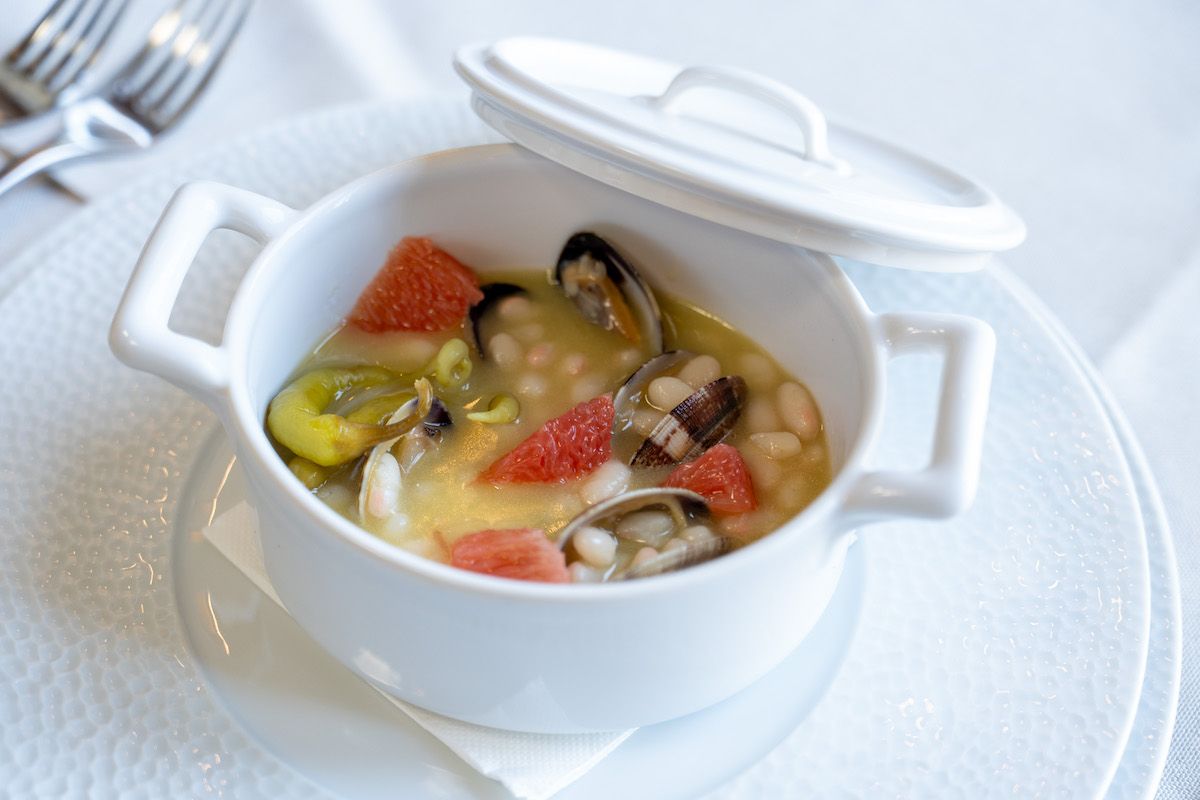
Thus, diners can choose between an à la carte menu, with an average ticket of 45 euros, a daily lunch menu for 35 euros ---which includes a drink and bread--- or a tasting menu for 60 euros, designed to enjoy half portions of the most authentic dishes on the menu, such as Santa Pau beans with clams and grapefruit or the warm escabeche of olives and grapes, a transgressive menu starter where the chef sets his intentions from the first bite.
The menu will not lack Mediterranean cuisine classics, which will seduce any tourist hungry to try local food, such as the open garlic shrimp omelet, real Roman-style calamari, or chickpeas with cod, but which will also surprise local consumers. "It's a project that will evolve over time, listening to our clients and the environment," the Catalan chef acknowledged.
"The idea is not for us to compete with our other establishments, like Dos Pebrots, also focused on Mediterranean gastronomy, but rather to offer such a high-quality proposal that people want to taste the other restaurants and also return to the museum to try more bites," Raurich concluded.
Add The New Barcelona Post as your preferred Google source for free
Stay informed with the latest news.
