A city is like a living organism composed of realities that intertwine and draw different realities and scenarios. But this complex network of multiple layers and elements does not advance on its own; instead, it reserves a crucial role for administrations, and especially for the Barcelona City Council. To pilot it, alongside the mayor, another figure with less public visibility but on whom the gears of the consistory depend is key: the municipal manager, a responsibility that in the business world would be equivalent to that of the CEO.
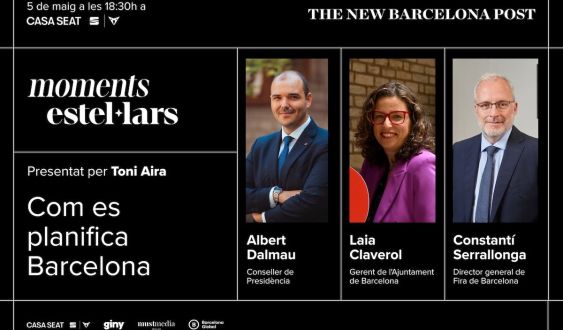
To address the role and relevance of city planning and administration, the Moments Estel·lars cycle, organized by The New Barcelona Post, will bring together three figures who have been and are crucial in the development of the Catalan capital. The next session, scheduled for Monday, May 5, will feature the participation of the current City Council manager, Laia Claverol, along with two of her predecessors in the position, who now hold other relevant responsibilities that continue to affect Barcelona, from other administrations and institutions. The session will also include the former municipal manager and now Minister of the Presidency of the Generalitat, Albert Dalmau, who will once again cross Plaza Sant Jaume to review his work at the head of the municipal structure, and he will do so alongside Constantí Serrallonga, who led the City Council's machinery a decade ago and who since then continues to shape the present and future of the city from the general management of Fira de Barcelona.
Claverol, Dalmau, and Serrallonga will delve into what municipal management represents and how a city like Barcelona is planned, in a meeting that will be held on May 5 at 6:30 p.m. at Casa Seat. Titled How Barcelona is planned, the session will be led by journalist and UPF-BSM professor Toni Aira, and is organized with the collaboration of Casa Seat, Barcelona Global, and Must Media Group. To attend as an audience and be able to ask questions to the three speakers, free prior reservation is required.
The role of the city manager is key to the functioning of the City Council and, therefore, of the city. But what exactly depends on the manager? Their responsibilities extend to all areas of the city, and in addition to exercising the executive direction of the other municipal departments, they are responsible for the execution and supervision of the budget and investment, as well as for the fulfillment of the municipal plans that build Barcelona and prepare it for the present and future.
The three speakers will address this construction of the city and their vision of Barcelona from the perspective generated by their extensive experience. Claverol will do so from her current position, which she has held since August 2024, precisely replacing Dalmau. Born in Barcelona in 1974, Claverol reached the highest responsibility within the municipal structure from the Management of the Area of Economy and Economic Promotion of the City Council, a responsibility she held between 2023 and 2024.
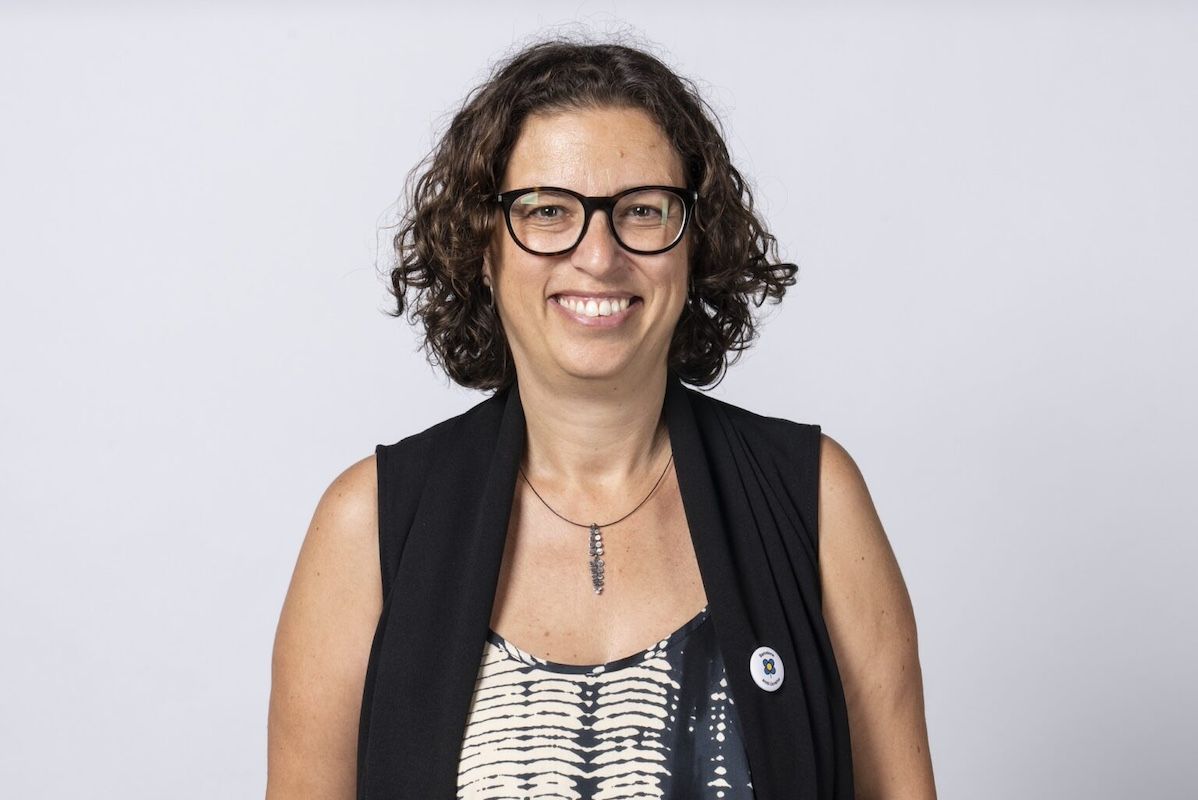
A graduate in Political Science and Administration from the Autonomous University of Barcelona (UAB), Claverol has also been manager of the Social Rights area and of the Municipal Institute of Social Services of the City Council. Her arrival at the City Council occurred in 2019, as director of Companies, Municipal Entities and Resources, and she came from the L'Hospitalet de Llobregat City Council, where she was director of Treasury Services, General Resources, Programming and Budgets since 2013, after being coordinator of Concertation and Local Assistance of the Barcelona Provincial Council between 2008 and 2011.
Claverol reached the pinnacle of the consistorial machinery when Dalmau was appointed Minister of the Presidency of the Generalitat last summer. Born in the Catalan capital in 1990, Dalmau began his professional experience in 2013 in the private sector, with Barcelona Global. In the association, the now minister took on project coordination tasks and began to focus on the role of cities and their metropolitan areas, as well as on international relations, public-private collaboration, and talent attraction.
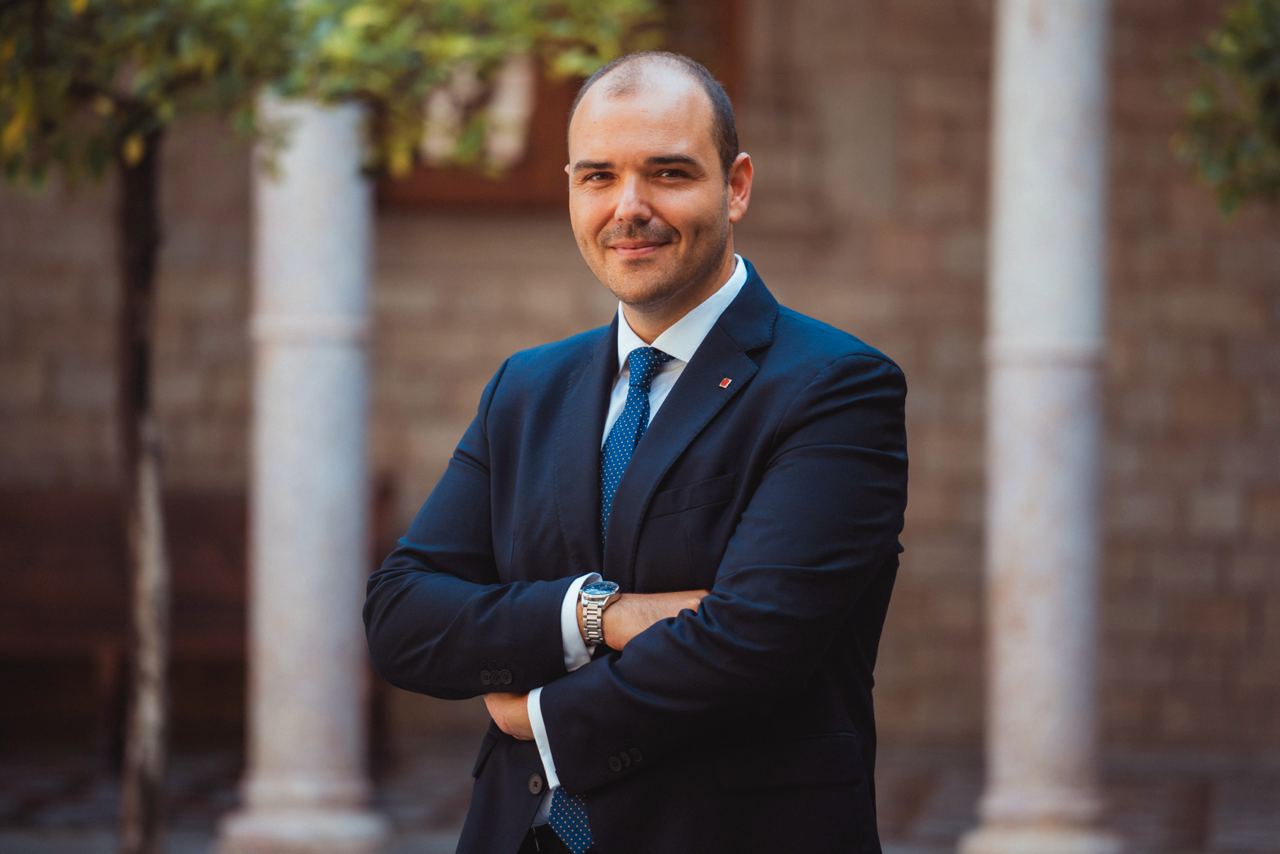
Following this contact with municipal reality and the importance of cities, Dalmau made the leap to the public sector in 2016, when he became Chief of Staff of the Second Deputy Mayor's Office, a position then held by Jaume Collboni. After the 2019 elections, Collboni was invested as mayor while Dalmau took over the Management of Economy. It was three years later, in 2023, when he became the youngest municipal manager of the City Council, a position he held for a year until moving to the other side of Plaza Sant Jaume.
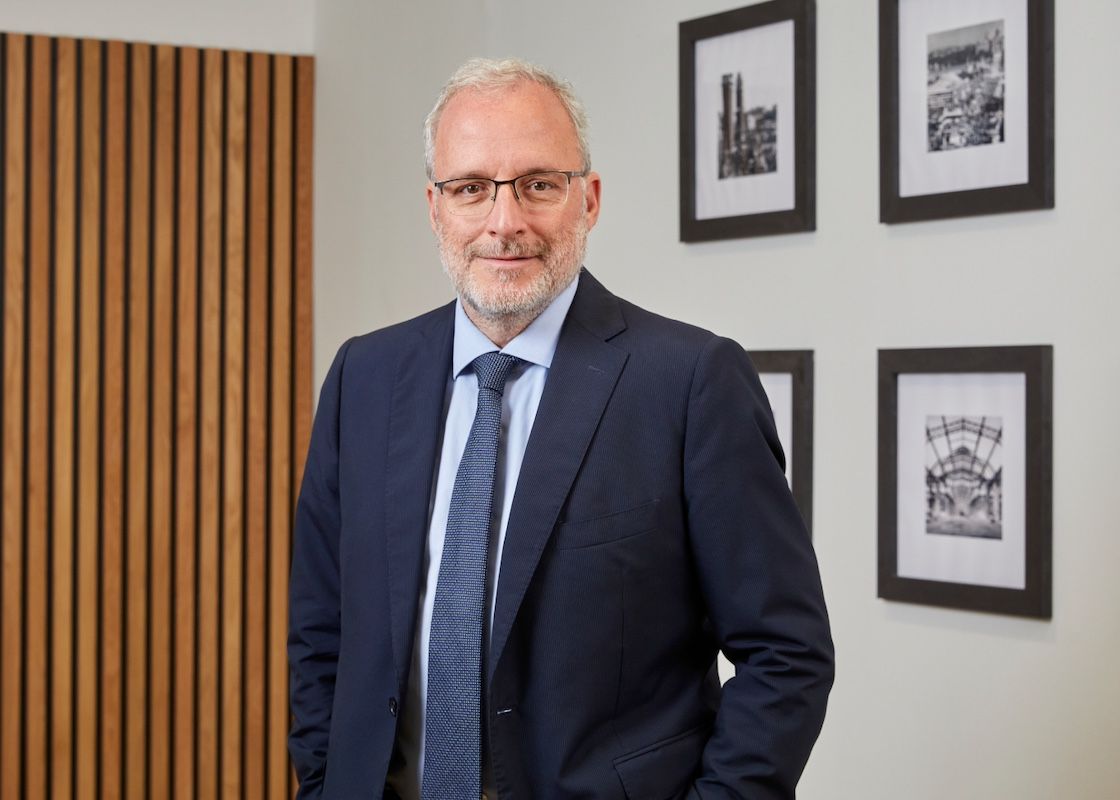
The two voices of the current and recent municipal management will be complemented by the vision of Constatí Serrallonga, who was the municipal manager between 2011 and 2015, and who since then has been the general director of Fira de Barcelona. Born in Barcelona in 1965 and with a degree in Economic Sciences from the University of Barcelona (UB), he began his professional career at the Hospital General de Manresa, where he held various responsibilities from 1989, up to that of director-manager. In 2002 he joined Transports Metropolitans de Barcelona (TMB) as CEO, until in 2008 he became CEO of the international logistics operator Grupo Ágora-Invest-Tradisa.
It was three years later, in 2011, when he was appointed manager of the City Council, a position he held until 2015, during Xavier Trias's mandate. As municipal manager, Serrallonga was part of various bodies and institutions, including the Board of Directors of Fira 2000, the patrimonial company responsible for the management of the construction and financing of the Gran Via venue of Fira de Barcelona, where he arrived as general director after passing through the highest level of the Barcelona municipal structure.
Add The New Barcelona Post as your preferred Google source for free
Stay informed with the latest news.