
A little light in the darkness suffered by the world of culture. The mythical Apolo Theater in Barcelona, with nearly 120 years of history, resumes its activity after closing its doors in May 2019, almost a year before the Covid-19 crisis began. It was not the virus that brought down the curtain on Apolo, but the mismanagement of the company that had been running the theater since 2017, Ethika Global, which left a trail of debts and nearly 200 workers stranded, among them director Ricard Reguant, whom they had hired as a key piece of their disastrous business project.
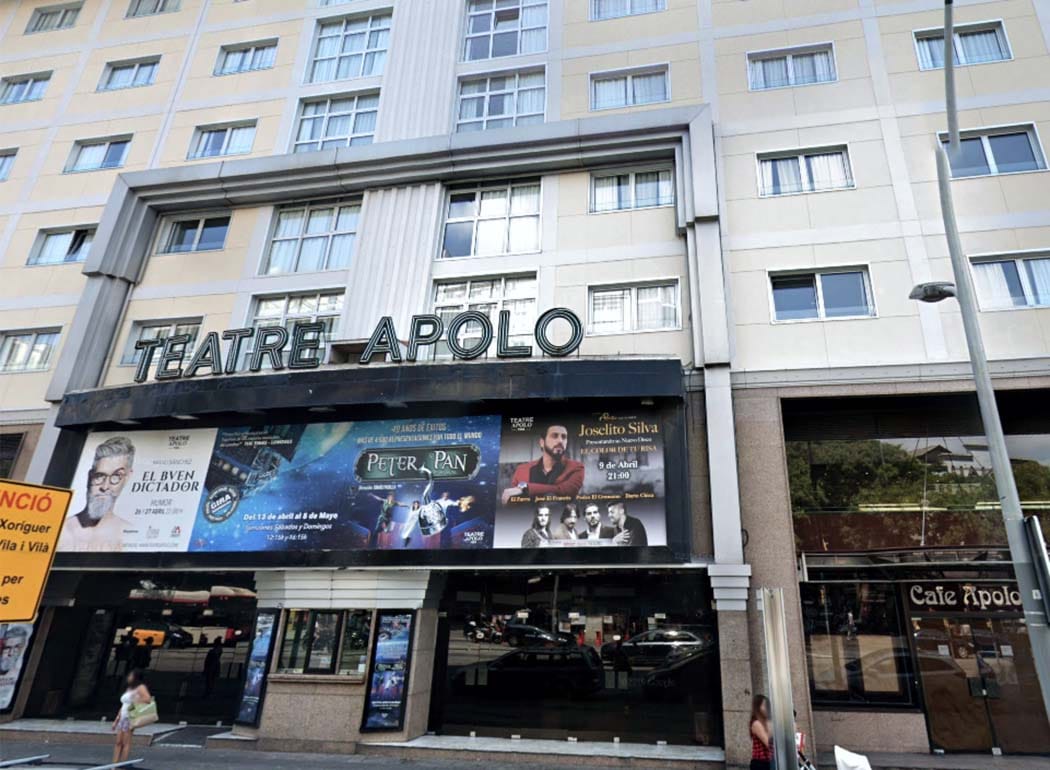
Now Apolo will try its luck again with the Madrid-based group Smedia, which last year became interested in reopening the venue and has invested between 600,000 and 800,000 euros to give the cultural facility a facelift and get it ready to welcome audiences again. Unlike the controversial company Ethika Global, which was completely unknown in the sector, Smedia is one of the main companies linked to theater in Spain, as it owns seven venues in Madrid, such as the EDP Gran Vía, Cofidis Alacázar, Teatro Lara, Fígaro, and Capitol theaters.
With a trajectory of more than 20 years, the Smedia group has Enrique Sababerría as its president, an entrepreneur with three decades of experience in show production and theater management, his group being today the main private company managing theaters in Madrid. Salaberría, considered one of the most powerful people in the capital's entertainment scene, now wants to try his luck in Barcelona and has seen in Apolo a magnificent opportunity to land in the city despite the pandemic.
Smedia's goal is to program original productions for all types of audiences at the historic Paralelo theater throughout the year. "We will offer a renewed and modern range of musicals, theater, concerts, comedies, humor shows, magic, ballets, operas, and shows for the whole family," explains the company.
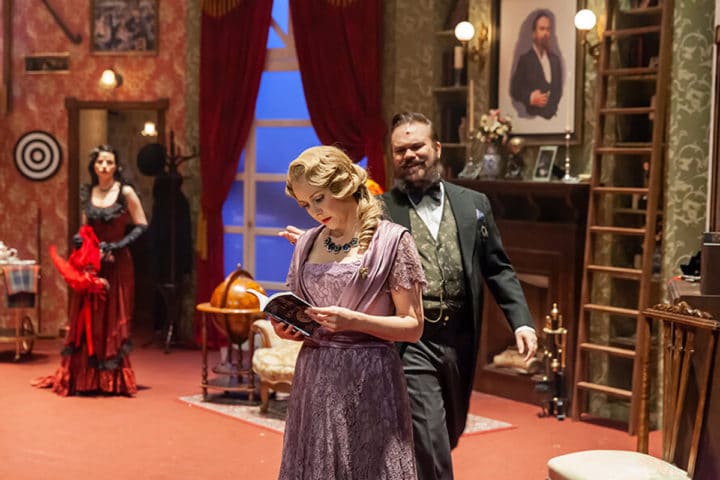
The Apolo will light up its spotlights again starting this March 18 with a small-format musical that will be on display until May 1. It is Who Killed Sherlock Holmes?, a play set in Victorian London that has been very successful on the Madrid stage. The production stars Daniel Diges and its creators are Félix Amador and Iván Macías.
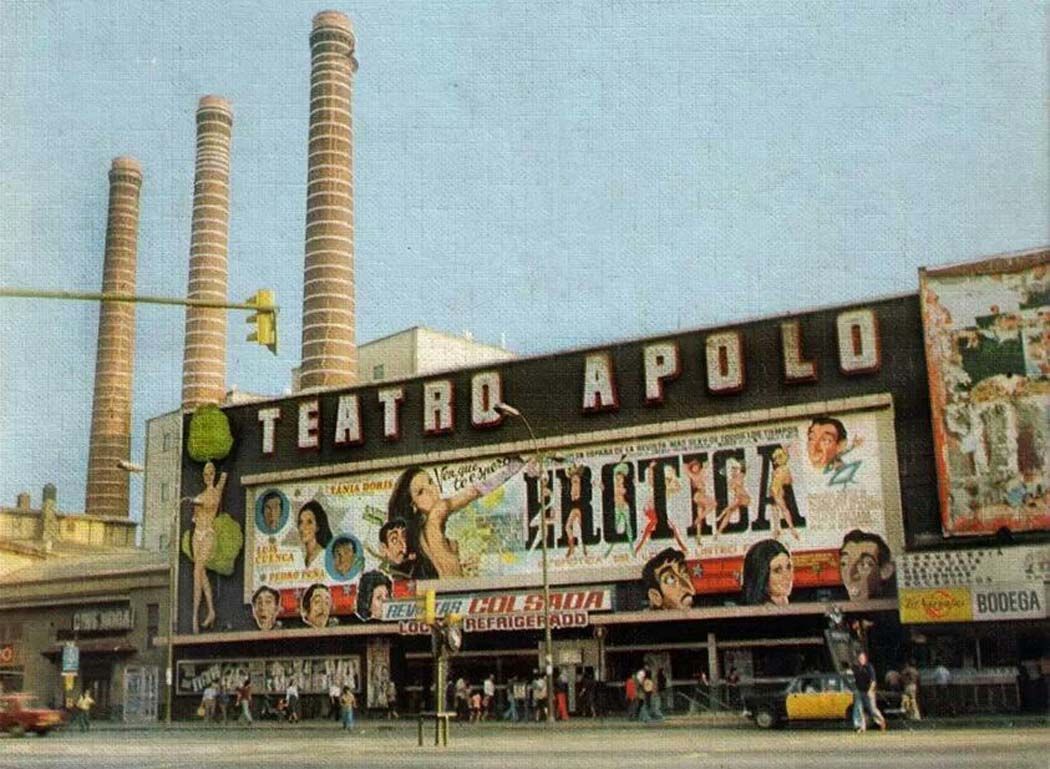
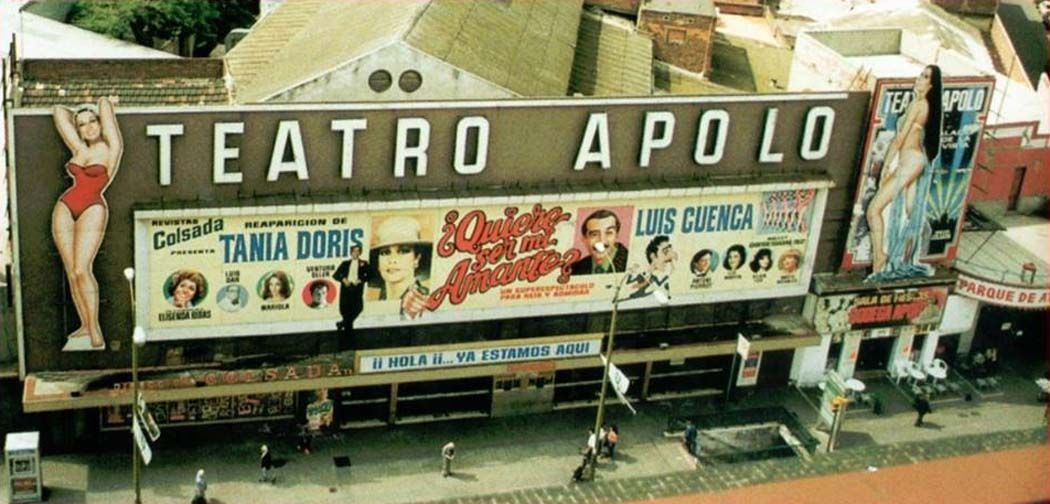
The Apolo Theater marked an era in Barcelona by becoming the benchmark for variety shows and zarzuela thanks to the legendary businessman Matías Colsada. The history of the theater, however, began much earlier, on October 19, 1904, when it opened its doors for the first time at the hands of the Soriano brothers with the zarzuelas El cabo primero, El puñao de rosas and Hanisele Nitouche, as documented by the Institut del Teatre. It was in the 1950s when Matías Colsada bought the theater and triumphed thanks to the musical revue genre and with Las alegres chicas de Colsada, with vedettes like Lina Morgan and Tania Doris. That Apolo of revue, however, no longer exists, as the old building was demolished in 1990, when, taking advantage of the pre-Olympic fever, a new theater with a large stage and 900 seats was built, integrated into a seven-story hotel, the current Barcelona Apolo Melià.
Add The New Barcelona Post as your preferred Google source for free
Stay informed with the latest news.
