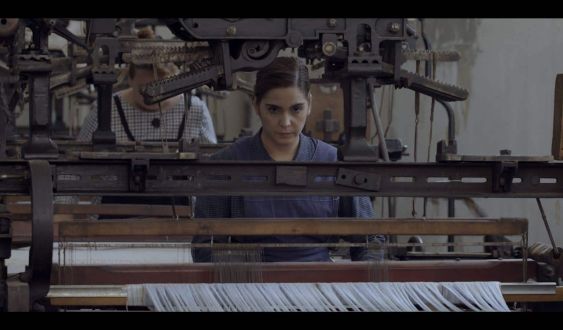
The premiere this weekend of Terra de telers widely in the cinemas of numerous Catalan regions can be considered a small cinematographic event, as the film approaches with dramatic and nostalgic ambition the social and historical events of a large part of the 20th century of deep Catalonia, using the mirror of one of those industrial colonies, generally textile, that proliferated and grew until they went into crisis at the end of the last century. The film, directed by Joan Frank Charansonnet, addresses this model of society and industrialization through a family saga, the Sorribas, from their arrival at the factory in 1923 until their decomposition in memory.
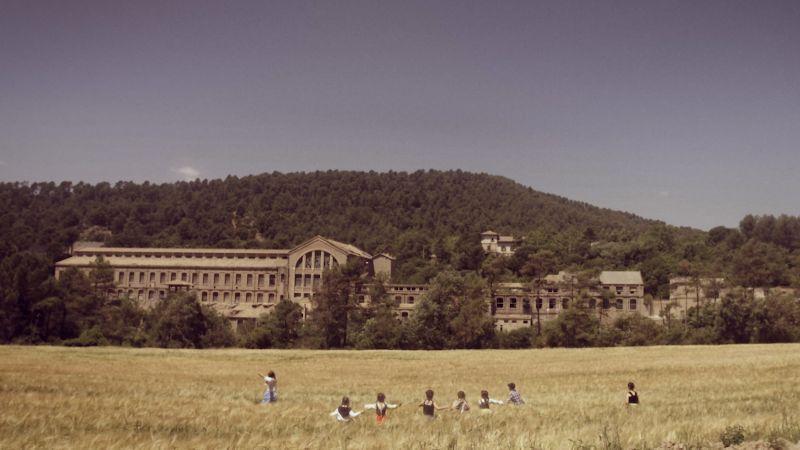
The atmosphere of nostalgia is evident from the start of Terra de telers, with the character of the elderly protagonist glued to a window pane, who will be the one to tell us the story. Apart from the cinematographic values of the film, with a very "classic" narrative language and very keen on emphasizing, with some excess, feelings, relationships, and facts, what stands out is its description of the personal and social landscape in those small communities that were the colonies, where the factory workers worked, but also lived, coexisted, their children grew up and studied, and all of them built a kind of community and family fabric.
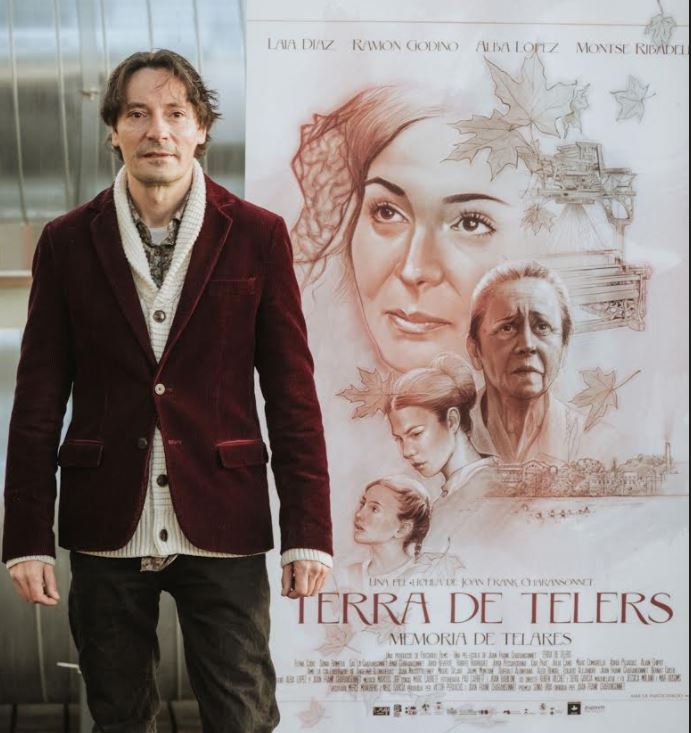
Charansonnet, director and also screenwriter (along with Alba López, who also plays Julieta Sorribas in her adulthood), constructs and recreates his story with simplicity, subjecting the vital journey of his characters to the movement of historical events always seen from a certain cliché and without too many profiles, from the burning of the Church during the Republic or the subsequent swagger of the victors of the civil war. But he concentrates his gaze on the good nature and moral conscience of his protagonists, which provides the narrative with dignity and dramatic depth.
Add The New Barcelona Post as your preferred Google source for free
Stay informed with the latest news.