
1
Ivan the Terrible
SERGEI M. EISENSTEIN, 1944-1946
The Boyars' Plot
Eisenstein stated that the origin of cinema was not only found in Edison but was based on a past of an enormous culture: here it seems that El Greco's characters have movement. The forms, the shadows, the angles, the distances, the labyrinth of the sets are distorted, Prokofiev's music exalts the lyrical and operatic character of the work, and Eisenstein experiments in each shot with the new toy that technology had given him: sound cinema. Video with images from the film and with Sergei Prokofiev's soundtrack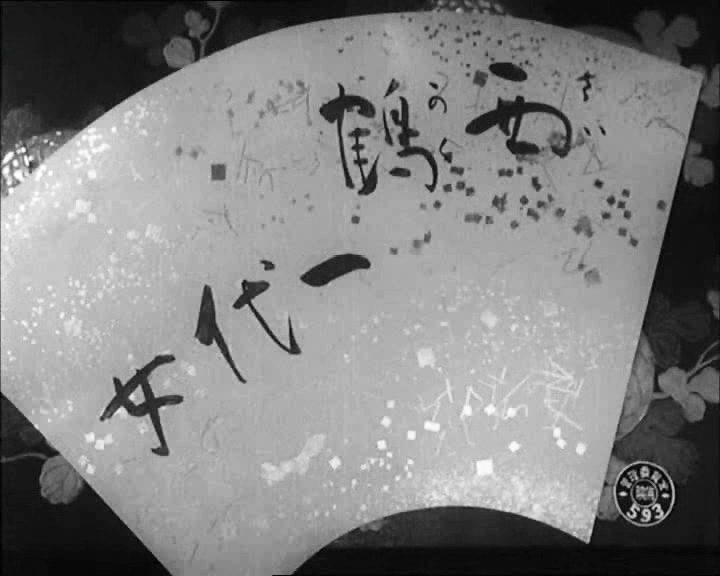
2
The Life of Oharu
KENJI MIZOGUCHI, 1952
Mizoguchi shows with a sadistic exhibitionist criterion the terrible vital odyssey of a prostitute: happiness is an ephemeral mirage and thehappy enda supernatural impossibility. Violence, sex, and death thoroughly permeate the film, but they are not seen—they are heard and smelled—thanks to elliptical maneuvers and the splendid use of a narrative mechanism that unfolds in the same way as hand-painted scrolls.Protagonist's introduction scene.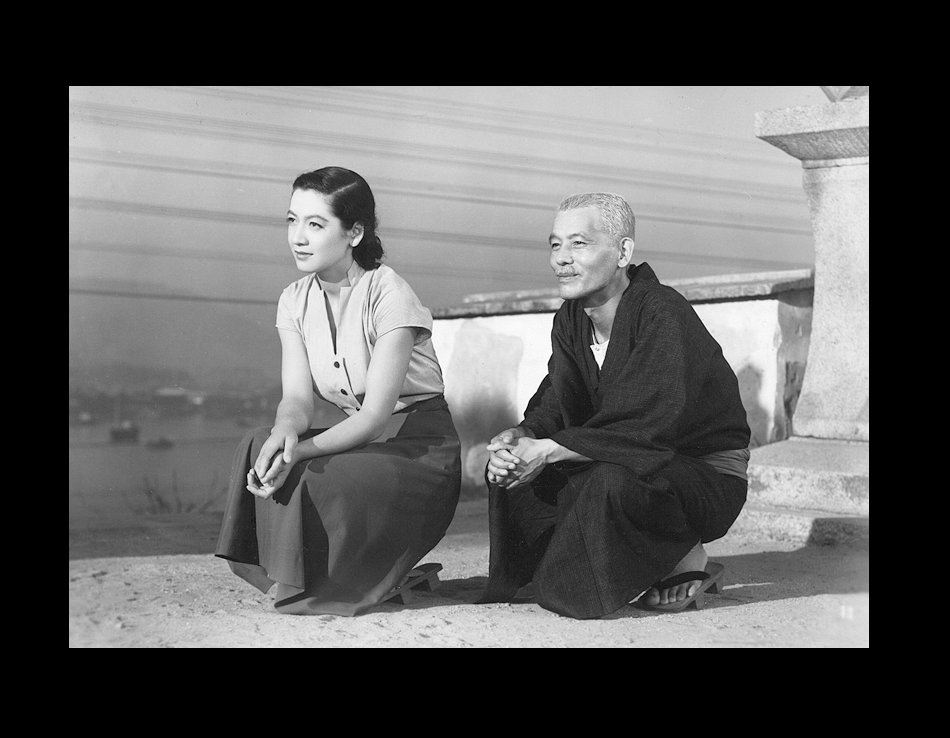
3
Tokyo Story
YASUJIRO OZU, 1953
A peasant couple travels to Tokyo to visit their children. Fleeing any plot exceptionality, anchored at all times in an invincible inclination towards routine, what happens in this film is of a high dramatic electricity that never falls into the temptation of pathetic theatrics. Inexorably and parsimoniously, with a transparent silk language, Ozu manages to turn nothing into something sublime and elevate the real to the superior stage of truth.Trailer.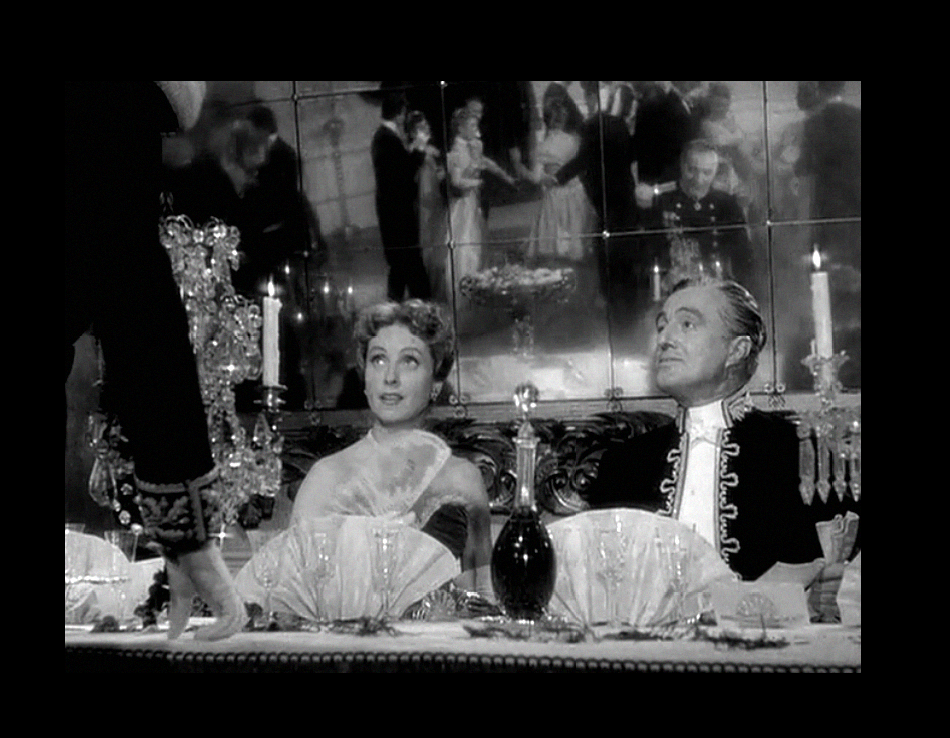
4
Madame D
MAX OPHÜLS, 1953
A kind of Madame Bovary of the Belle Époque, married to a general, meets an Italian diplomat, and, from here, with a fatally circular structure, begins one of the purest, most tortuous and memorable relationships in the history of cinema thanks to Max Ophüls' terrifying lucidity when it comes to filming the passage of time as an engine that pushes and subjugates, and that neither forgives nor pities anyone.Opening scene.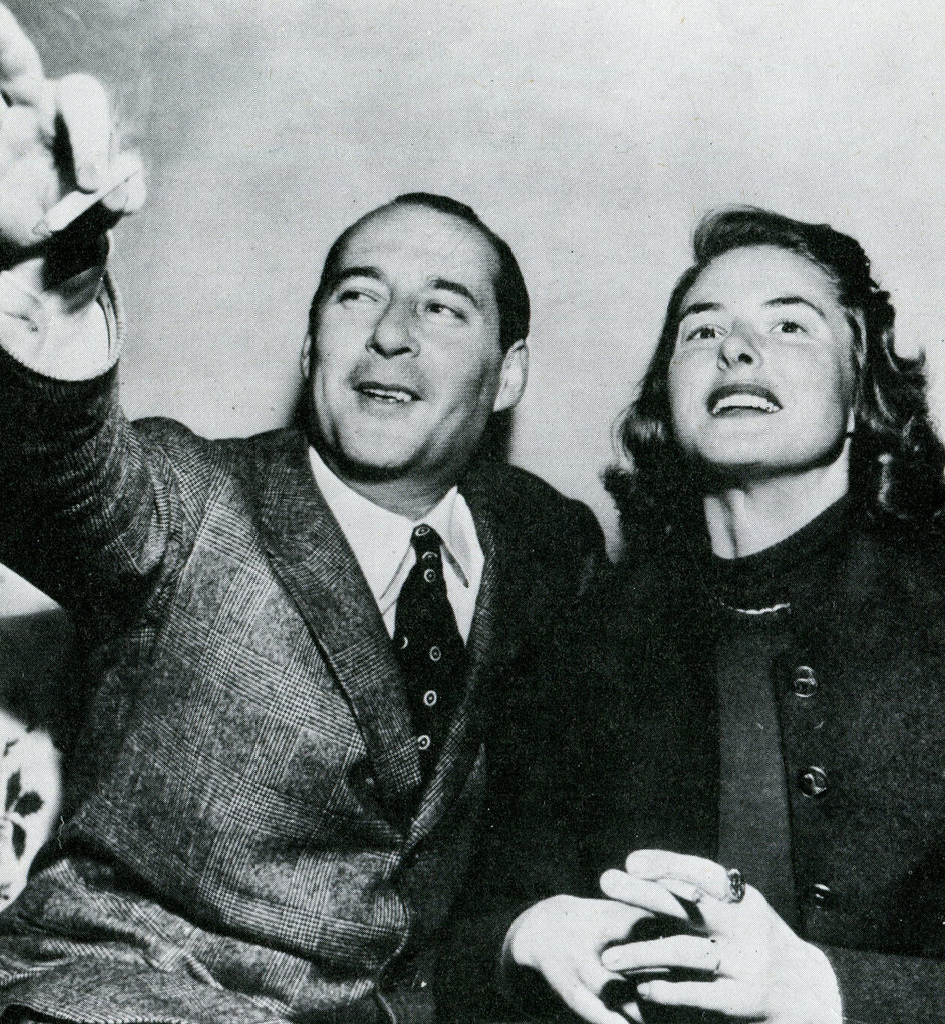
5
Viaggio in Italia
ROBERT ROSSELLINI, 1954
An English couple goes on vacation to Italy, and Rossellini takes it upon himself to show that a couple can be a volcano of mutual resentments waiting for the lack of routine to hurt each other without mercy. The external reality mixes with the internal reality of the characters, the burning and slow rhythm dominates the staging, and the film has neither a beginning nor an end, but rather is a development of voids and dead times to tell what is not seen through what is suggested.Trailer.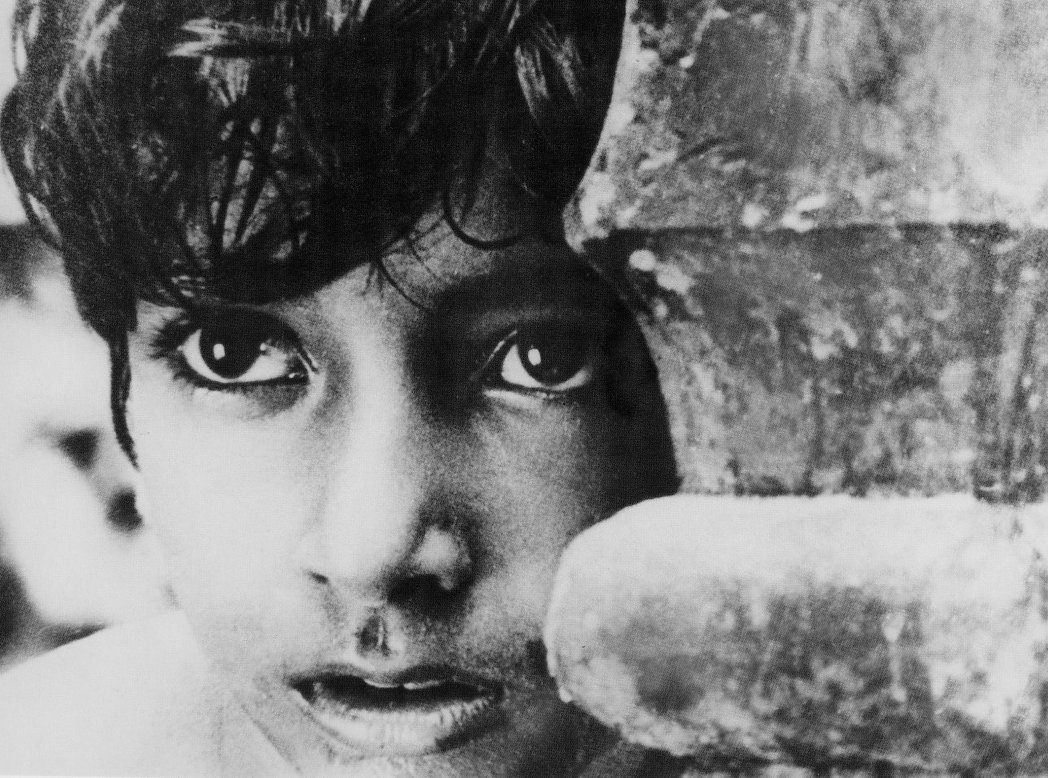
6
Apu Trilogy
SATYAJIT RAY, 1955-1959
Pather Panchali, Aparajito, Apur Sansar
Kurosawa said that not knowing Satyajit Ray's cinema was like living without having seen the sun or the moon. In the trilogy – there is a millimeter-perfect correspondence between all visual details – he narrates the decisive moments of Apu's life, from childhood to adulthood, but beyond the story of a life's illusions – Apu wants to be a writer – Ray warns that when making future plans, bad luck is welcomed.Trilogy trailer.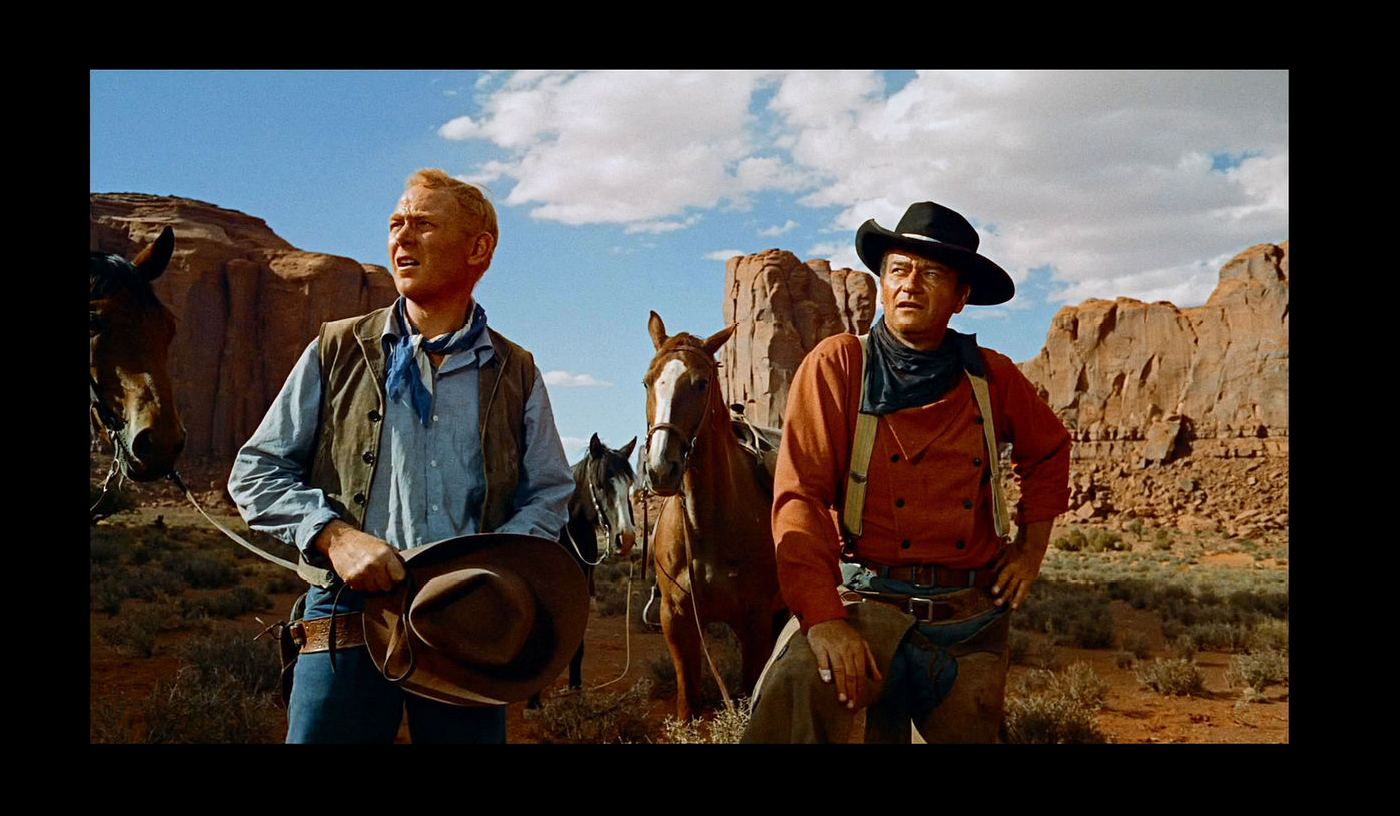
7
The Searchers
JOHN FORD, 1956
It is a somber and tragic western, the story of a biblical obsession starring a neurotic –or a loner– who wanders through the Texas desert looking for a place to die, both him and the girl he fears he may have fathered. John Ford knew that a film should only have what is necessary, but behind its laconic stylistic restraint lies an architecture so sophisticated that, in the first twelve shots, it narrates with miraculous conciseness the entire life of a family. Entire movie.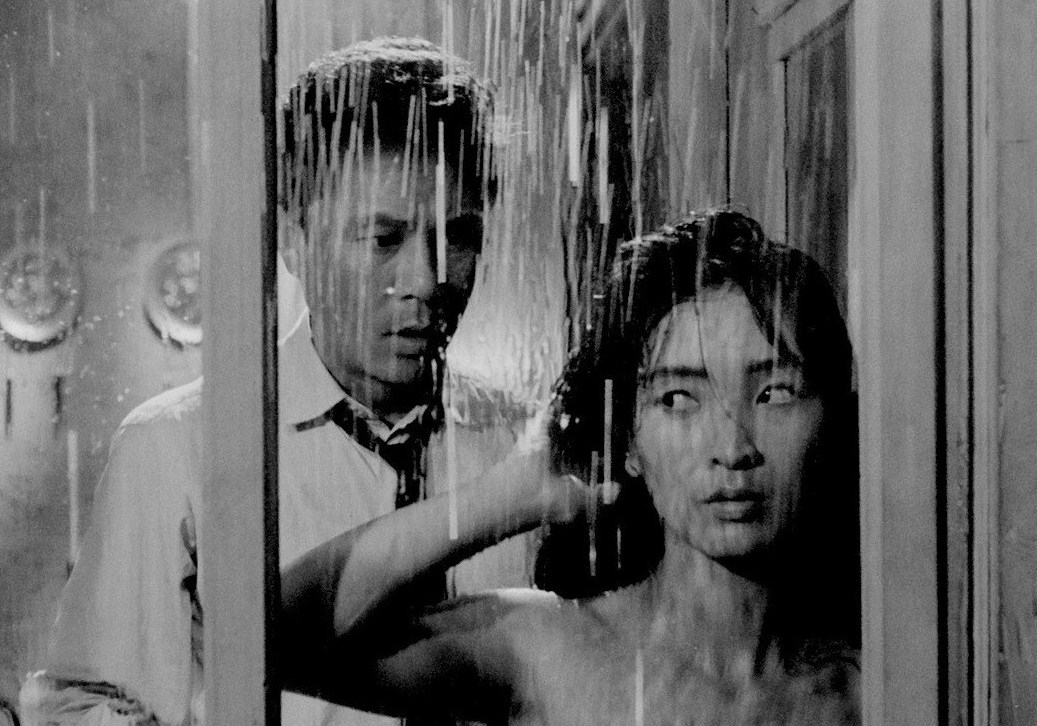
8
Hanyo
KIM-KI-YOUNG, 1960
A textbook melodrama – an adultery between a music teacher and the family maid – becomes a turbulent and fascinating psychological horror thriller. Narrated with surgical precision, the period drama mixes with gothic horror – the space of a house becomes a character more perverse than the protagonist –, suffocation dominates every shot, and perhaps it had never been seen that a glass of water could represent such a lethal danger.Trailer.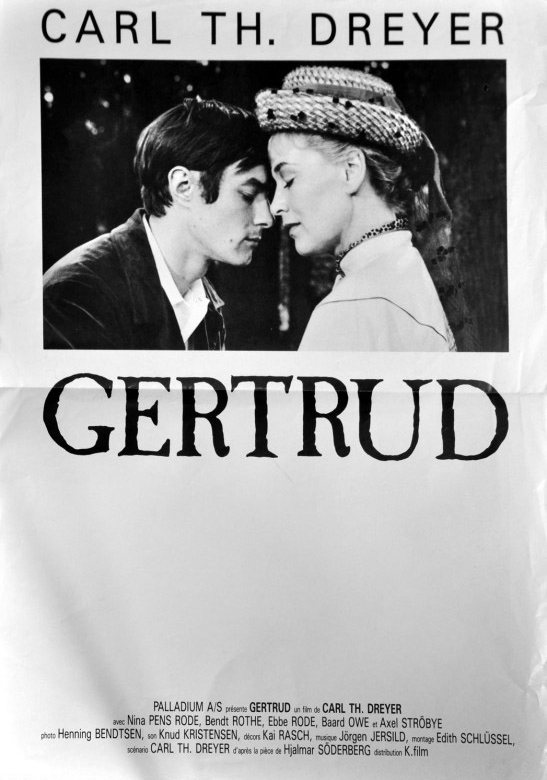
9
Gertrud
CARL THEODOR DREYER, 1964
Melodrama requires mastery of the dramatic continuum, the use of the laws of sentimental identification, virtuosity in the graduation of secret musicality and in the harmony of interior rhythms: in Gertrud, Dreyer elevates it to metaphysical heights. A film of dialogues, in the last shot the word disappears and, when the protagonist closes the door and makes a farewell gesture, what is felt is not the invisible clock that has sounded throughout the film –time is not seen–, but the bell that announces death. Video with scenes from the film and commentary by film critic Richard Brody.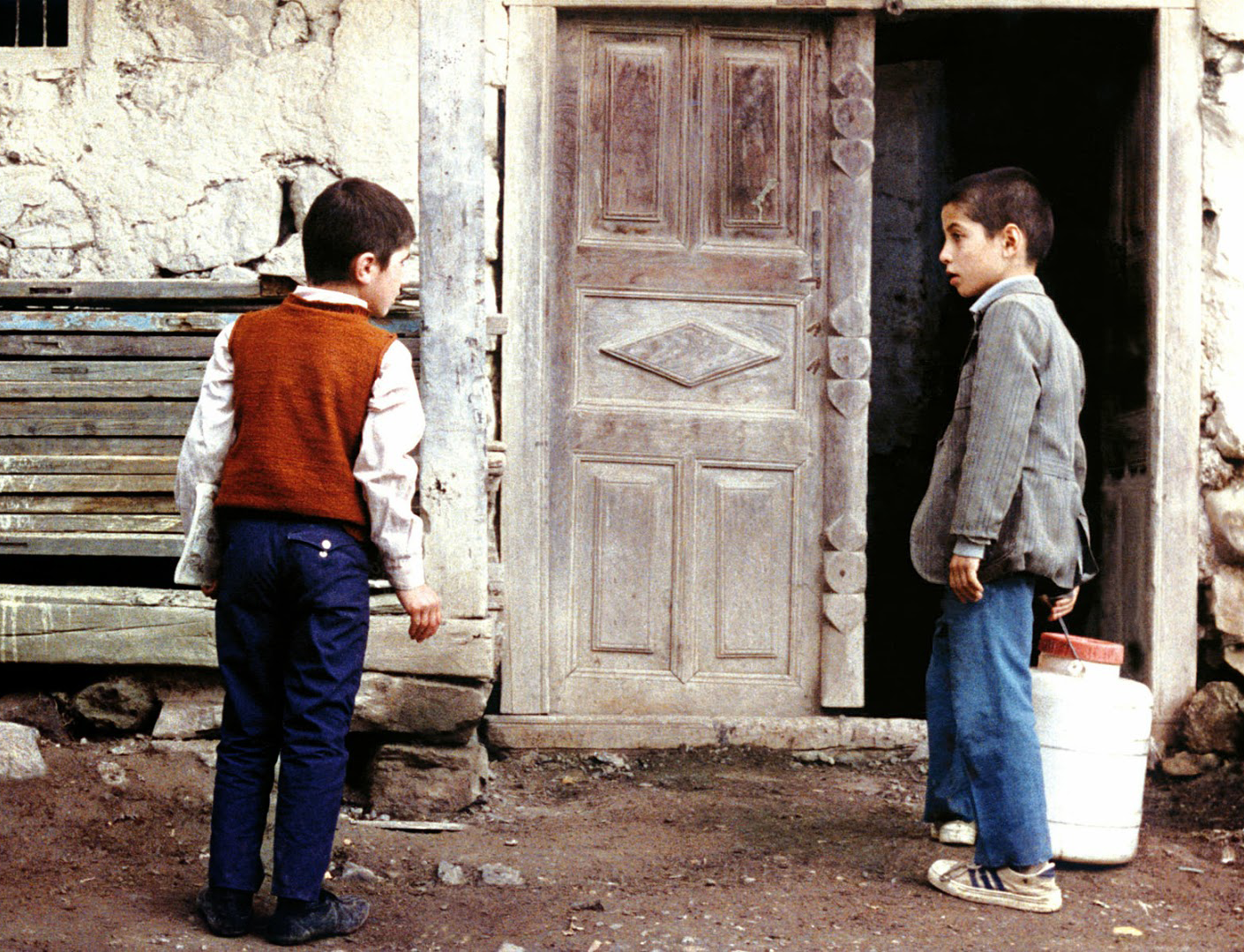
10
Koker Trilogy
ABBAS KIAROSTAMI, 1987, 1991, 1994
Where Is the Friend's Home?, And Life Goes On, Through the Olive Trees
The protagonist of Where Is the Friend's Home?Where is my friend's house?is the pretext for the automotive odyssey that the filmmaker undertakes inAnd life goes on, an evident alter ego of Kiarostami, who in Through the Olive Trees is played by another actor who rehearses to exhaustion a minimal scene from And Life Goes On. Each film is born from the previous one, questions it, corrects it, and dismembers it. Kiarostami's work is a slow and subterranean commotion that re-examines the foundations of cinema with calm and humor.Video with scenes from the trilogy.Add The New Barcelona Post as your preferred Google source for free
Stay informed with the latest news.