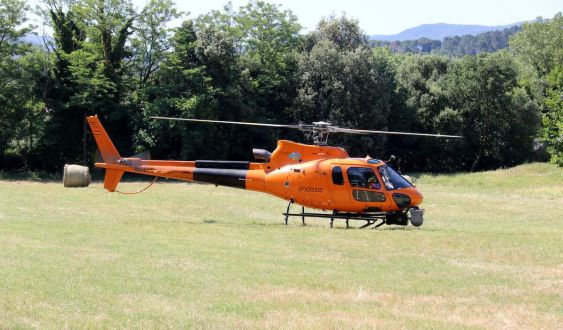
Technology also serves to better protect forests and prevent forest fires. Proof of this are the multiple tools that Endesa uses to clear vegetation and detect possible incidents in the electrical grid that runs alongside trees and bushes. For example, helicopters equipped with thermal cameras allow detecting what is not visible to the naked eye, such as hot spots at risk of overheating. Thanks to the infrared emitted by an object at a high temperature, deteriorated points where quick action is needed can be found from above.
With increasingly hot and dry summers, the electricity company has equipped itself with different instruments to speed up its forest protection campaign, as well as obtain more efficient results and avoid dangerous displacements for operators. With more than half of its power lines close to wooded or vegetated areas, Endesa mobilizes helicopters and other devices to clear forests and anticipate possible incidents. According to Endesa's director for Catalonia, Francesc Alemany, a total of 17.5 million euros will be allocated to the summer campaign this year. For the Barcelonès region, this figure stands at 1.8 million euros.
The helicopters used by Endesa are also accompanied by high-definition cameras that allow observing the type of vegetation and seeing how fast it grows, making it possible to determine how long it should take to prune them depending on whether they grow faster or slower. Current regulations require a review of the entire network ---almost 100,000 kilometers--- every three years, but some types of vegetation, such as reeds, expand in a short time, so controls are done annually. In addition, information is increasingly processed through machine learning and deep learning, creating a large database that generates knowledge about the most common problems, which are detected simply by comparing the photos that are obtained.
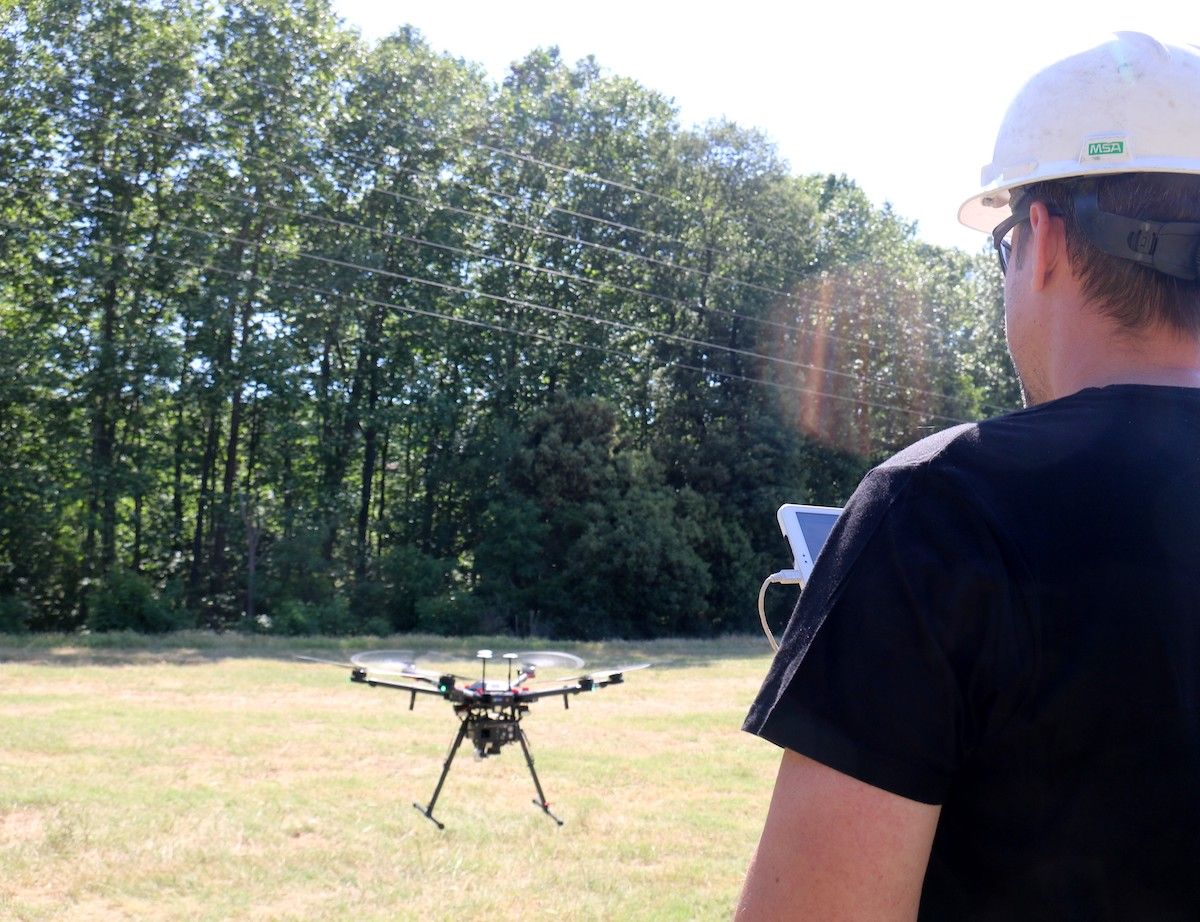
But it's not all helicopters. For years, Endesa has complemented inspections to check the condition of the electrical grid with drones. Equipped with high-resolution cameras, drones allow capturing images of the lines, especially in hard-to-reach points and without having to cut off the supply, an interruption necessary for technicians to climb the supports and examine the infrastructure. The company also uses 100% laser scanning of overhead high-voltage lines combining GPS technology and laser sensors. This system has allowed creating a 3D model in which all the infrastructure can be analyzed and issues such as the distance between cables or with vegetation can be measured, as if it were a street view. Like drones, this reduces brigade travel and speeds up processes.
One of this year's novelties is the use of a remote-controlled machine that clears vegetation. The new device is driven remotely, which improves the safety and health conditions of the operators who perform these tasks. It also serves to increase cleaning capacity. The review of the facilities is complemented by the felling and pruning of the forest mass that grows around Endesa's almost 53,000 kilometers of overhead network.
Technology also serves to complement traditional pruning and revisions. Last year, the company created a mobile application for personnel working on felling and pruning tasks, with the aim of being able to report directly and in situ incidents detected on the fly. These types of notifications were already made before, but the app now allows unifying and automating them.
Add The New Barcelona Post as your preferred Google source for free
Stay informed with the latest news.
