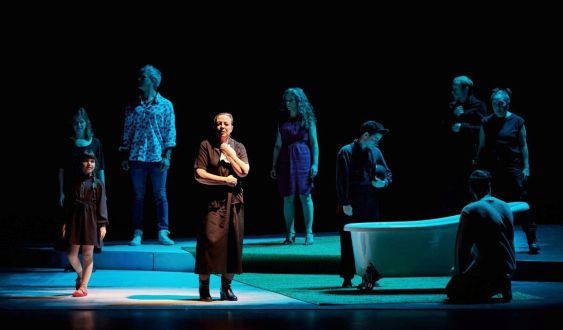
The Teatre Apolo revisits the great theatrical work by Luigi Pirandello Six Characters in Search of an Author. This production invites us to attend a play within a play and to come face to face with an identity crisis that, more than a century later, remains contemporary. The starting point of this piece is unique and very original: six fictional characters burst into a theatrical rehearsal asking the director for their drama to be performed.
The central conflict is based on the clash between real life and theater. While we, as people, change, doubt, and evolve every day, the theater character is forever trapped in their same story. The staging presents this anguish very well: that of characters condemned to relive their drama again and again, while the real actors only see in them a script to interpret.
The return of a giant to the Teatre Apolo
Luigi Pirandello premiered in Rome in 1921 Six Characters in Search of an Author,a work that produced such a scandal that the author had to leave the theater before the shouts of the audience. It is a piece in which the Nobel Prize in Literaturebroke the "fourth wall" and introduced the concept of metatheater long before the term was common in theater of the time.We are faced with a treatise on the impossibility of knowing the truth and the condemnation of living trapped in a fixed identity. Today, the work has not lost an ounce of its strength; it remains the best example of how the stage can make us doubt our own identity.
The direction achieves a great visual balance
The direction of Antonio Álamo and Pepa Gamboaopts for a very balanced scenic design; the lighting also plays a crucial role, as it separates the "real" world of the actors from the almost ghostly aura of the characters arriving from the audience.The great success of the direction is how it constructs key moments using simple but very powerful images. A clear example of this is the scene that takes place in the garden: with few elements such as a bathtub or falling leaves, a space full of poetic force and visual beauty is recreated. A giant set is not needed for the viewer to feel the trauma of the characters; objects are chosen that directly show the emotion that is intended to be conveyed.
The transition between the actors' rehearsal and the family's drama also works very well. That tension of not knowing who the real intruder in the room is is always maintained: whether it's the actors who are working or the characters who have just arrived.
Truth and naturalness
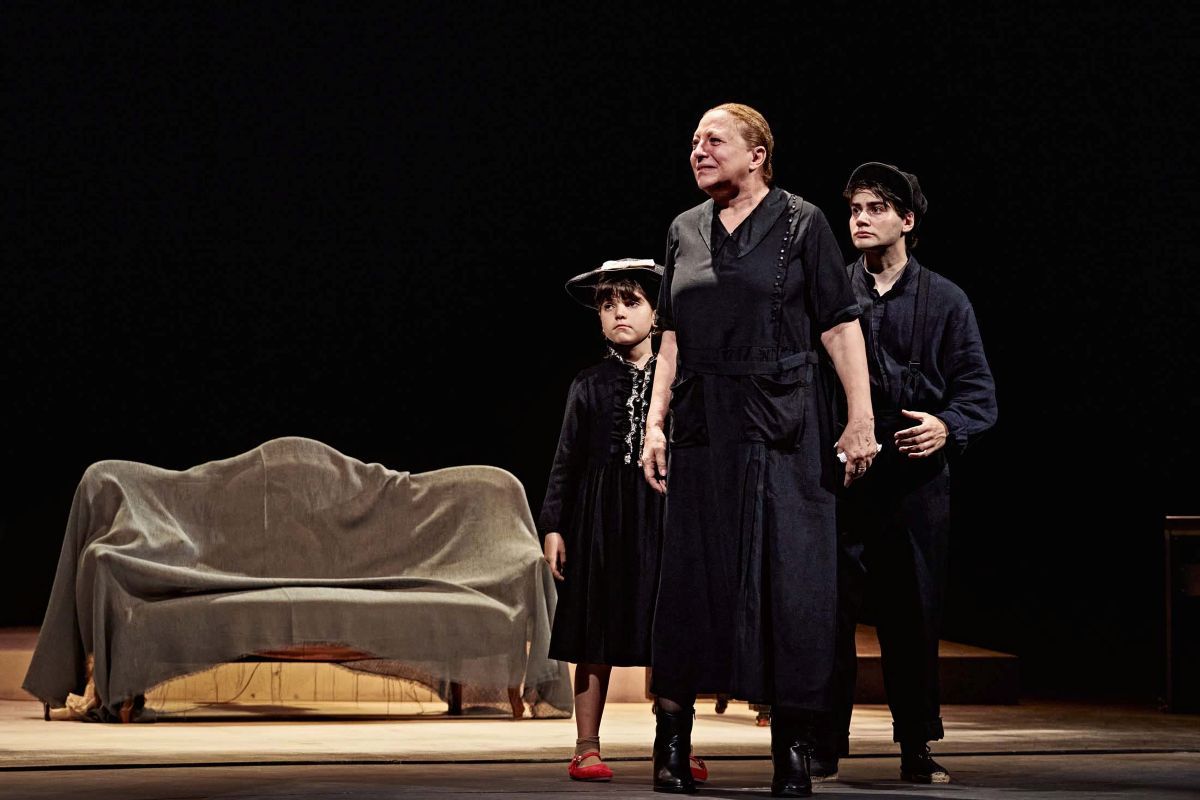
The incest scene in the brothel is the climax of this production.The naturalness with which this culminating moment of Pirandello's work is presented allows it to move away from easy sensationalism to focus on humiliation and recognition. But the truly brilliant thing about this production (and where Pirandello's thesis is best understood) iswhat happens immediately after.When "professional" actors try to replicate the scene they have just witnessed, the viewer feels great discomfort. The contrast is brutal. The raw and heartbreaking "truth" of the Father and the Stepdaughter becomes a parody in the hands of the actors. With this, the play suggests that art, by becoming too technical or professional, can dilute the truth it tries to represent. The frustration of the characters at being "imitated" is the frustration of the author at the impossibility of his proposal truly reaching the public.
The risk of tone
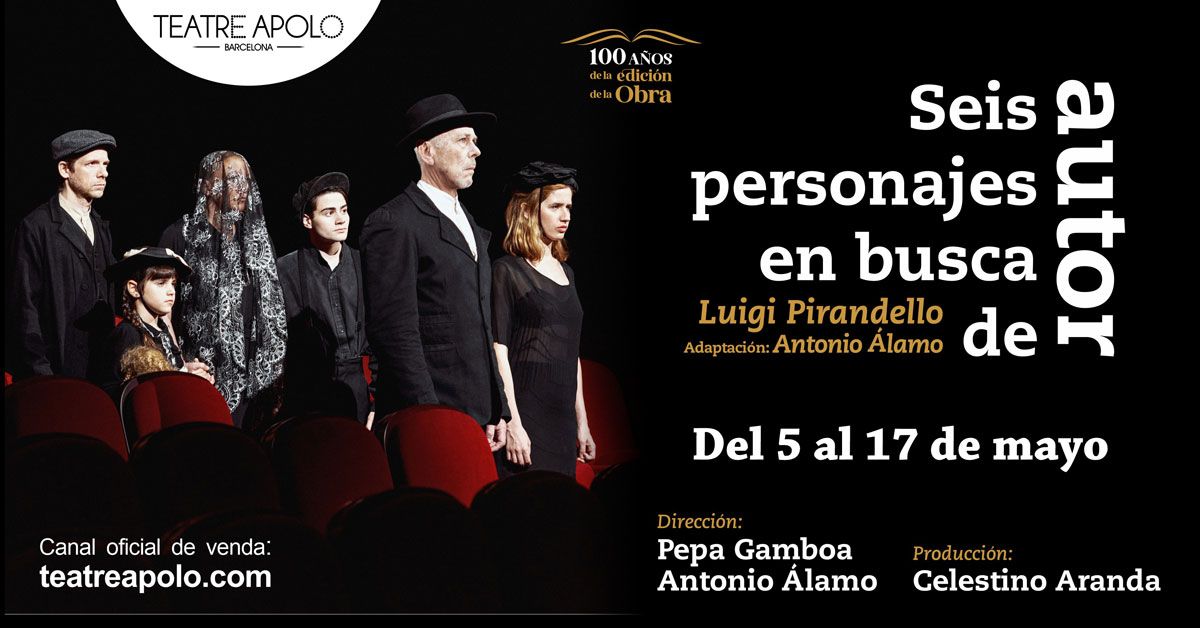
However, no contemporary reading is without risks, and in this case, some elements do not quite gel. There are some rhythm changes that feel a bit forcedand that cut the connection with history instead of adding something new to it. For example: there are scenes of direct interpellation to the public or musical passages thatalter the rhythm and generate situations that don't quite work.These decisions dilute the dramatic tension achieved in the monologues. It gives the impression that there isn't full confidence in the power of words, and an artificial agility is sought that the story doesn't need.
The challenge of acting cohesion
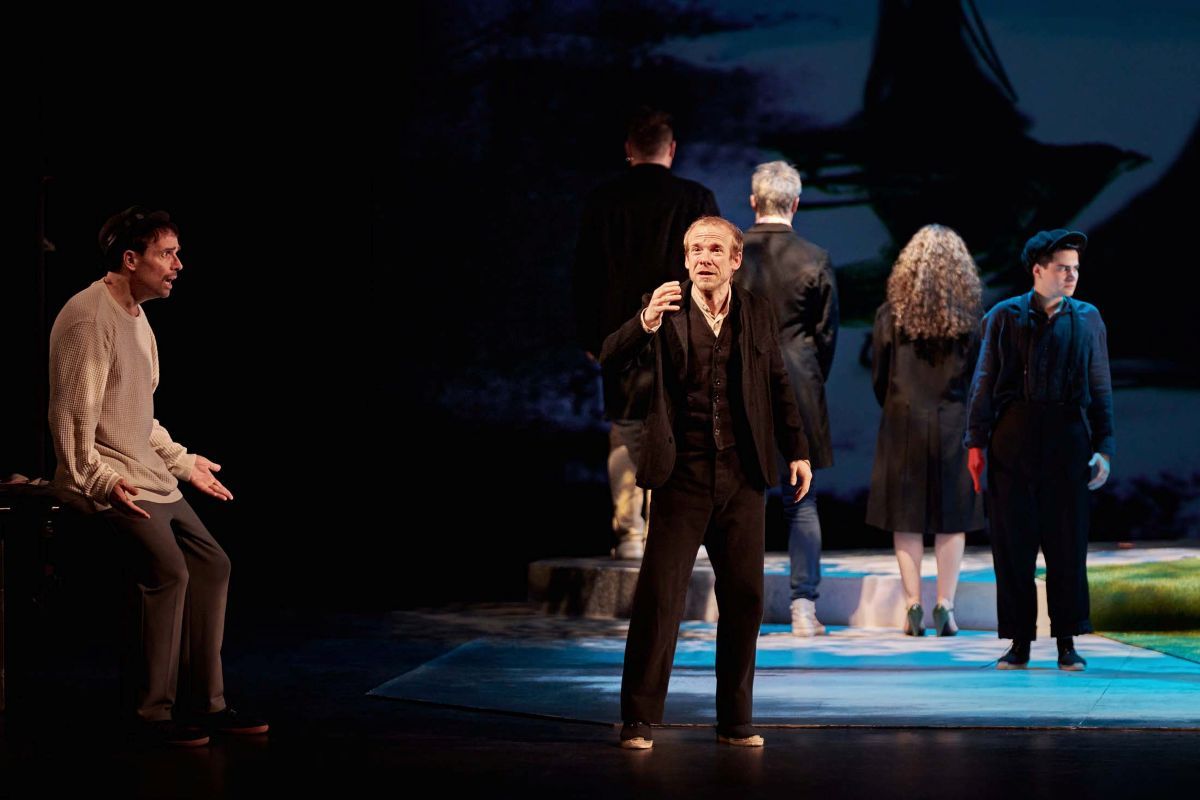
The protagonist duo performs a work of great interpretive quality: the actor who plays the Fatherachieves the difficult task of humanizing the author's discourse and helps make the philosophical dilemma more accessible and easier to understand. Her ability to bear the weight of the text allows the depth of the work to reach the audience unfiltered. For its part, the actress who plays the Mother offers a performance full of nuances and restraint.It is true that, given such a display of truth, the rest of the cast faces the difficult challenge of maintaining that same level of intensity. In this sense, the supporting actors seem to follow a more feigned style. It is understood that this is to differentiate the real world from the theater, but sometimes this clash of styles makes the performance lose balance.
This production believes in the transformative power of the stage and invites us to reconnect with an immortal classic.
A reflection that endures
This approach to Six Characters in Search of an Authorin the Teatre Apolo is a proposal thatdoes not fear facing the big questions.Despite some misalignments in the staging and acting, the production achieves what all good theater should: that the play be a vehicle for thought.We leave the theater with the feeling that the true performance begins precisely now, on the street, where each of us must decide what part of our mask is reality and what part is representation. This production believes in the transformative power of the stage and invites us to reconnect with an immortal classic.
Add The New Barcelona Post as your preferred Google source for free
Stay informed with the latest news.