
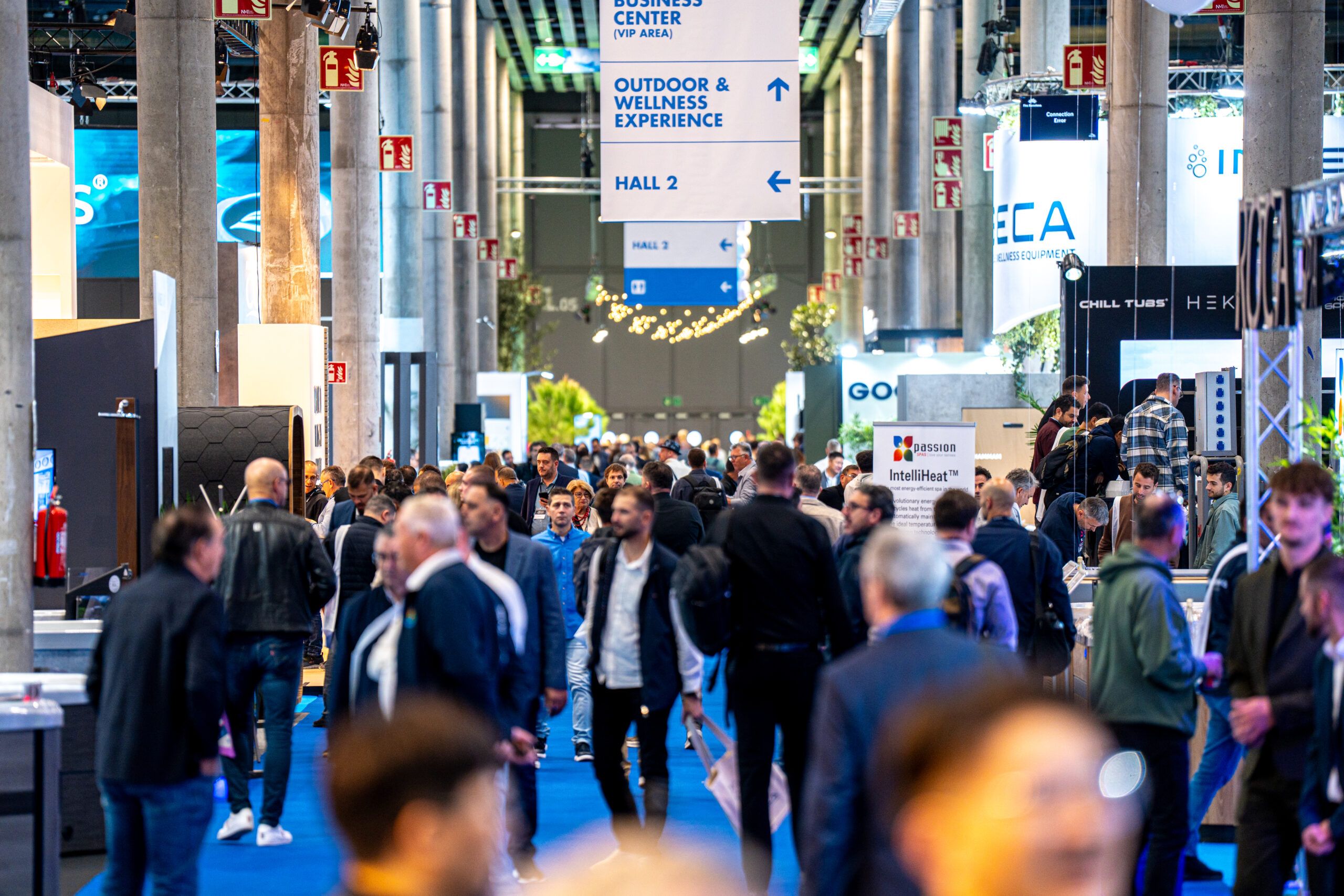
This week, more than 15,000 professionals from the pool and wellness sector will have attended Piscina Barcelona 2025, at Fira de Barcelona's Gran Via venue, to continue consolidating this economic sector which, according to forecasts, will generate some 1.6 billion euros this year. It is an economic sector that sometimes goes unnoticed in the press, but the reality is quite different: these days, early in the morning, long queues of people accumulate at the Europa | Fira metro station entrance, parading towards the venue's doors, minutes before they open. The reason? Swimming pools and everything related to them.
"In Barcelona, we hold this exhibition because we have a great social demand for swimming pools, and around this need, a very powerful economic sector has been created, to the point that we have the world leader in the sector at home, Fluidra," explains Agustí Ferrer, general director of the Spanish Association of Pool Sector Professionals (ASOFAP) to The New Barcelona Post.
It also cannot be overlooked that Spain is the second European country and the fourth worldwide in the number of swimming pools, with almost 1.4 million installations, a figure that continues to increase year after year. This has allowed the sector to generate some 70,000 jobs and to group more than 2,000 companies linked to water treatment, construction, rehabilitation, maintenance, and equipment of aquatic facilities.
This impact, moreover, has other derivatives in sectors such as hospitality and tourism, Ferrer recalls, since, for example, a hotel without a pool has it very complicated to access certain clients. "Any hotel wants to put in a pool, however small it may be. It's a huge draw," the executive assures. At the same time, Ferrer also recalls that pools are a climate refuge and an important element of social cohesion, especially in summer, in a growing number of towns and cities, which is why he maintains that there will continue to be demand in the future.
Automation, sustainability, and innovation, the future and present of swimming pools
The secret to having built such a powerful and solid economic sector, Ferrer assures, is very simple: listening to what users ask for. "The sector presents tools so that whoever has a pool has the least possible work. Solutions designed to have attractive pools, easy to install and maintain," says the businessman. For this reason, the vast majority of innovations presented to professionals in the sector revolve around three axes: automation, sustainability and innovation.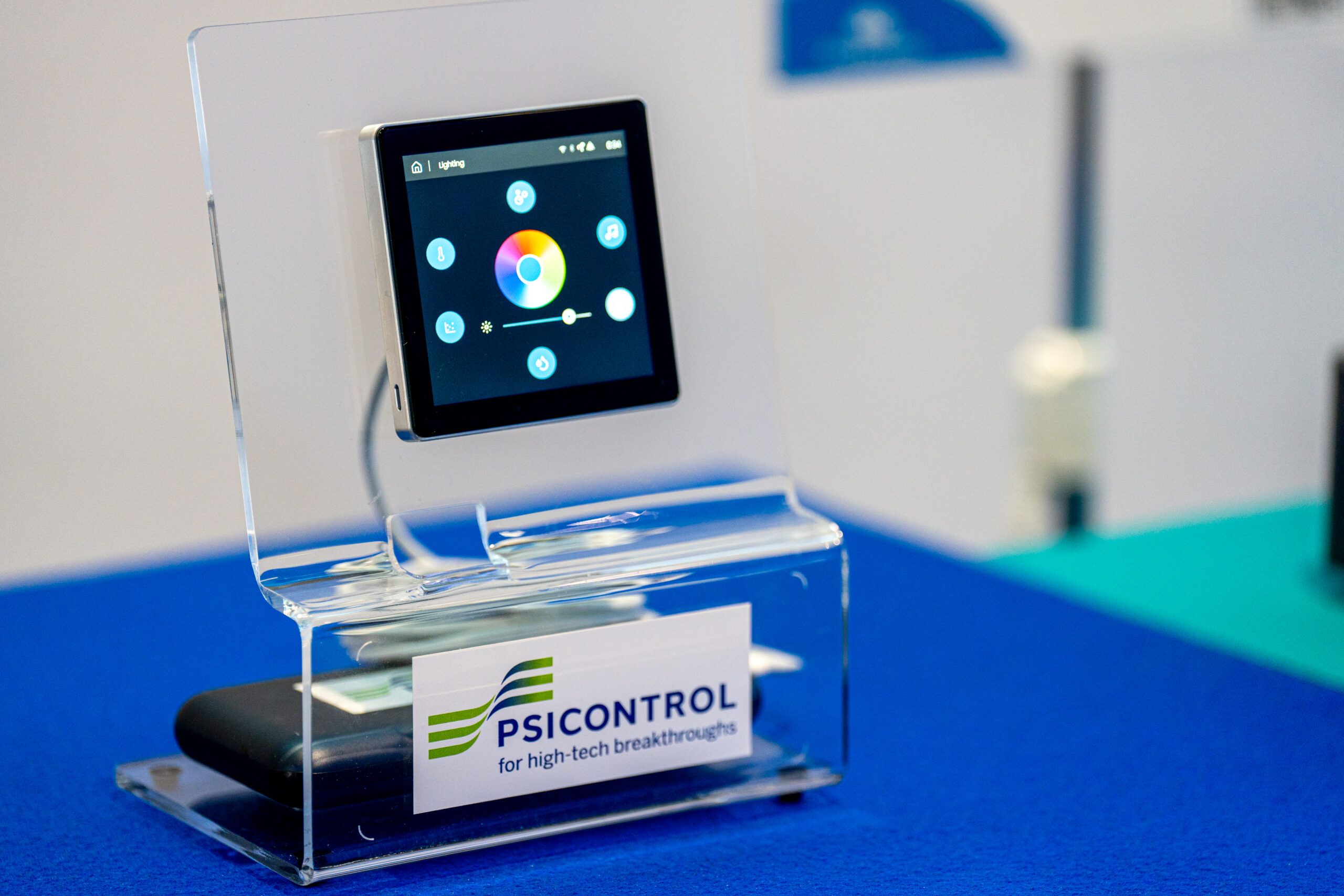
These three axes lead to multiple proposals, such as devices with built-in Internet of Things (IoT) to control all operating parameters of the pool, sauna, or hot tub from a mobile phone and have everything automated; or intelligent robotic pool cleaners that act against dirt, climate control systems that regulate water temperature, or covers that prevent evaporation.
One of the stars of the fair has been the incorporation of artificial intelligence into the sector. This technology adds learning to the operation of equipment, taking automation to another level and anticipating maintenance needs, guaranteeing comfort, ease of use, and safety.
Add The New Barcelona Post as your preferred Google source for free
Stay informed with the latest news.