
Talent and a strong corporate culture based on purpose. These two factors are essential for companies to succeed and are also decisive in achieving the increase in productivity that our economy needs. This was stated this Friday by the CEO of Inditex, Óscar García Maceiras; the president of Fira de Barcelona, Pau Relat; and the president of KPMG in Spain, Juanjo Cano, in one of the round tables of the third and last day of the annual meeting that the Cercle d'Economia has held this week in Barcelona.
According to Pau Relat, "talent is the differential element" of Fira de Barcelona, since "everything is copiable, except people". "It is talent that makes us different and allows us to have a leadership position in the fair sector," said the also newly appointed president of MAT Holding. "We attract talent and retain it, with attractive remuneration, but, especially because of the purpose of the Fira: we want to leave a legacy and contribute to the productive economy of the country. Our mission is to be an economic and social engine for Barcelona," Relat explained.
The president of Fira de Barcelona has assured that business culture is "another key element", as it defines the management model of companies and makes them "unique and more competitive". "The Fira model focuses on a long-term vision and on working with great ambition, because we are an institution at the service of the productive sector. This model makes us differential and, therefore, more competitive and productive," he pointed out.
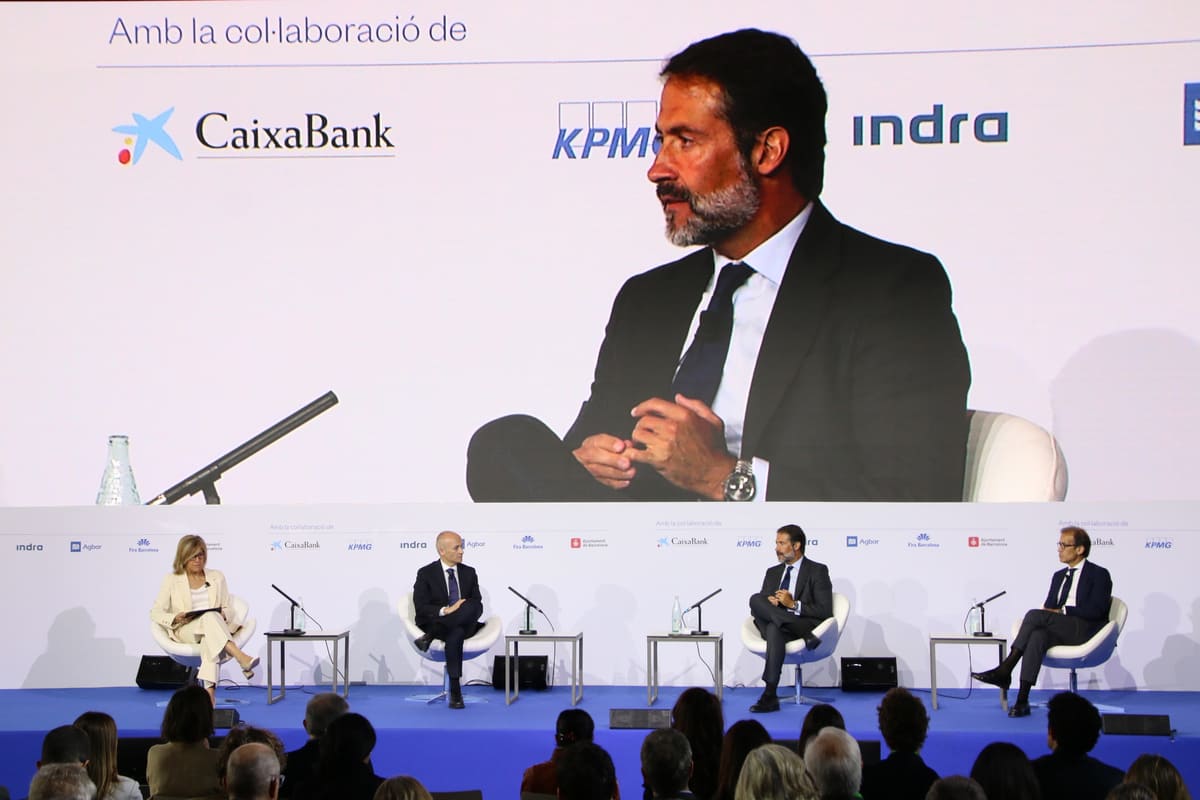
Along the same lines, the CEO of Inditex has proclaimed that "it is not possible to have a successful model without talent" and with a corporate culture that enhances it. In García Maceiras's opinion, the values and culture of a company are "a multiplying factor" of its business model. "For Inditex, corporate culture is absolutely differential" and is based on issues such as "a sense of belonging, nonconformity, and a permanent desire for improvement." Another "absolutely key" element for the leading group in the textile sector is diversity, as 180 nationalities coexist in the company. "For Inditex, diversity is not just a fact, it is a necessity, as we need to respond in fashion" to all types of customers worldwide, he highlighted, after recalling that 76% of the employees of the Galician group are women; and that women occupy 86% of management positions.
For the president of KPMG, productivity involves having motivated employees "who identify with the company's purpose" and who feel proud of belonging. "It is said that young people don't know what they want, but I think it's just the opposite, they know quite well what they want: they want to work in companies with purpose, that contribute to society. Purpose, now, is more necessary than ever; what it's about, ultimately, is putting soul into companies," he reflected. Cano also defended that "in-person presence adds a lot of value" and that it is necessary to forge that pride of belonging and "vital for people's development."
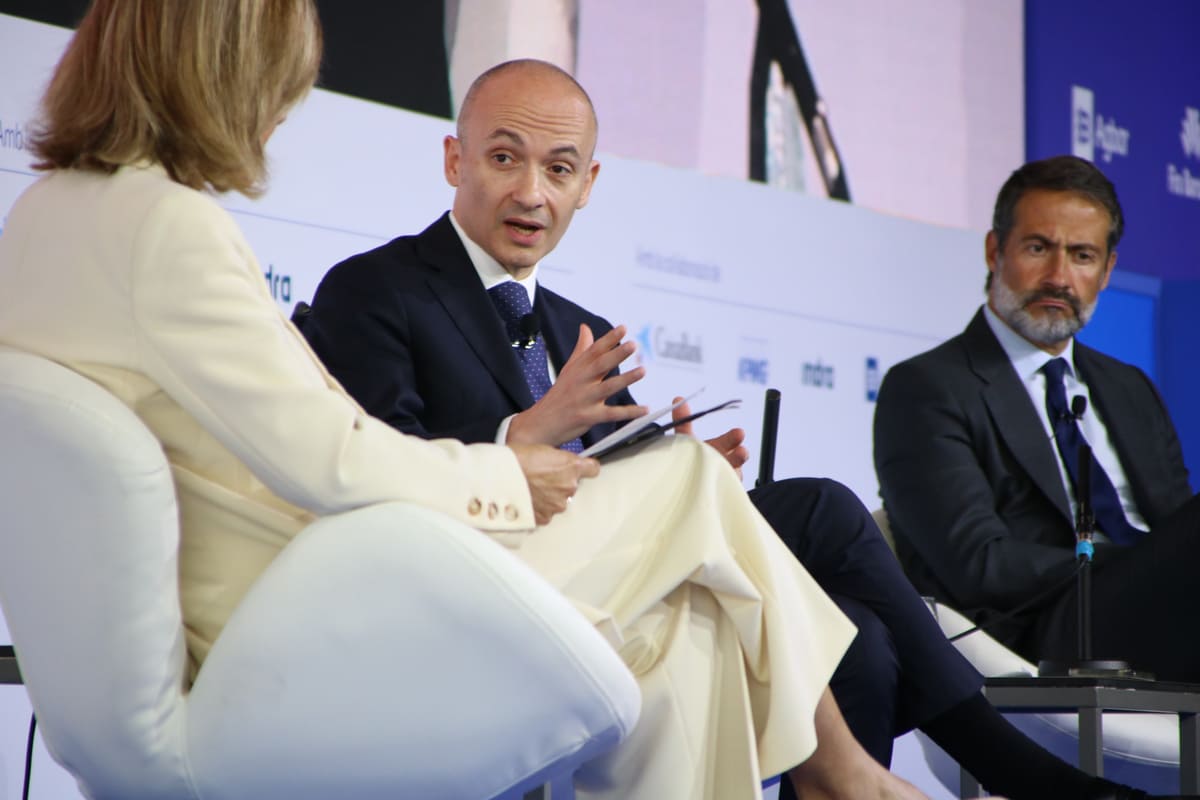
The three executives agreed to emphasize that sustainability must "be the pillar" of every business model and that productivity must be based on "producing more with fewer resources." They also confirmed that the commitment to technology is also essential for any company. "At Inditex, technology is a key instrument for the development of our business," said García Maceiras, who referred to the progressive incorporation of artificial intelligence "as an enhancer of the work carried out by the teams, but not as a substitute for their work." "Decisions must always be made by our teams," he reiterated at the meeting moderated by Núria Cabutí, vice president of the Cercle d'Ecomomia and CEO of Penguin Random House.
Pau Relat also sees technology "as a tool available to talent so that it can fulfill its purpose and be more productive." He gave as an example the digital twin that Fira de Barcelona uses to optimize the occupation of the Gran Via de Fira de Barcelona venue by minimizing the assembly and disassembly periods of the fairs.
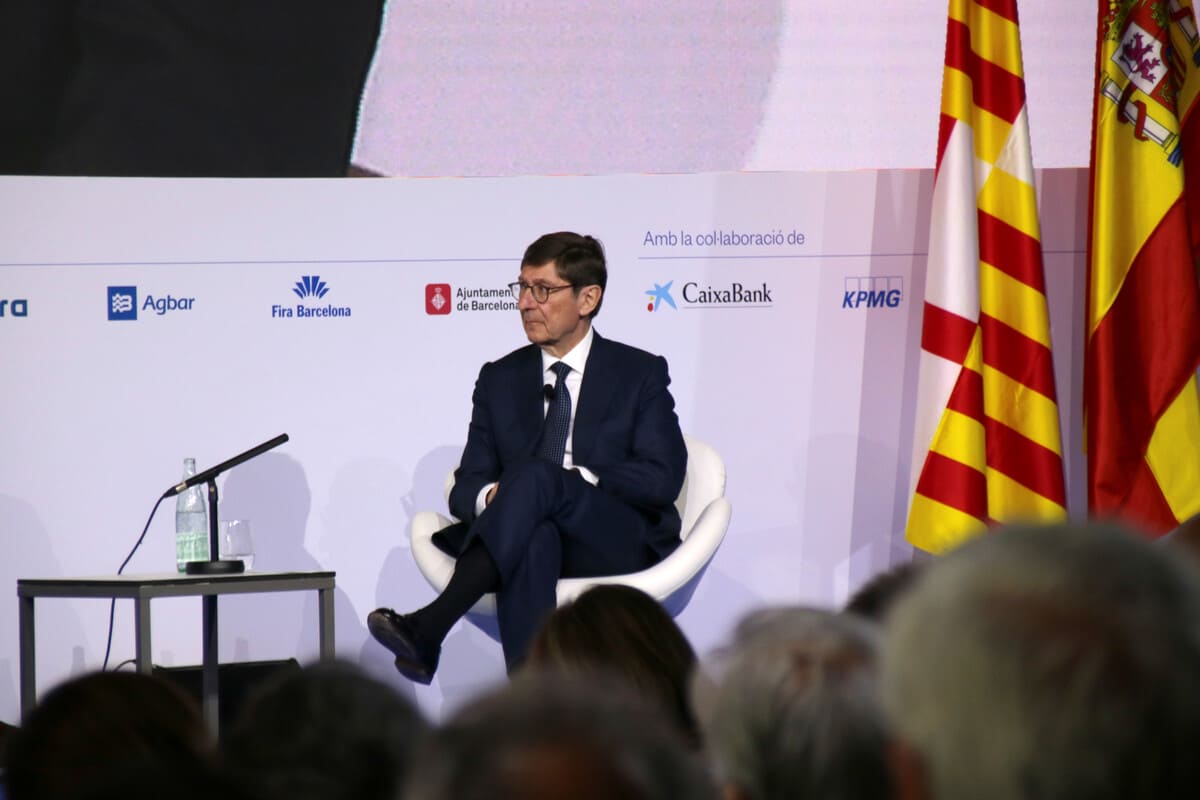
In another round table with the governor of the Bank of Spain, Pablo Hernández de Cos, the president of CaixaBank, José Ignacio Goirigolzarri, made a plea in favor of the business class and asked for more training for young people and greater "training of Spanish citizens in general." According to the banker, before, the main concern of companies was to see if their sales grew, but now "what worries them is that they cannot find staff." "There is no more inclusive project than the improvement of education," he emphasized, after urging a reduction in school dropout rates and youth unemployment.
The president of CaixaBank recalled that "those who create wealth are entrepreneurs" and that, therefore, if a country wants to grow, "it is essential to support the business world." "We must promote a society that believes in business values. Society must put the entrepreneur where they should be: at the center of wealth creation," he concluded.
Add The New Barcelona Post as your preferred Google source for free
Stay informed with the latest news.
