The tall apartment blocks rising behind the Vall d'Hebron Hospital act as a wall behind which Sant Genís dels Agudells is sheltered.
Following the City Council's announcement to renovate streets and elevators in the city's mountain neighborhoods, several residents of the neighborhood have complained that no operation is planned for their steep streets; it's time to walk them.
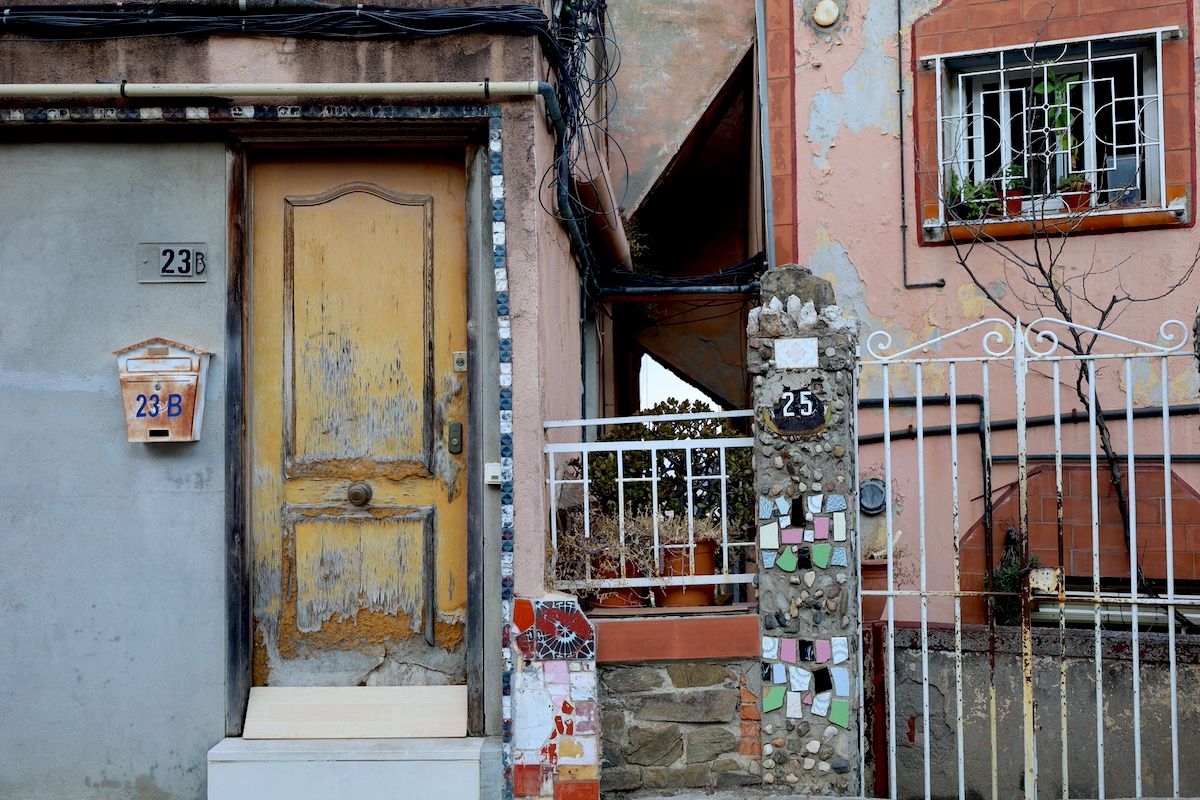
Taking the neighborhood bus is in itself quite an attraction. The 112 climbs the mountain through winding streets full of small apartment blocks and picturesque houses clearly self-built years ago, at a time when homemade trencadís and colorful mosaics with pieces of bottles seemed to be in fashion.
Outside the bus, the streets feel even steeper. Costa Pacheco goes up to the old Font del Roure. On the way, some neighbors greet each other in a style more associated with a rural village than with the great metropolis that spreads like a concrete blanket at the foot of the neighborhood.
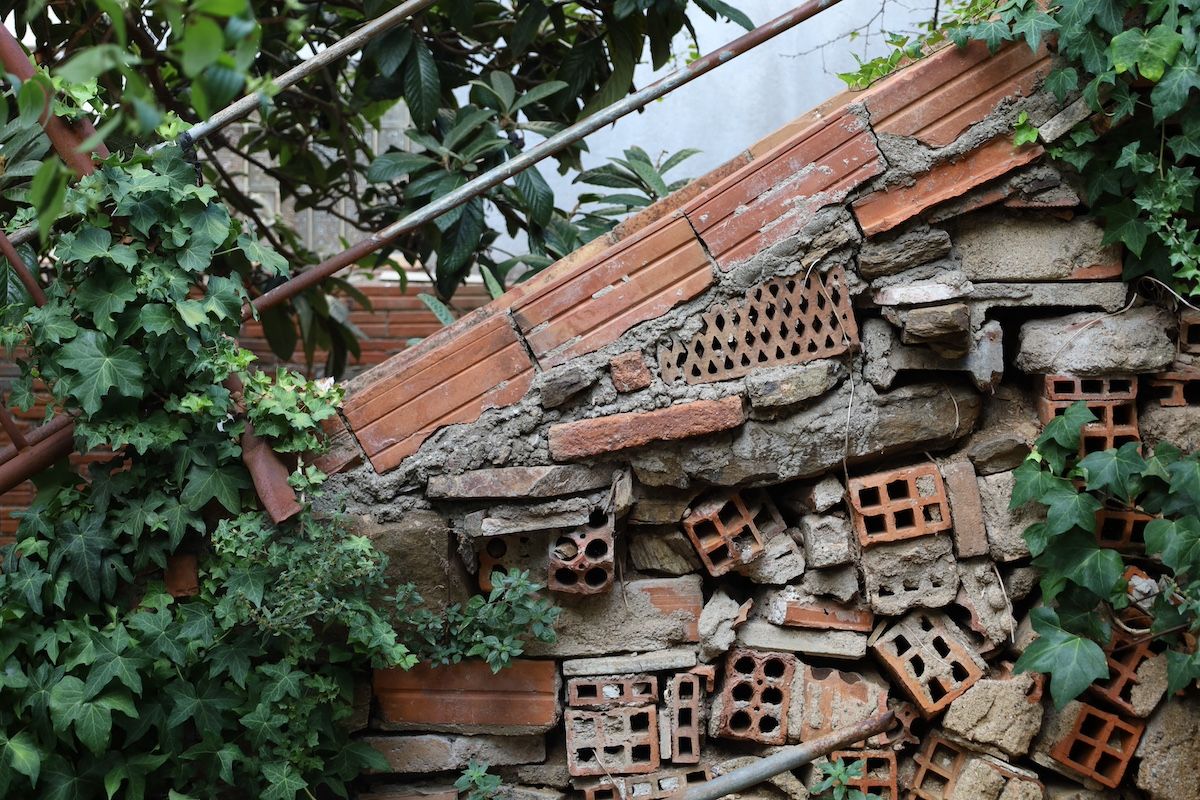
Although he now lives in nearby Carmel, one of them, Luis, explains that he has been from the neighborhood all his life. His grandfather and brother built the family apartment block, where the family still lives, surrounded by land where the mountain stone itself peeks out, with brick and concrete stairs that go up, down, and crisscross, taken from an Escher painting.
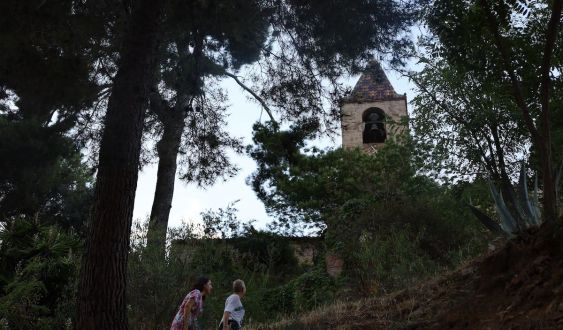
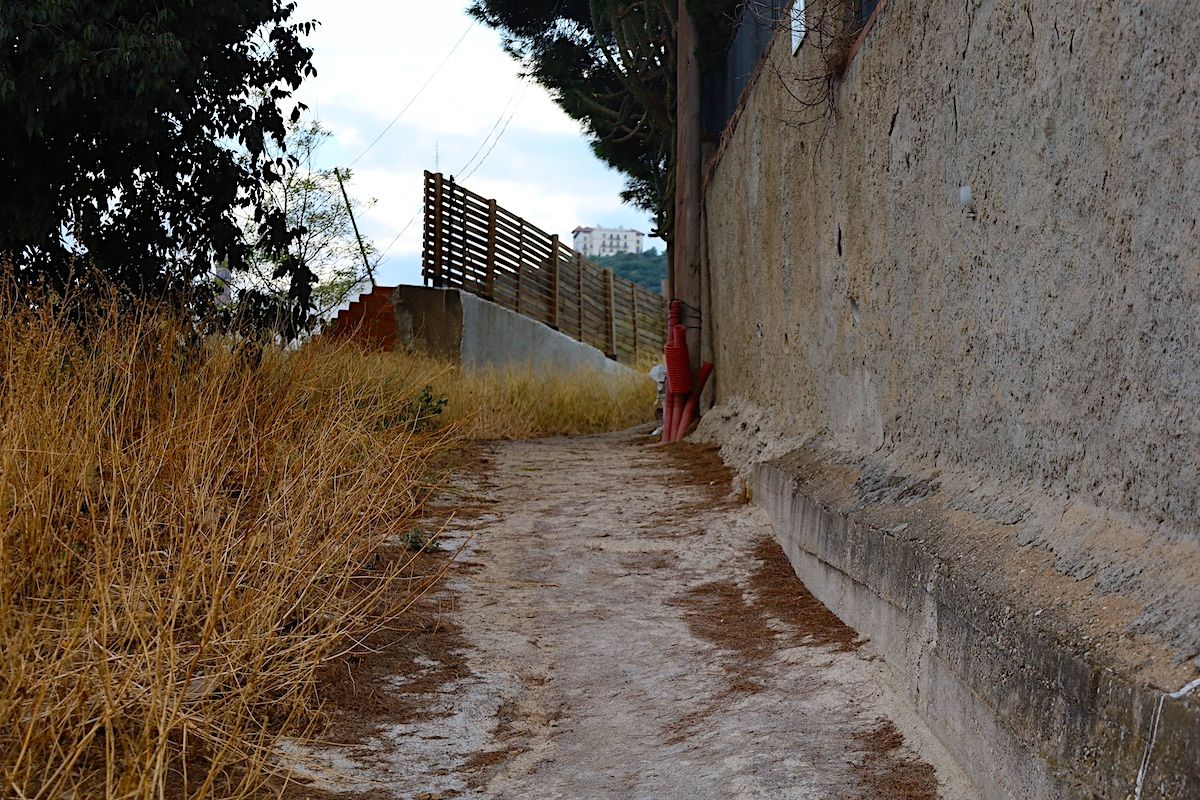
As Luis indicates, the medieval church is an essential point of the neighborhood: "It is over a thousand years old." Before returning to the lower part of the neighborhood to see it, he recommends going even higher, going beyond the Font del Roure along a small path hidden among herbs and brambles, until reaching Cànoves street, the last one before La Rabassada.
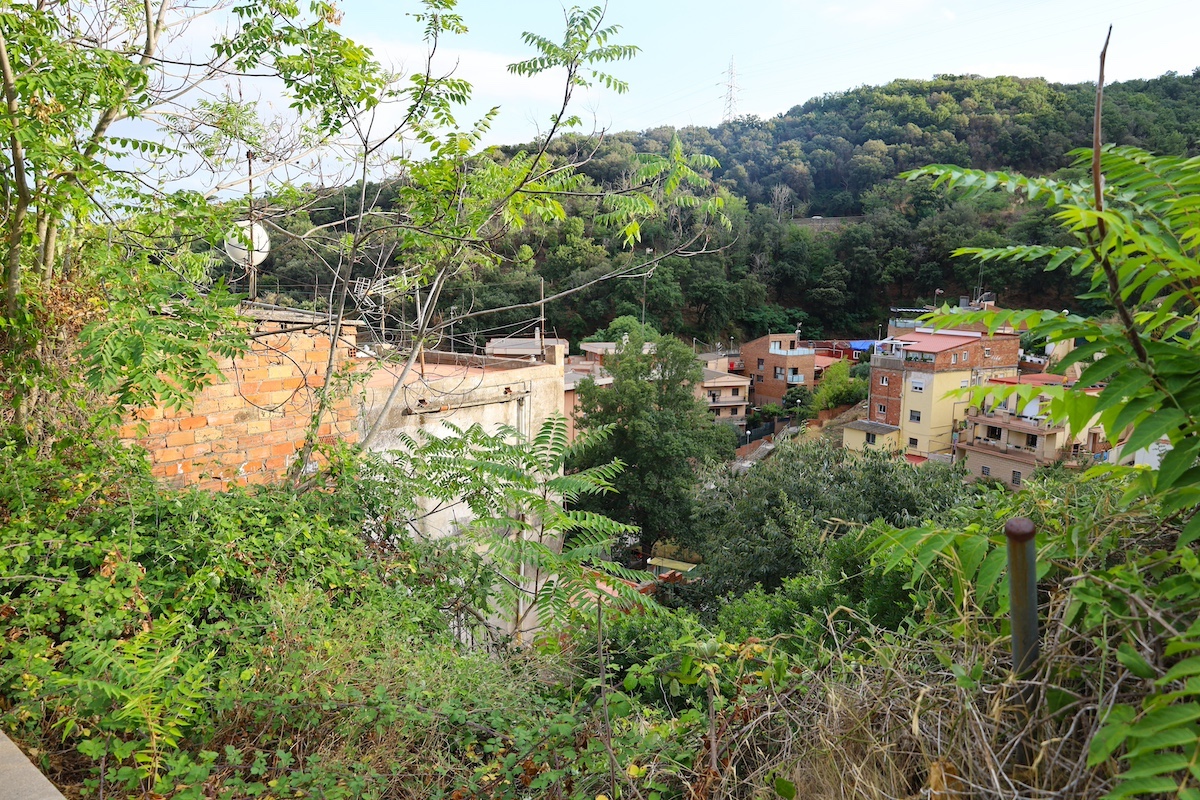
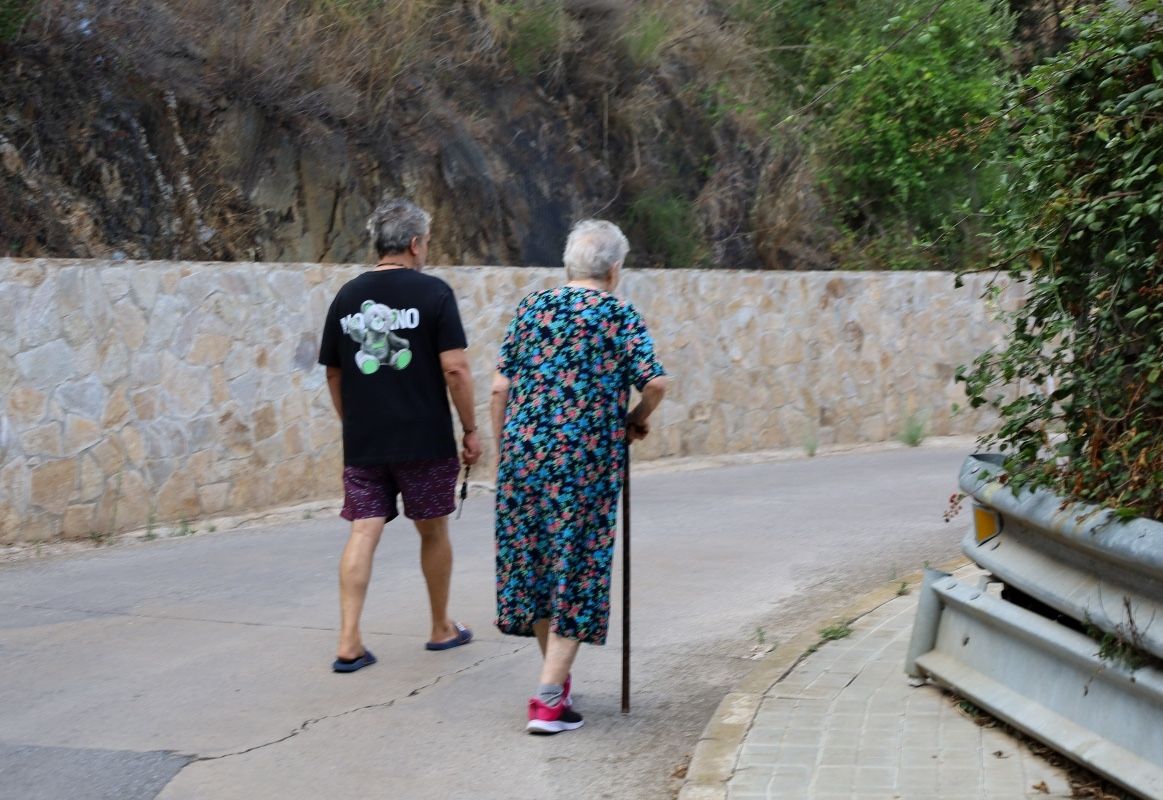
The Font del Roure rests in a wooded square that leaves the city and the noise of cars far behind. Mosquitoes accompany me along the path of herbs and irregular stones that lead to the upper street, by a shortcut that saves the hundreds of stairs that connect one street with another, further down. There, at the top of Sant Genís, an elderly woman and a middle-aged man walk, in silence and with a calm pace through the center of a road that expects no traffic beyond the neighborhood bus.
The street follows the contour of the mountain, revealing Tibidabo and the hitherto Gran Hotel la Florida. A path surrounded by forest seems to lead directly to the hotel, which is preparing to reopen as METT Barcelona in a few days. The parish bells announce the hours, while the sun hides behind the silhouette of the hotel and the amusement park.
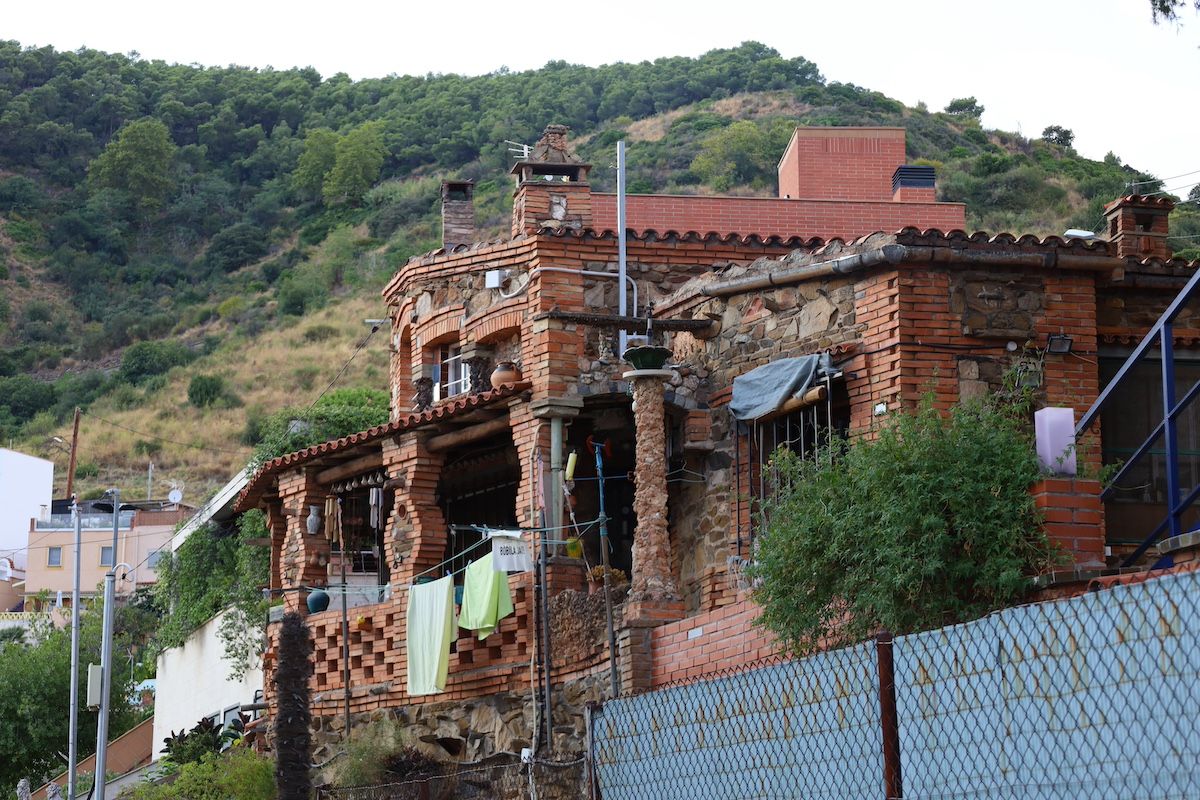
Along the promenade, houses and chalets of all sizes and colors parade. The style of each one depends on the taste of whoever built it in its day, with homes that hint at certain touches of luxury and others that still stand almost like old shacks that have come to more. Among the chalets, a peculiar brick construction stands out, seemingly taken from a fairy tale, with twisted columns and endless singular details that fill it with color.
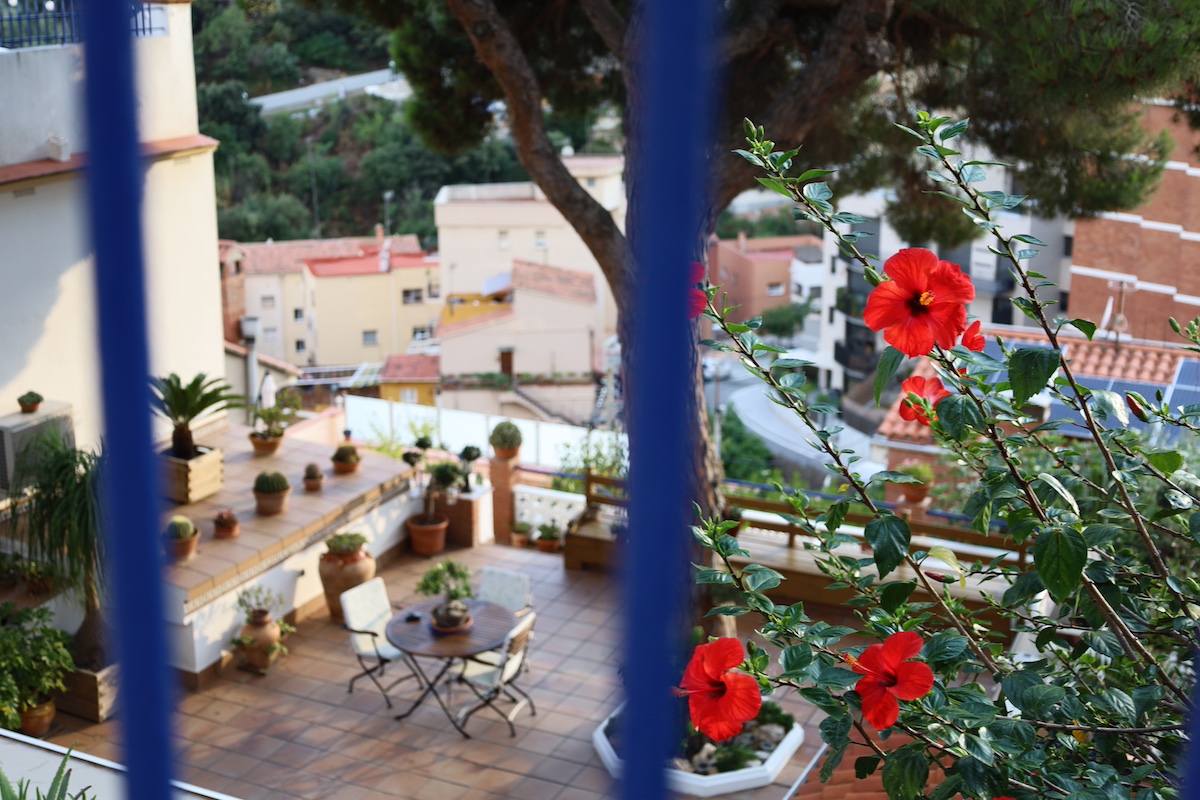
The street continues to descend, rushing towards the oldest core of the neighborhood, passing by chipped colored doors, railings overlooking cliffs, and countless mosaics that must have been the latest trend in the neighborhood several decades ago. As a backdrop, on one side, the sea and Barcelona in all its extension; on the other, the green of the pine trees.
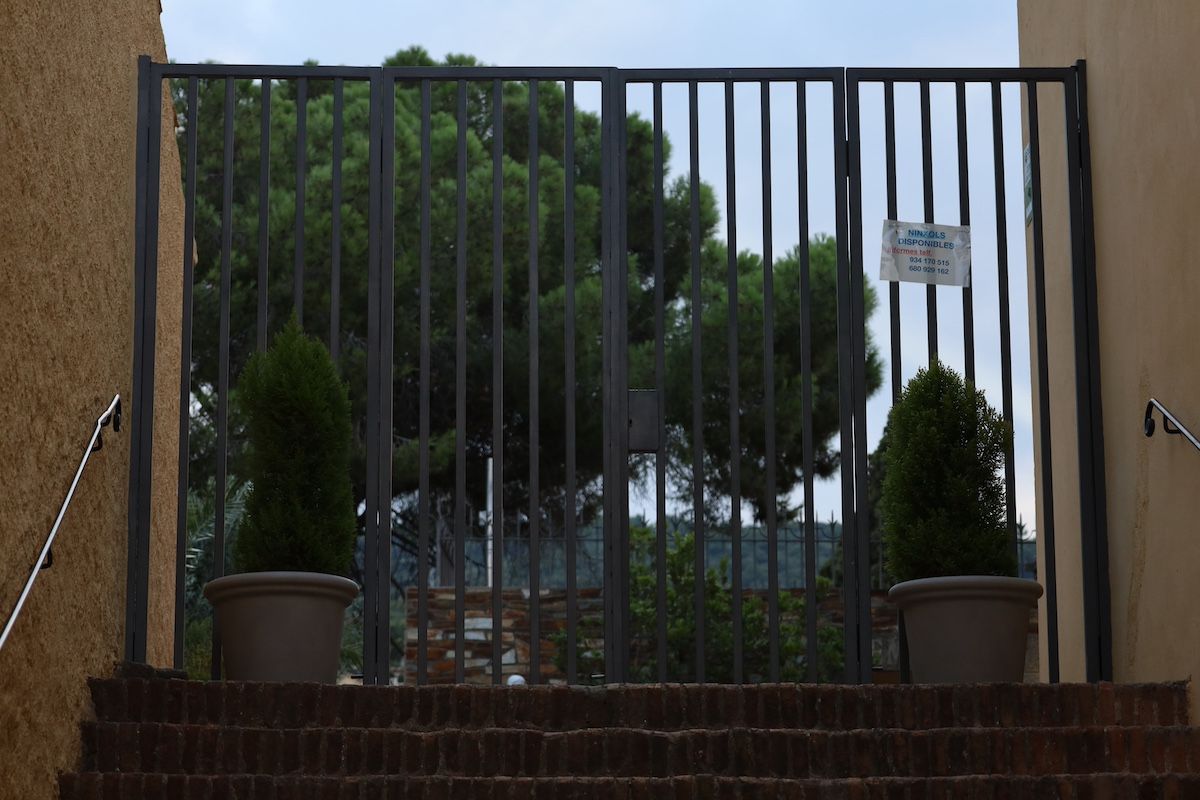
The parish of Sant Genís and its characteristic bell tower emerge, displaying centuries of history. The medieval complex includes not only the church and the rectory, but also an equally old cemetery that is still in use. With a thousand niches, it is the only active parish cemetery remaining in Barcelona, after all others were suppressed three centuries ago for sanitary reasons. Only isolated and rural cemeteries were saved, like Sant Genís, the only one that survives to this day. On the closed gate, a faded laminated paper sign can be read: Available Niches.
The bells once again break the silence that reigns in the small square next to the church. From afar, for the first time on the walk, a murmur of people is heard. A couple of women climb a steep path towards the church. I retrace their steps, until I come across a large esplanade full of children, bicycles, balls, dogs, and neighbors.
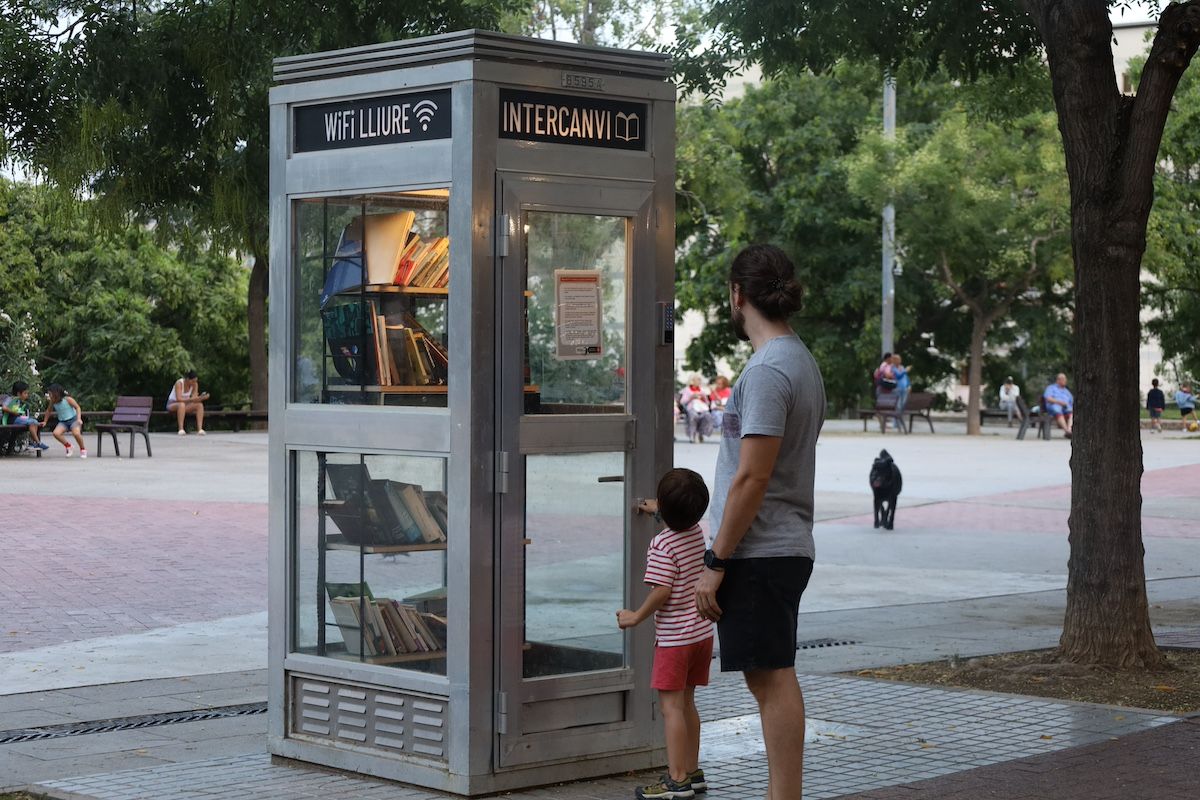
The vast gardens of Manuel Jiménez Arnalot extend over the land once occupied by an old farmhouse popularly known as Casa Groga, a name that has been kept by the civic center that remains on the site. It seems that all the people from the neighborhood are here, filling the terraces, playing or strolling. The gardens hold one more curiosity: the only telephone booth left in all of Barcelona. Now, it invites reading, converted into a book exchange space. Choosing one and sitting on one of the terraces is a good way to end the walk, before the contrast of descending to the neighborhood's entrance gate via the Ronda de Dalt.
Add The New Barcelona Post as your preferred Google source for free
Stay informed with the latest news.
