The decarbonization goals set by Europe ---and the planet--- are ambitious; greenhouse gas emissions must be reduced by 55% by 2030, with the aim of achieving climate neutrality by 2050. And these goals concern all levels of society, from administrations to households, including large multinationals and SMEs.
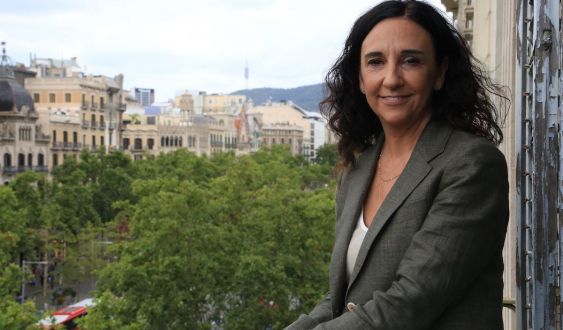
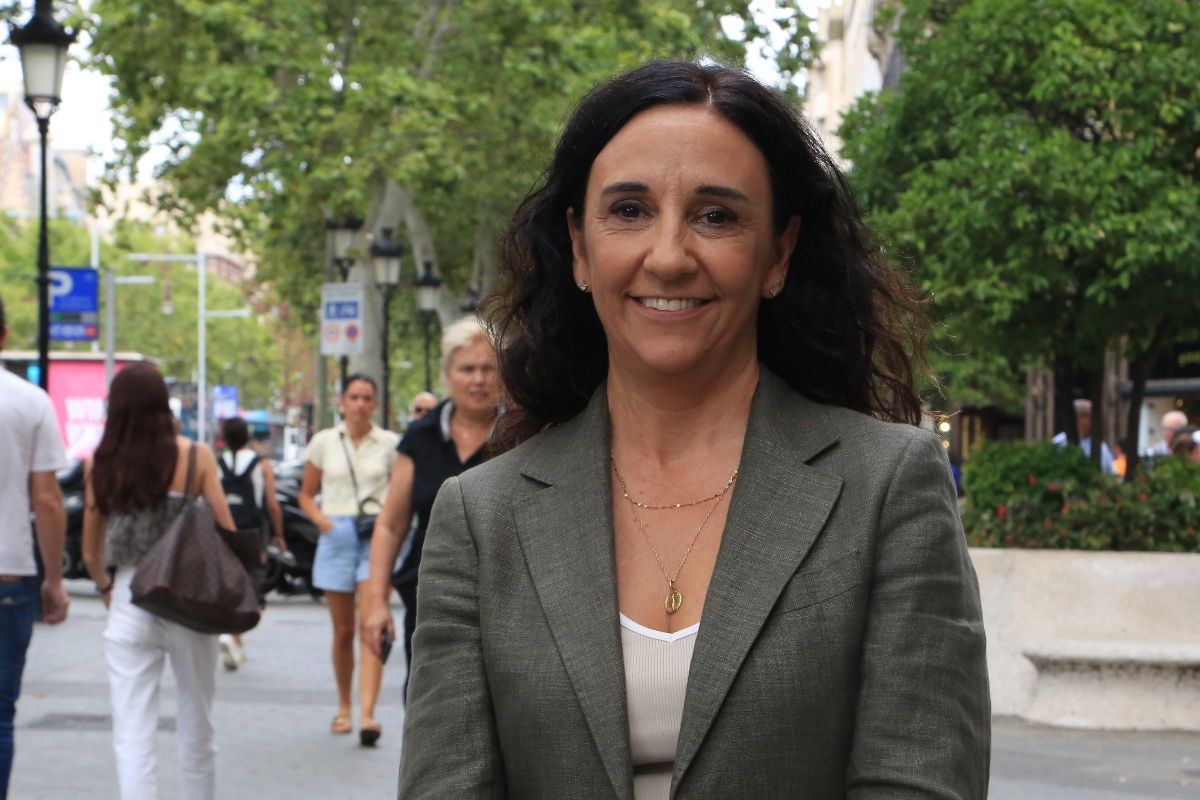
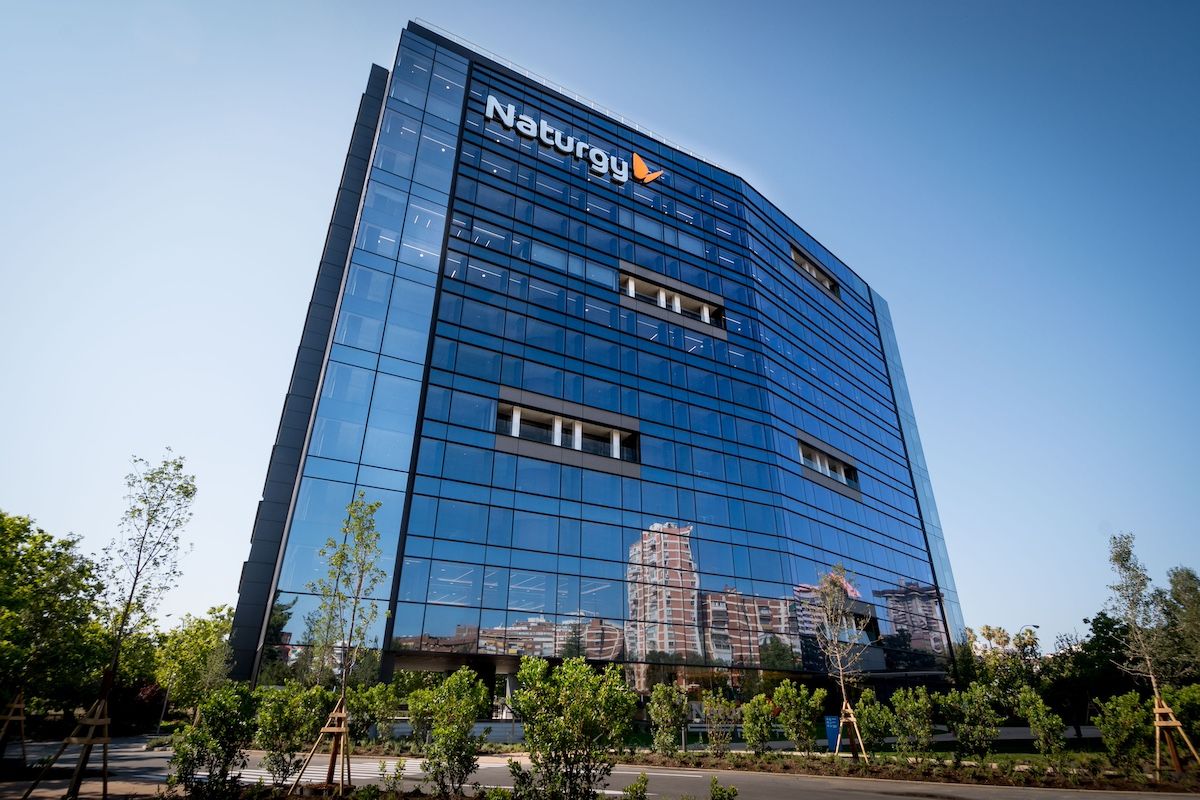
Among these actors, industry is aware of the need to meet the established decarbonization goals. In order to accompany the sector on this path, Naturgy stands as its energy partner, through a team of 150 advisors led by the company's Industrial Market Director, María Higueras.
--- What role does industry play in decarbonization?
--- Industry represents 25% of direct emissions in Spain. Achieving climate neutrality goals at a country level requires industry to decarbonize correctly. To achieve this, it is necessary to have a very clear roadmap. Industry faces the great challenge of technological and energy adaptation of its production processes with long-term investments, and therefore, it is fundamental that industries consider in their decarbonization decision all available alternatives, economically viable and with a sufficient degree of maturity.
--- Which technologies should industry bet on?
--- Our recommendation is always not to discard any technology, and to approach the decarbonization process using all available tools. It is important to emphasize that decarbonizing is not synonymous with electrifying. To achieve sustainability goals, there are viable and real alternatives such as renewable gases, renewable self-consumption or energy efficiency measures currently promoted by the Energy Saving Certificates (CAE) system.
--- Do the different technologies fit together?
--- Perfectly, in fact, the key is to use a mix of technologies and strategies, utilizing the full range of mature options on the table.
--- Is biomethane essential in this process?
--- A real decarbonization that does not involve biomethane cannot be contemplated. For Naturgy, it is a strategic development line. As a country, we have the opportunity to leverage our resources to produce biomethane, reducing our energy dependence on foreign sources and guaranteeing gas supply. The production potential we have in Spain is very high (third country with the highest potential in Europe); a percentage with which more than 40% of the total gas demand could be covered with biomethane, contributing to the energy transition and the circular economy.
--- And all without having to deploy new gas infrastructure and taking advantage of existing ones.
--- Biomethane has a fundamental advantage, which is that it can be directly transported through current distribution networks without incurring additional costs for end users. In addition, it contributes to local development by mobilizing investment and generating employment mainly in rural areas.
"We are the third European country with the most potential in biomethane production, and yet we are at the bottom in the development of plants."--- However, biomethane has a long way to go in terms of development in Spain.
--- We are the third European country with the most potential in biomethane production and, nevertheless, we are at the bottom in the development of plants. In Europe there are more than a thousand and, in Spain, a dozen. We should have more ambitious goals as a country, with a clear regulatory framework that promotes the development of this key energy vector and establishing mandatory quotas by sector.
--- In addition to simplifying procedures?
--- Today there is a significant administrative barrier that hinders the development of green gas. We should be able to simplify administrative processes; it takes about three years to obtain permits, when a plant can be built and put into operation in months. It is necessary to streamline bureaucracy and the licenses for construction and connection of plants.
--- How are you working to break this barrier?
--- All the agents working on the development of biomethane in Spain are pushing in this direction. The Gas Verde Sí platform has been created, which includes companies from the primary sector, installers, waste managers, energy companies and all those who have an interest in its development. With everyone's effort, we will manage to give a boost to this key energy vector for the energy transition.
--- Do companies demand it?
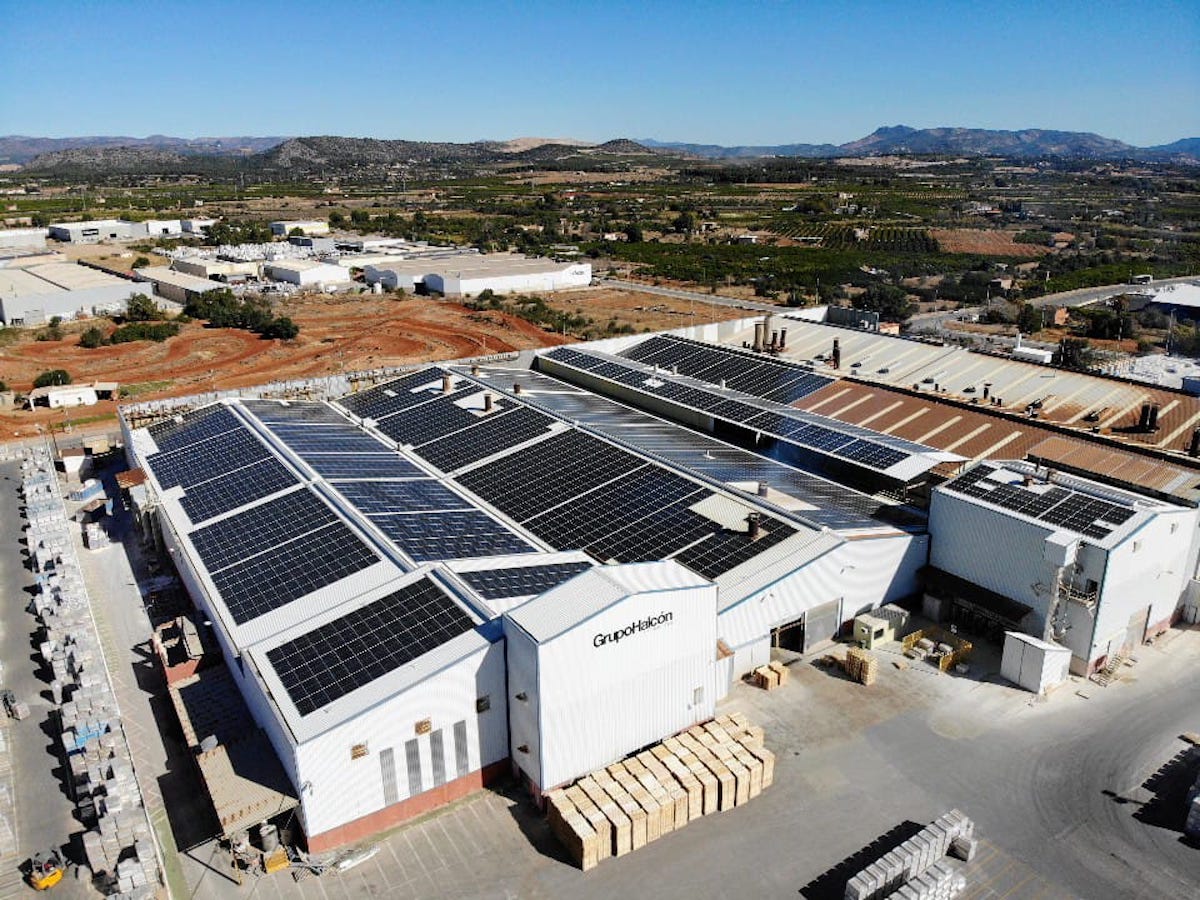
--- At the moment there is a lot of interest from the industry, and there is more demand than actual production, mainly due to the long bureaucratic times, which hinder the development of new plants. At Naturgy, we are actively working with all industrial sectors promoting the use of biomethane. For customers, there is a fundamental advantage, which is that it does not require any adaptation of their facilities. As an example, we have recently reached agreements with leading companies in the field of decarbonization from different areas, such as Lecta, AENA and Inditex. At the moment we have three own production plants (one in Galicia and two in Catalonia) that are currently injecting biomethane into the network. In addition, we manage a wide portfolio of projects throughout the territory in different phases of development and we will end the year with a total of more than 100 GWh annually of biomethane production.
--- Will it be possible?
--- As a company, we have a clear commitment to making the development of renewable gas a reality. Our goal is to comply with what is indicated in the 2025-27 Strategic Plan, producing 1 TWh of green gas by 2027.
--- Regarding energy efficiency, how does the CAE system work?
--- CAEs (Energy Saving Certificates) are a system that allows monetizing the energy savings achieved by customers after making investments in energy efficiency, and thus being able to recover part of the incurred cost. There is a catalog of standardized energy efficiency measures published by the Ministry, for the different sectors (agricultural, industrial, tertiary, residential, and transport). Additionally, there is also the option of valuing unique energy efficiency projects. CAEs are essential to accelerate investments in energy efficiency, and the great challenge right now is to publicize and disseminate the benefits of this system.
--- How is the system being applied?
--- In Spain, it started in 2023, with the first measures mainly concentrated in the industrial sector. Now the challenge is to promote this system in sectors such as tertiary and residential to meet the ambitious savings targets we have at the country level.
"The way (to decarbonization) is to use all mature technologies that are available"--- And how can it be made known?
--- It is fundamental to promote the dissemination of the system in all economic sectors. At Naturgy, we have participated in the Ruta CAE dissemination initiative, accompanying the Ministry in it. As a group, we have been advising our clients on responsible energy consumption for more than 30 years. That is why it is not surprising that we have been the first company to liquidate the CAEs against the 2024 obligation thanks to all the initiatives we are working on with our clients. We offer our clients a turnkey service that includes advice on investments, calculation of savings, and all associated documentary management so that the client can benefit from the CAEs.
--- All to advance decarbonization.
--- Yes, and we insist: the way is to use all mature technologies that are available. To do this, Naturgy has the vocation to provide a comprehensive service to the client, with a service portfolio that makes us very complete, ranging from facility management, supply, energy consulting to audits, diagnostics, and savings measures, with options such as biomethane and distributed generation. Ultimately, our vocation is to be the strategic partner that accompanies the client throughout their energy-related journey.
Add The New Barcelona Post as your preferred Google source for free
Stay informed with the latest news.
