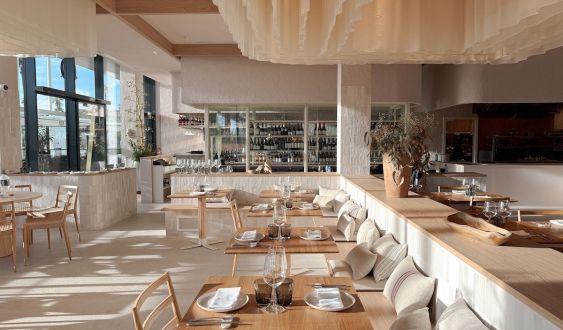
El Balcó Gastronòmic and its tenants are preparing to experience their first summer. Still little trodden by most Barcelonians, with the old and conflictive image of the Port Olímpic still in memory, the restaurants in this new gastronomic space in the city have been months of trial and error, correcting what doesn't work and perfecting what does, waiting for the holidays and the sun to turn them into the big surprise of the season. If possible, not only for tourists, with locals also daring to make it their own. This is the case of Nuara, the seventh establishment of the family of restaurateurs behind Ca la Nuri.
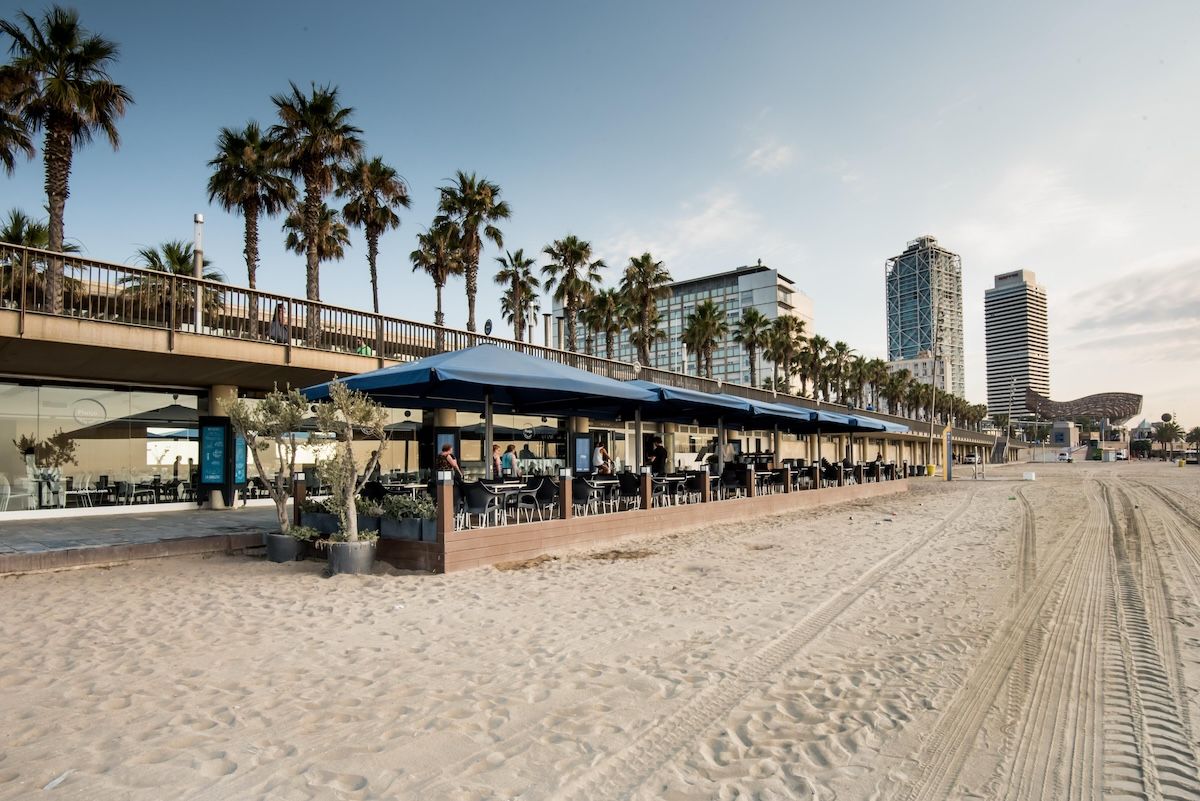
The latest addition to Familia Nuri was considered last year with the end of the concession of their first establishment, located on the beach, in Somorrostro, right in front of the Hospital del Mar, as explained by Ricard Noguera, of the second generation. Without knowing if they could renew it for ten more years or not, they were given the possibility of being part of the Balcó Gastronòmic, not too far from Ca la Nuri and, furthermore, with the advantage that here contracts are extended for longer (16 years). Nuara has thus joined a list made up of Ca la Nuri, the company's first beach venture; Xiroi, on the Nova Icària promenade; Arrozal, in the ZAL of the Port of Barcelona; Bar Nuri, on the Rambla del Poblenou, and the establishment they have in the Time Out Market. "Everything is close by. I can walk to all of them," Ricard summarizes.
It was not the first time, but Noguera once again took the plunge and got to work on what is so far his most ambitious project. With an area of 800 square meters (divided between more than 500 square meters indoors and almost 300 square meters of terrace), it has become the largest restaurant they have ever had in the family, which has involved an investment of two million euros. "We trust in word of mouth," says the restaurateur, aware that the location is still largely unknown, especially after the America's Cup did not do much to popularize it. It also doesn't help that there are empty premises. "It will delay us. It's like when you go to a shopping center and there are closed stores," he says, concerned about the dimensions of the spaces that remain to be filled in the Balcó Gastronòmic, managed by the municipal company B:SM, since he points out that there are not many companies that can take charge.
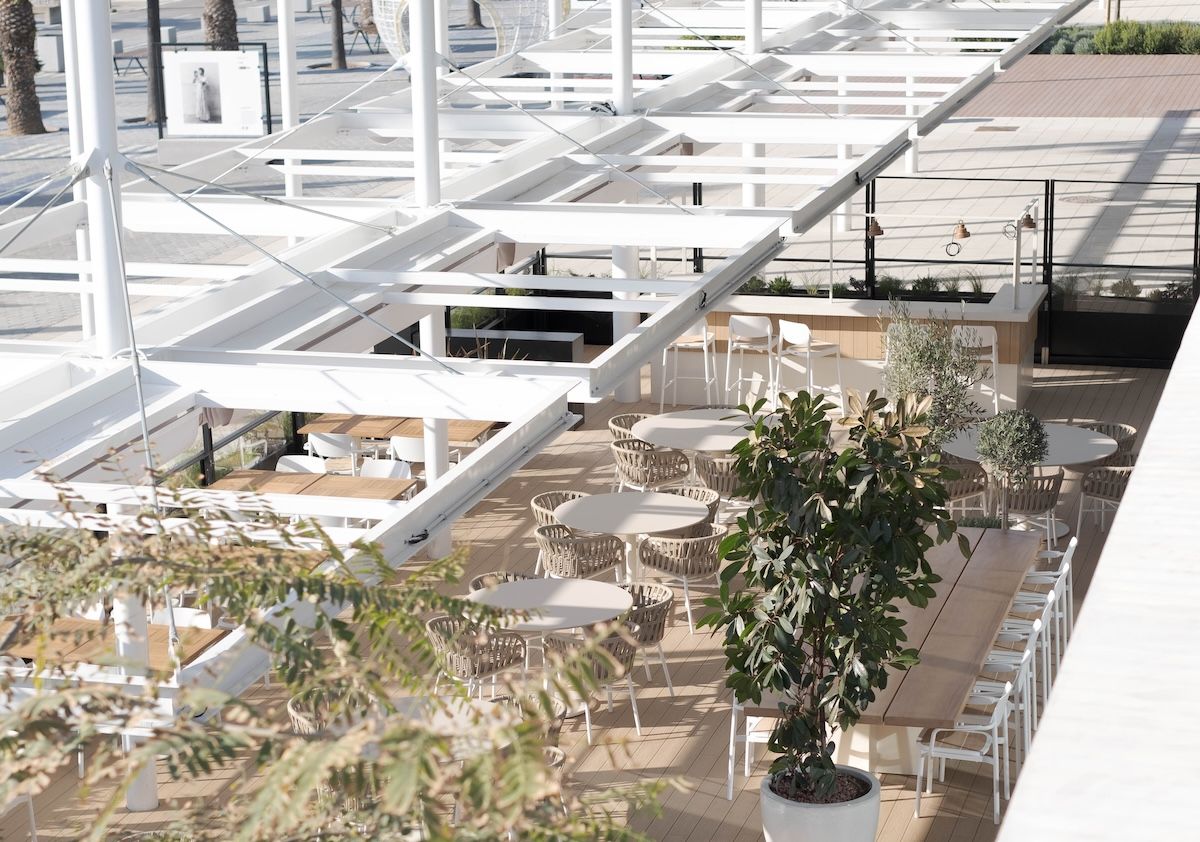
Open since the end of December, the first months of activity at Nuara have been gauging demand, but they have also had to be patient to finish finding the team, one of the main challenges in the sector. "If you pay well, people come," the restaurateur remarks. A calm decor welcomes guests to a place without too many tables, with the kitchen in plain sight and fresh produce parading on a large tray for diners to choose from. "We seek to provide a touch of more quality and tranquility," explains the manager, who doesn't like to be labeled as a restaurant group. There is even a private room inside Nuara.
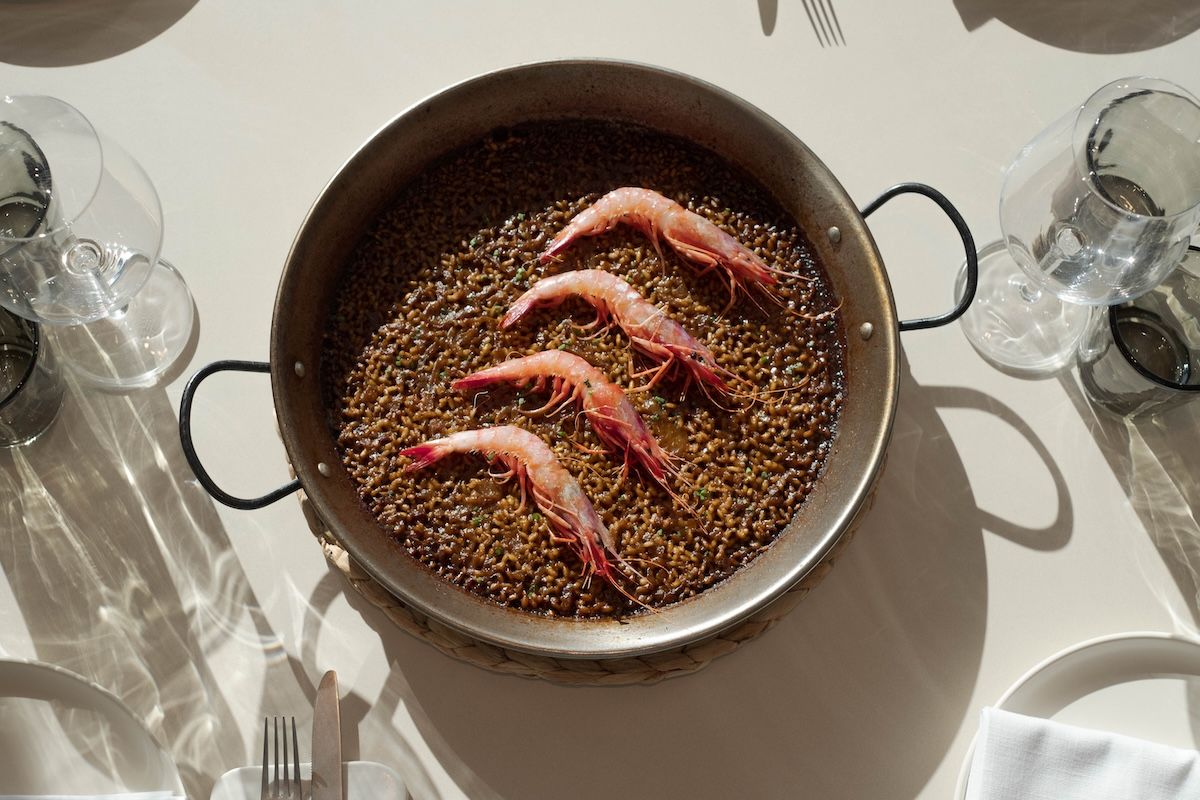
The average check goes up compared to the other establishments and is between 60 and 80 euros, compared to 40 euros at Ca la Nuri, 30 euros at Xiroi, and 20 euros at Bar Nuri. Wild fish and aged meat, cooked on the grill, are the main protagonists at Nuara, on a menu where the family classics, rice dishes, cannot be missing, from a soupy lobster rice that requires tongs to others with red shrimp or grilled beef sirloin. "Sometimes we have tried to change the menu, but people always ask us for paella," Ricard points out. But there is also room for innovation, with pickled leeks with mushroom meunière, hazelnuts, and sprouts. All this, accompanied by an immense wine list, consulted via tablet to know every last detail of each bottle. Not forgetting the desserts, with surprises like strawberry pavlova.
A history of more than 60 years
All this tradition began with Nuri and Jordi, Ricard's parents. They came from Manresa and settled in Poblenou, where they opened Bar Núria in 1962, on Espronceda street. Without any training and only 24 years old, Nuri started cooking and her husband attended to customers. Her son never tires of repeating that they spent 14 years without taking a day off, only closing at three in the afternoon on Christmas Day.
But the coal kitchen did not suit the mother well, who ended up with asthma, and they moved to the Eixample, where they opened a cafeteria, the Salamero, on Aragó street. Near the Basilica of the Purísima Concepción and a clinic, customers came easily and the first generation of the saga began to savor a quieter life, without stoves and only having to worry about sandwiches.
The cafeteria trend eventually arrived and things got complicated, seeing that competitors multiplied throughout the neighborhood. With all the siblings accustomed from a young age to helping in the family business, Ricard made his own way and started selling furniture. Despite being involved in other things, he proposed to his parents that they offer fried fish and seafood tapas in the bar. It was the 90s and thus Ca la Nuri was born, where queues soon formed and paellas and fideuás began to be served. The bar that had previously been a cafeteria became too small for them and they looked for another, not far away, in Consell de Cent. The move was made during a Purísima long weekend and Ca la Nuri Eixample opened, which is currently called Terra Ca la Nuri and is outside the Familia Nuri perimeter, in the hands of Ricard's brother, Jordi.
Ricard continued to live in Poblenou where he was born and, walking along the promenade, he saw a bar for sale. Here Ca la Nuri opened in 2003. The mother went to the beach and the father stayed in the Eixample. Until both retired and left the business to the second generation, with Ricard and Jordi following different paths: the first betting on growing the company, with a current staff of 180 employees, while the second has concentrated on a single establishment. "I hope that in 10 years my children, Laura and David, will continue," says Ricard, 63. Awaiting Nuara's acid test this summer, the manager of Familia Nuri does not believe they will grow with more establishments soon, now thinking more about consolidating an offer that is accelerating.
Add The New Barcelona Post as your preferred Google source for free
Stay informed with the latest news.
