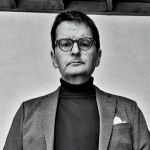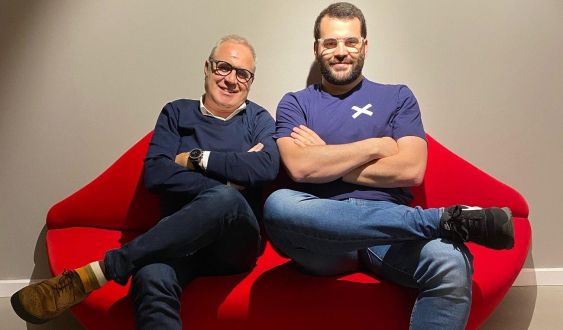
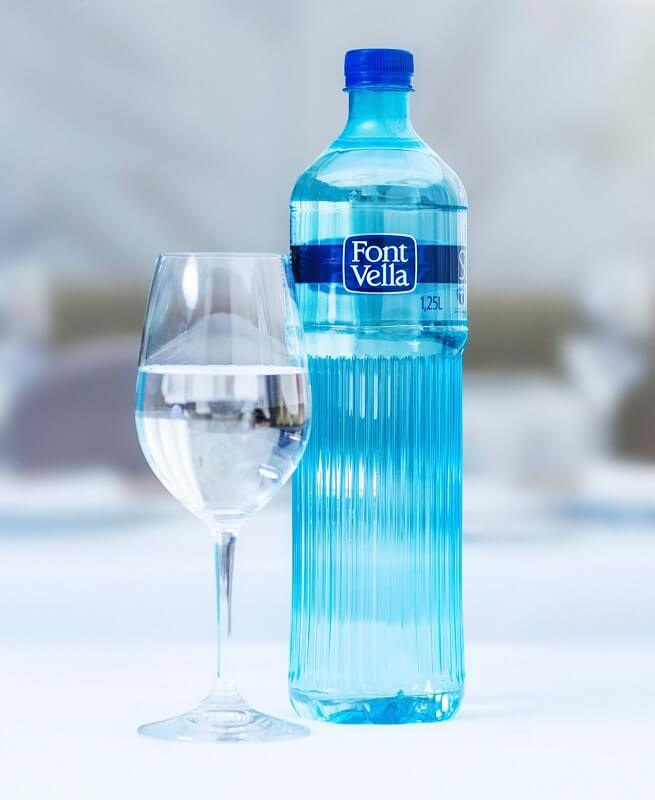
For lovers of pulling the red thread, that which unites seemingly disparate ideas and things, the story of the Morillas will appeal to them. And it is that from their headquarters in Barcelona's 22@ district, they have created the branding for firms as diverse as Font Vella, the Circuit de Barcelona, Schweppes, the Sofia hotel, Mesoestetic, Aquarius, the Davis Cup, Jaime Beriestain, or Dyc. Thus, in recent years, all the aforementioned and many more share the common denominator of having entrusted their image to this company led by Marc Morillas and chaired by his father, Lluís.
Lluís and Marc are the successors of Antoni Morillas i Verdura (1932-1983), a pioneer of graphic design in Catalonia and Spain. "My father was a person with many interests. I suppose that's why he ended up professionally shifting towards what he dedicated himself to," says Lluís Morillas. "At 22, he started working in the graphic studio of the Seix Barral publishing house, went through the theatrical world and an advertising agency… although at 30 he already created his own design studio, which is what he really wanted."
The first years of that project were complicated, as the Spanish market was underdeveloped and selling design to companies seemed difficult. Fortunately, and thanks to word of mouth, the first clients appeared and Antoni Morillas was able to work for pharmaceutical laboratories such as Uriach, the company that created biodramina. Also for textile companies, industrial companies, or Fira de Barcelona itself, which commissioned his studio for the image for advertisements, catalogs, large billboards, and other promotional items.
The first years of the project started by Antoni Morillas were complicated, as the Spanish market was underdeveloped and selling design to companies seemed difficult"I believe Antoni Morillas became interested in design because at that time it was an extremely difficult and complex field. He sought to explore new, unknown territories and go beyond what he already had and knew," says his son, who began collaborating with him very young: "I learned as it was done then: emptying wastebaskets and developing black and white copies for the originals," he clarifies.
The first designer Morillas passed away young, at 50, and his son took the reins of the studio to make it grow. He succeeded successfully in a building in Gràcia, on Séneca street, which eventually became too small. From that era, he fondly remembers the vitality of pre-Olympic Barcelona and a good relationship with Pasqual Maragall, who commissioned him to change the image of Barcelona's bus fleet.
The year before the Games, the then mayor wanted to change the image of the municipal buses by painting them white. Morillas got to work and achieved a design of a white bus (Olympic color) that looked red (historical color of the company) by combining the former on the sides and the latter on the front. "You couldn't lose something as Barcelonian as our circulating buses," he indicates.
The expansion of the company nationally and internationally was piloted by Lluís, and that sweet stage, already into the 21st century, coincided with the incorporation of the third Morillas, Marc, into the company. With his arrival, this graduate and master in business administration and management complemented his father, trained at Barcelona's Elisava, a pioneer in Spain in teaching specific design courses.
The year before the 1992 Olympic Games, Pasqual Maragall wanted to change the image of the municipal buses by painting them white and commissioned Lluís Morillas to do it."It's clear that my father is a visionary and the creative mind of the house. For my part, what happens is that when I see a project, I automatically think about the business and the economic aspects of an operation, always analyzing what our clients are looking for," clarifies Marc. "For me, it's an honor to work for my son," clarifies Lluís, who was CEO of the company between 1984 and 2016 and president since then, when the position of CEO of Morillas passed into Marc's hands.
About 600 projects a year
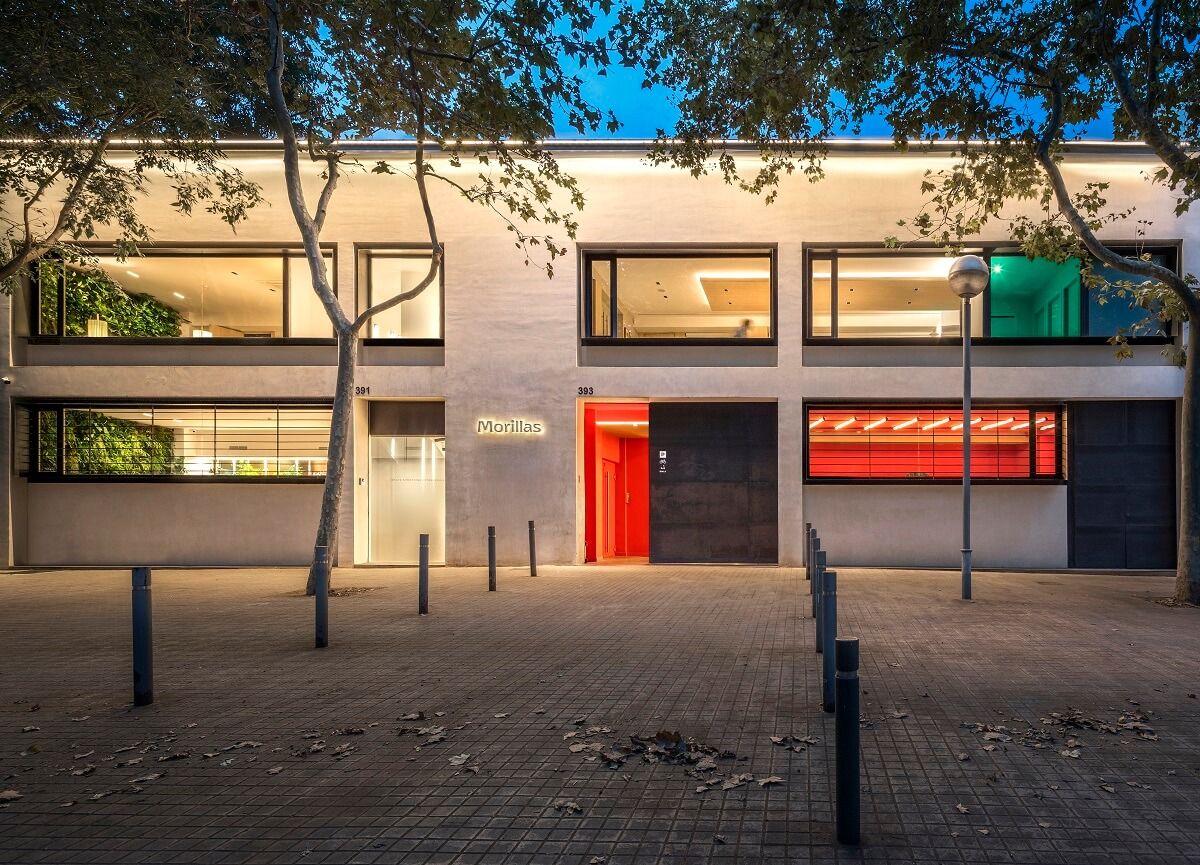
Last year, this company moved from Gràcia to a 2,100 square meter building on Pallars street, in the heart of 22@, where, together with a large team, they work on an average of 600 projects annually of all types and sizes, both in Barcelona and in Madrid, Israel, the United States, or Central America.
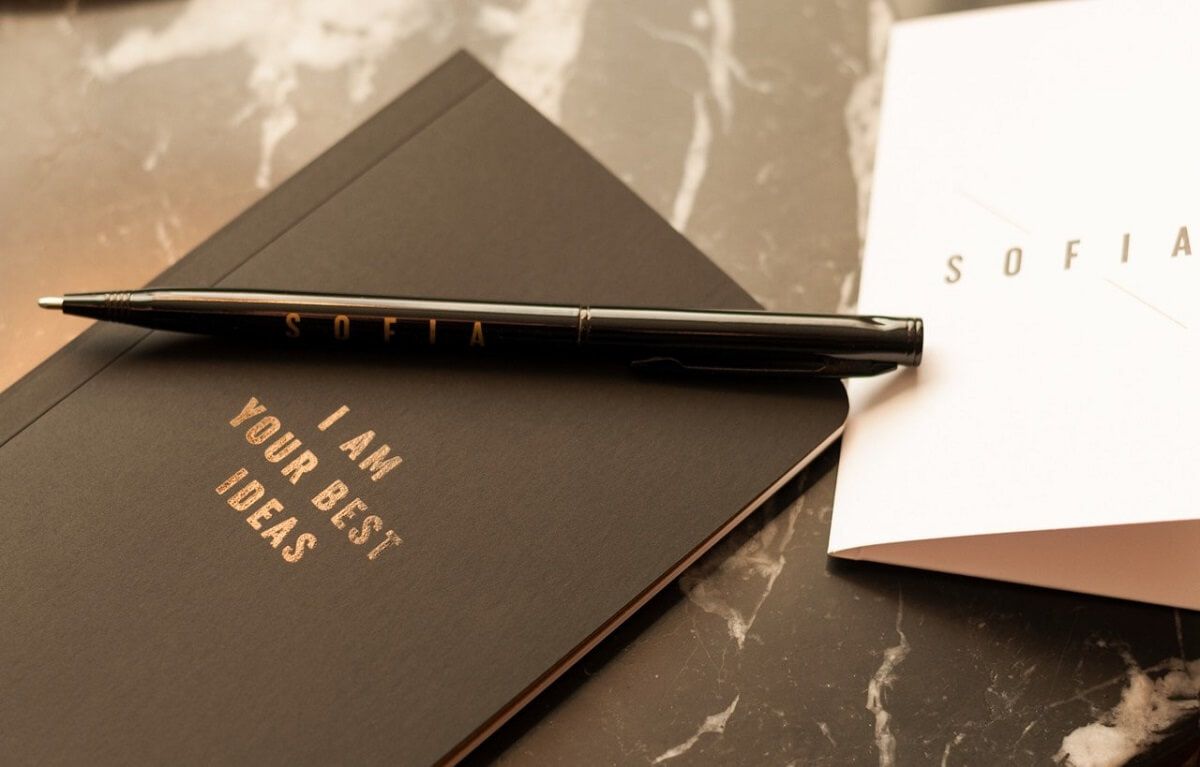
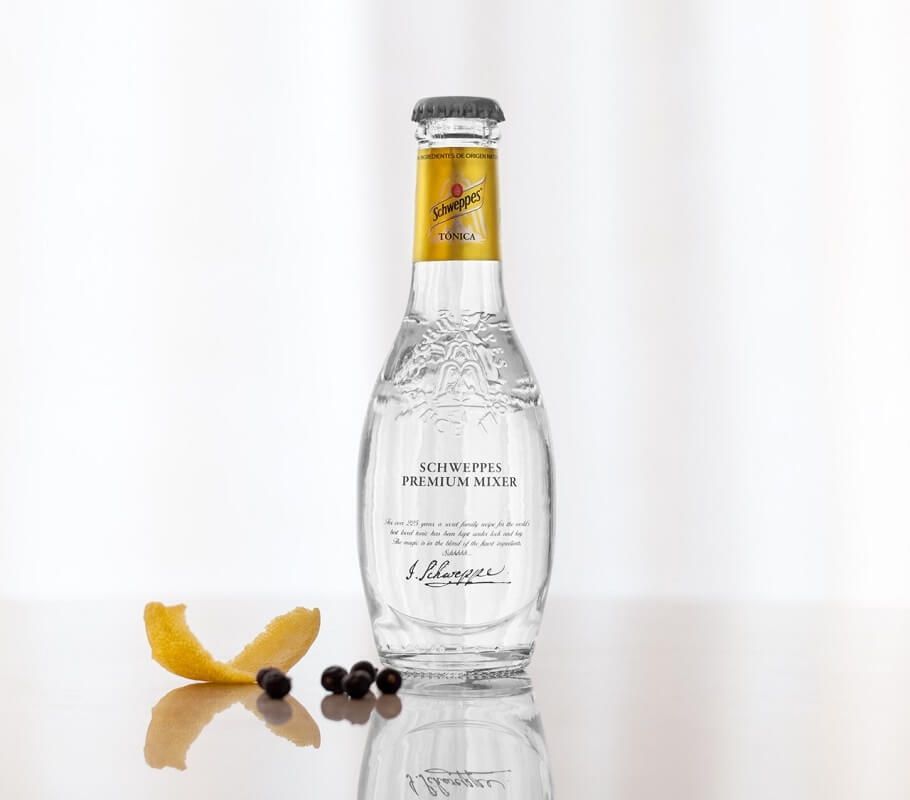
It's impossible not to ask them about the creations born in their house of which they are most proud. Initially, both are diplomatic or "parents" from the point of view that they have to love all their children equally, although it is not difficult to know that, for example, Lluís loves the repercussion that the image campaign of the country of the Pyrenees had, agreed with the government of Andorra. He also remembers how interesting the creation of the new bottle for a brand like Schweppes was, or the comprehensive work done with the Sofia, the former Princesa Sofía. Changed from top to bottom, the property entrusted Morillas with the comprehensive change of the house's image.
For his part, Marc remembers one of the agency's latest bombshells: the impact of the enormous banner with Joan Laporta, then a candidate to preside over Barça, hung on a building in Madrid. Few canvases have been so photographed and commented on. The young CEO also leans towards everything that was done with the Galician Abanca, which was more than a simple image change but even of values and work philosophy and spaces, in addition to everything that has been done with Mesoestetic, a firm specialized in skin care for which the image has been comprehensively prepared.
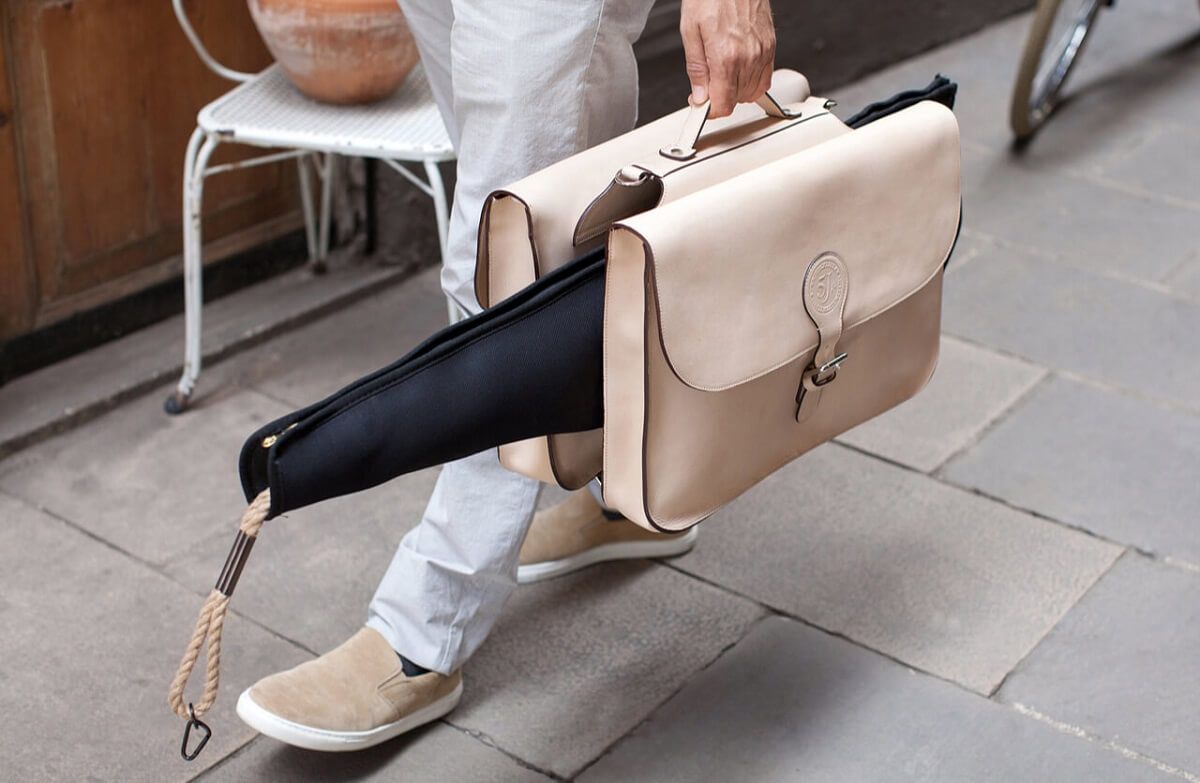
Next, it is easy to continue talking about other brands for which they have created a new image, rejuvenated it, or comprehensively modified it, such as the ham producer 5J, the La Sirena chain of stores, or well-known drinks such as DYC Whisky or Pacharán Zoco, which were looking to enter new markets and be more attractive in higher segments with a significant image change and modernization.
The philosophy of branding
If we go to a dictionary to clarify concepts, we see that branding is an Anglicism used in marketing. This refers to the process of making and building a brand (brand in English) through the strategic management of the total set of assets linked directly or indirectly to the name and symbol or logo that identify the brand, influencing its value, both for the customer and for the company that owns the brand.
"The brand is what defines you. That is more than clear," both agree, also explaining that the great effort of a brand is to do a work of synthesis, in addition to aligning real values with it, a corporate culture, and always trying to improve the product. They also emphasize that big brands are increasingly interested in emotionally connecting with their customers and only those that have a real commitment to what they do are credible.
Concern for the city
For Marc Morillas, the Catalan capital runs the risk of losing an identity and personality that make it unique: "The so-called Barcelona brand is diluting. We must prevent it." He also denounces that the City Council is not leveraging local Barcelona talent in design matters and that the city is not being cared for as the city, citizens, and visitors deserve.
Lluís agrees: Barcelona has lost muscle and needs to be opened up more, competing with other European capitals, recalling how a few years ago it measured itself against cities like Berlin, battling to have events, to have a more refined aesthetic "or at least intelligent, logical, and to continue having pride and desire for the city not to lose its way."
For Marc Morillas, the Catalan capital runs the risk of losing an identity and a personality that make it uniqueBoth passionate about aviation and aviators, the Morillas want to see Barcelona take off again and want to help it do so. For the moment, they do not lack work both here and abroad, and their market in pre-COVID times was 75% international and the rest Spanish.
After reading this story, think about the red thread of the Morillas: Andorra as a country, DyC whisky, Lays snacks, Schweppes carbonated drinks, designer Jaime Beriestain, Font Vella water, Abanca bank offices, La Sirena frozen food stores and many, many more brands have as a common denominator the ideas and experience of this Barcelona-based branding company to which they have entrusted their brand and image, which is no small feat in times when both are transcendental.
Add The New Barcelona Post as your preferred Google source for free
Stay informed with the latest news.