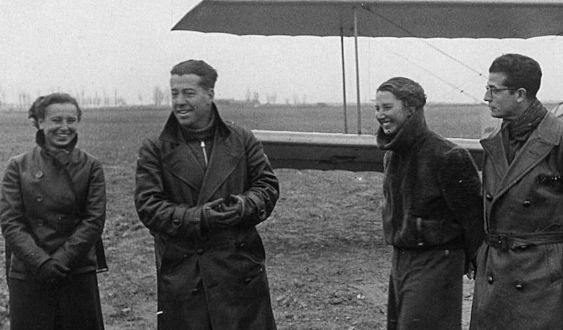
In the 1930s, two Catalan women, Mari Pepa Colomer and Dolors Vives, conquered the skies of Barcelona, defying a world that reserved wings for men. Today, the Sala Colomer in Terminal 1 of Josep Tarradellas Barcelona-El Prat Airport, opposite the Air Shuttle gates, pays tribute to Mari Pepa, while the echo of her feats and those of Dolors resonate with every takeoff. This is the third installment of The New Barcelona Post on stories related to the airport, where aviation and dreams ultimately converge.
Wings of Freedom
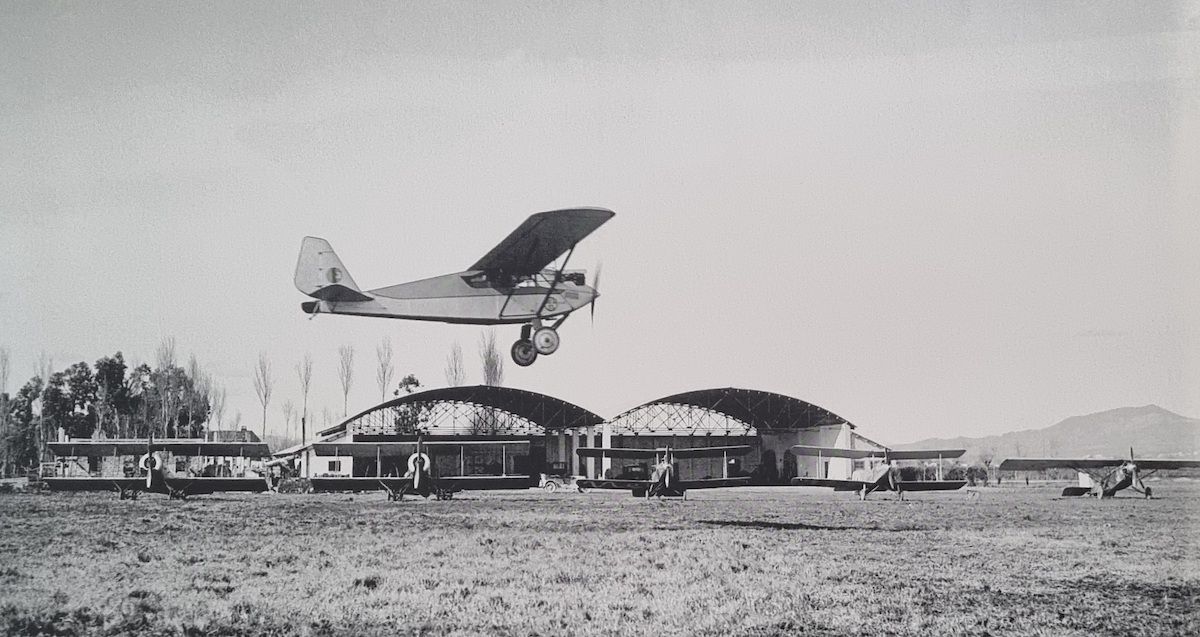
In the 1920s and 30s, Barcelona vibrated with the future. The airfields of Canudas, the Aeronaval base, and the French field in El Prat were more than just land and hangars: they were the stage where dreams took flight. Amidst the roar of engines and the smell of fuel, Mari Pepa Colomer and Dolors Vives, friends united by their passion for flying, decided that the sky was theirs too. Their stories, woven in the skies of Catalonia, are a testament to courage and the struggle for a place in a world that did not always welcome them.
The Pioneer of the Catalan Sky
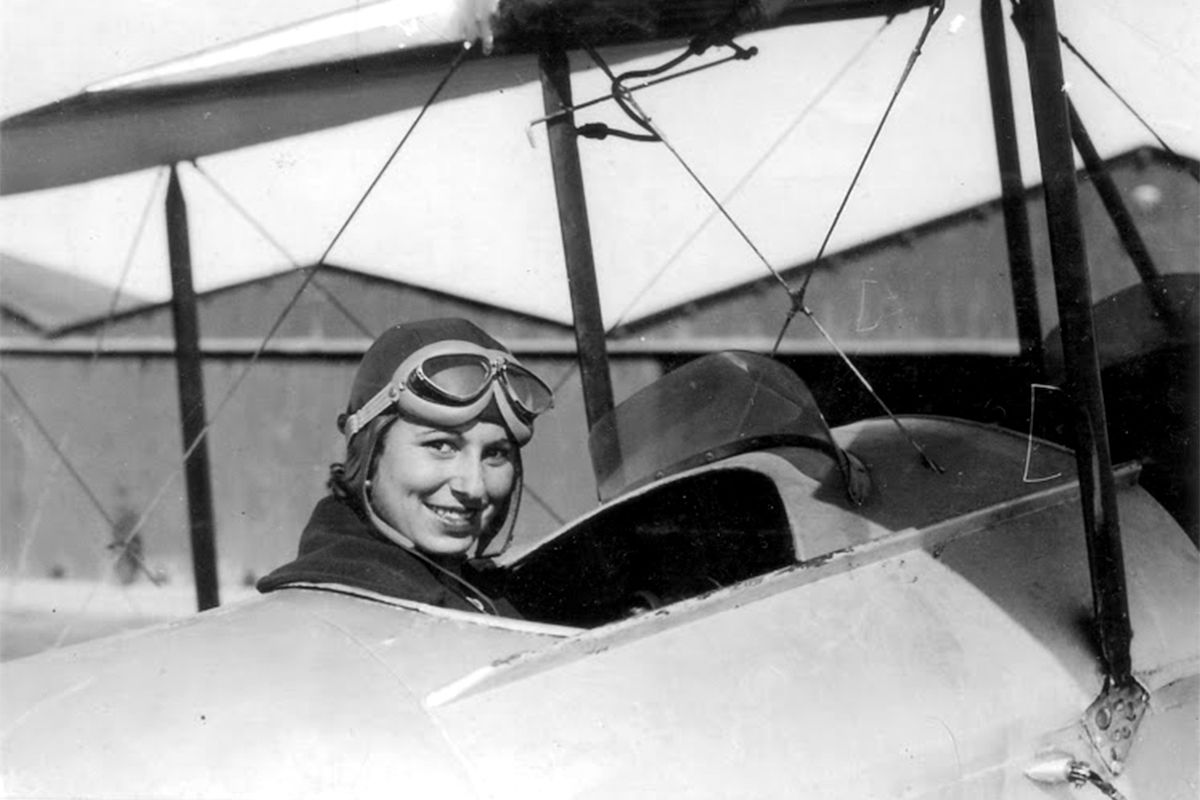
Mari Pepa Colomer was born in Barcelona in 1913, the daughter of a progressive textile industrialist and a teacher who advocated for female education. From childhood, she dreamed of flying: at the age of seven, she jumped from a balcony with an umbrella, which cost her two broken legs and a clear lesson: flight required preparation. In 1930, at 17, she cycled from Gràcia to the Canudas airfield, convincing Josep Canudas, director of the Barcelona Aviation School, to be his first female student. Her mother, believing she was attending general culture classes, discovered the truth when she saw her on the front page of La Vanguardia on January 22, 1931. With 60 hours of flight, Mari Pepa became the first Catalan woman with a pilot's license.
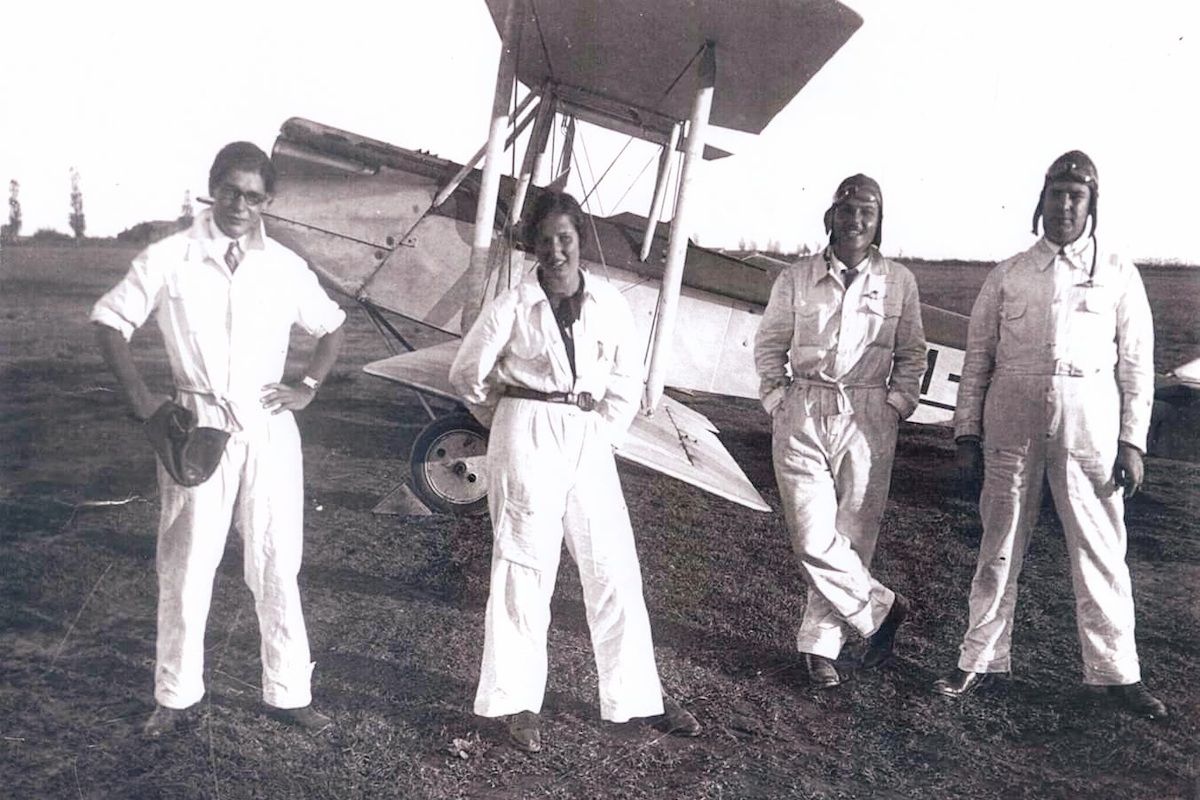
She didn't settle: in 1932, she excelled in the Cardedeu aviation competition, and in 1935 she became the first flight instructor in Spain, training pilots at the Catalan Aviation School and the Air Work Cooperative of Catalonia, which she helped found. For her, flying was her way of showing that women could lead.
Dolors: The Determination that Took Flight
Dolors Vives, born in Valls in 1908, found her calling in 1932 when she saw Mari Pepa land at El Prat. That moment marked her. She enrolled in the Barcelona Aviation School, also under Canudas' tutelage, and in 1934, thanks to a scholarship from Aero Popular, she obtained her pilot's license. More reserved than her friend, Dolors let her determination speak for her. She flew over the Pyrenees on an aerial crossing to La Seu d'Urgell in 1932 and, like Mari Pepa, became an instructor in 1935. In Canudas' hangars, both shared laughter, confidences, and a common experience: a sky without barriers.
Heroines of the Republican sky
When the Civil War broke out in 1936, the roar of engines mixed with the din of war. Barcelona's airfields became the heart of the resistance, and Mari Pepa and Dolors did not hesitate to join. Colomer, an instructor at the Military Pilot School, trained some 70 aviators for the Republican Air Force. She piloted reconnaissance missions on the Catalan coasts and transported wounded from the Aragon front to hospitals in Barcelona. In a de Havilland Dragon, she transported supplies and dropped anti-Franco propaganda. In the last days of the war, she risked her life evacuating thousands of Republicans to France under the threat of enemy fighters.
Dolors, with the rank of ensign, patrolled the skies of Barcelona and Valencia, monitoring air movements and supporting logistical missions. Alongside Mari Pepa, she trained young pilots and shared moments of camaraderie in the hangars of El Prat, where dust and fatigue did not extinguish their hope. The Canudas and Aeronaval airfields, today part of El Prat's runways, were their base and their pride.
Exile and an eternal legacy
The Francoist victory in 1939 kept them away from planes. Mari Pepa fled to Toulouse and then to England, where she married Josep María Carreras, her instructor and republican comrade. In Surrey, she raised her family, never flying professionally again. Her legacy endures: Iberia named an Airbus A320neo in her honor, which today covers, among others, the Barcelona-Madrid route, often departing from the gates in front of the Colomer Lounge. Dolors stayed in Catalonia, caring for her parents, and married a widowed doctor, father of 10 children, working as a piano teacher. She never returned to the controls of an aircraft.
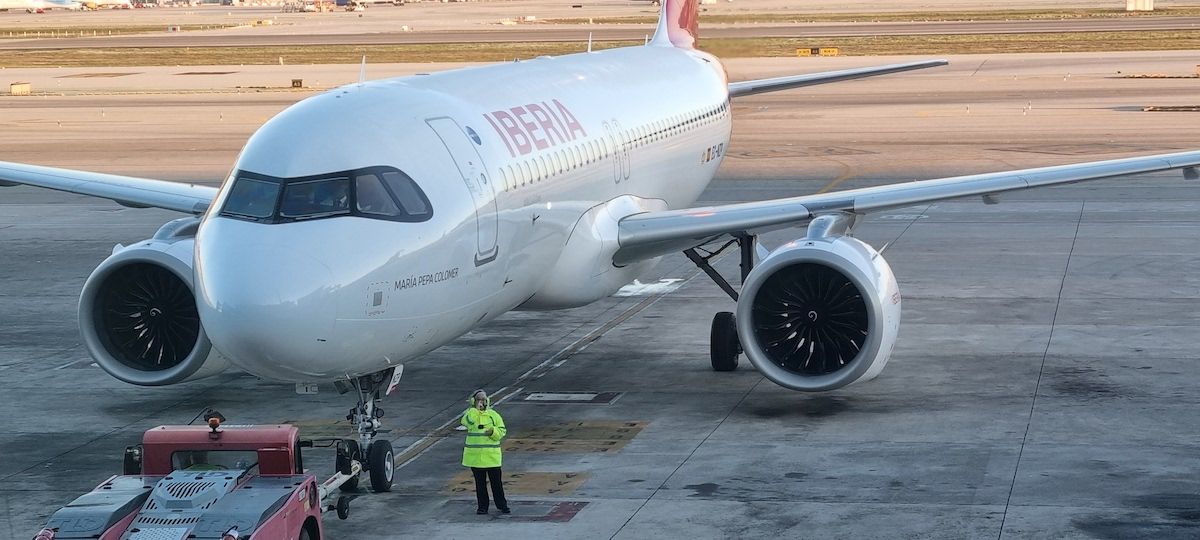
A tribute to women and to Barcelona
Mari Pepa and Dolors not only conquered the sky; they challenged the prejudices of their time. In the Second Republic, every flight was a victory against a world that wanted them on the ground. Barcelona's airfields, from Canudas to Aeronaval, were their home and their stage. Today, every plane that takes off from El Prat carries a little bit of their wings, reminding us that the sky belongs to those who dare to dream.
Add The New Barcelona Post as your preferred Google source for free
Stay informed with the latest news.