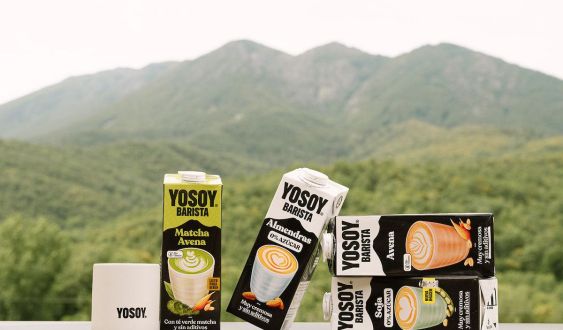
In coffee shops and supermarkets, beyond cow's milk, a wide variety of plant-based drinks can be found. Oat, soy, almond, walnut, or rice with coconut are just some of the many options on the market that, in addition to representing a more sustainable alternative to milk, also allow for customizing the coffee-drinking experience by providing new flavors. But more than three decades ago, these plant-based drinks were not only not commonly consumed, but they weren't even a possibility.
Even so, back in 1991, Josep Maria Erra, at 40 years old and after developing his entire professional career in the family dairy business, decided to create a plant-based drink made from soy. He did so after observing that cows fed with soy produced higher quality milk. And he thought: if soy has these great properties for cows, it could also have them for people. And, therefore, if by feeding cows with soy we get better milk, why not directly manufacture a drink made from soy, which would eliminate the animal from the equation?
Erra believed so much in this project that he decided to venture out on his own, outside the family business, and found his own brand in Viladrau where this plant-based drink would be manufactured. This was the origin of Liquats Vegetals, a brand that, more than three decades later, closed 2024 with a turnover of 93 million euros, 2% more than in its previous fiscal year.
The company's beginnings, however, were especially difficult, as the drink was only sold in small dietetic stores and its consumption was not at all common. So much so that Erra was almost on the verge of closing the business several times. In fact, he continued, encouraged by consumers who told him that thanks to these drinks they had found an alternative to milk that allowed them to have better digestions, since at that time there were not yet many lactose-free milk alternatives.
In the 2000s, less than ten years after starting manufacturing, Erra decided to incorporate another innovation: beverages made from cereals, in this case, oats. An ingredient that very few producers worked with at the time, with only two other examples on a European scale, but which currently represents one of the company's major growth drivers. Soon they also incorporated nut-based beverages, making them with almonds and walnuts.
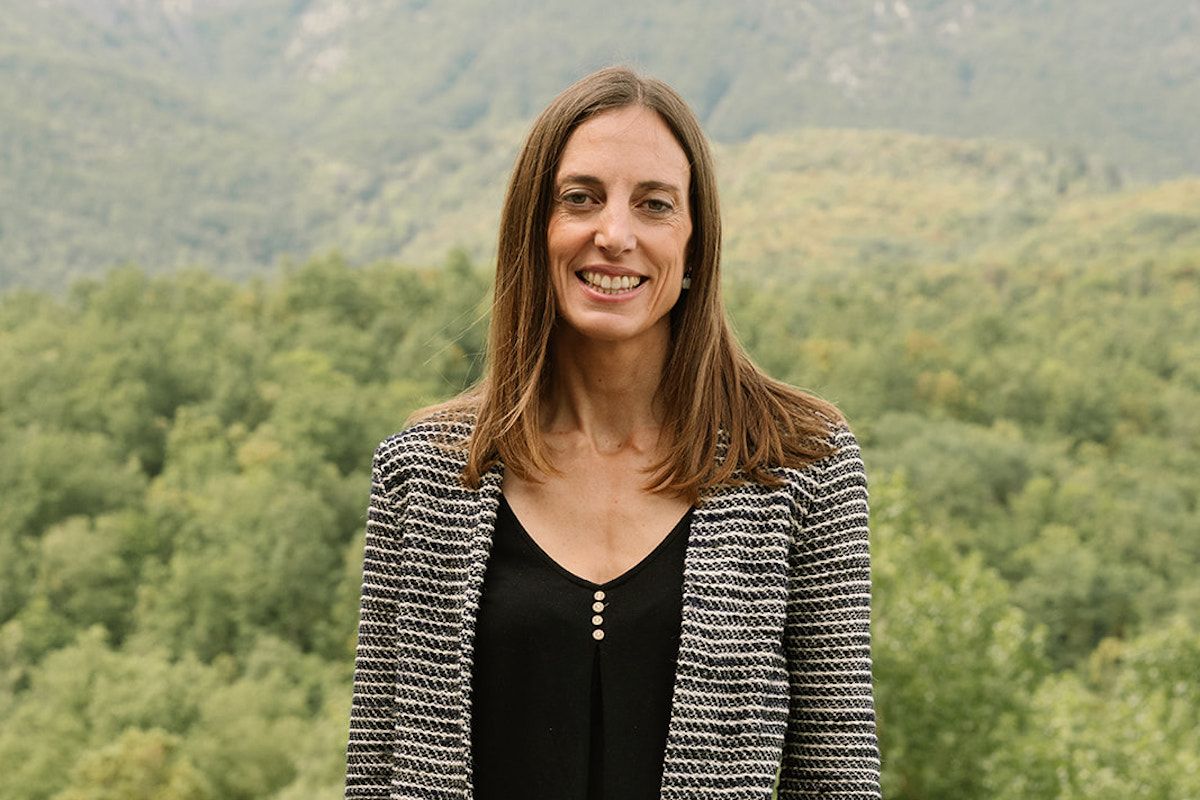
"One of the keys to Liquats Vegetals' success was starting our journey at a very early stage, when there were almost no lactose-free milk alternatives yet. But, in addition, we haven't stopped there: we have continued to innovate and have adapted our products to ensure that consumers have a great variety and quality," defends the company's marketing director, Anna Rovira.
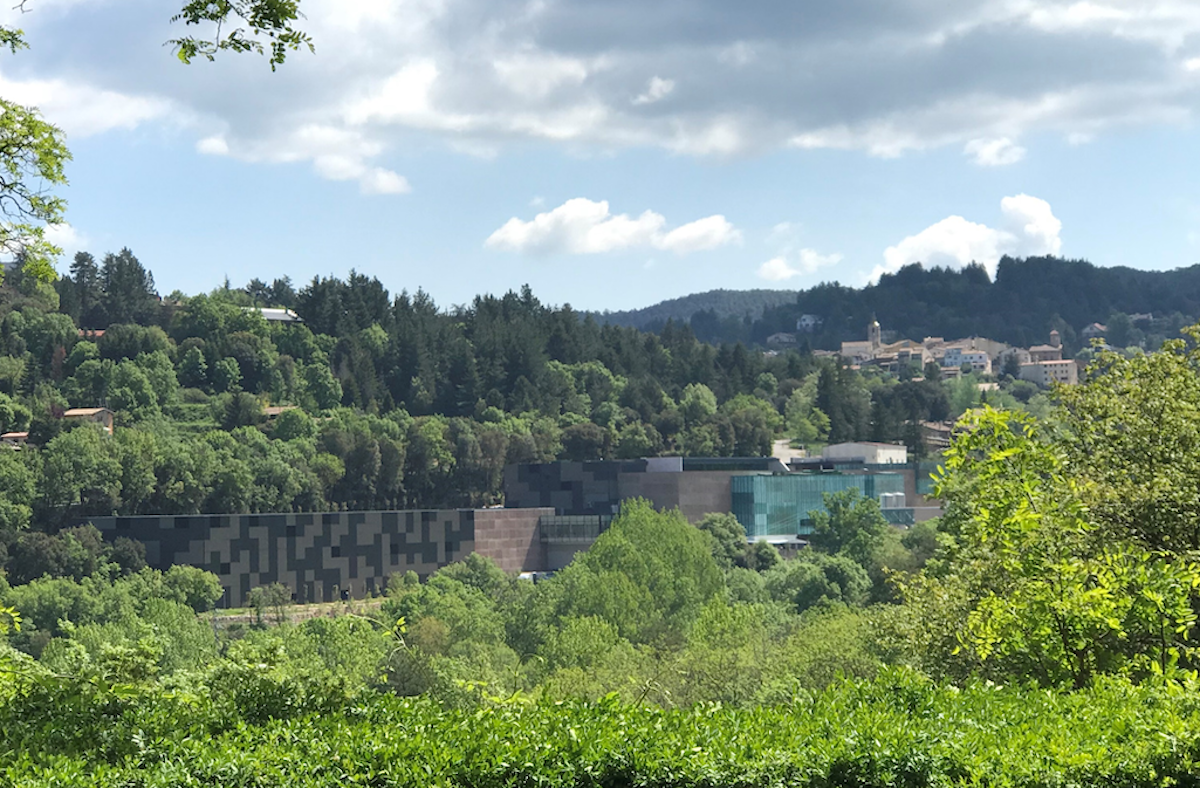 Liquats Vegetals produces from a plant with almost 300 employees and 25,000 square meters in Viladrau.
Thus, for example, in 2018 they decided to relaunch the YOSOY brand, to become the first and only brand in the plant-based beverage market without additives or added sugars. A commitment with which they wanted not only to guarantee a greater nutritional contribution, but also to ensure that "consumers did not have to give up pleasure when choosing to drink plant-based beverages," Rovira defends.
"For example, oat drink has a protein point that, when you mix it with coffee, easily causes clots to appear," explains the marketing director. To avoid these clots and ensure that consumers enjoy a good experience while drinking coffee, most manufacturers choose to add an additive that regulates the pH of the drink. Instead, Liquats Vegetals has preferred to opt for an additive-free philosophy, innovating and creating a process that guarantees that these clots do not appear but without adding additives. A process so innovative that they even have it patented.
In fact, they have also created the YOSOY Barista range of drinks, designed to be consumed especially with coffee due to its creaminess. A range that has managed to position itself as a leader in the national market. So much so that in the oat segment, they maintain leadership with 21% of the market share, while with the Barista range the share rises to almost 50%. In addition to the YOSOY brand, Liquats Vegetals also manufactures the Almendrola brands —focused on plant-based drinks made from almonds—, Monsoy and Natrue, its international brand with which the company is present in 45 countries, especially European but also with a presence in Asia and Latin America; in addition to producing for third parties.
From the heart of Montseny to Europe
However, the company wants to continue growing, maintaining the positive trend of recent years, sincein just five years, they have managed to go from a turnover of 66 million euros in 2019 to 93 million in the 2024 financial year.Everything, from a 25,000 square meter plant in Viladrau, in the heart of Montseny, where almost 300 employees work, and without forgetting its founding philosophy: betting on people's health, with additive-free drinks, in addition to sustainability and local products.A commitment to proximity that they have reinforced in recent years, obtaining their ingredients from increasingly local producers, to the point that 90% of their suppliers are local, but without forgetting that they must be quality products, since they do not add additives. Thus, soy, which previously came from Canada, now mostly comes from France, just like almonds, which they previously imported from the United States, and now come from the Iberian Peninsula. Oats also come between 75 and 80% from northern Spain.
Sustainability is also one of Liquats Vegetals' big bets, having managed to be certified with the B-Corp seal, a distinction that recognizes the most sustainable and respectful companies with the planet. Thus, for example, the energy they use in the process comes from renewable sources. Likewise, in the last three years, and also in response to increasingly frequent drought episodes in Catalonia, they have managed to reduce by more than 21% the water consumption necessary to produce one liter of vegetable drink, thanks to improvements in the production process. A particularly relevant achievement, especially if one takes into account that almost 85% of vegetable drinks are water. In addition, they have also invested six million euros in a state-of-the-art treatment plant to ensure that the water they use and return to the Montseny stream is of the highest quality.
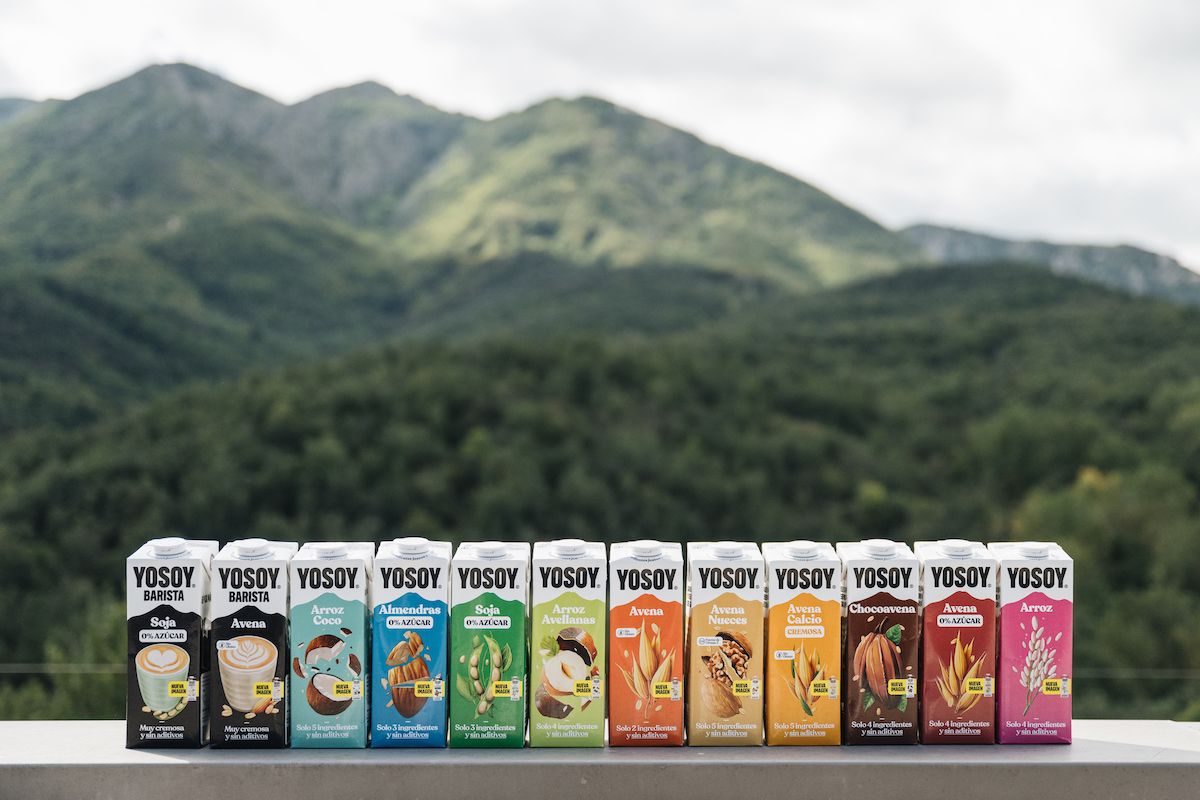
Among their future and growth strategies, they also want to reinforce their international expansion, looking to Europe as a primary objective. Currently, exports represent 22% of Licuados Vegetales' turnover, through its Natrue brand, but the company's intention is for this percentage to grow even further, with countries such as Holland, Belgium, Germany or Austria as major drivers, and starting its distribution in the United Kingdom and France.
The objective is clear: "to become the third consolidated brand of plant-based drinks in European markets," Rovira emphasizes. In this sense, and with the aim of continuing to grow, the company also plans, in the long term, to be able to open a new plant outside the current facilities in Viladrau, as these have no more room to grow, and to be able to establish themselves in one close to the European markets where they want to strengthen their presence.
"Plant-based drinks are not a fad, but have come to stay and represent a nutritional, healthy, and sustainable bet"Even so, they do not forget to continue improving their presence in the national market —where they already represent 14.6% of the market share—, driven in recent times by their entry into large hypermarkets such as El Corte Inglés or Alcampo.Additionally, despite these plant-based drinks already being very well-positioned in Catalonia, Valencia, the Basque Country, or the Canary Islands, they still have opportunities and margins to continue growing in the rest of the Peninsula. And the goal is to continue doing so as a family business, where ownership, capital, and decision-making power remain in family hands, although they do not close the door to exploring other financing avenues in the future.
In addition to internationalizing, they also want to continue growing through innovation, improving, on the one hand, the manufacturing process, and launching new flavors to the market, which would join their latest releases, such as Pumpkin Spice (pumpkin pie) or YOSOY Barista Matcha Oat. "Consumers increasingly want to customize their coffees to have a more sensory experience, but also products with high nutritional value that are healthy," summarizes Rovira.
"Plant-based drinks have a penetration above 42% in households, a figure that indicates that in almost half of homes a plant-based drink enters at least once a year and that, furthermore, allows us to affirm that it is a completely consolidated sector," assures the marketing director.
Rovira argues that consumption is increasingly global and that, contrary to the image one might have, plant-based drinks are not only a popular option among the young population, but are especially popular from the age of 35. Since it is at this age that cow's milk begins to cause digestive problems for some people. "Plant-based drinks are not a fad, but have come to stay, since they not only do not disappoint in terms of flavor and sensory experience, but also represent a nutritional, healthy, and sustainable bet," concludes Rovira.
Add The New Barcelona Post as your preferred Google source for free
Stay informed with the latest news.
