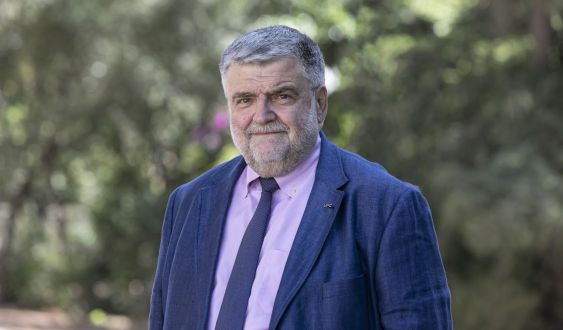
To ensure that knowledge transcends classrooms and laboratories and to be able to return to society the resources and efforts invested, through the creation of jobs, disruptive technologies, and companies that stand out globally. This is the challenge that Jordi Berenguer (Manresa, 1959) has taken on since June, when he was appointed vice-rector for Transfer, Innovation, and Entrepreneurship of the Polytechnic University of Catalonia (UPC), at the proposal of the university's new rector, Francesc Torres.
A Doctor in Telecommunications Engineering from the UPC, Berenguer is a university school professor in the Department of Signal Theory and Communications. Promoter of the European Space Agency incubator in Castelldefels (ESA BIC), he already held his current position as vice-rector for Knowledge Transfer and Innovation between 2017 and 2021.
--- What is understood by the concept of knowledge transfer?
--- Transferring knowledge from academic centers to society means being able to take advantage of research results with a view to their practical application, an application that must generate an impact on society. Knowledge transfer is a responsibility of academic centers and is also a defining characteristic of the UPC, which is characterized by being a very innovative center, and which already has a total of 13 TECNIO centers accredited by the Generalitat, which recognizes the work of those spaces that generate new technology and transfer it to companies.
--- Could it be said, then, that innovation is part of the UPC's DNA?
--- That's right. Due to our field of application, as a polytechnic university, a trait that differentiates us from other more classical universities, we have a greater relationship with companies and a more direct impact on the labor market and the country's economy. Because, in the way we train future engineers and in the way we help companies, we have this responsibility to make the country grow. For this reason, knowledge transfer is not only a responsibility we have as a university but, in fact, it is an obligation.
"We cannot allow the talent created in our classrooms to be exploited by other European countries"
--- An obligation?
--- Who pays for the university? Citizens and businesses through their respective taxes. Therefore, we must ensure that these taxes are invested to be returned, subsequently, to these citizens and businesses. Thus, for example, we cannot allow the talent created in our classrooms to be exploited by other European countries, and for highly qualified professionals to leave for other countries and not return. The obligation we have as a university is that this funding we invest in training and research tasks can positively impact society. Only in this way can a virtuous circle be created, allowing us to grow, between society, businesses, and the university.
--- How should this relationship between businesses and the university be?
--- The key is, basically, trust. Because, without trust, the relationship does not work. We must ensure that these relationships between businesses and universities increase and consolidate. For example, large companies are more accustomed to these collaborations with academic centers, but we still need to focus more on small and medium-sized enterprises, which are the fundamental core of Catalan economic activity, and which, due to their dynamics, find it harder to establish bridges with the university. UPC, for example, must know how to take advantage of its large territorial structure, with campuses distributed in Manresa, Vilanova, Barcelona, or Terrassa, to establish these effective connections with the business fabric.
--- What is UPC's knowledge transfer model?
--- As a university, we relate to businesses through multiple channels and, therefore, our innovation model also has different pillars. On the one hand, we work to consolidate relationships between students and businesses, through academic internships. But, on the other hand, we also foster entrepreneurship among our students, through our Emprèn spaces, as there is an increasing percentage of students who want to create and invent, and even take on the challenge of creating a company. In fact, in the last year alone, seven student startups have been created.
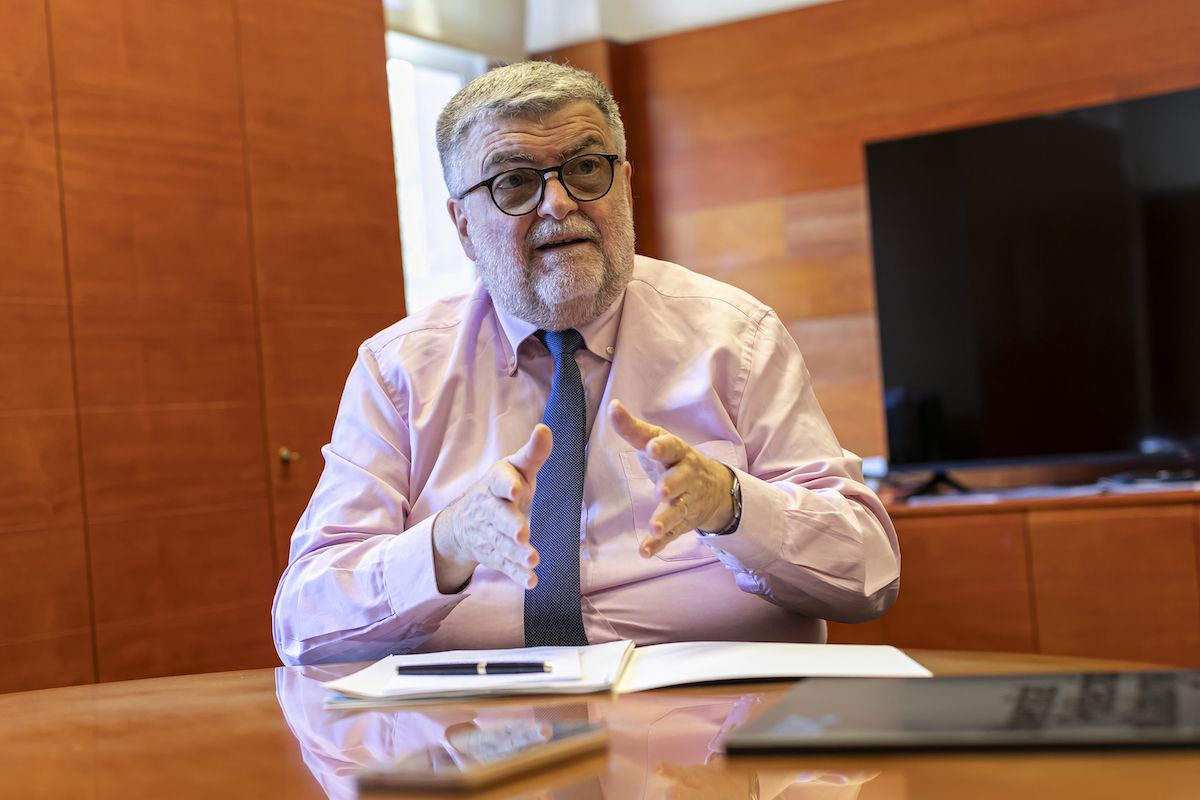
--- In 25 years, more than 400 technology-based companies have been created at UPC ---100 of which are spin-offs---. Why, as a university, do you bet on these spin-off companies?
--- The technology developed within universities must be protected, but not only through patents. The university does not want to accumulate patents in a drawer, but rather wants to encourage these patented technologies to reach the market and for there to be a company behind them responsible for developing this technology. For this reason, spin-offs are essential, and the UPC has managed to consolidate itself as a pioneering but also a reference university in the creation of spin-offs. When we see that a technology is mature enough to reach the market, we accompany it through all processes, from team training, because not all researchers have to want to lead a company or have the knowledge to do so, to seeking financing options. All in all, we currently have 35 participating spin-offs.
"The aging of staff and faculty is a serious problem for Catalan universities, stemming from the 2008 financial crisis"
--- Defines the UPC as a pioneering university in innovation.
--- UPC has been committed to innovation since its inception. The history of UPC and its innovative DNA have undoubtedly been marked by four great names: the first rector, Gabriel Ferraté, his successor Jaume Pagès, the manager Francesc Solà and Paco Soler, who launched the Innova program in 1998, now known as UPC Emprèn, which was the first initiative of its kind in Spain and even one of the first in Europe.
--- How has this support for innovation changed since 1998?
--- Unlike a few decades ago, research centers and universities are increasingly aware of the need to invest in innovation, and today all centers have adapted, in one way or another, the model that Paco Solé started more than 25 years ago. Now, and with the aim of increasing the competitiveness of Catalan companies and the country as a whole, we need to reinvent ourselves again, and rethink our knowledge transfer model so that research has a direct impact on companies and job creation.
"Catalonia still lacks good financial muscle"
--- Besides accompanying them in the search for funding, does the UPC also participate in the shareholding of these companies?
--- Normally, we participate with a contribution of between 5% and 10% of the shareholding. But we must ensure that this investment can also be returned and even multiplied. For example, the university recently sold shares of Mitiga Solutions, taking advantage of the capital increase of this spin-off, created jointly with the BSC to develop a platform that helps measure, predict, report, and manage the effects of natural disasters aggravated by climate change. The sale of 1.43% of these shares represented an economic return of 800,000 euros for the university.
--- What other success stories stand out among the 100 spin-offs created at the UPC?
--- The UPC's spin-off companies have developed disruptive technological solutions applicable to a wide variety of sectors, from health, ICT, industrial technologies, and even energy. Paradigmatic cases such as Fractus, a pioneering company that should almost be classified as a pre-spin-off, as it emerged in 1999, are well-known. But other examples also stand out, such as CEBIOTEX, created jointly with Hospital Sant Joan de Déu, which develops a textile membrane impregnated with antitumor drugs that is implanted in the patient after cancer removal, or Nice Fruit, a company that has created a pioneering system for freezing fruit at its optimal point of ripeness.
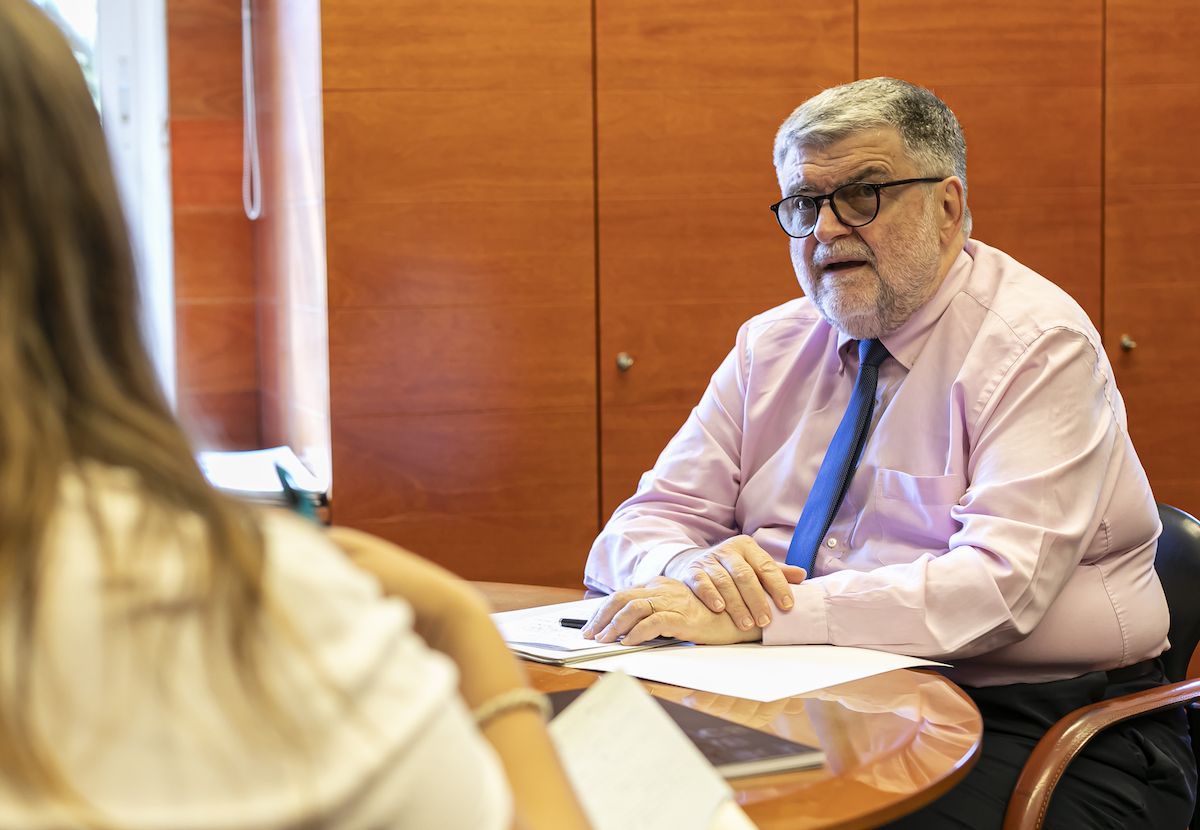
--- What barriers do spin-offs have to overcome to be created and survive over time?
--- Basically, Catalonia still lacks good financial muscle. Although there are public subsidies and aid for business creation, from Barcelona Activa or even from the European Union, especially in the field of DeepTech, there is still a need for more specialized investors to finance disruptive projects. But human capital should not be forgotten either, and for this reason, we must be able to retain talent of all kinds, from vocational training graduates to university education.
"Although we are very good at scientific production, more efforts are needed so that this pioneering research can have a direct return through business activity"
--- Beyond funding, is Barcelona well-positioned in terms of innovation and knowledge transfer?
--- The Catalan capital enjoys great prestige on a global scale. The so-called Barcelona effect, ever since Olympic Barcelona, still plays an important role in attracting talent, and entrepreneurs have seen in the Catalan ecosystem the perfect ally to grow their project. However, although we are very good at research and scientific production, as indicators annually show, we must continue to make efforts so that this pioneering research can have a direct return through business activity and the creation of qualified jobs, especially betting on strategic sectors such as deeptech.
--- As with scientific research, do you believe that the Catalan university system also enjoys high prestige?
--- The Catalan university system is a system that enjoys very good health and great prestige. It is true, however, that we still bear the consequences of the 2008 financial crisis, a crisis that deeply affected public academic centers, leading to the aging of university faculty due to lack of funding to hire new professionals. The aging of the staff is a serious problem, which in some way is beginning to be resolved with the hiring of new professionals, but, in my opinion, we still need more agile mechanisms to make these hirings possible.
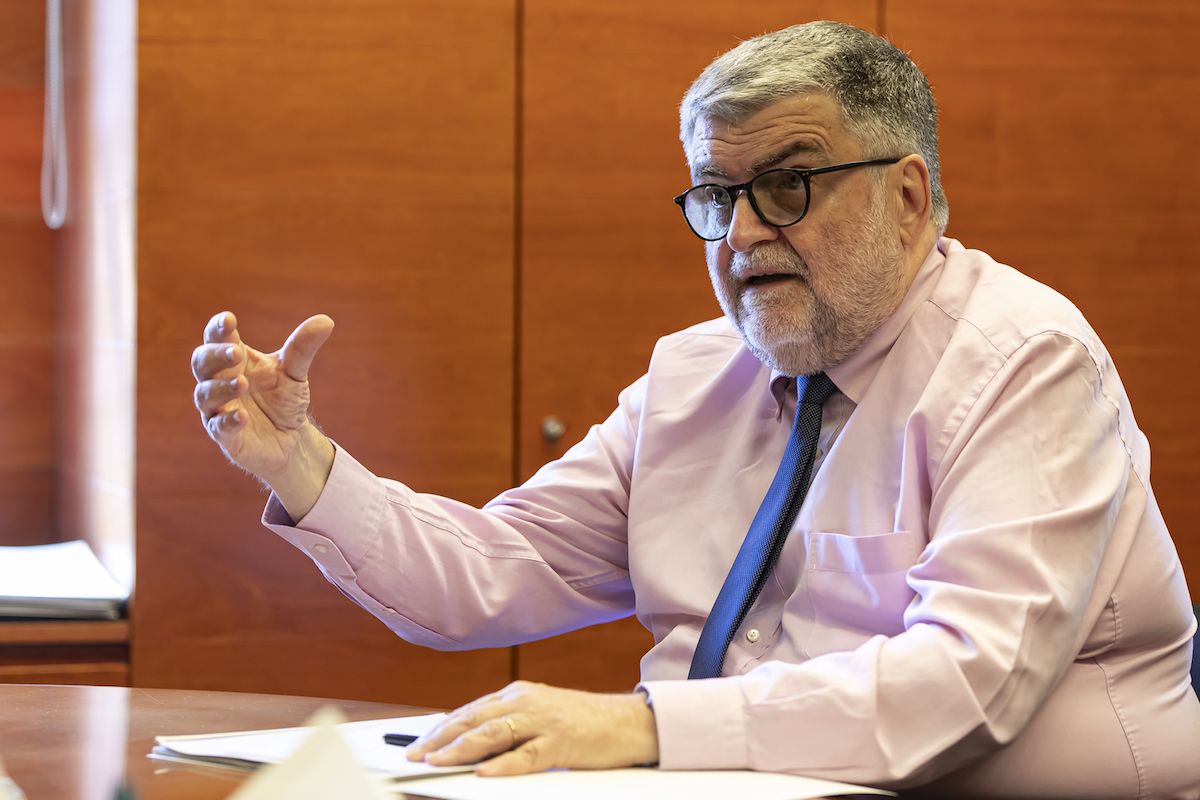
--- What other challenges must you face during your mandate as Vice-Rector for Transfer, Innovation, and Entrepreneurship?
--- We must improve our relationship with the alumni community, which I consider to be one of our great assets yet to be explored. The relationship between students and the university must endure once their training is completed, achieving, for example, that former UPC students who now hold management positions in different reference companies can opt for collaborations with the university. This is a relationship that other international and even Catalan universities have known how to cultivate very well, but which the UPC can still explore further.
--- And in the relationship with companies?
--- We also need to consolidate other programs already underway, such as the company chairs, of which we now have 22, and which allow collaboration, for a period of three years, between one or more companies and the UPC. As well as strengthening the Connèxia program, which allows for greater connection with companies, such as Fractus, Mecalux, Schneider Electric or Cetaqua, which are already part of this initiative, and which can access talent and ideas arising within the university more directly. Likewise, we want to deepen our relationship with small and medium-sized companies, so that, for example, they can use our equipment or experimentation laboratories.
Add The New Barcelona Post as your preferred Google source for free
Stay informed with the latest news.