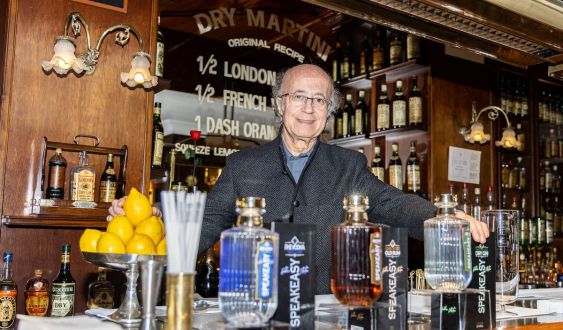
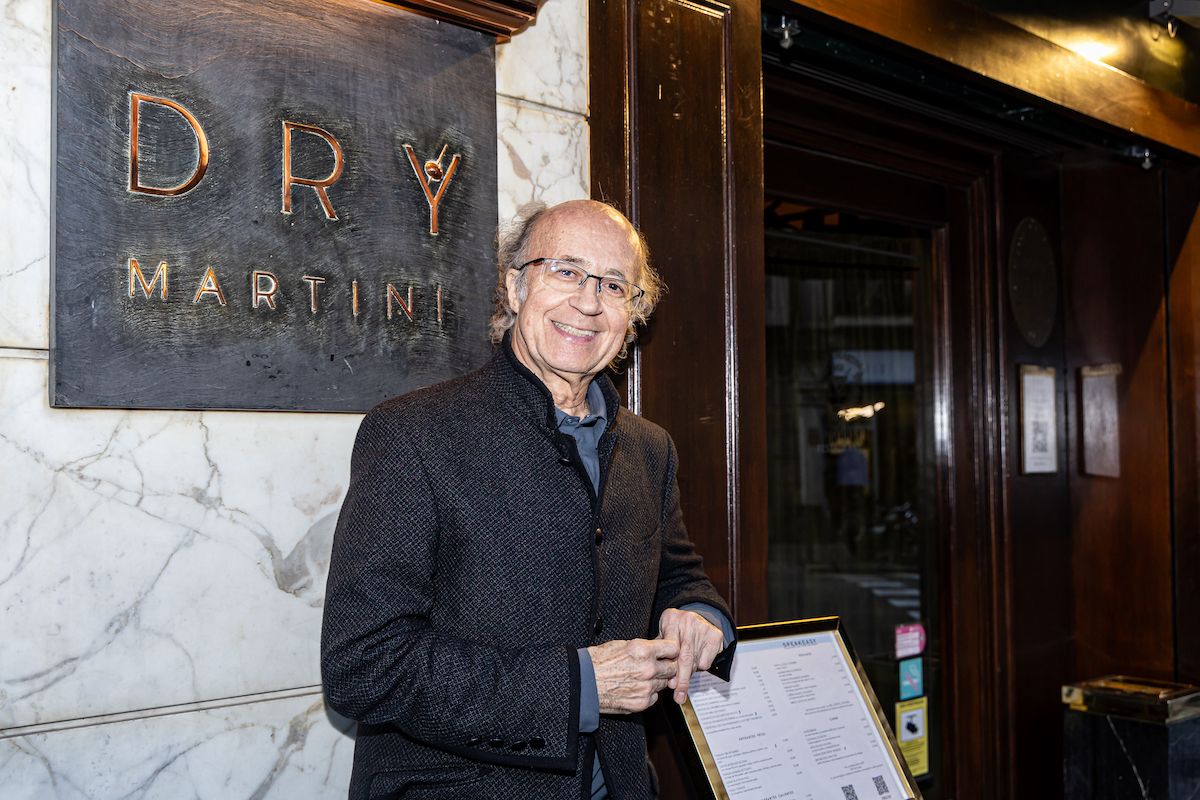
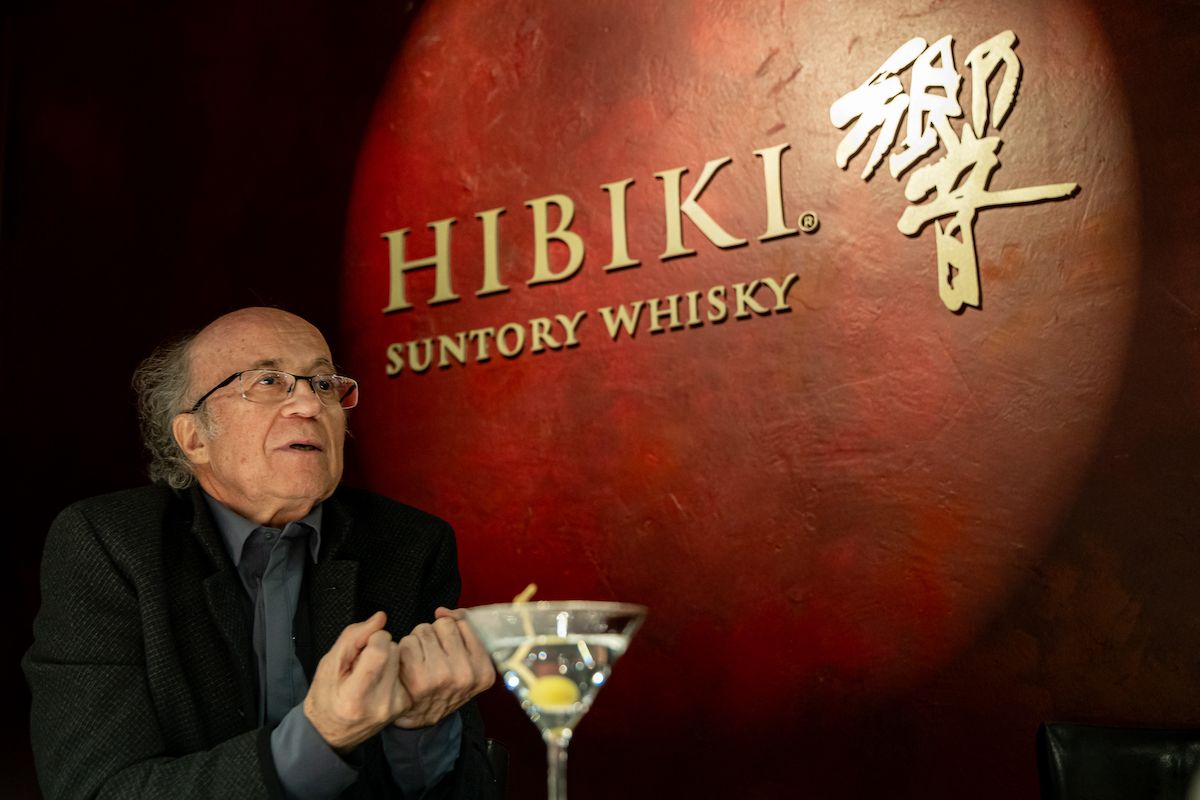
In the Speakeasy of the Dry Martini, away from the noise and alongside the ritual, Javier de las Muelas talks about how he serves his cocktails: unhurriedly, with precision, and with a very clear idea of what he wants to preserve. He is not just one of the great names in international mixology; he is, above all, a stubborn defender of bar culture as a space for meeting, conversation, and humanity in an increasingly fast-paced and disconnected world.
De las Muelas reviews a career that spans from pre-Olympic Barcelona to the global iconography of the Dry Martini, but also reflects on the value of detail, liturgy, the loss of city identity, and the almost political need to care for spaces where it is still possible to look each other in the eye. He talks about hospitality more than restoration, about bartenders more than mixologists, and about daily activism more than fame. A serene but forceful defense of a way of understanding life: with order, imperfection, with memory, risk, and, above all, with a Dry Martini in hand.
— Let's start. When initiating a conversation, what cocktail do you recommend?
—The first thing is to silence and put away mobile phones. This small device completely distorts the possibility of conversing and sharing. Gathering around a table with a desire to talk enhances something innate in human beings: conversing, learning, contrasting opinions, and letting ideas that weren't yours end up becoming yours. In this context, the cocktail—especially the Dry Martini—establishes a liturgy. And liturgy is fundamental: it is one of the great contributions of bar culture.
— And not in just any way.
— I place great importance on small details because they are what make the difference and add color. Obvious details don't personalize anything. The way one dresses, greets, listens, or talks to a waiter says a lot about people.
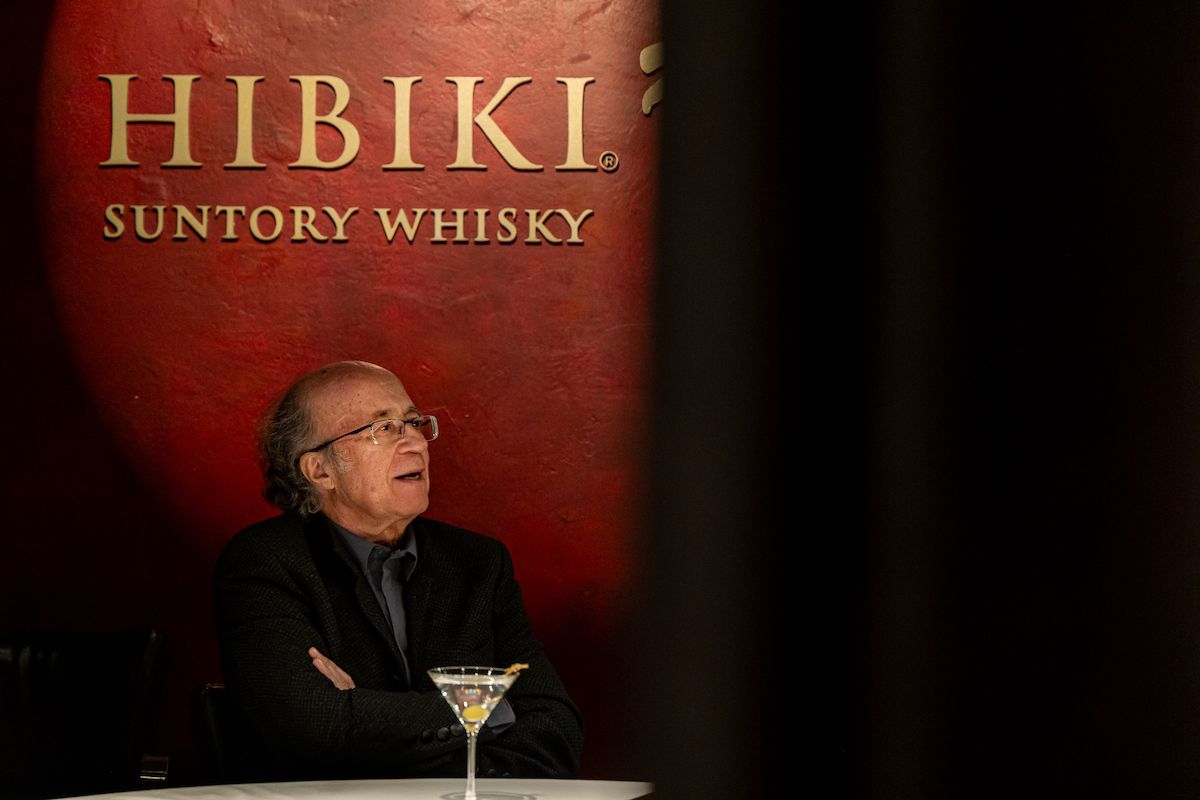
— You have always distinguished yourself by this obsession with detail. Where does it come from?
— Probably from a mix of obsessive and professional discomfort-causer. Pursuing excellence is stimulating, but difficult and often uncomfortable for the environment, both professional and personal. I like organized disorder. I can't stand chaos, but I do like imperfection with soul: that spark of an artist that gives character and unique colors.
"I can't stand chaos, but I do like imperfection with soul"
— Do you consider yourself an artist?
— I consider myself multifaceted and very connected to the culture of service: taking care of others. Creating spaces where people feel good—often without knowing why—has an artistic component. The creator is as much an artist as someone who knows how to turn that creation into a viable project. In the end, what validates creativity is that it works. If not, it fades away.
— And you, what are you?
— I'm a bit of a Renaissance man. Since I was little, I've sought economic autonomy: I sold comic books, bracelets, distributed samples, worked at the post office, sold underground comics. I've always created business where there seemingly wasn't any. That feeling of working for myself has given me great life satisfaction.
— How did your relationship with cocktail making begin?
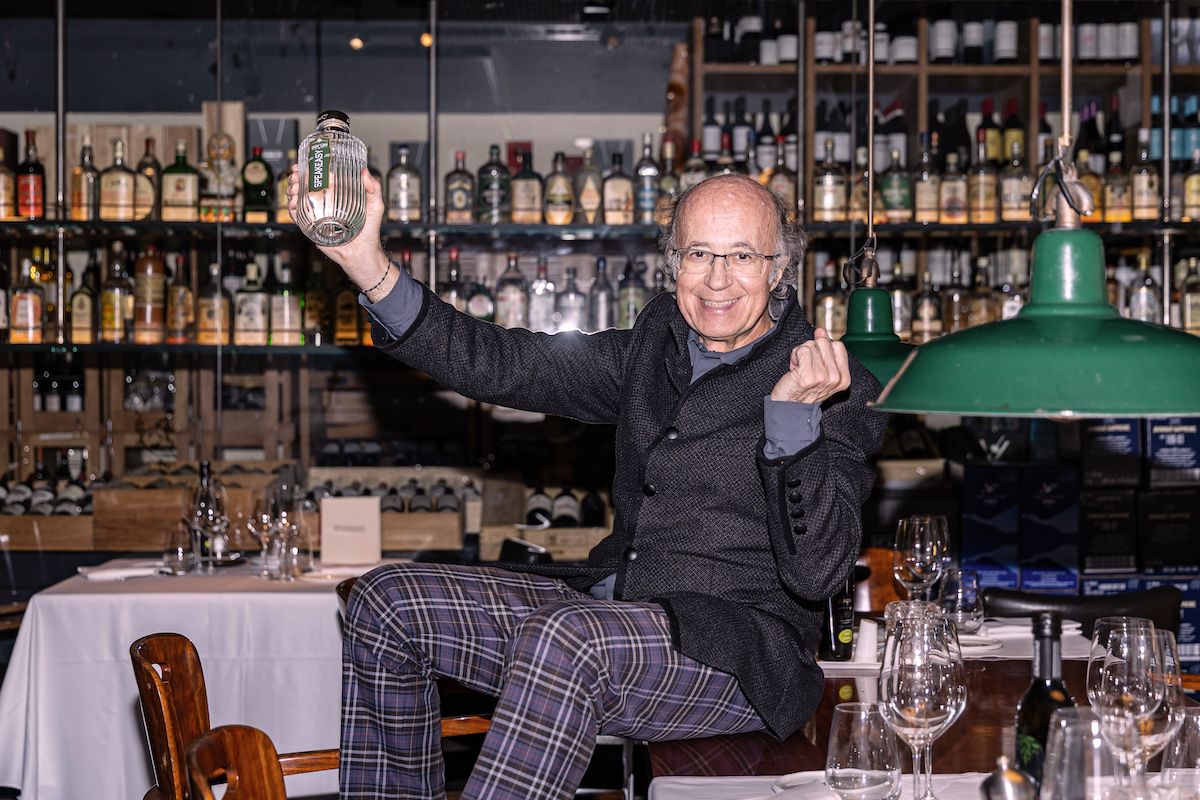
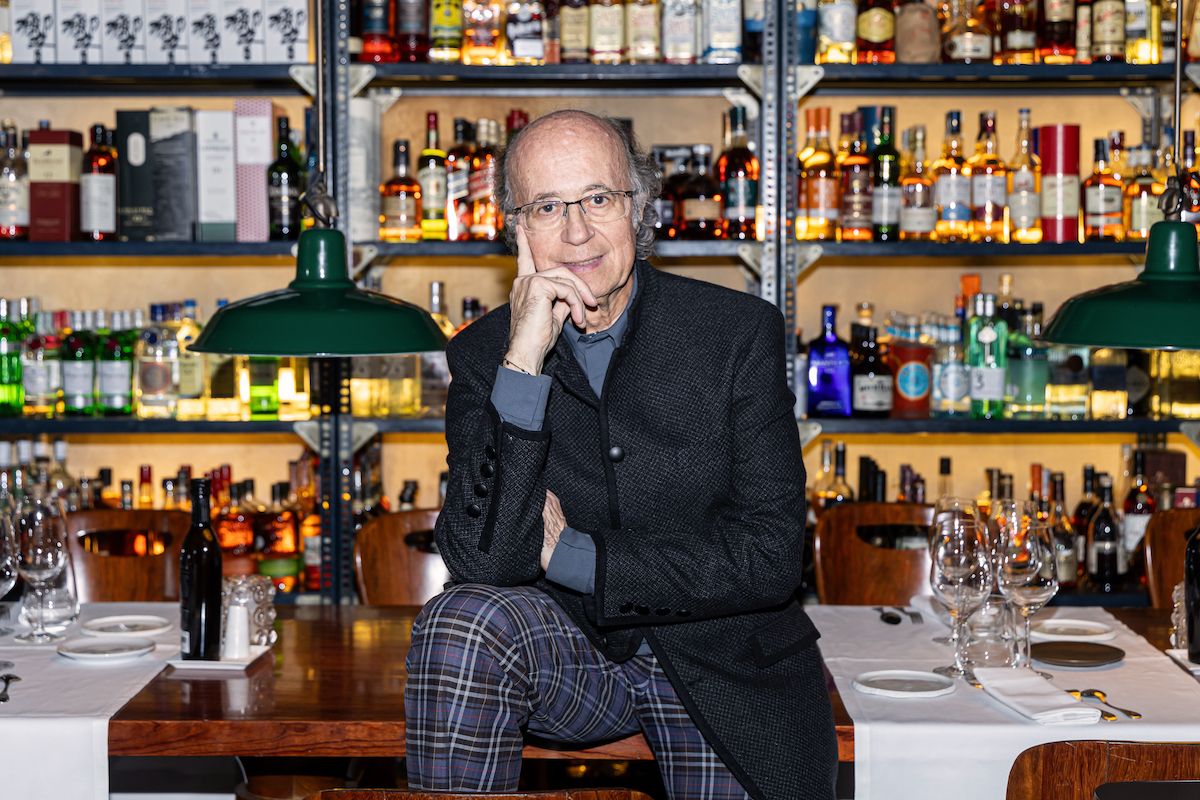
— Almost accidentally. I came from the world of music; radio was essential for me. I created an underground company putting up posters and we defended freedom of expression when Albert Boadella was imprisoned. Afterwards, I replicated the Berimbau model and opened Gimlet in El Born. It was a global change: young people doing classic cocktails outside luxury hotels, attracting women and people of our generation. I have lived surreal situations and met many people, but Gimlet was the true revolution.
"The bar is communion, a place of resistance within today's world, too empty and accelerated"
— You've done almost everything: representative, bartender, businessman, writer... Do you have things left to do?
— Many. I don't like getting older. The 7 and the 0. Because I don't like to waste time and I'm still very curious. Now my son has joined the project, but my goal is to preserve the identity of the venues. Although with a certain nostalgia. I know. The bar is communion, a place of resistance within today's world, too empty and accelerated.
— Do you feel like a man from another time?
— Possibly. I do small things, in my daily life, that it seems are no longer done: I pick up papers from the ground or help people cross the street. I believe in everyday activism, the one that has a real effect. And there's no need to believe anything: not even fame.
Add The New Barcelona Post as your preferred Google source for free
Stay informed with the latest news.