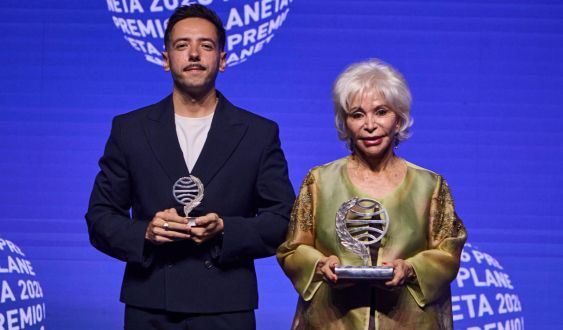
At the Premio Planeta, the mystery does not always lie between the pages of a novel. At times, it begins with the signature. The game of pseudonyms has become one of the prize's chief attractions: behind an invented name may lurk an emerging author as easily as an established literary figure, and uncovering their identity forms an essential part of the suspense surrounding the gala. In 2021, the collective pseudonym Carmen Mola revealed three writers: Jorge Díaz, Agustín Martínez, and Antonio Mercero. This year, few could have anticipated that Luz Ventura would turn out to be Isabel Allende, one of the world's most widely read living authors in the Spanish language. She claimed the Planeta with a prequel to The House of the Spirits, the novel she published over four decades ago that went on to become a classic of world literature.
Allende's reveal also marked a major milestone: seventy-five editions of an award whose prize money now comes to one million euros, ranking it among the most lucrative literary honours in the world. It shares that distinction with the recently launched Aena Prize for Spanish-American Fiction, though the latter honours previously published works.
The selection of Allende also sets a very different tone from other recent Planeta winners with a prominent media profile, such as Juan del Val, who clinched the 2025 award with Vera, una historia de amor. This time, the spotlight falls on a writer with an established international career and a book that links back to one of the defining titles of her oeuvre. With this accolade, Allende joins a roll of honour featuring giants of Spanish literature such as Juan Marsé and Ana María Matute, revisiting a story that has long attained canonical status.

In La hora antes del alba – the novel that secured her the Premio Planeta – Allende revisits Alba Trueba, the granddaughter of the patriarch in The House of the Spirits. Having endured imprisonment and torture during the Chilean dictatorship, the protagonist returns pregnant to the family home. From there, she pieces her life back together, bearing witness to an era shaped by political repression, fear, and the lingering scars of violence.
Although both works stand as independent narratives, Allende had spent decades considering returning to Alba's story, prompted in part by readers inquiring about the character's fate. Revisiting the Trueba family enables her to return to core motifs of her writing – memory, exile, and the trauma of state violence – this time through the eyes of a woman striving to rebuild her world while giving voice to what transpired.
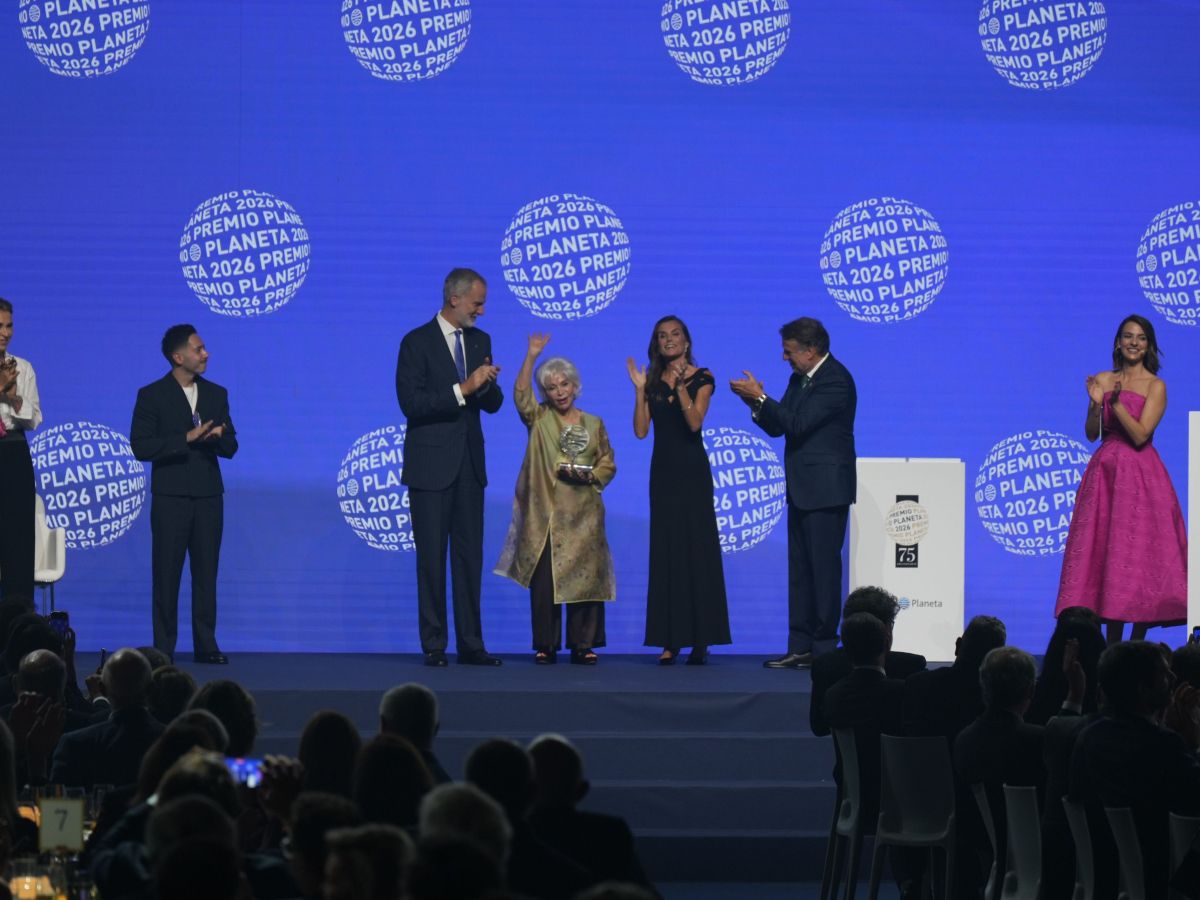
Accepting the prize, the author explained why she had finally chosen to enter the Planeta, a step she had avoided until now. “I had never submitted my work for an award before, simply to spare myself the humiliation of trailing at the back,” she quipped during the evening. At 84, she reflected, the time had come to take the leap.
Allende's triumph also carries geographic weight: twelve years after Mexico's Jorge Zepeda Patterson took the prize in 2014 with Milena o el fémur más bello del mundo, the Planeta crosses the Atlantic once again to honour a Latin American writer. Yet the outcome carries an editorial dimension as well. Allende has been tied for decades to Plaza & Janés, a Penguin Random House imprint, ever since the 1982 publication of The House of the Spirits; with this win, her new novel moves to a rival publishing group. While the award does not necessarily mean her earlier backlist will follow, it brings one of the most prominent authors in Spanish-language literature into Planeta's fold.
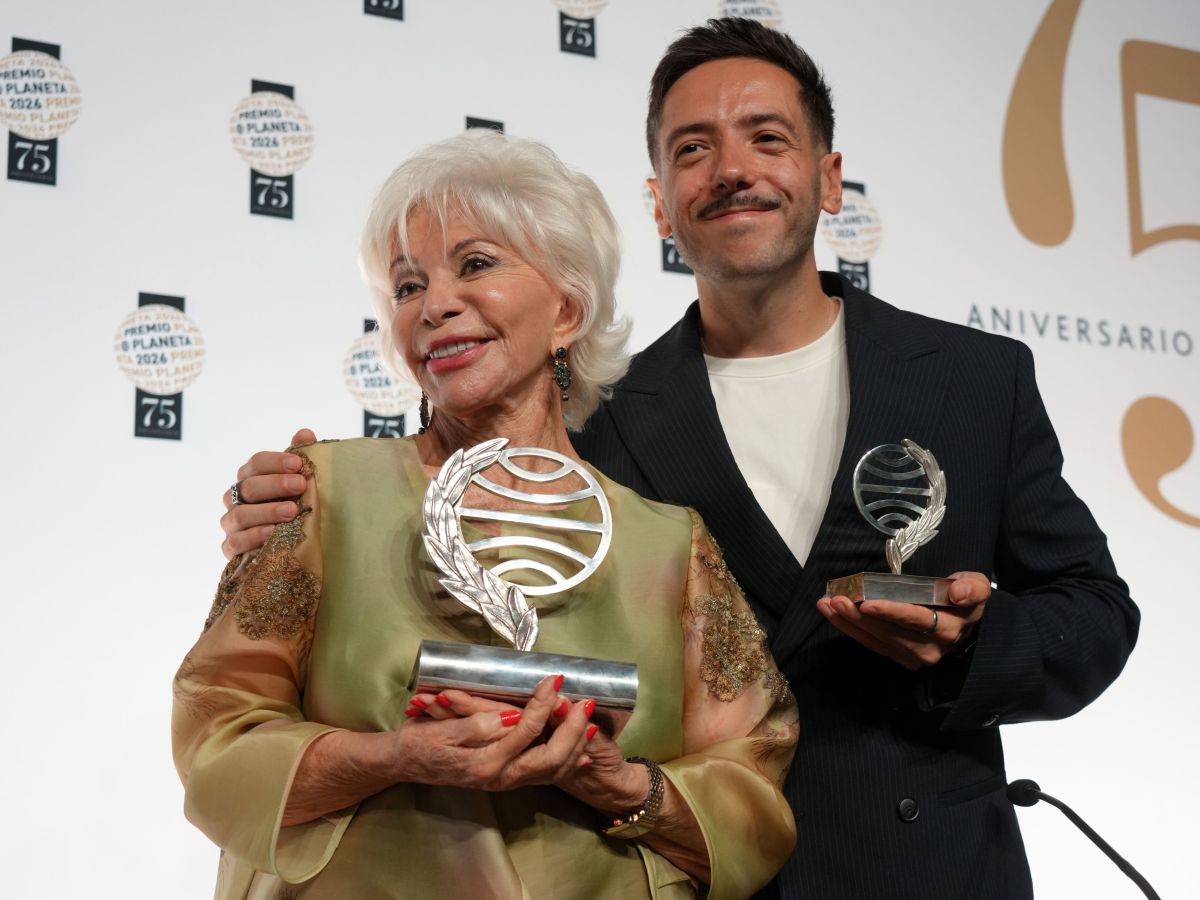
The writer received the accolade during a gala dinner presided over by the King and Queen of Spain and attended by nearly 1,300 guests. The celebration also inaugurated a new venue: moving away from the Museu Nacional d’Art de Catalunya (MNAC), its usual home, the ceremony was held in Hall 1 of Fira de Barcelona's Montjuïc exhibition centre to accommodate surge in demand. The gathering marked the 75th anniversary of an award established in 1952 by publisher José Manuel Lara Hernández, which over the decades has grown into one of the major fixtures of the Spanish literary calendar.
Sergio Hernández revisits post-war Barcelona in La añoranza
Alongside Allende, the gala cast a spotlight on another key figure: Sergio Hernández, the prize's runner-up with La añoranza, a historical novel set in late-1950s Barcelona that carries an award of 200,000 euros. The plot follows a woman who falls in love with a French translator who vanishes without a trace. Years later, she comes across a police dossier tying him to an alleged plot to assassinate the poet Antonio Machado. The novel interweaves narrative suspense with the memory of an era marked by the aftermath of the Civil War and Francoist repression.
Add The New Barcelona Post as your preferred Google source for free
Stay informed with the latest news.