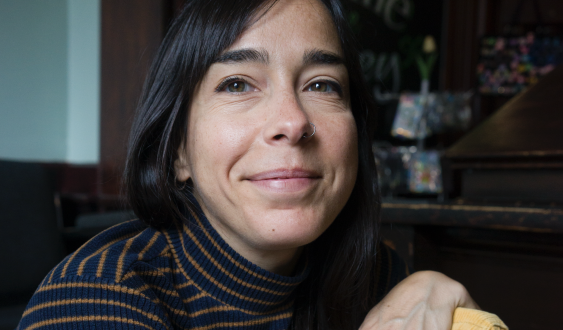
"Writing makes you rethink who you are again and again, and in the end, you realize that, to a large extent, you are the result of a family memory. That the past in which you sink your roots defines your way of looking at the world and living life." The night progresses and, after a couple of servings of burrata and fried eggplant with honey, the poet and writer Helena Fàbregas Rebato sips a little of the cocktail for which she has given very precise instructions: "rum, basil, and a citrus touch." The notes of Monk's dream, by Thelonious Monk, accompany this moment. The patroness smiles.
Driven by an unyielding enthusiasm, she confesses that since she was a child she has felt the need to give form to her imagination. At first, through corporal expression. "I studied dance and became a professional, specializing in tap dance and working with the Alaaaa Teatre company, doing many children's shows." But, despite never having stopped dancing —"although no longer professionally"—, the process of explaining herself, of bringing out what was boiling in her inner world, increasingly shifted towards verbal language.
"I've always liked to write, but about ten years ago I considered doing it as more than just a simple escape." And so, the impulse became concrete, moving from visual poetry that —inspired by Brossa— sought the narrative connection between objects, shapes, and words, to the desire to explain the world in the form of stories and poems, "with a beginning and an end."
In between, a life that has led her to live a long season in Valencia, "eight years in which I believe I discovered the true meaning of the word friendship," and more recently in Madrid. In between, pages she has filled with ideas, stories, and poems. A writing "that for me has a lot to do with patience and knowledge, the craft. The same one my grandmother put into cooking, for example," and here, once again, the weight of memory surfaces. "The exactness of each ingredient, the simmering, and the dish that ends up being, it too, a form of poetry," she adds.
Connected with those who are no longer here, but are still here
When, a decade ago, Helena Fàbregas Rebato took writing seriously, she didn't quite know where to start. Accustomed to the stage, dance, movement, stillness, rhythm, the fold of each joint, as ways of explaining her world, she needed someone to take her hand and help her structure that desire and channel all her enthusiasm to give it a verbal form.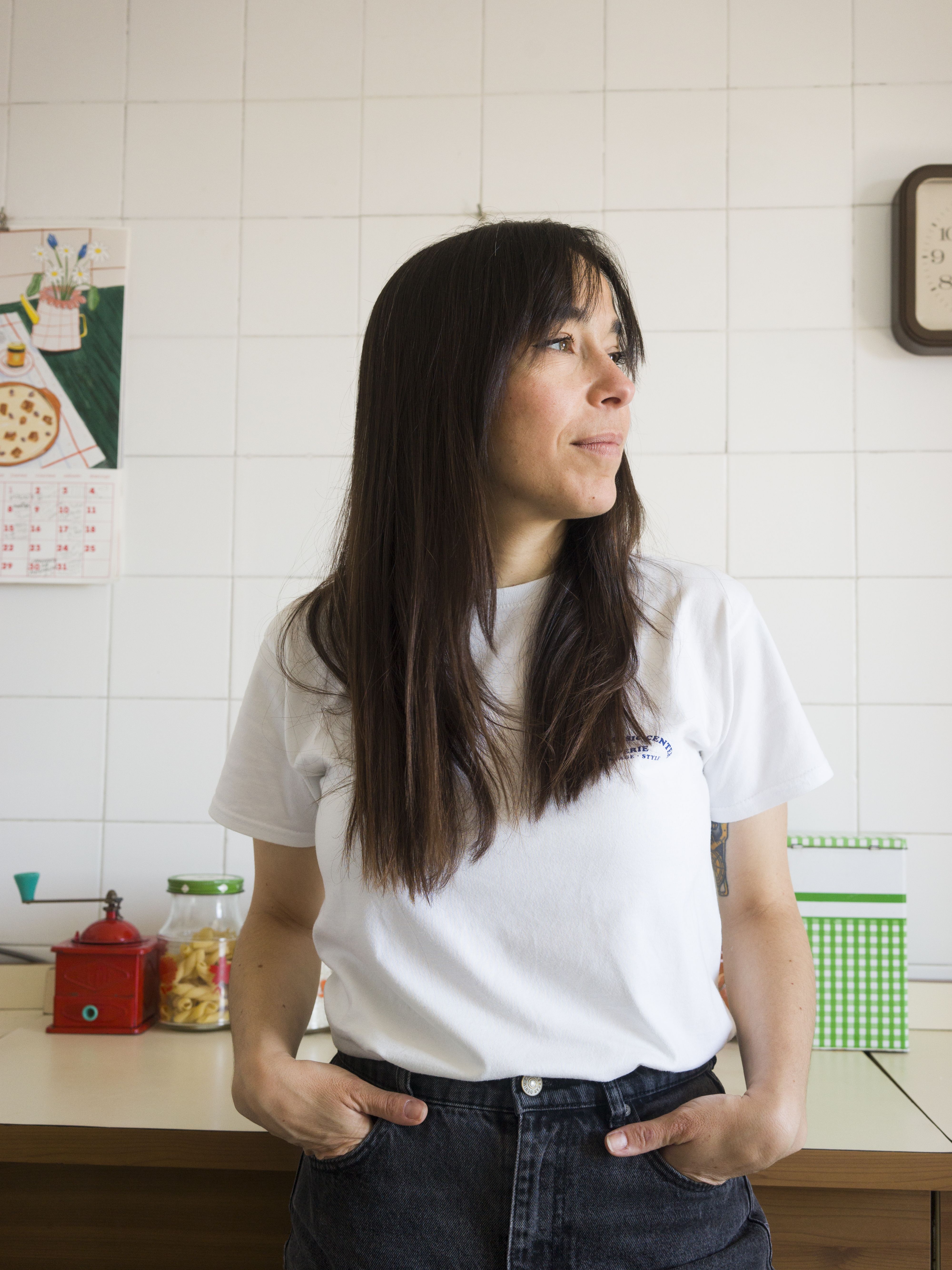
"That's how I contacted Lola Fernández de Sevilla, playwright and writer, who has become my mentor and is accompanying me on this journey." She sips her cocktail, smiles and adds: "and the most curious thing is that, in all this time, we have only met a couple of times in person and all the rest of our communication takes place telematically." In these ten years, together they have been exploring various forms of written expression.
One summer she attended a poetry workshop held at the Lata Peinada bookstore that changed her coordinates. "If until then I had not paid much attention to poetry, in that workshop I fell in love with this discipline and began to work on it based on three stories I had written about my family."
Thus was born Perdí un papelito que (El Mandil), her debut poetry collection that delves into the memory and presence of those who are no longer here, but are still there, like her grandmother. Or her father. "Five years ago he died. It was sudden, just like that, without further ado. But I felt that, even though he was gone, I still had a strong connection with him, with his essence. Even now, so long after, I still feel his embrace."
This embrace, this warmth of those who continue to live because we remember them, not only permeates her poetry collection, but also the novel she is preparing, where there will be memory "and margins, both those of the city and those of the human soul," she warns.
Lights, secrets and gas cylinders
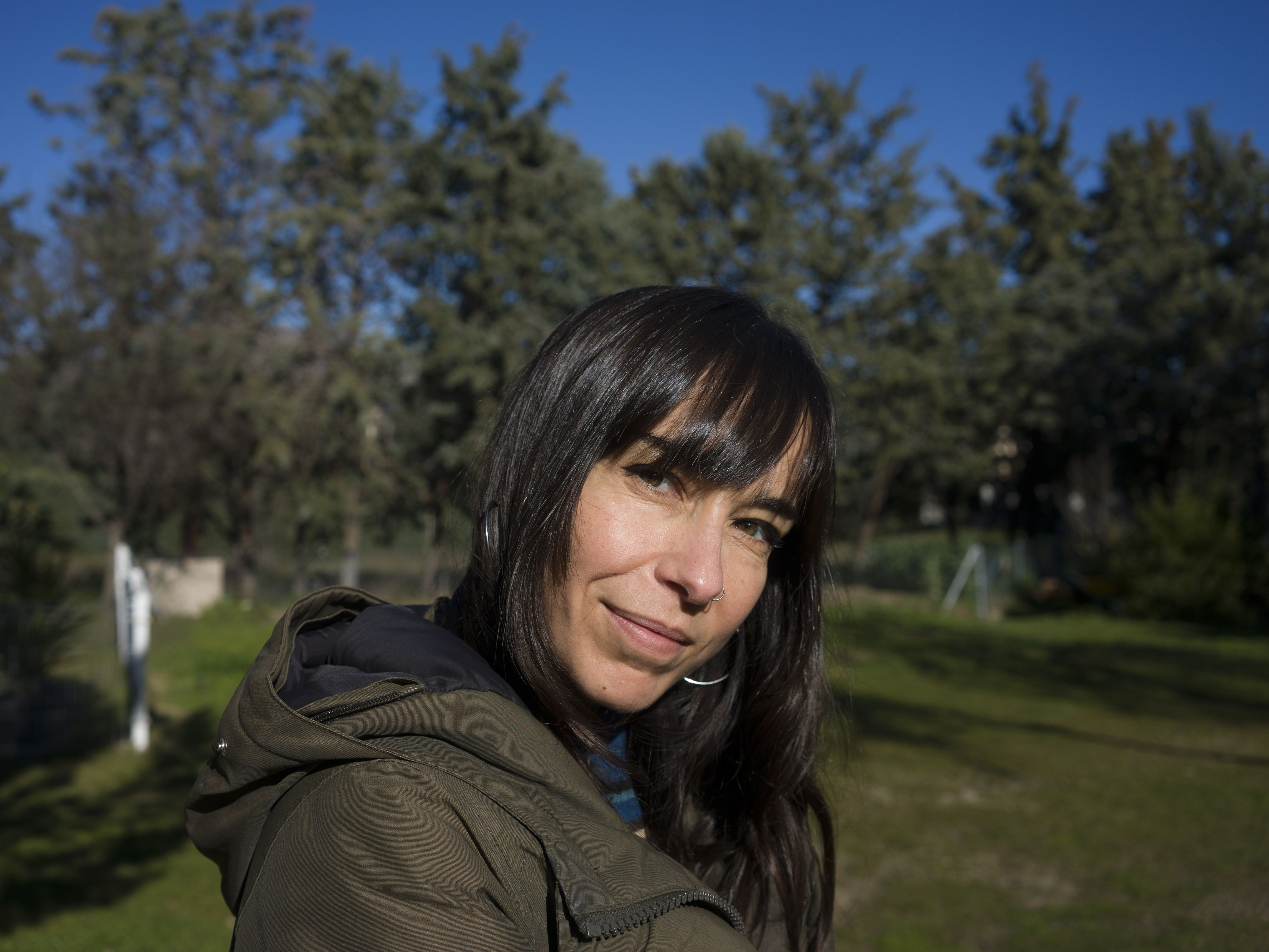
Despite confessing that her relationship with Barcelona has become more difficult over the years, for the writer the city was "that dreamed place where you came to reggae and soul parties, where there were thousands of record stores and bookstores, to which you came from the margins." Her neighborhood, Santa Eulàlia, is on the border between Barcelona and L'Hospitalet."Now I work as a librarian in the center and I enjoy it. I avoid the empanada franchises and I love looking at the balconies of Barceloneta, with their butane gas cylinders and, when it gets dark, the light coming out of the windows of the homes, which transports me to all those worlds that I imagine exist in each house." And, reflecting on the memories, silences and words of each home; its secrets, aromas, cries and smiles; Helena Fàbregas Rebato finishes the last sip of her cocktail.
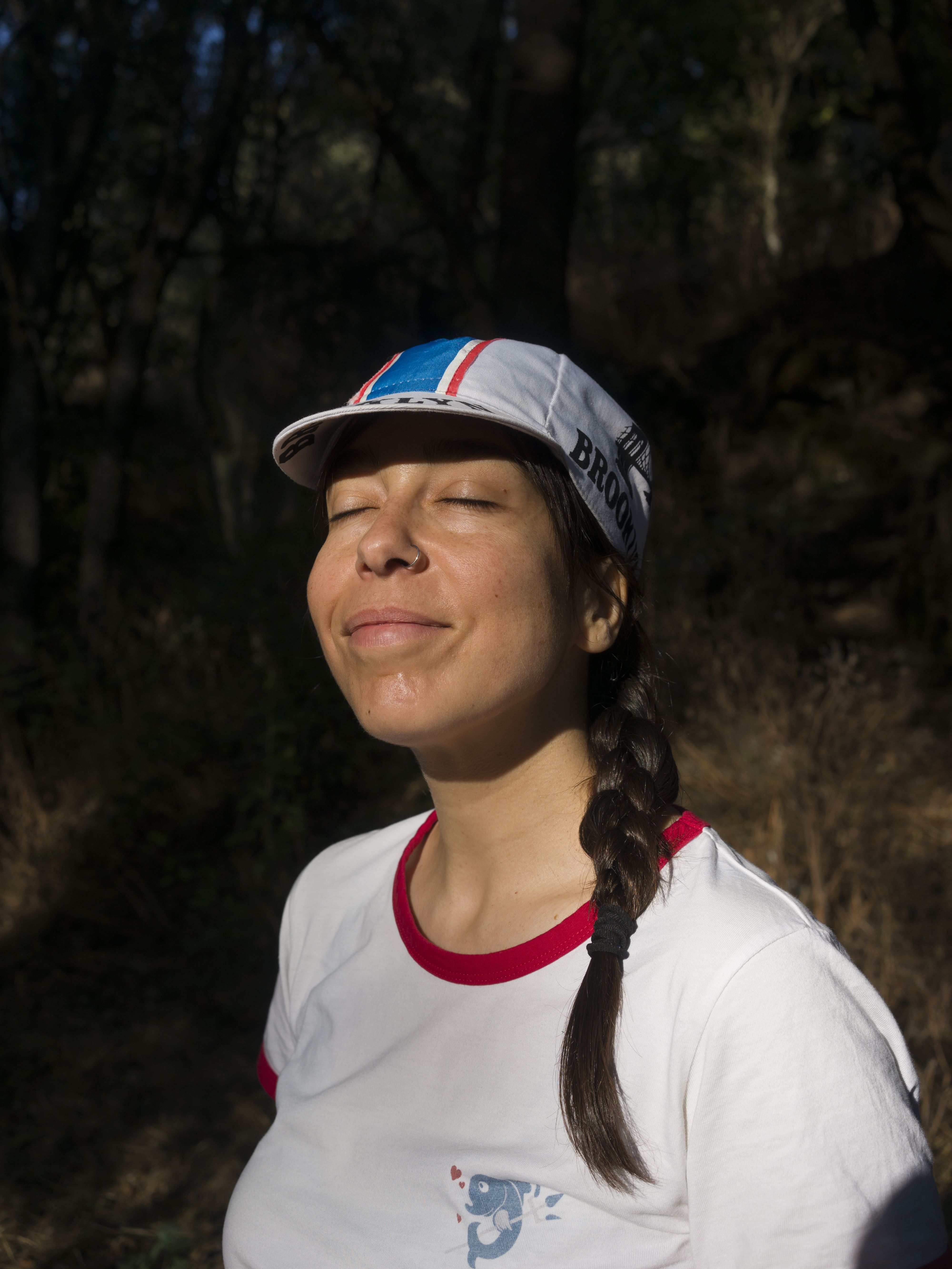
— We still have a long night ahead of us here, in case you want another one. You're invited.
The patroness smiles. The beats of Camarera de mi amor, by Antonio Machín, slip through the corners of the moment. The Bar is buzzing with voices and people and smiles. She accepts the invitation to another rum with basil. And adds:
— If you can, give me a bowl with some walnuts. I love gnawing on them!
Add The New Barcelona Post as your preferred Google source for free
Stay informed with the latest news.
